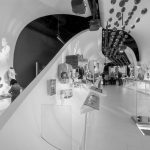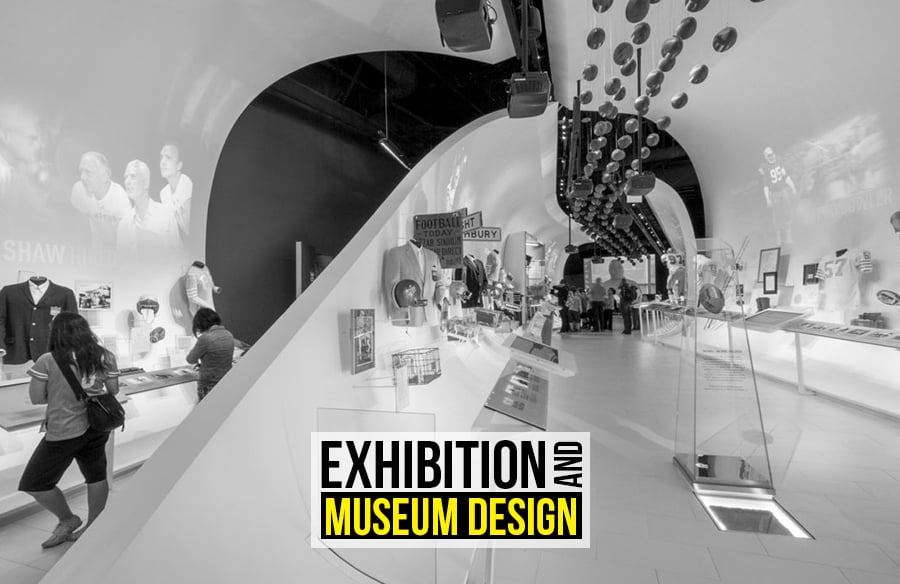
The art of exhibition and museum design in architecture is a captivating blend of creativity and functionality. These specialized spaces serve as the guardians of our cultural heritage, providing a platform to educate, inspire, and engage visitors. Exhibition and museum design must strike a delicate balance between preserving valuable artifacts, creating immersive experiences, and ensuring accessibility for all. Architects employ principles such as spatial planning, lighting, and material selection to craft environments that enhance the visitor’s journey. Interactive elements, wayfinding systems, and flexible layouts are integrated to maximize visitor engagement and adaptability.
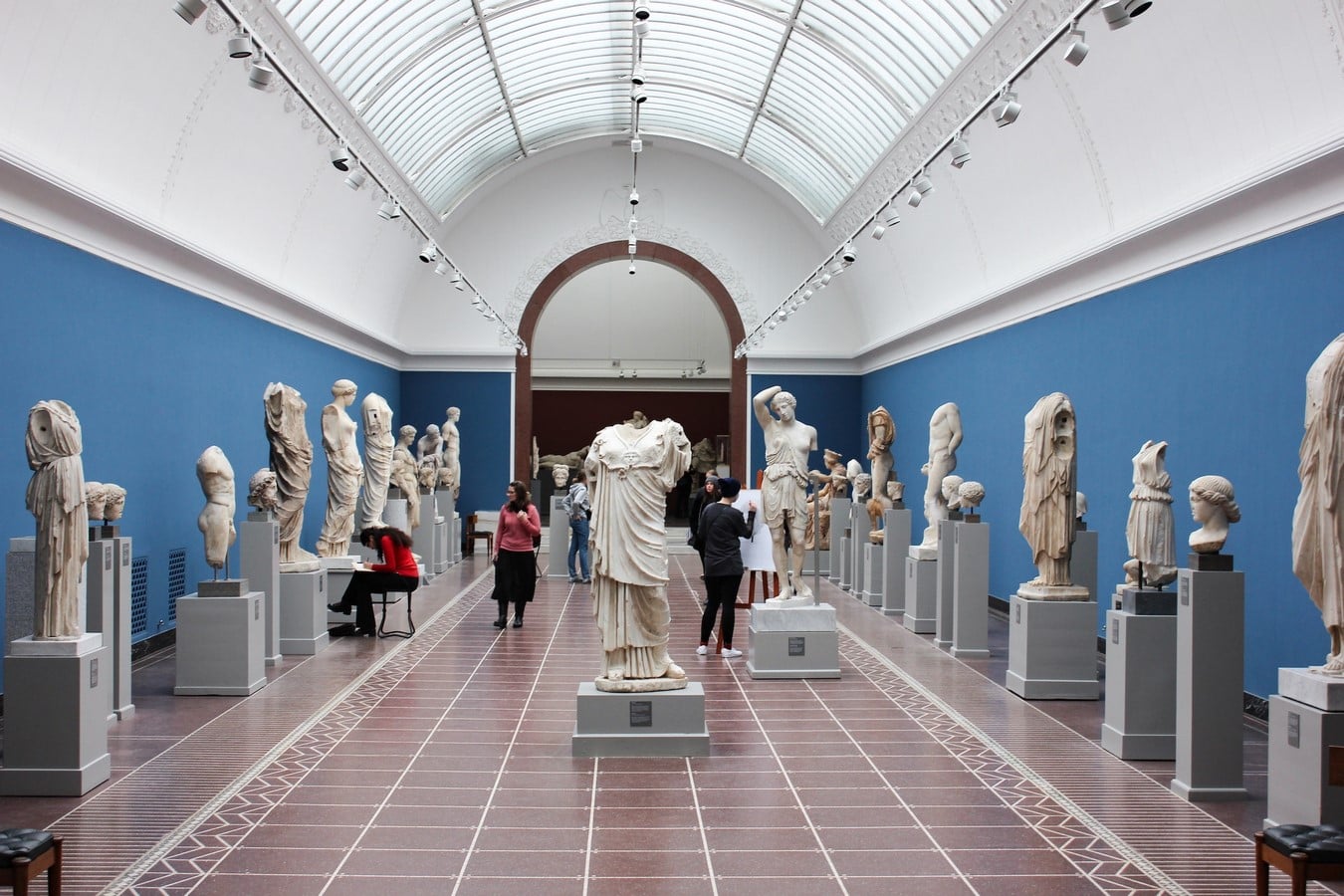
Moreover, contemporary museum design considers contextual integration, cultural sensitivity, sustainability, and technology integration. It harmonizes with its surroundings, respects the cultural identity of displayed artifacts, embraces eco-friendly practices, and leverages technology to create dynamic and educational exhibits.
In essence, exhibition and museum design transcends mere architecture; they are a bridge connecting people with their past, present, and future, fostering a profound appreciation for art, culture, history, and science.
Exhibition and museum design plays a pivotal role in accomplishing a range of critical objectives:

- Safeguarding Cultural Heritage: Museums serve as the guardians of our cultural heritage, housing valuable artifacts, artworks, and historical pieces. Their design must carefully consider elements such as climate control, lighting, and security to ensure the preservation of these treasures for future generations.
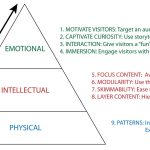
- Fostering Education and Engagement: Museums and exhibitions serve as invaluable educational resources, offering a platform for learning across a spectrum of subjects, from art and science to history and anthropology. Effective design fosters visitor engagement, transforming the learning experience into an enjoyable endeavor.
- Crafting Narratives: Skillful exhibition design weaves a compelling narrative. It empowers curators to construct a storyline that guides visitors through the collection, helping them grasp the context and significance of the items on display.
- Elevating Visitor Experiences: A well-conceived museum or exhibition space has the power to enhance the visitor experience, creating a memorable and immersive environment. Aspects such as layout, lighting, and interactive features collectively contribute to an overall enjoyable visit.
- Prioritizing Accessibility and Inclusivity: Contemporary museum design places a strong emphasis on accessibility and inclusivity. Spaces are meticulously crafted to accommodate visitors of all backgrounds and abilities, ensuring that everyone can fully appreciate and learn from the exhibits.
Principles of Design
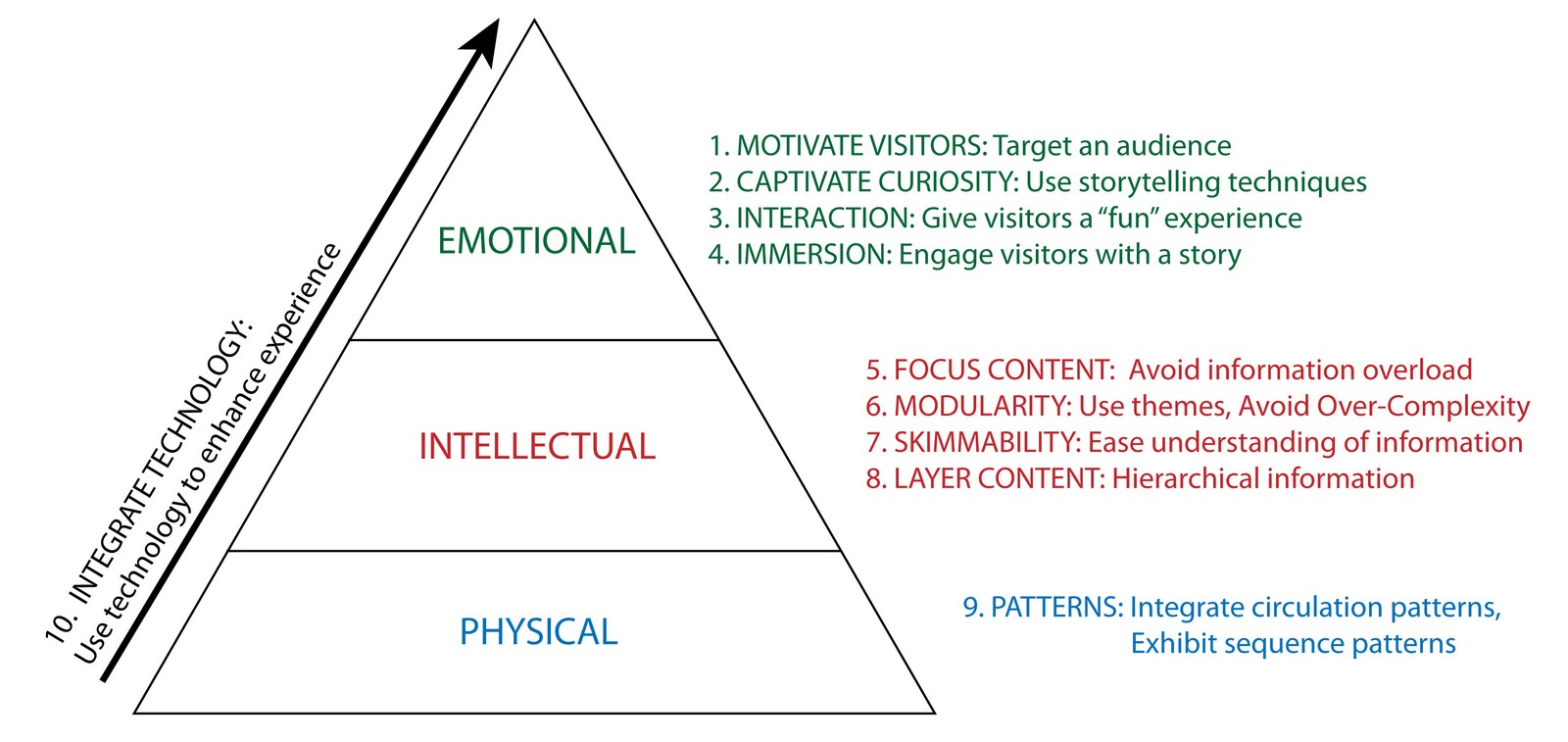
- Spatial Organization: The core of exhibition and museum design lies in spatial planning. It encompasses the strategic layout of the space, the positioning of exhibits, and the flow of visitors. Architects and designers must construct a logical and engaging pathway through the exhibits, avoiding congestion and overcrowding.
- The Role of Lighting: Lighting serves as a potent tool in exhibition design. Thoughtful lighting design can accentuate key objects, establish moods, and even influence visitor behavior. A careful balance between natural and artificial lighting is essential to enrich the visual experience while safeguarding delicate artifacts.
- Material Choices: The selection of materials holds immense significance in museum design. Materials must meet criteria such as durability and ease of maintenance, with some needing to provide environmental control. For instance, maintaining specific temperature and humidity levels is critical for the preservation of sensitive items.
- Incorporating Interactive Elements: The integration of interactive elements, such as touchscreens, audio guides, and hands-on exhibits, can significantly enhance the visitor experience. However, these features must seamlessly meld into the design and not distract from the primary exhibits.
- Effective Wayfinding and Signage: The provision of effective wayfinding systems and signage is vital for guiding visitors throughout the museum. Clear and intuitive signage aids visitors in navigating the space and locating specific exhibits or facilities.
- Flexibility in Design: Museums often encounter the need to adapt to changing exhibits and collections. Designing flexible spaces that can be easily reconfigured enables versatility in showcasing diverse themes and items.
- Ensuring Accessibility: Ensuring accessibility for all visitors stands as a fundamental tenet of modern museum design. This encompasses the incorporation of ramps, elevators, Braille signage, and sensory-friendly features, creating an inclusive environment that caters to a broad spectrum of needs.
Considerations in Exhibition and Museum Design
- Contextual Harmony: Exhibition and museum spaces should be conceived in a manner that seamlessly blends with their surroundings. Whether situated within a historic edifice or a contemporary structure, the architectural design should harmonize with and complement the local environment.
- Cultural Sensitivity: In the creation of museums housing cultural or indigenous artifacts, architects must exhibit cultural sensitivity. The design process should demonstrate profound respect for and reflection of the cultural identity inherent in the objects on display.
- Sustainability Emphasis: Sustainable design practices are gaining increasing prominence within the realm of architecture. Museums and exhibition spaces are encouraged to prioritize the integration of energy-efficient systems, sustainable materials, and environmentally responsible construction methods, aligning with the growing imperative for ecological consciousness.
- Budgetary Restraints and Resource Utilization: Museum design projects often entail substantial costs, necessitating architects to operate within the confines of allocated budgets and available resources. Prudent allocation of funds becomes indispensable in the creation of a successful museum or exhibition space.
- Embracing Technology: The advent of technological advancements has ushered in new vistas within exhibition design. Architects can now seamlessly incorporate elements such as virtual reality, augmented reality, and interactive displays to elevate the visitor experience, tapping into the transformative potential of technology in engaging and educating museum-goers.
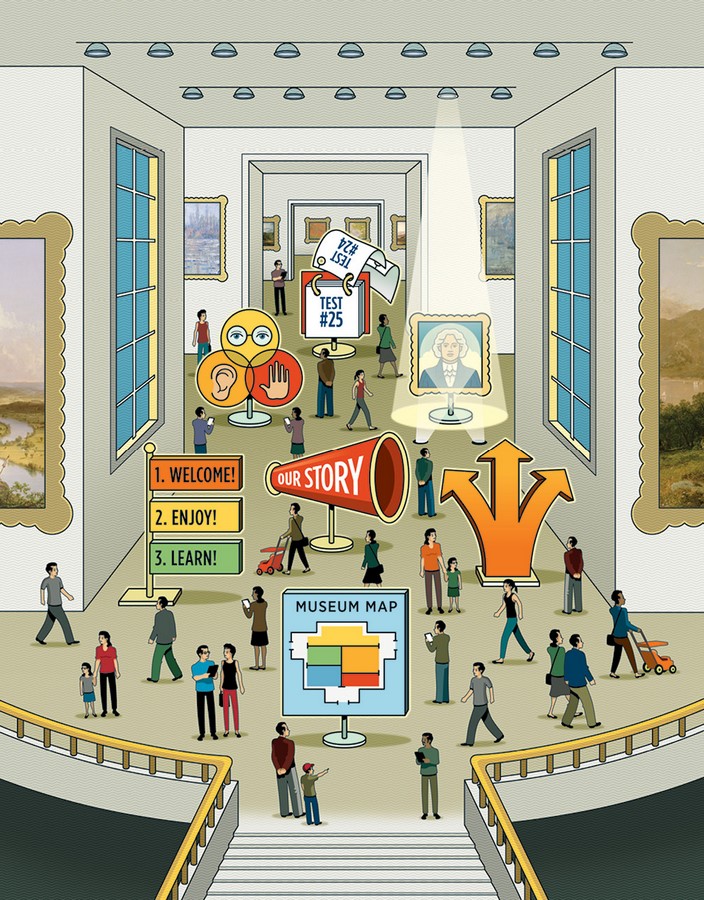
Exhibition and museum design within the realm of architecture holds immense importance in the realms of culture preservation, public education, and the commemoration of human ingenuity. Architects and designers occupy pivotal positions in crafting spaces that go beyond mere functionality and aesthetics; they also nurture environments conducive to effective learning and active engagement. By adhering to the guiding principles and taking into account the essential considerations expounded in this article, architects can contribute significantly to the development of immersive and impactful museum and exhibition experiences.
These experiences, in turn, possess the potential to etch enduring memories upon visitors. In this way, architects perpetuate their influence at the intersection of art, culture, history, and architecture, leaving an indelible mark for generations yet to come.
References:
Exhibitoronline.com. Available at: https://www.exhibitoronline.com/topics/article.asp?ID=2742
J., K. et al. (2020) Museum exhibition design, Museum Planner. Available at: https://www.museumplanner.org/museum-exhibition-design-2/
Migdol, E. (2023) The Art of Exhibition Design, Getty News. Available at: https://www.getty.edu/news/the-art-of-exhibition-design/