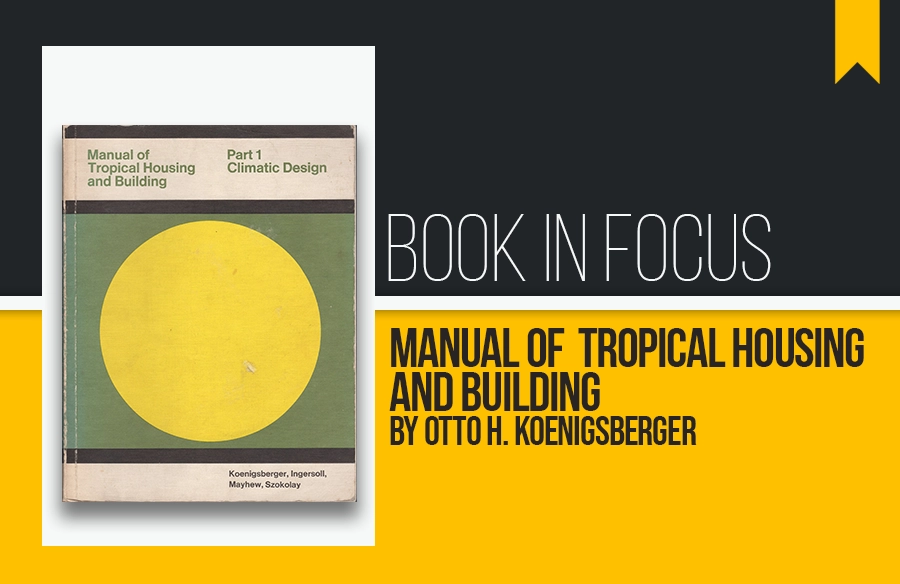
Manual of Tropical Housing and Building was first published in 1975, when much of the architectural world was still largely influenced by universal modernist principles that were often applied similarly across different geographies. This is when Otto H. Koenigsberger realised that the architects working in tropical regions were confronting a different reality, the intense heat, humidity, heavy rainfall, and the limitations of relying solely on mechanical cooling, which needed a different approach.
Born in Germany in 1908, Koenigsberger had trained and practised in Europe before moving to India in 1930, where he worked as an architect and urban planner. During his time in India, he was involved in several housing and planning projects, including the planning of Bhubaneshwar, one of independent India’s first planned cities.
This experience exposed him directly to the challenges of building in tropical climates where environmental factors were not peripheral concerns but central to design. The Manual of Tropical Housing and Building was co-authored with T.G. Ingersoll, Alan Mayhew, and S.V. Szokolay. This was a comprehensive guide for architects, planners and students working in tropical regions. For those working in tropical countries like India, the manual becomes more like a practical tool rather than just a rulebook.
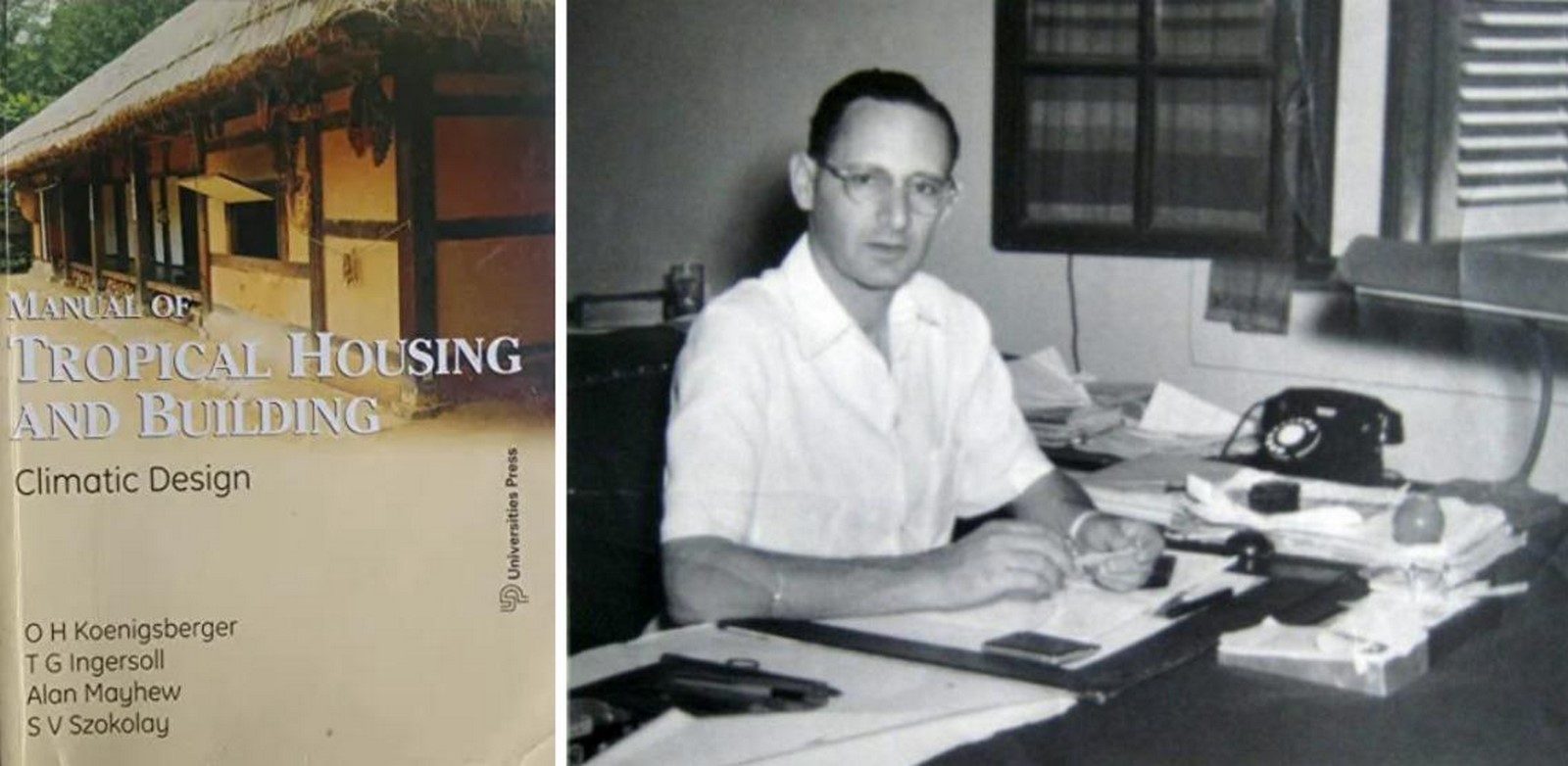
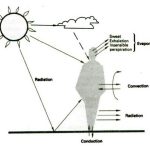
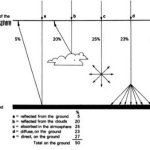
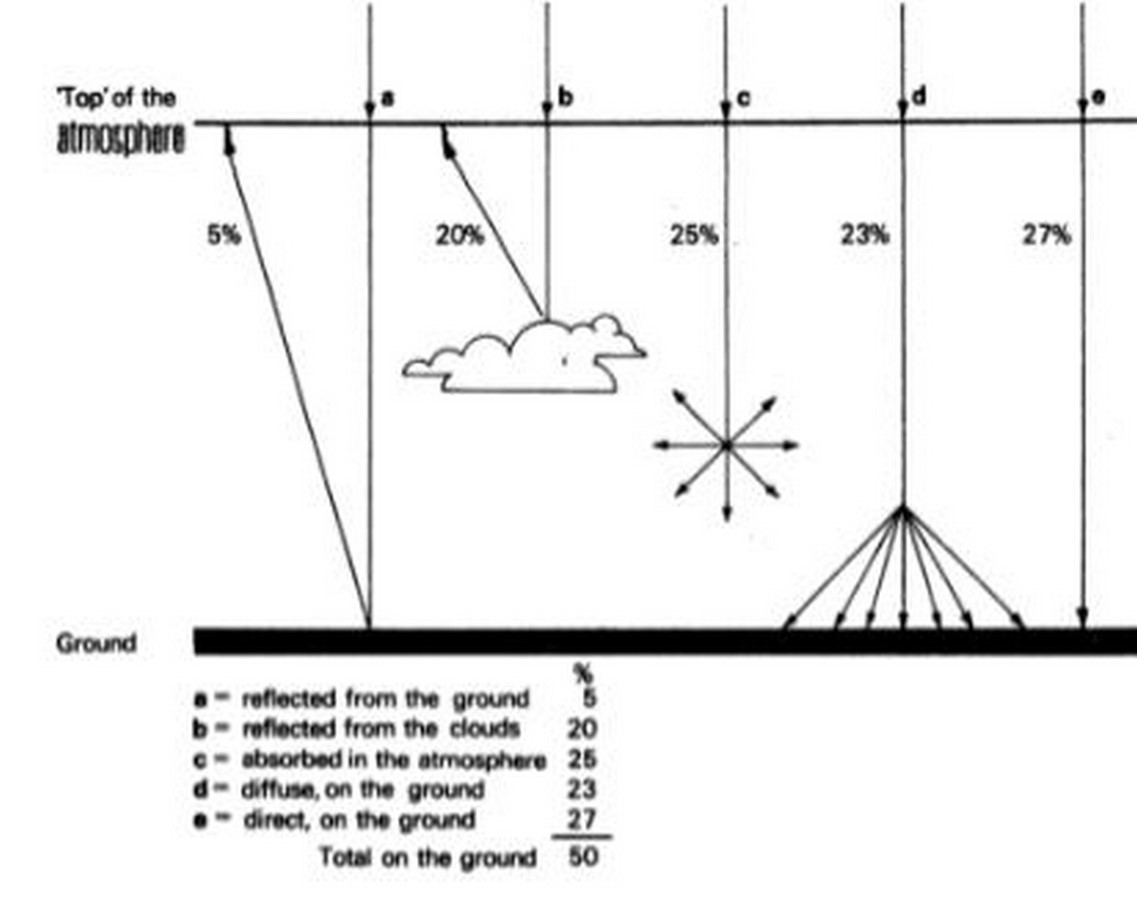
Otto H. Koenigsberger explains the basic elements of climate-temperature, humidity, solar radiation, wind, and rainfall, and how these affect the human body and comfort. The book introduces ways to interpret climatic data and translate it into architectural decisions, for example, readers can understand how the orientation of a building can reduce heat gain, or how the opening placed at the right direction and position can improve ventilation.
What the Book Covers: From Climate to Design Application
The book is organised in a sequence that closely follows the architectural design process, making it especially useful as a learning and reference tool.
Climate: reading the environment
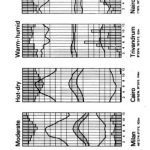
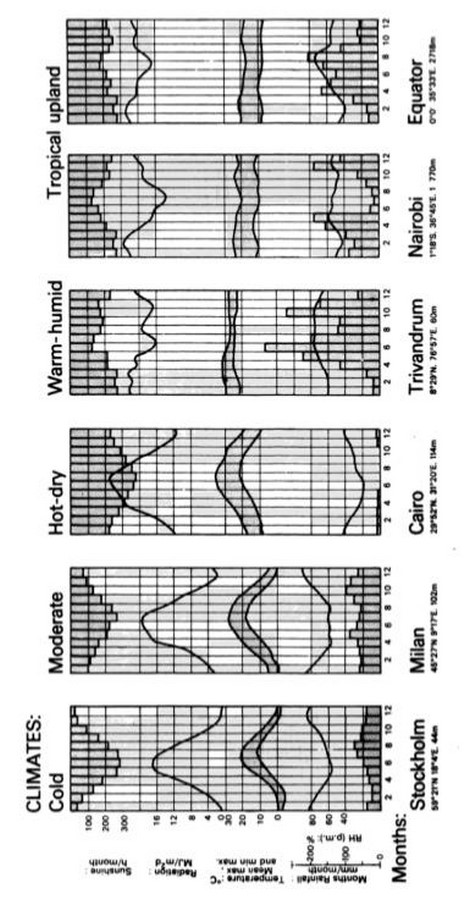
The book begins by explaining the fundamental elements of climate- temperature, solar radiation, humidity and wind. It categorises the tropical climate into hot-dry, warm-humid, composite and upland climates. For readers, this section helps them understand their context and how the site conditions influence building orientation, layout and form.
Comfort: Designing for Human Experience
Koenigsberger then shifts focus to thermal comfort and how one experiences heat.
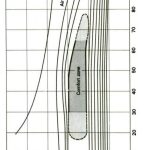
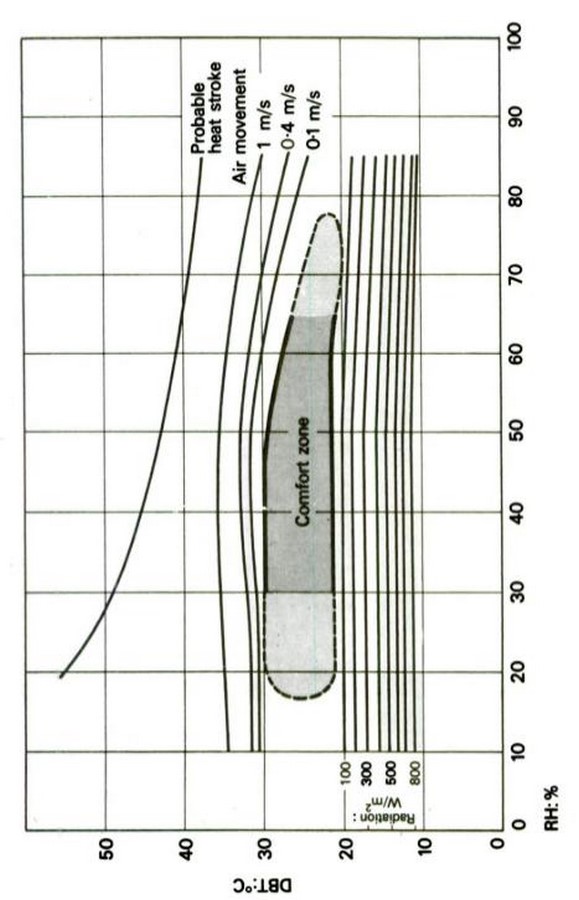
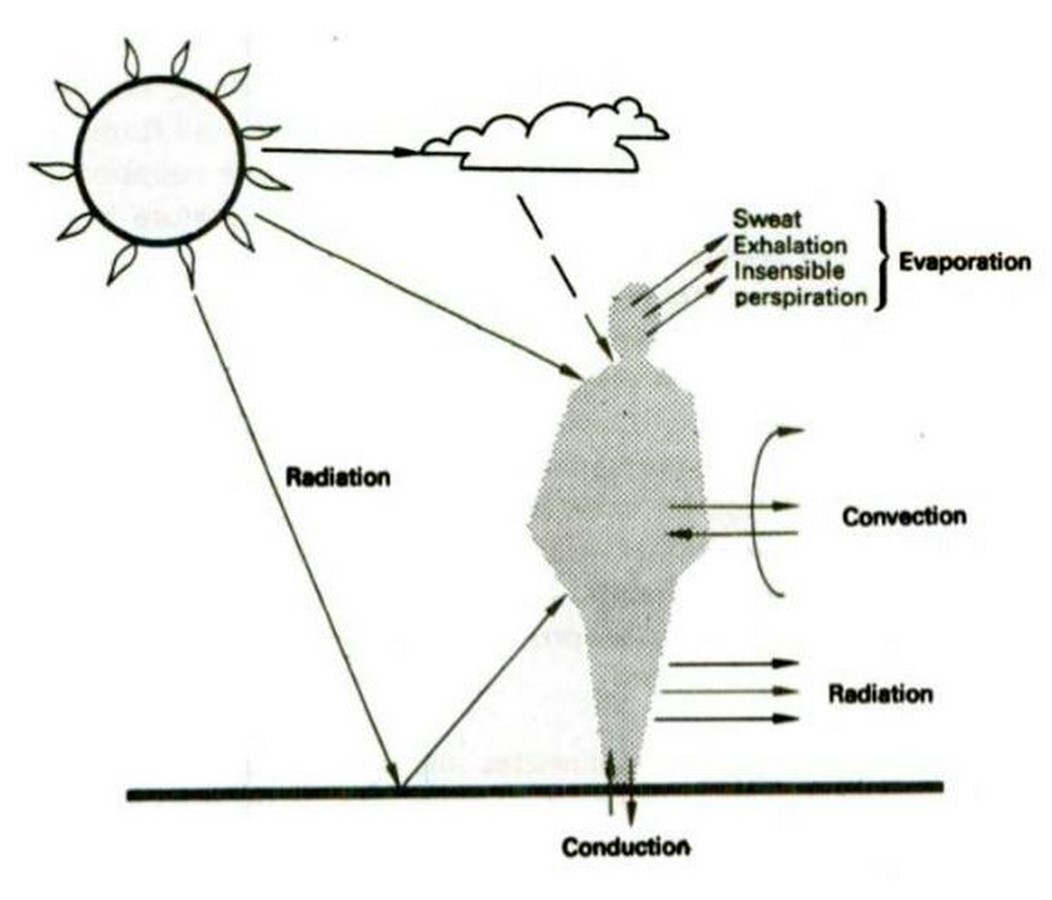
He lays out the understanding of measurable comfort indices and explains how air movement, humidity and temperature contribute to it. This helps readers to understand that the goal of climate-responsive design is not simply reducing temperature, but creating environments where people feel comfortable.
Principles of Thermal Design: Understanding Heat Behaviour
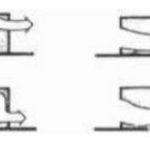
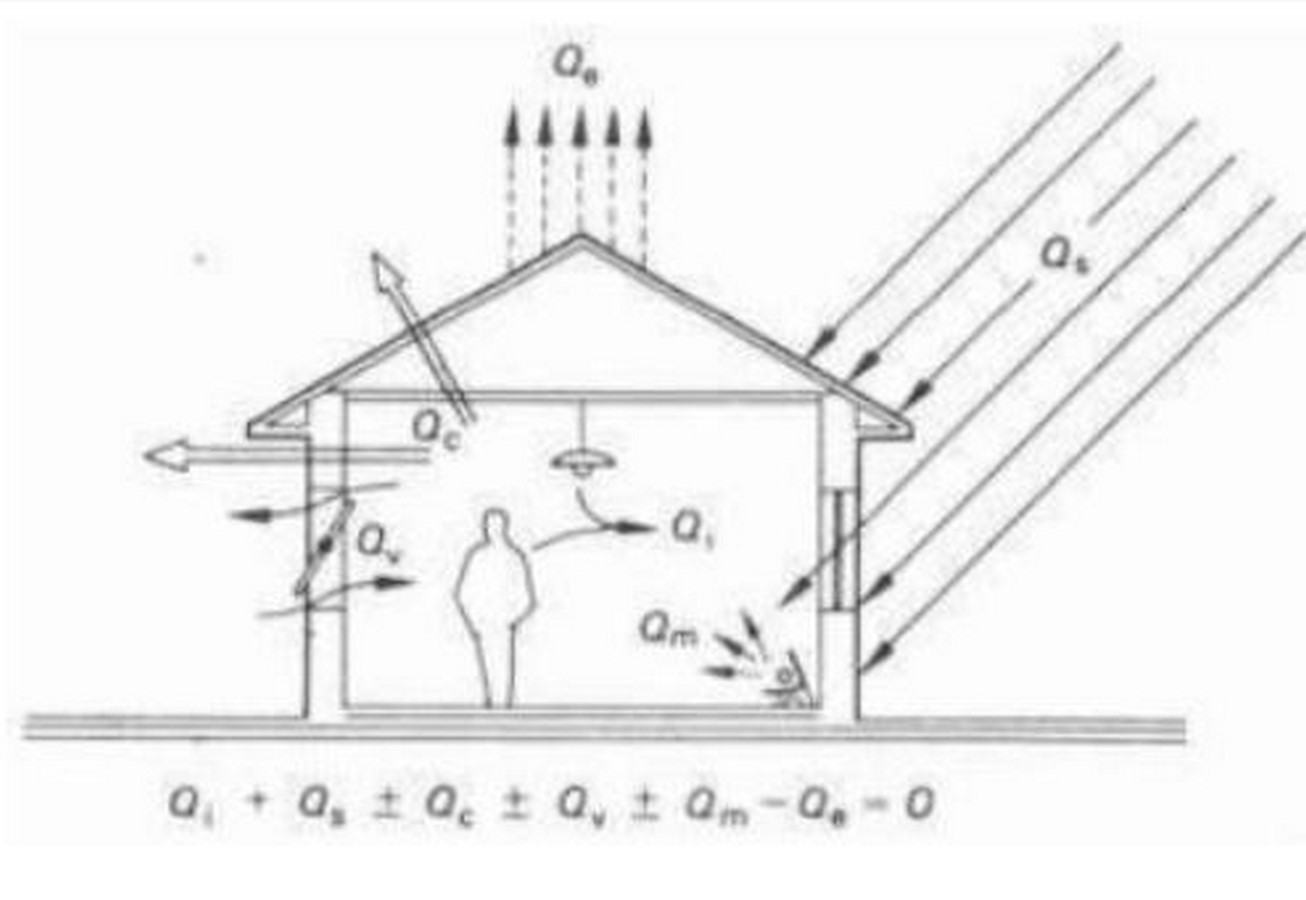
This section explains how heat flows through a building. Concepts such as heat transfer, thermal mass, and periodic heat flow are explained in relation to walls, roofs and materials.
Readers here can learn why some materials heat up quickly, why others remain cool, and how this can affect indoor comfort. This can help in making informed decisions about material selection and construction techniques.
Means of Thermal Control: Design Strategies for Comfort
Here, the book presents practical strategies to control heat, including:
- Mechanical control:
- Cooling by ventilation
- Evaporative cooling
- Dehumidification
- Structural controls:
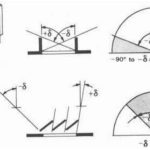
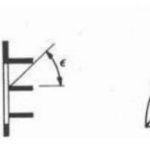
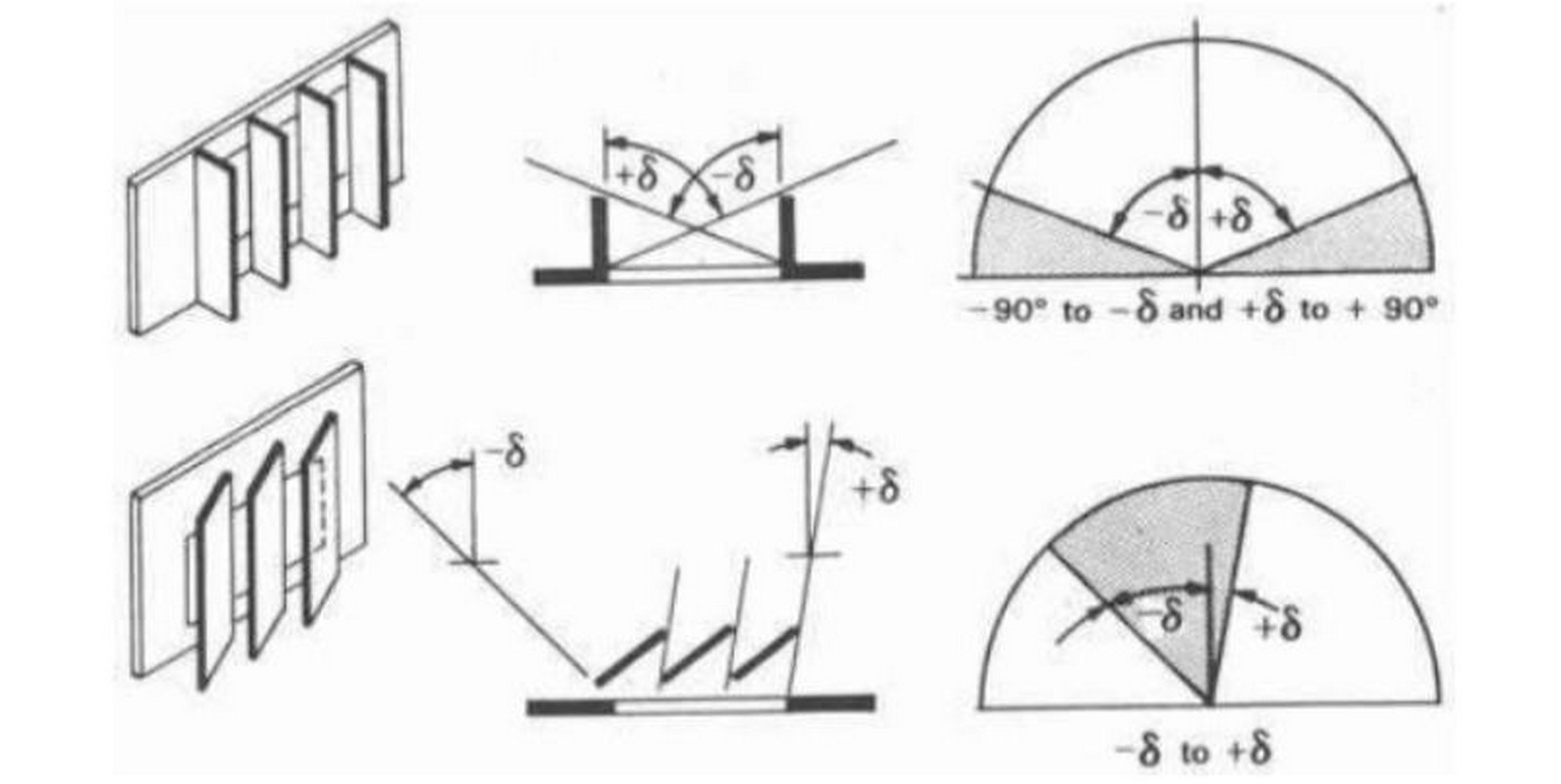
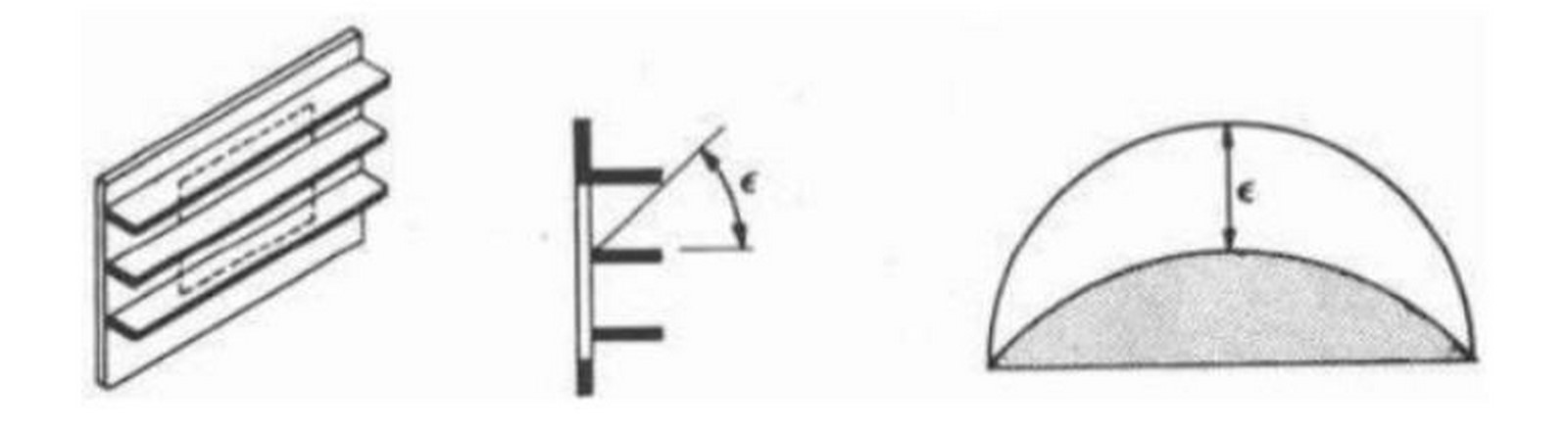
- Shading devices
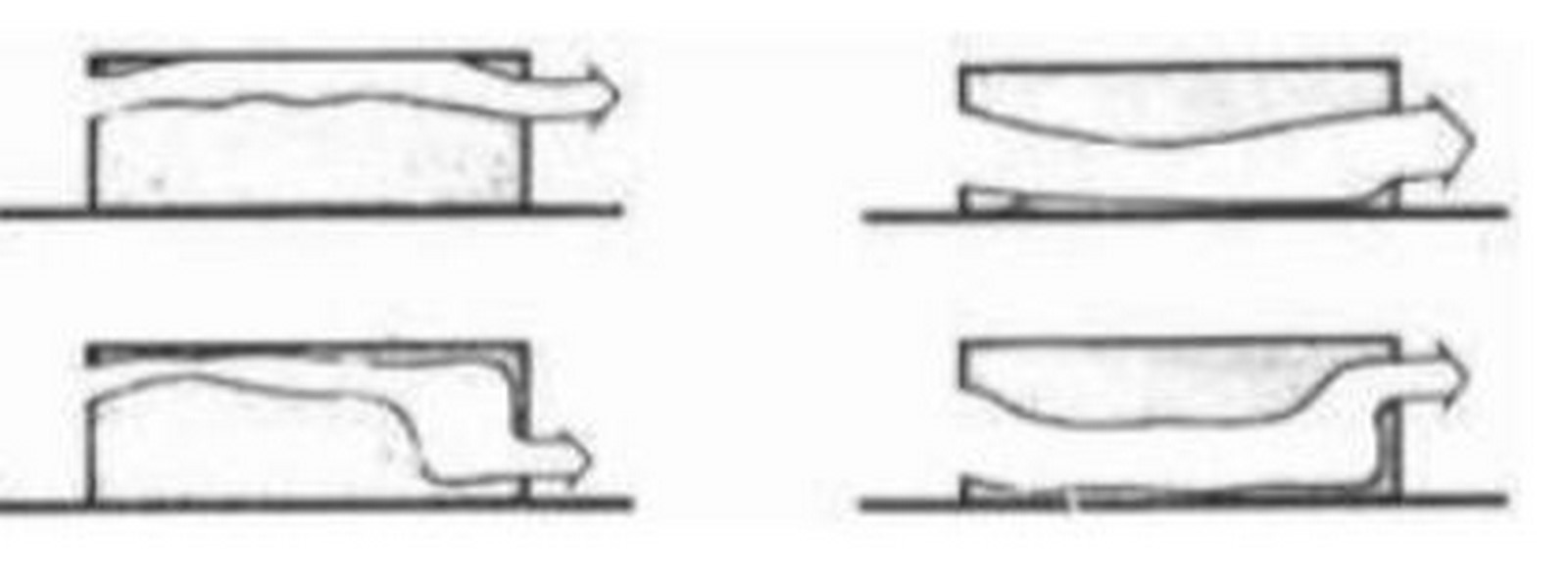
- Ventilation and air movement
- Convective cooling
- Stack effect
- Cross-ventilation
- Physiological cooling
- Controls of opening
- Humidity control
For readers, this reinforces the idea that architecture itself can create comfort.
Light and Lighting: Designing with Daylight
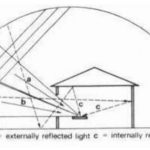
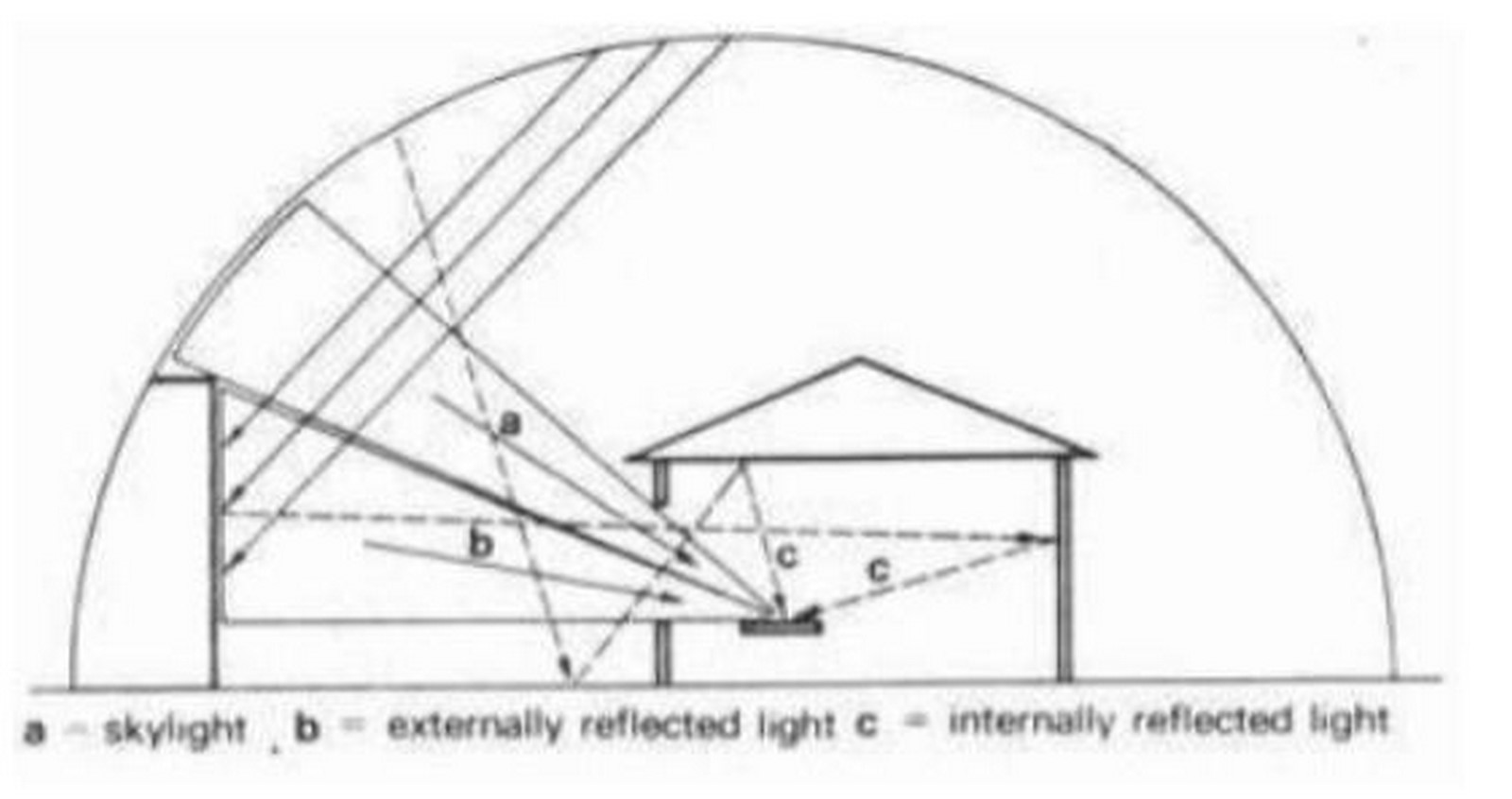
Lighting is discussed as a part of environmental design and not just as illumination. The book also talks about daylight principles and ways to predict the natural lighting levels inside a building. The reader can gain an understanding of the opening size, placement, and its shading influence on both light and heat. This is useful in designing spaces that are well-lit without heat gain.
Noise and Noise Control: An Often Overlooked Aspect
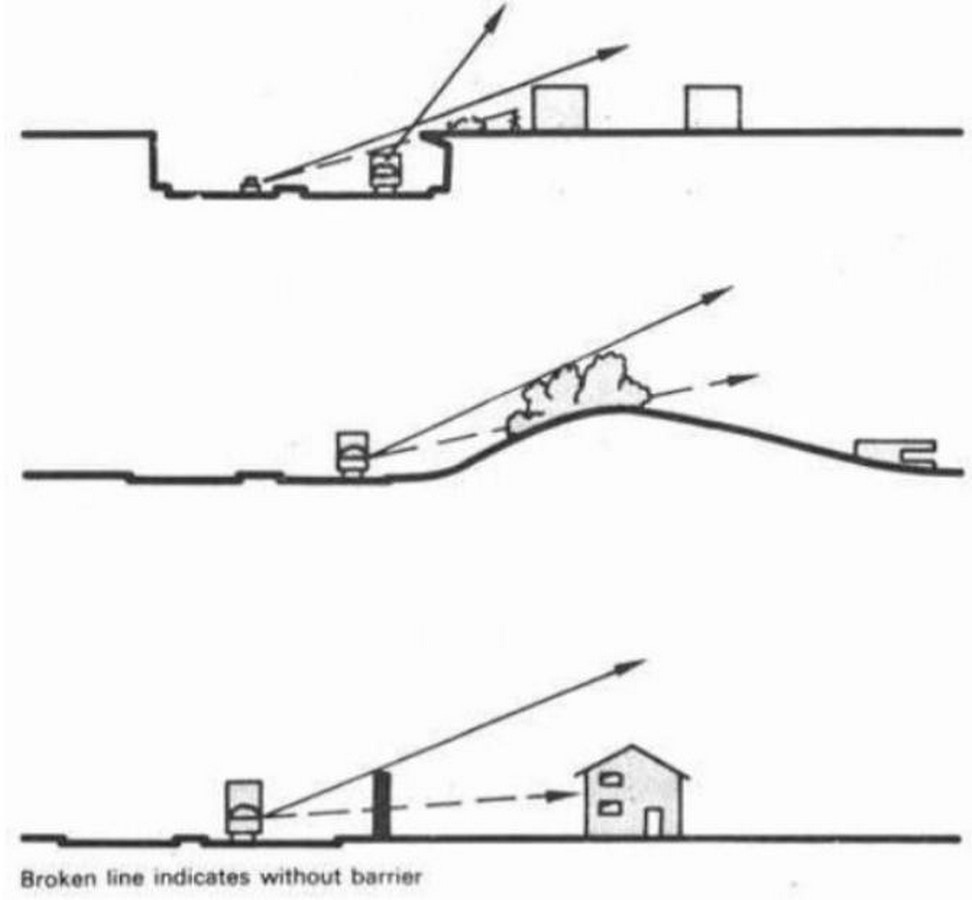
This section introduces sound as an environmental factor. It explains sound behaviour, noise problems in tropical regions, and methods to reduce unwanted noise.
For readers, this expands the idea of comfort beyond temperature and light to include acoustic comfort as well. It highlights how environmental design affects overall living quality.
Application: Design Responses for Different Tropical Climates
The most practical part of the book is where these principles are applied to different climates. Koenigsberger explains how design responses vary depending on environmental conditions:
- Hot-dry climates benefit from thermal mass and compact forms.
- Warm-humid climates require maximum ventilation.
- Composite climates require seasonal adaptability.
- Upland climates respond to cooler temperatures.
For readers, this makes the knowledge directly usable.
Design Aids: Applying Knowledge to the Design Process
The final section focuses on using climate knowledge during actual design stages.
It explains how climate considerations influence:
- Forward analysis stage
- Plan development stage
- Element design stage
- Models and analogues
This helps readers understand how environmental thinking becomes part of the design workflow. It bridges the gap between theory and practice.
What Readers Can Take Away from the Book
The greatest strength of this manual is its clarity. It does not assume advanced technical knowledge, yet it understandably introduces scientific concepts.
Readers gain:
- A framework for climate-responsive design
- Understanding of thermal comfort
- Practical design strategies
- Ability to analyse buildings environmentally
More importantly, the book changes the way architecture is approached. It encourages observation, analysis, and response rather than imitation.
Relevance in Contemporary Practice
Contemporary practices today discuss sustainability in terms of technology, solar panels, air conditioning efficiency, and smart systems. While the book reminds us that the most effective solutions often begin at the design stage, it also aligns with the contemporary discussions on passive design, environmental sustainability and climate-responsive architecture.
By providing foundational knowledge to the readers, it encourages strengthening design thinking.
A Manual That Teaches How to Think
Manual of Tropical Housing and Building provides you with methods of understanding the climate, comfort and translating these environmental conditions into design decisions.
The book is an essential reading for architecture students and practitioners working in tropical regions, which builds awareness of the relationship between buildings, climate and people, which is often overlooked in most contemporary practice.
The book provides principles and tools to think and make decisions rather than offering trends, and that is precisely why it continues to remain relevant.
References:
Koenigsberger, O.H., Ingersoll, T.G., Mayhew, A. and Szokolay, S.V. (1973) Manual of Tropical Housing and Building: Climatic Design. Hyderabad: Universities Press (India) Private Limited. Available at: https://books.google.co.in/books?id=Z5ufmZY7ackC&pg=PA61 (Accessed: 23 February 2026).
Koenigsberger, O.H., Ingersoll, T.G., Mayhew, A. and Szokolay, S.V. (2013) Manual of Tropical Housing and Building: Climatic Design. Available at: https://www.academia.edu/30105808/Manualoftropicalhousing_koenigsberger_150824122547_lva1_app (Accessed: 23 February 2026).