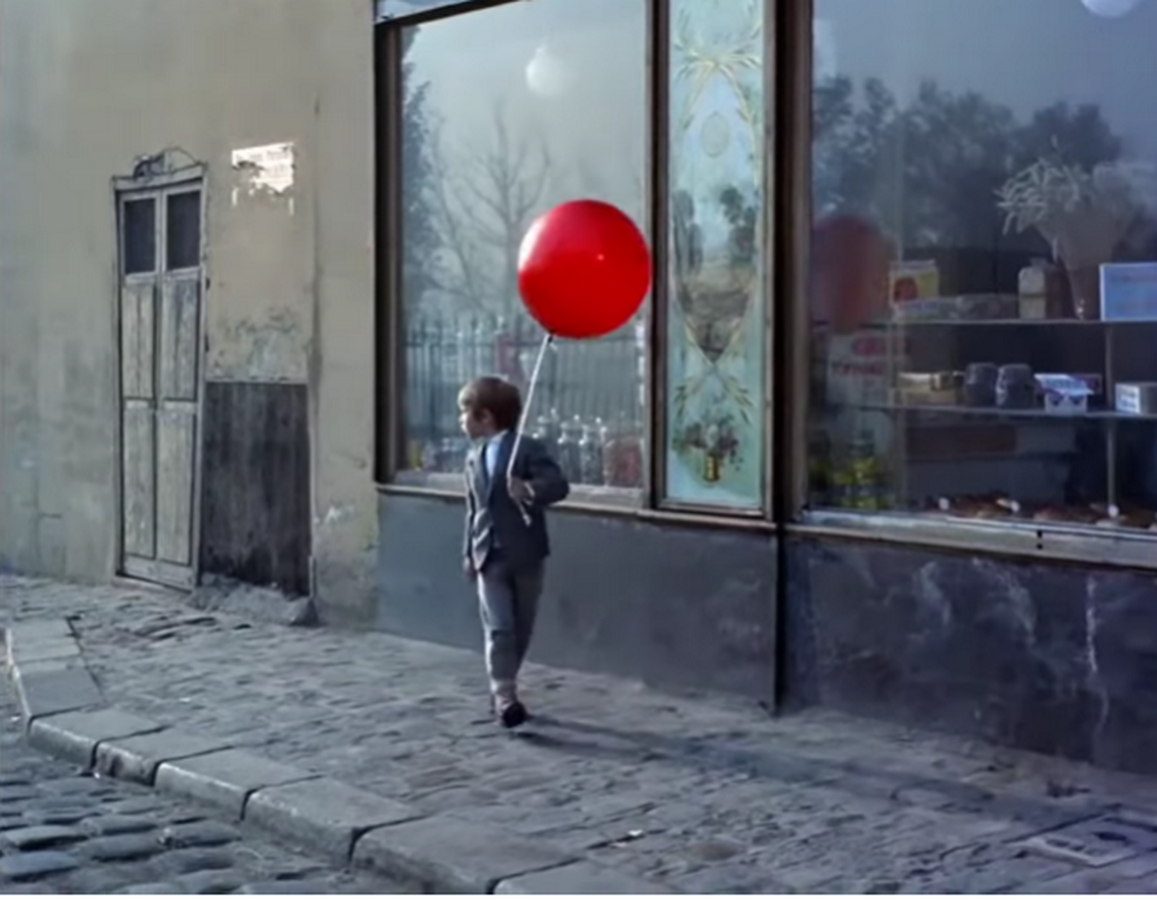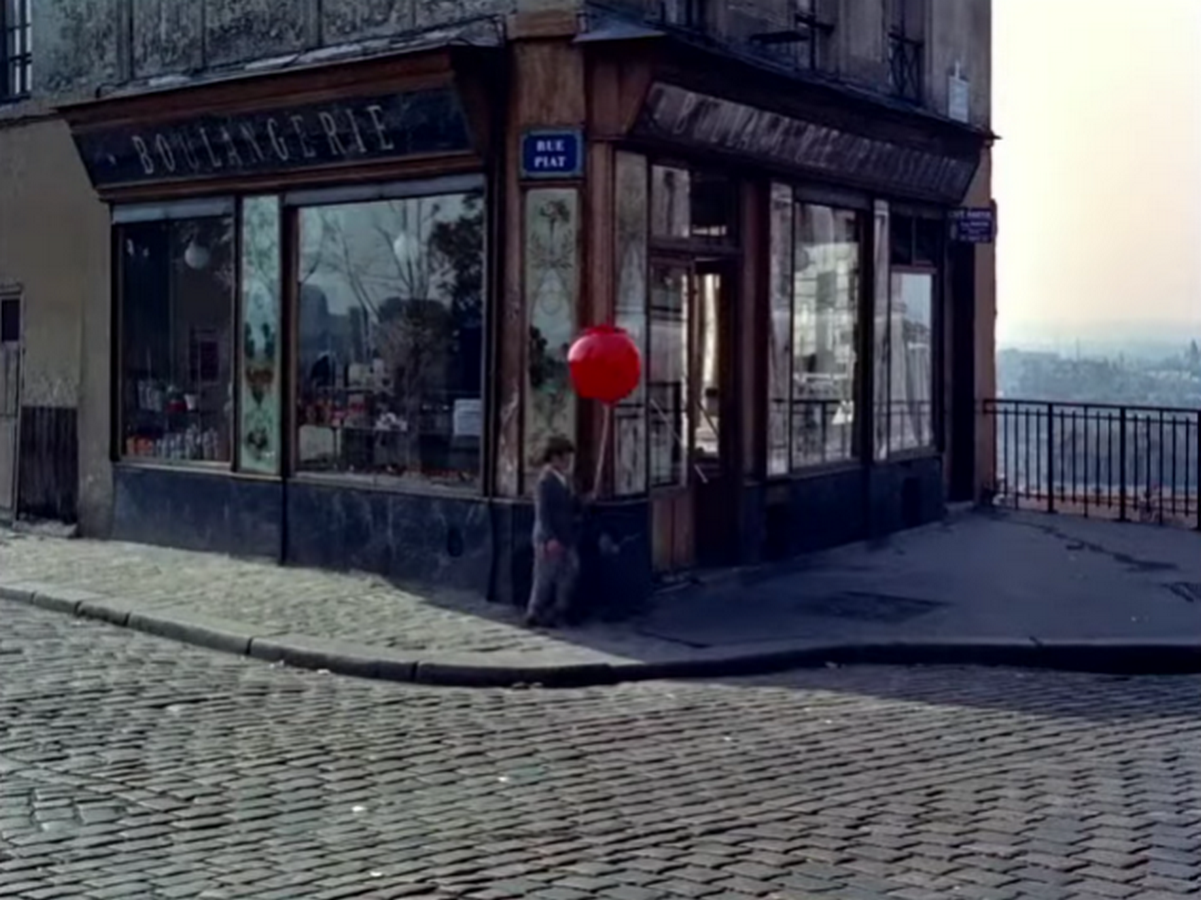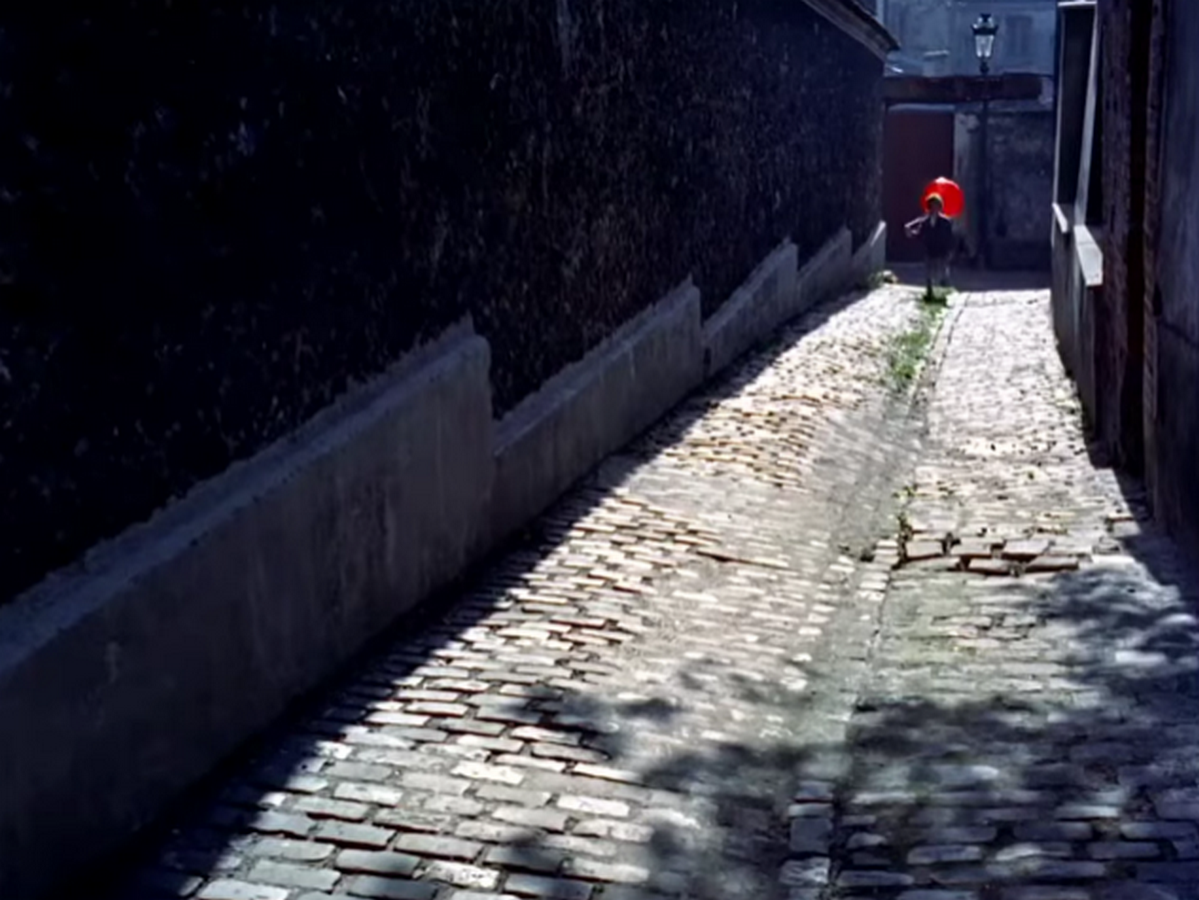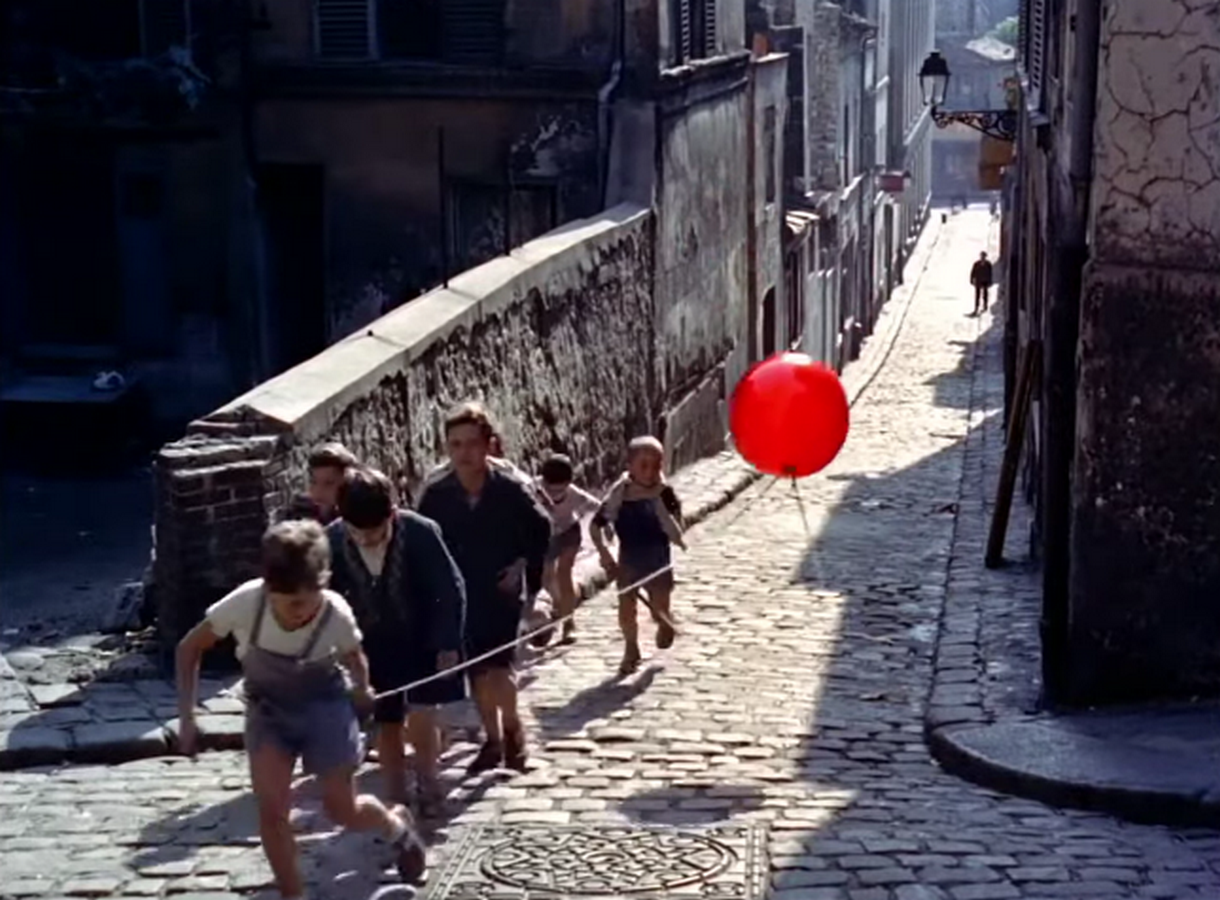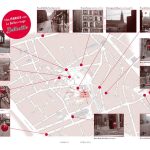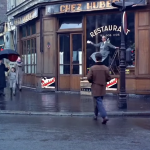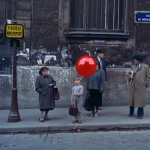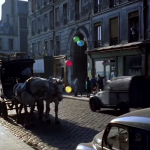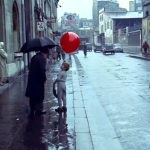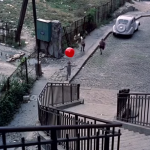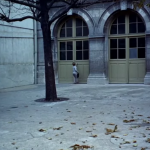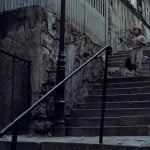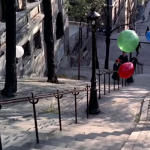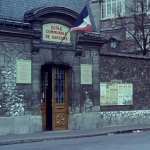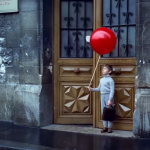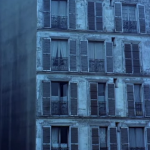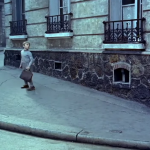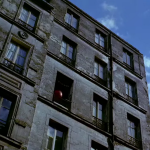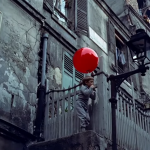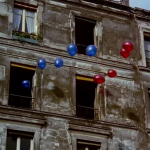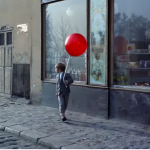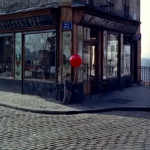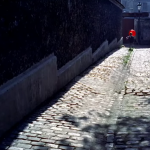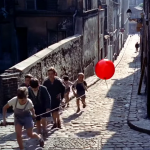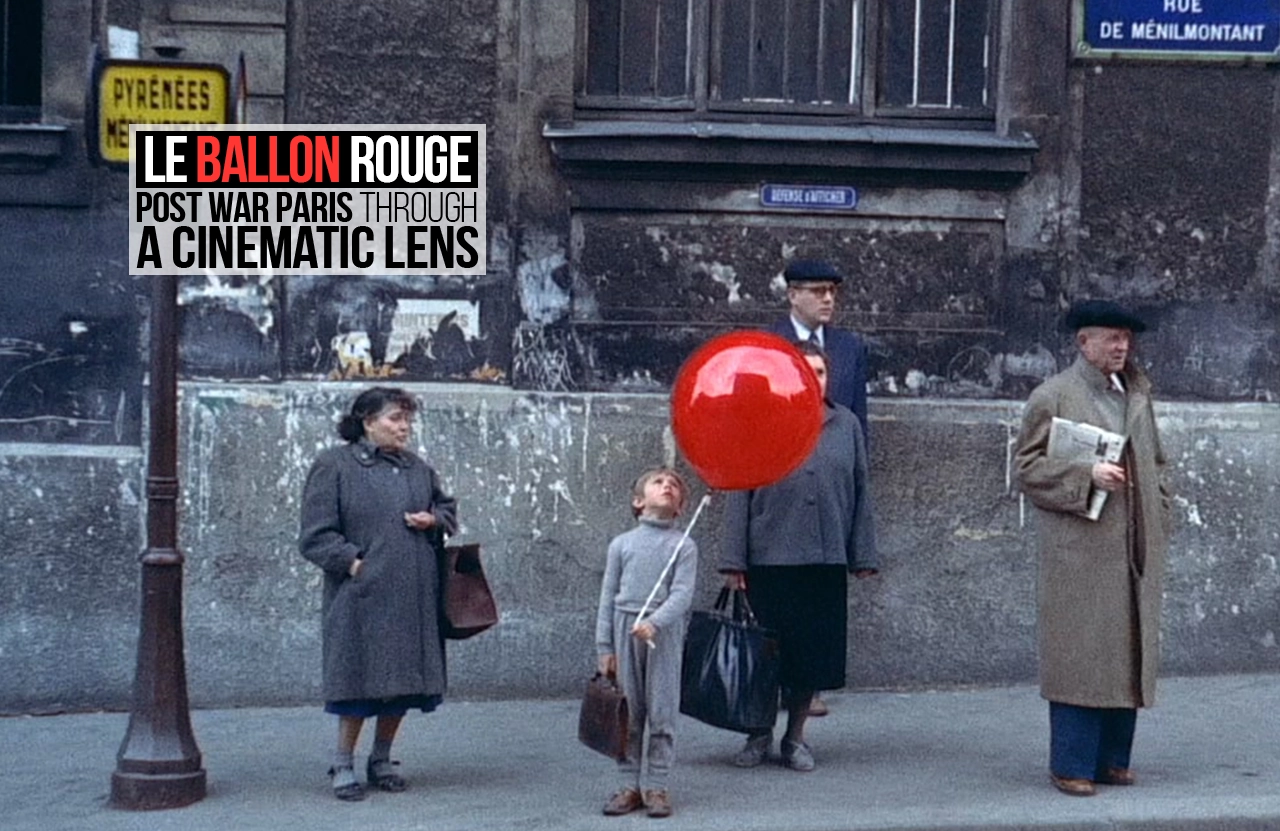
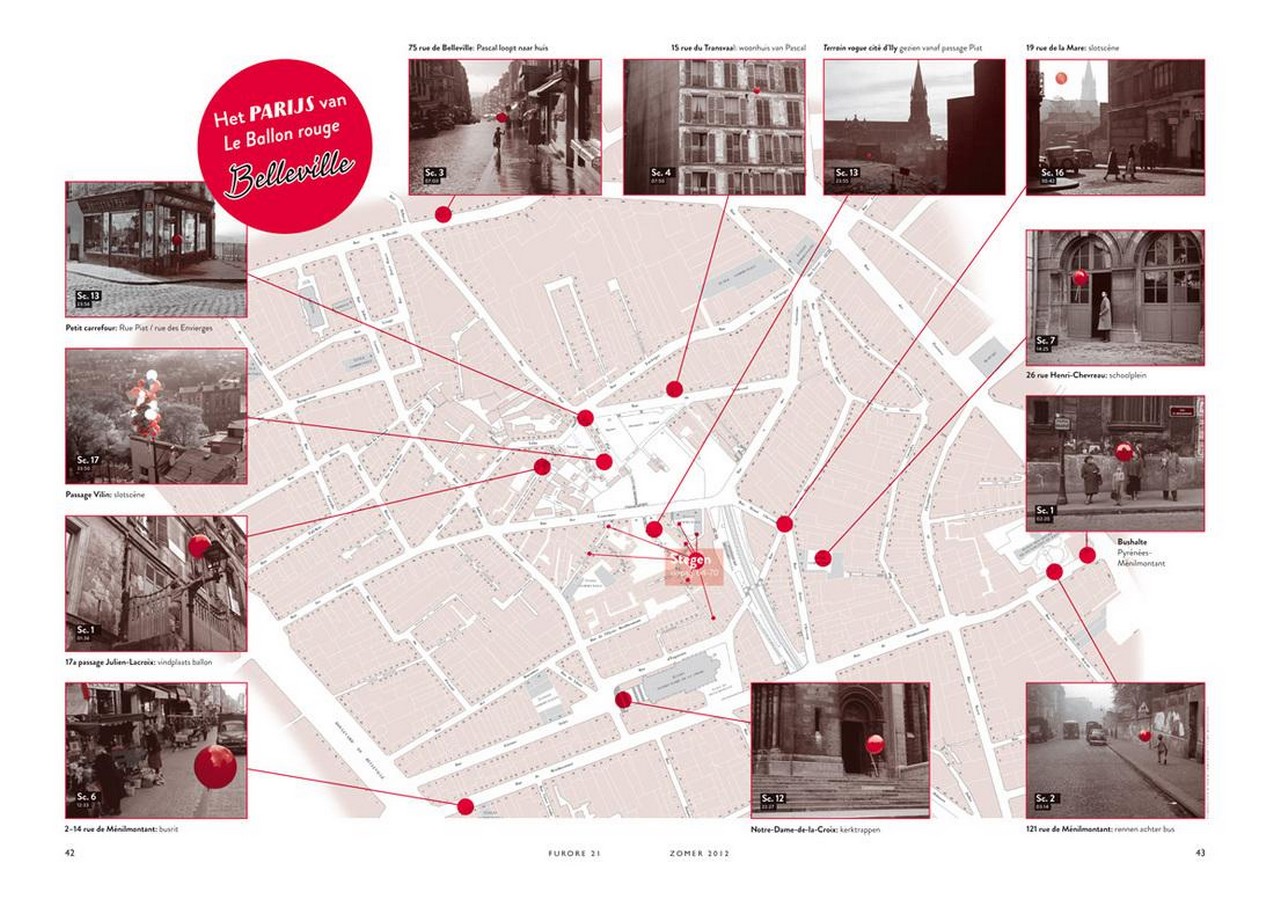
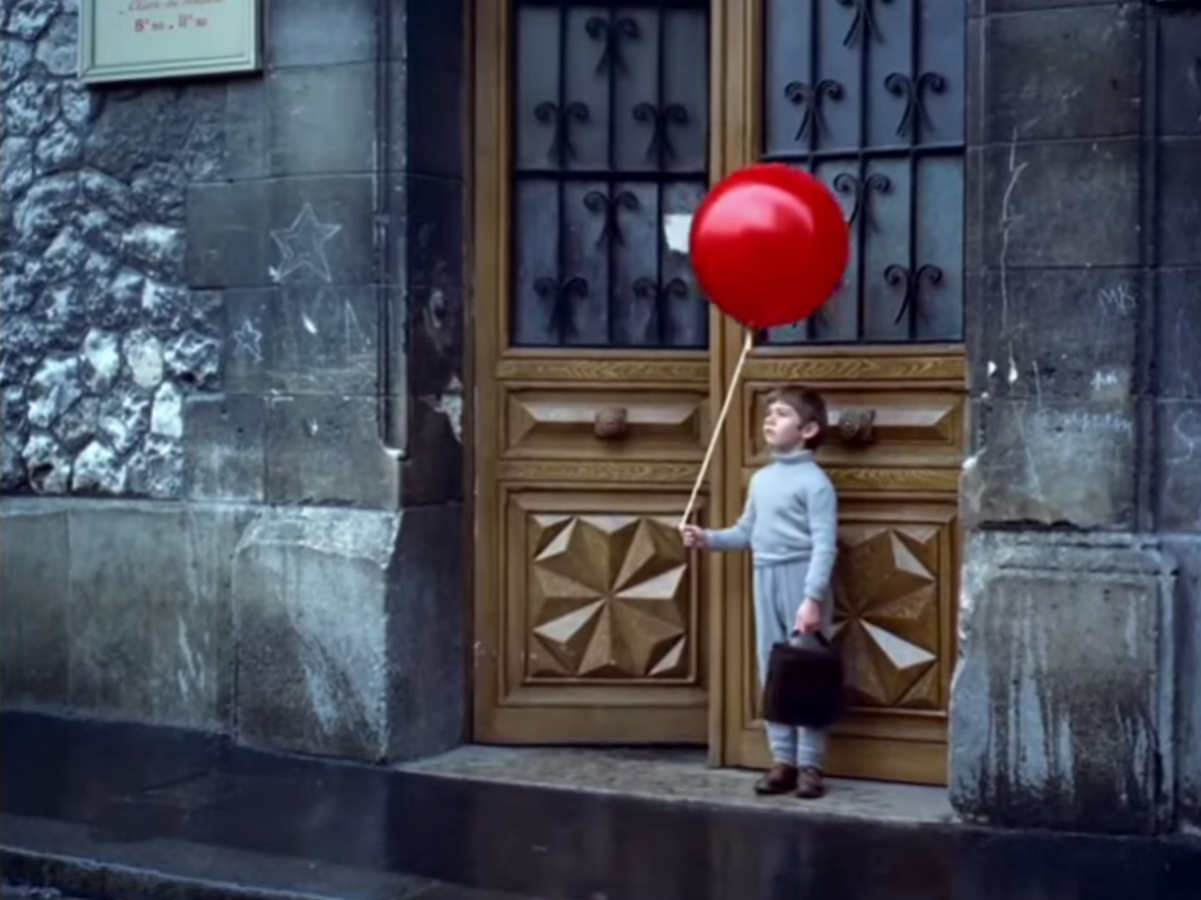
Le Ballon Rouge (The Red Balloon) is an Academy Award-winning French film from 1956, produced and directed by Albert Lamorisse. The film, often revered as a fantasy-comedy children’s story, is also a spatial documentary of post-war Paris, before high-rises took over the urban fabric. This 34-minute-long cinematic masterpiece heavily relies upon visual cues, engaging BGM and next to no dialogue. Starring the producer’s son as a young Parisian boy, Pascal, who befriends a sentient red balloon and takes us through an adventure in urban Paris of the 1950s. With negligible dialogue, the film allows the city itself to shape the narrative. The film is set in the working-class, historic, Parisian neighbourhoods of Belleville and Ménilmontant – beautifully capturing the intimate urban environment, rugged textures and deeply “lived-in” apartments. Through an architect’s eyes, the built environment captured in this short film is not just a passive backdrop; it actively guides emotions, movement, and perception. The narrow streets, withered staircases, old apartments showing peeled plaster and bricks beneath, the tight-knit courtyards (ones that have almost vanished from Paris today) and the detailed façades, all become silent participants in daily life in 1950s Paris.
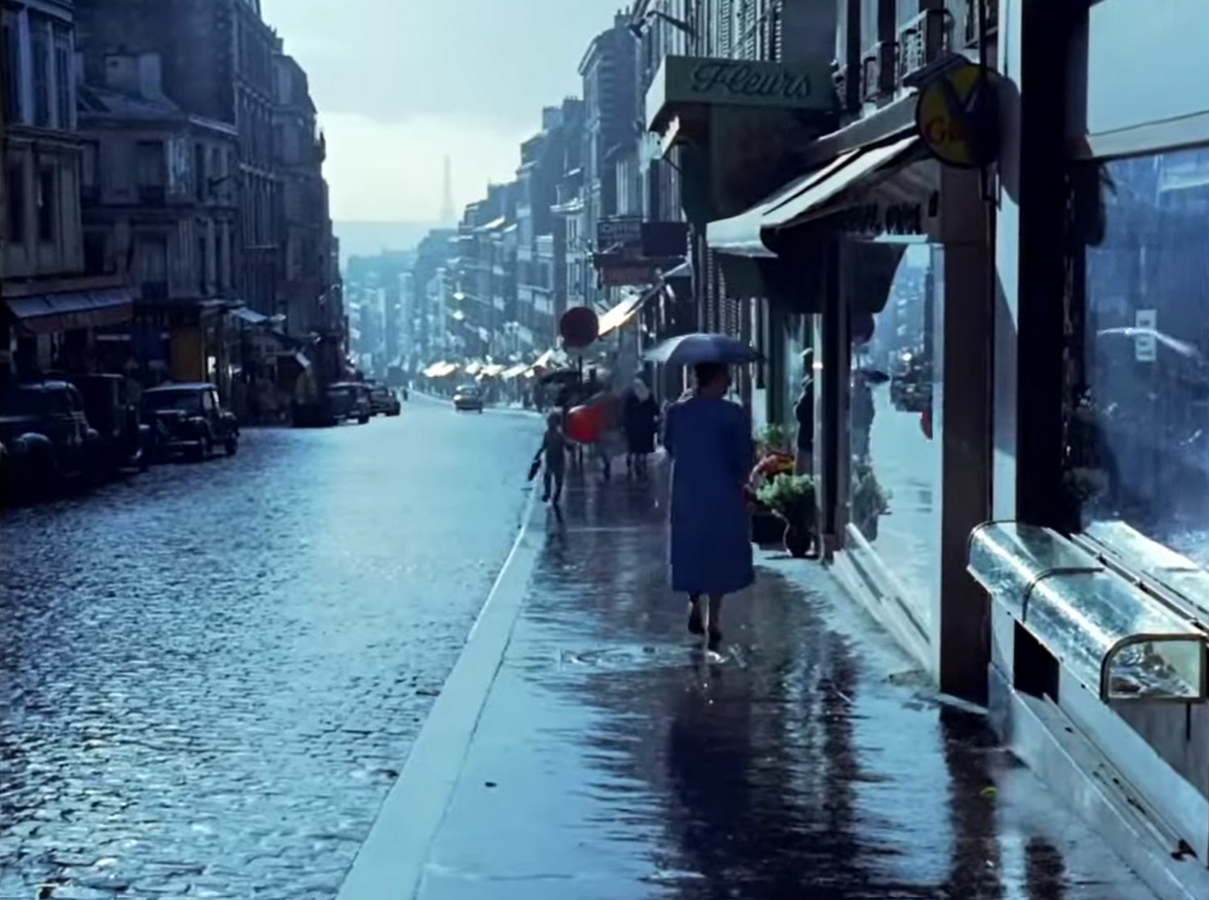
The Human-Scaled, Pre-Modern Paris
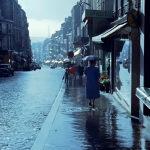
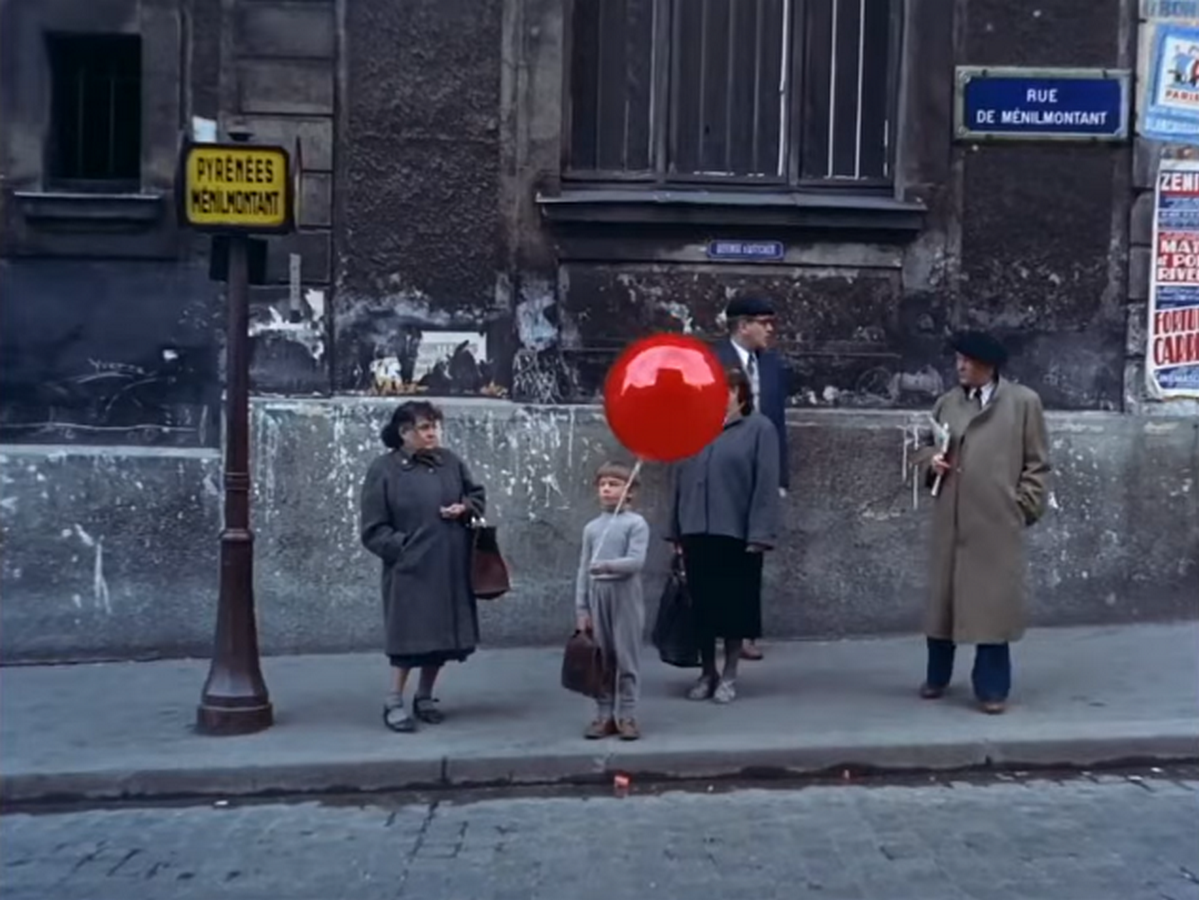
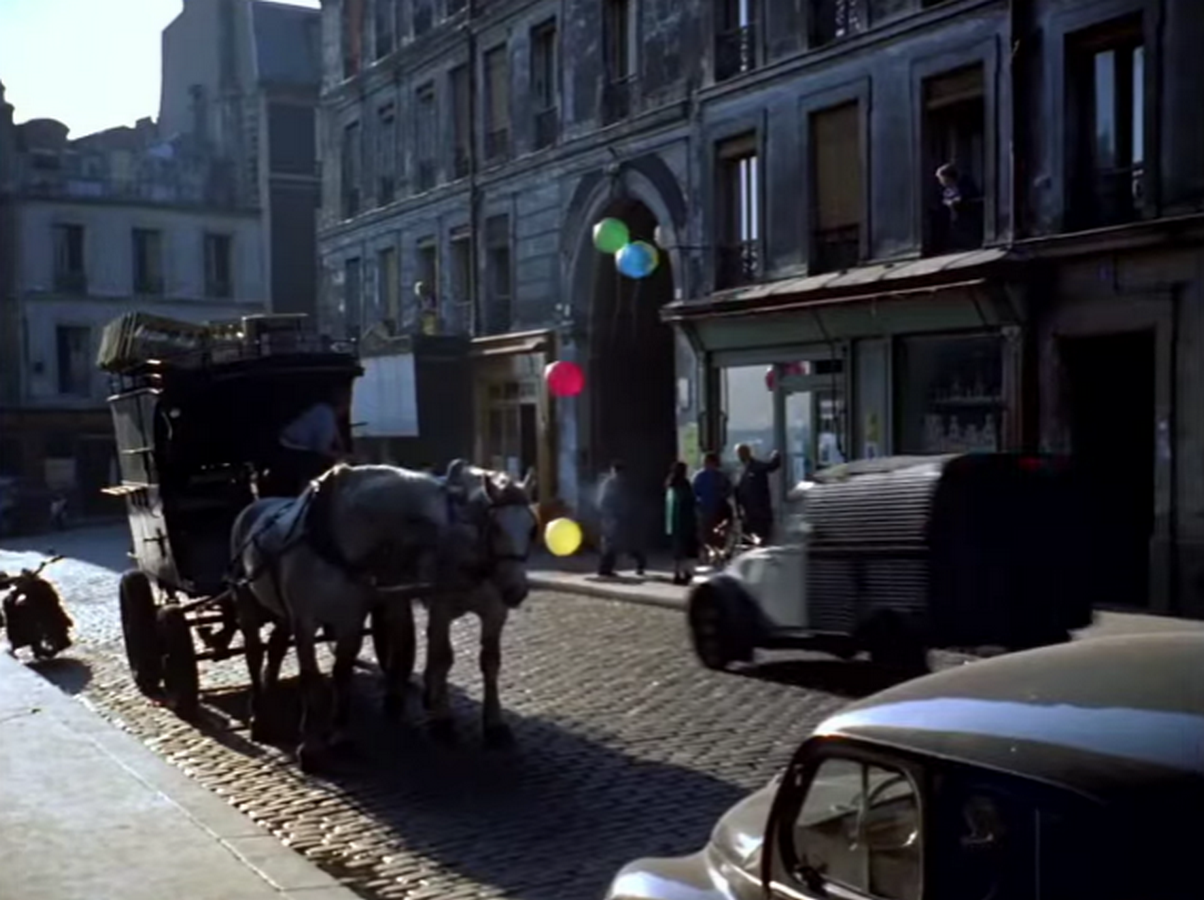
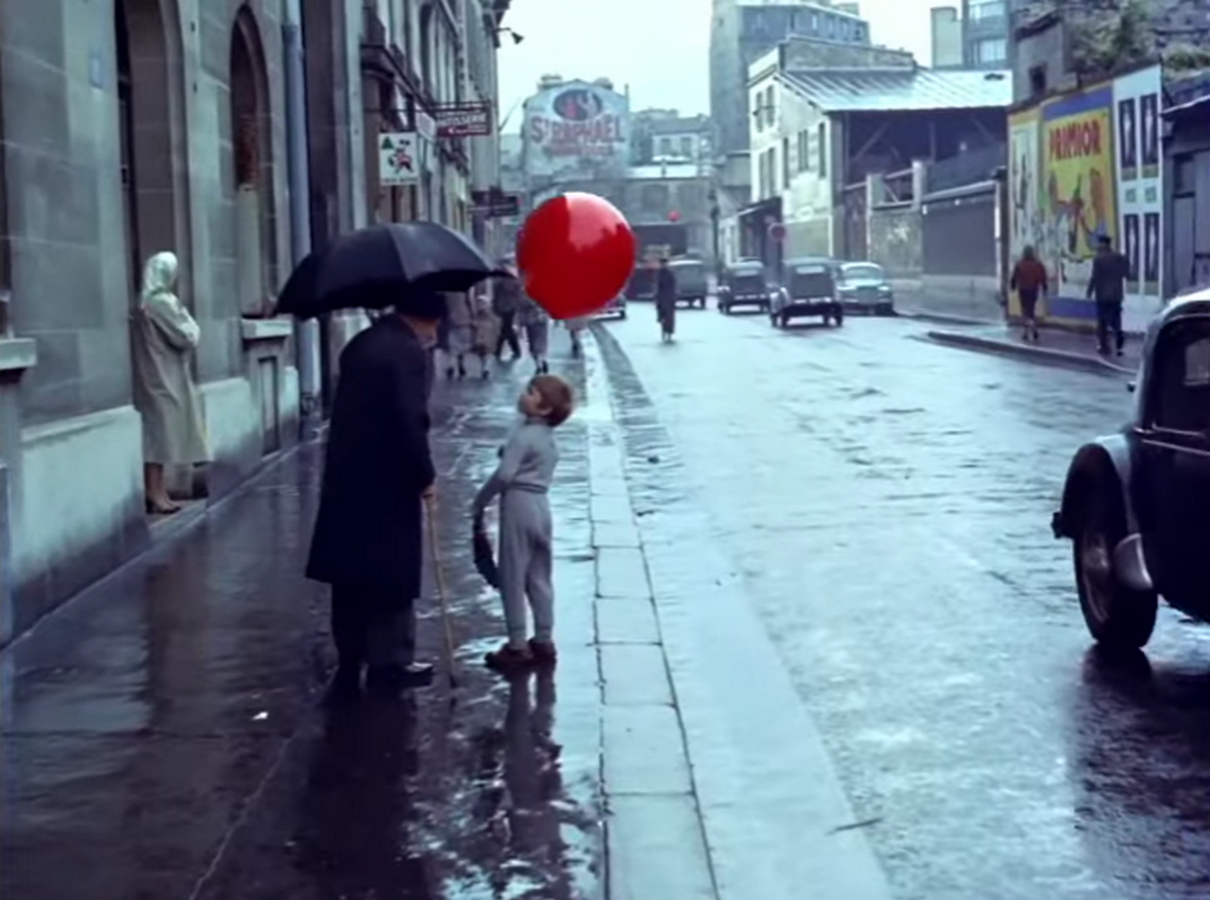
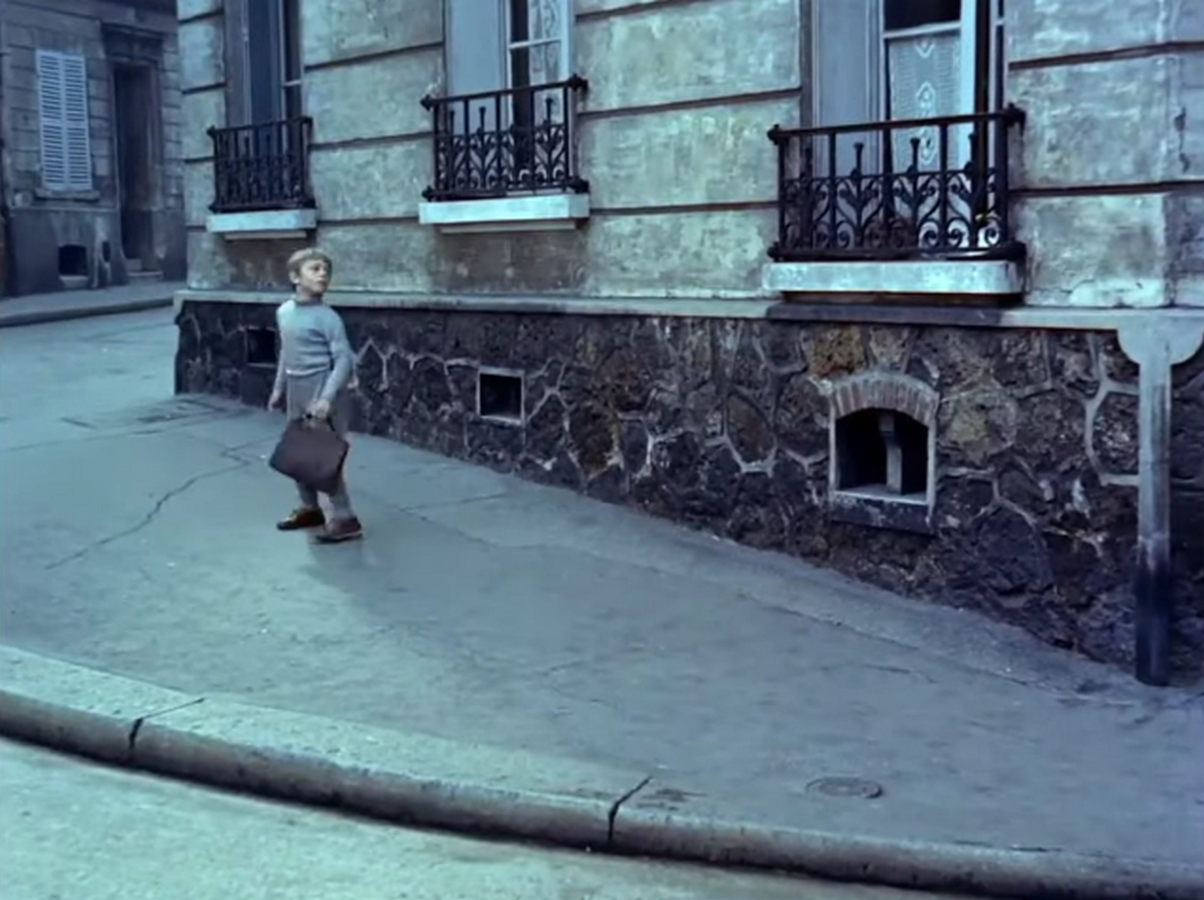
The film depicts Paris emerging out of World War II (1939-1945) and the German Occupation of France (1940-1944). The economic and occupational strain was evident through the infrastructure, especially of working-class neighbourhoods like Belleville and Ménilmontant, which had not yet undergone the wave of urban redevelopment of the 1960s and 70s. This Paris is very different from the monumental Paris we know now, with grand boulevards and formal avenues. Instead, the audience is met with narrow streets, tightly-knit building clusters and modest low-rise apartment buildings that accommodate small shops on the ground floors. The buildings are so tightly packed, and the streets so slender, that the viewer feels cosy yet suffocated at times. 10-11 years after WW II, when this film is set, many areas still showed austerity in building materials and maintenance, evident from weathered façades & minimal renovation. The streets are slim due to limited modernisation and fewer automobiles. The dense, clustered houses are seen as souvenirs of bygone centuries, and there is a hint of a pre-modern urban grain that would later be partially demolished to set the foundation of modern Paris. Combined with historic layers, the environment appears ‘lived-in’, cosy and organic, reflecting a city shaped by needs and not grandeur.
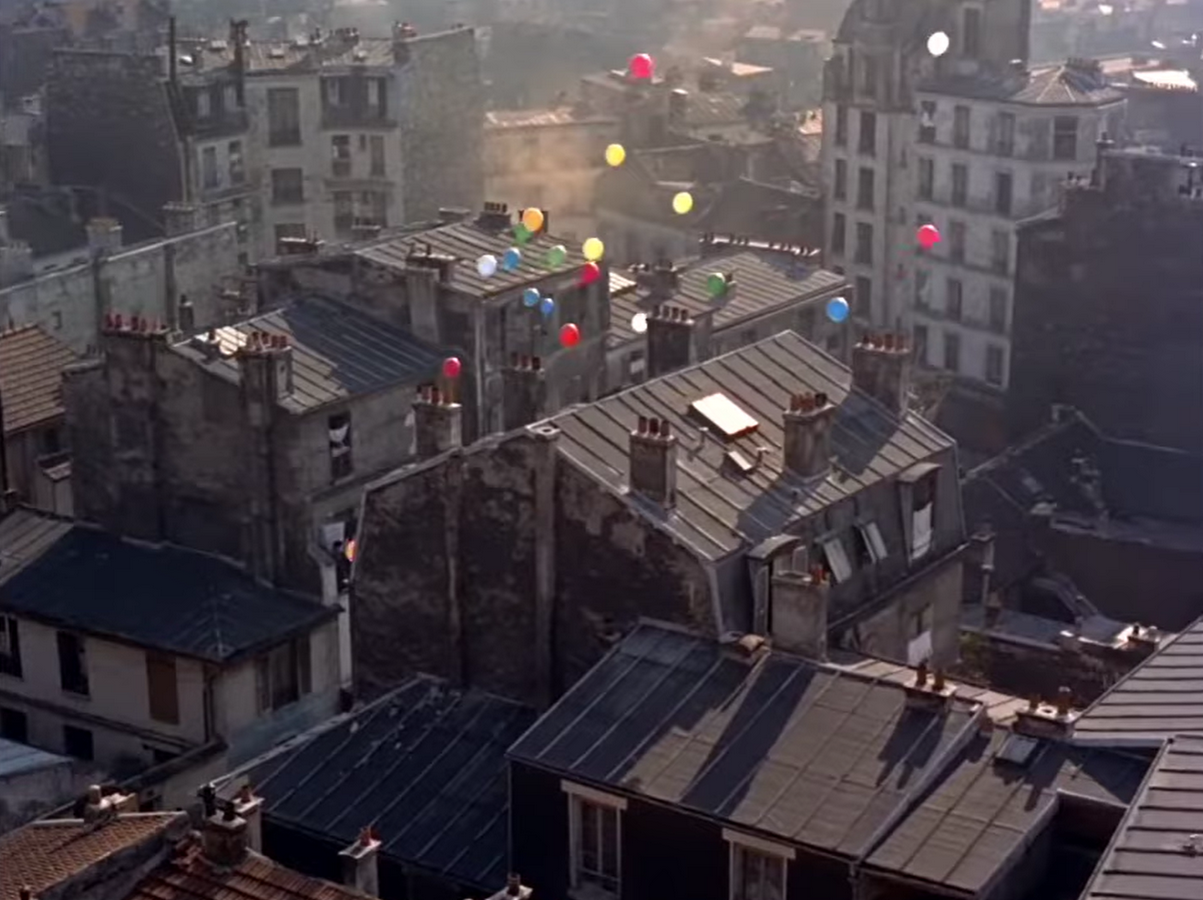
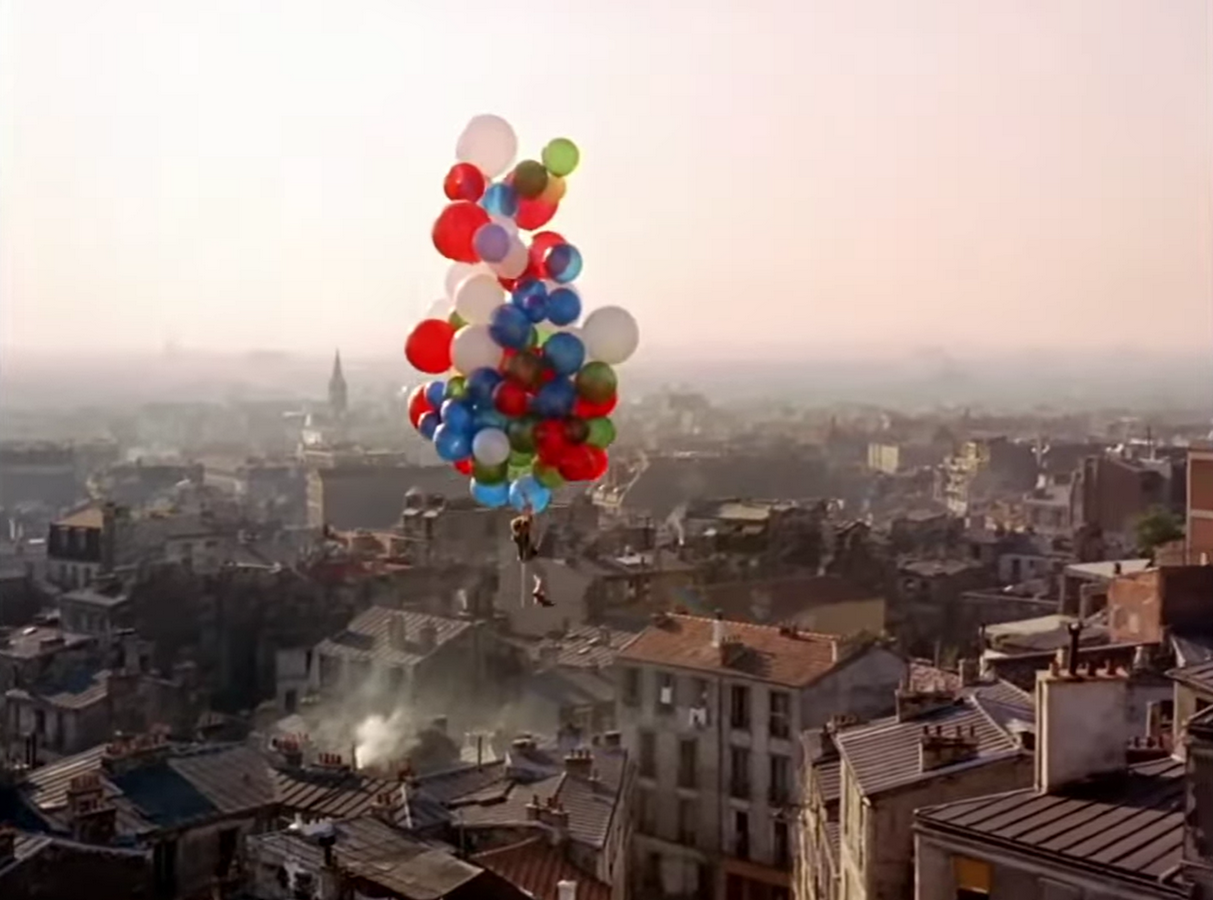
A Dynamic Parisian Street Life
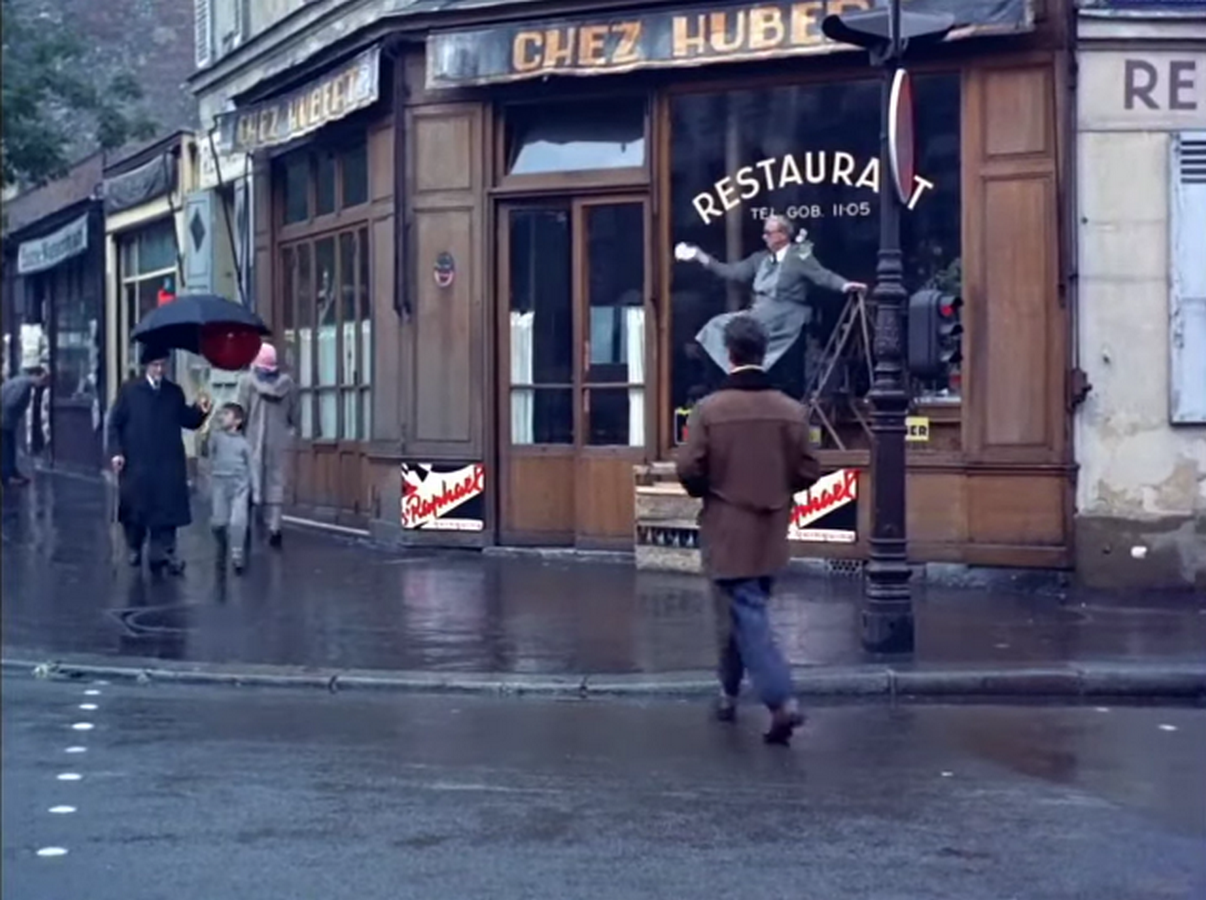
The movie follows Pascal through various streets in the two historic districts. Across all the frames, it is remarkable how the streets function more as an extension of 1950s Parisians’ domestic and social life and less as mere transportation corridors. Children play, gather, run, and move freely through these winding streets; adults nonchalantly gossip, mingle, socialise, and read newspapers along the sides of these streets, indicating minimal vehicular dominance and a slower urban rhythm. The edges of the streets are porous, with inviting façades, beautiful doorways, snug shopfronts and stair entrances, blending the public and private realms seamlessly. This informal design encourages casual chit-chats and passive surveillance. The more recent concept of a 15-minute walkable city is actually realised in this classical film. The streets feel safe, communal, and emotionally grounding, where movement is unhurried, and the built environment supports everyday human presence rather than regulating it. The urban infrastructure is also relevant to a child’s scale, as giant, inanimate façades are missing from the streets.
Courtyards and Staircases – the artistic transitional Thresholds
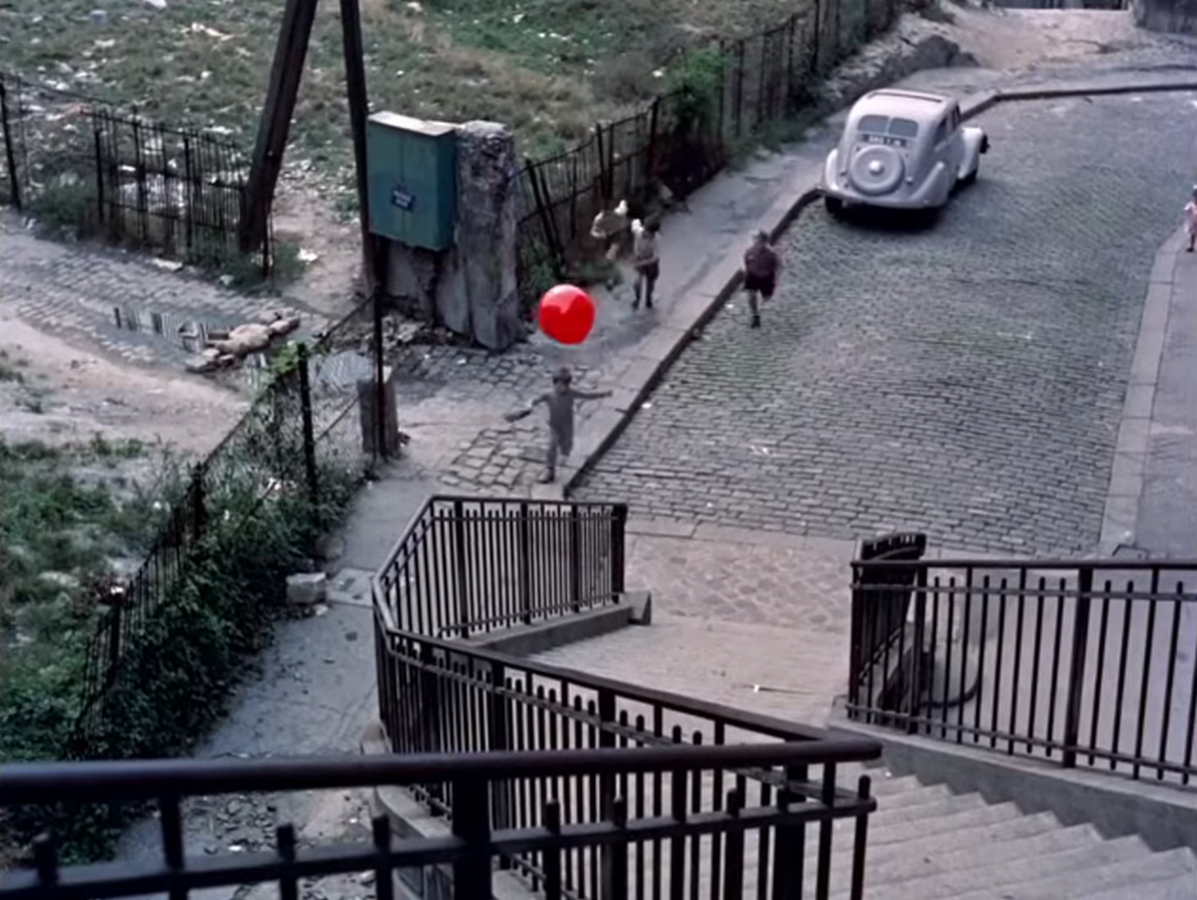
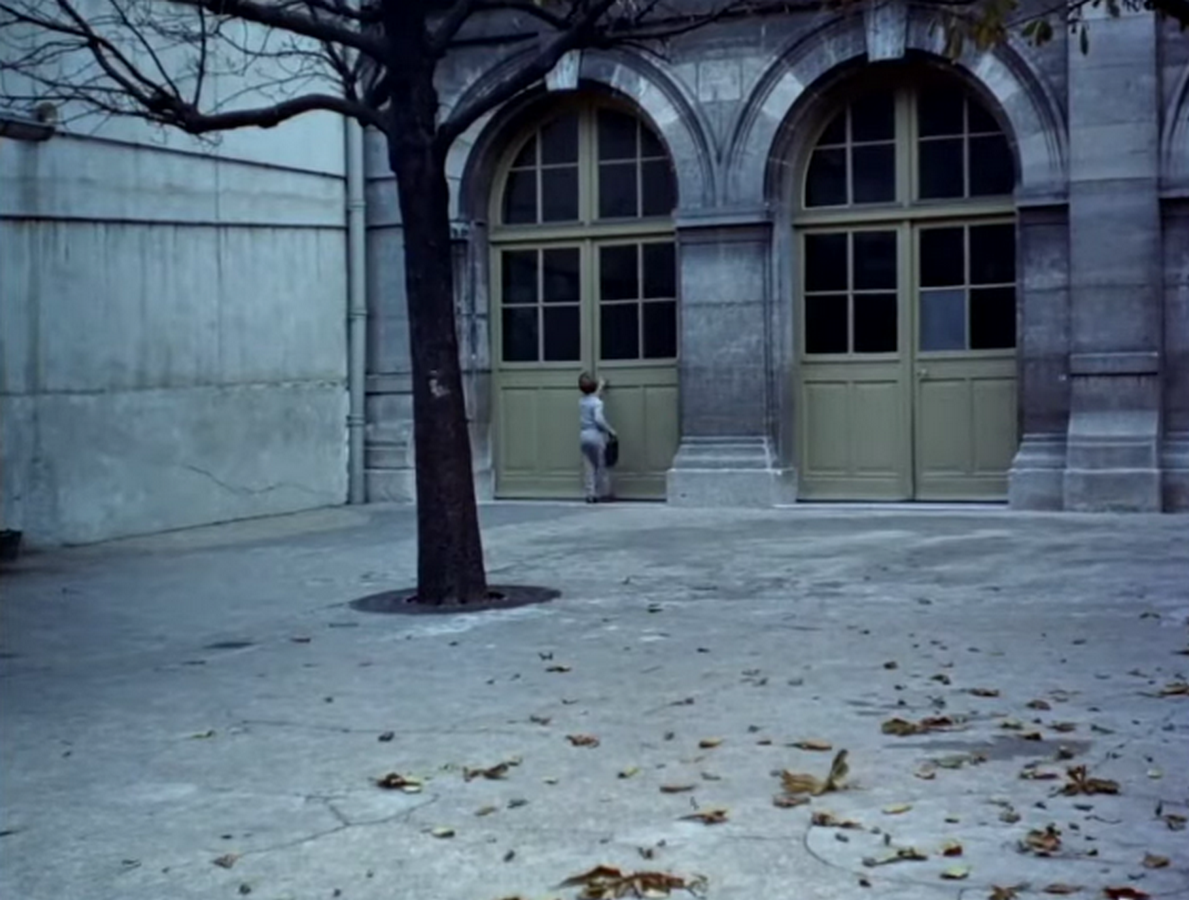
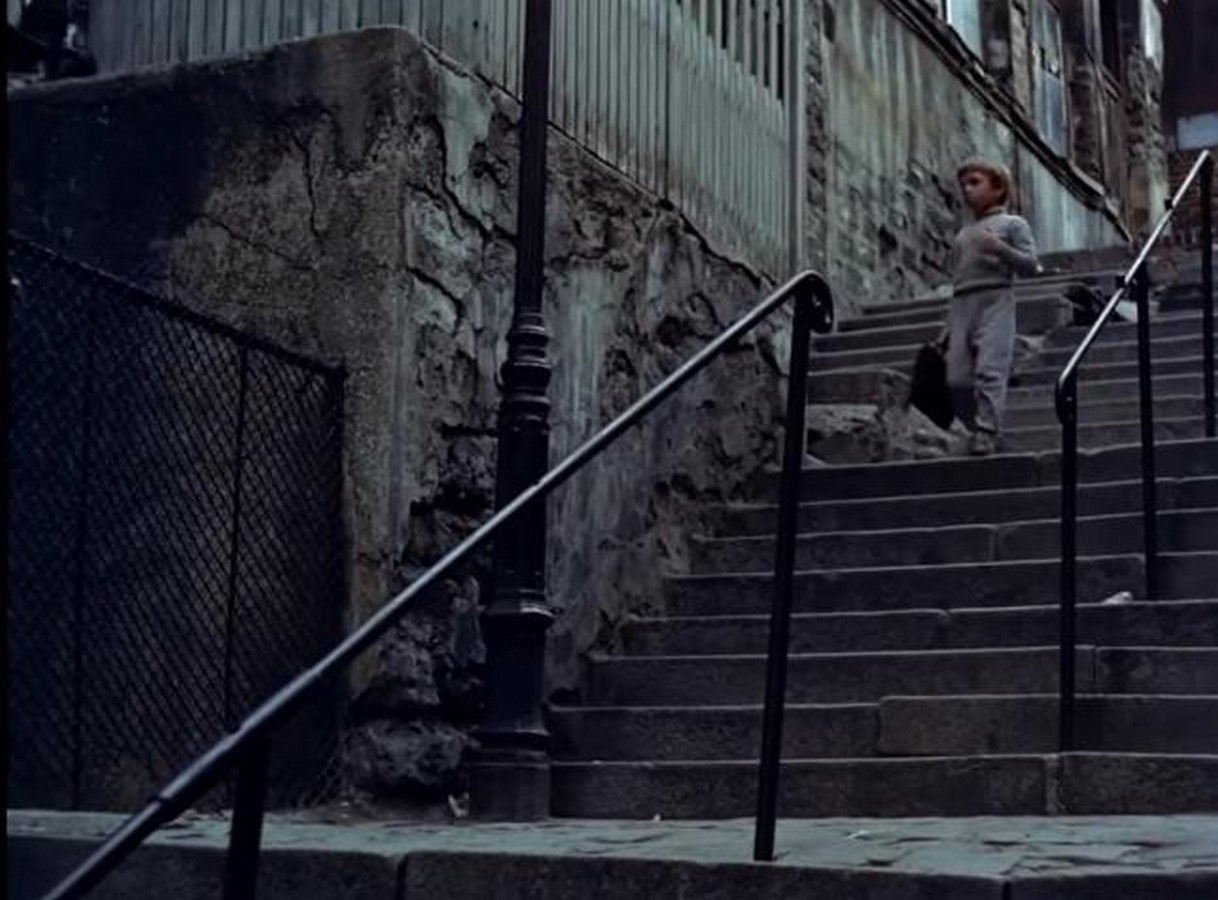
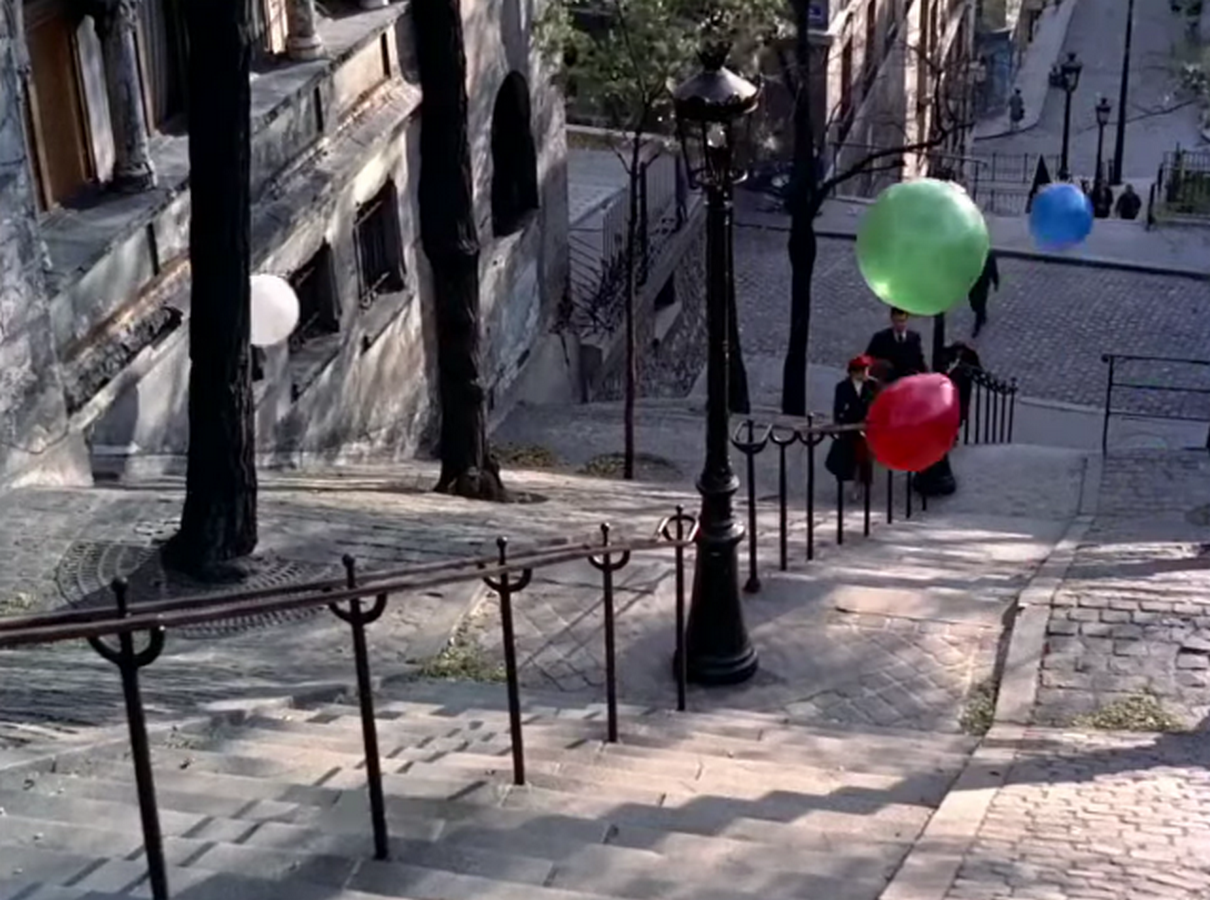
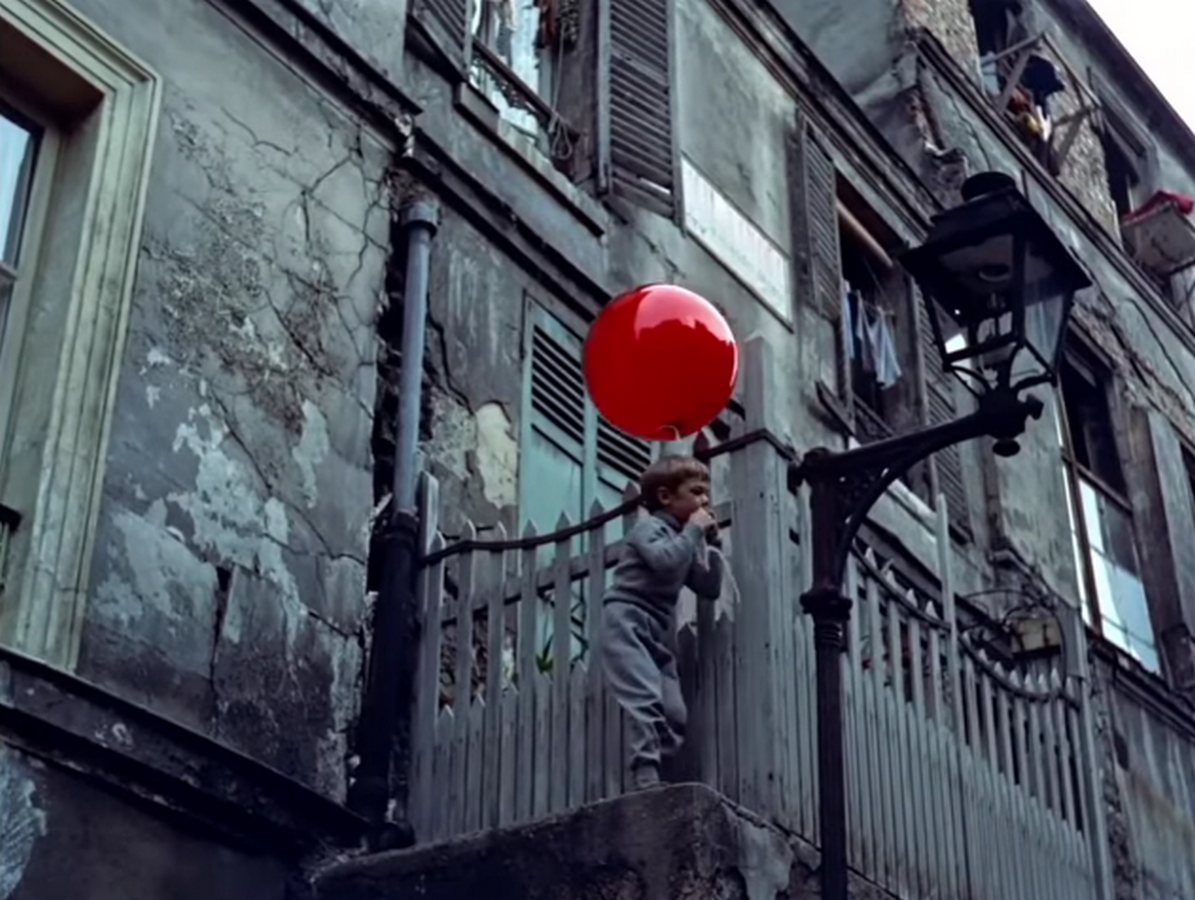
One of the most striking spatial qualities captured by the film is the layering of thresholds, where the streets open up to courtyards, the courtyards open up to staircases, and the staircases lead to the interiors. The semi-private courtyards are not just a climatic buffer for hot Parisian summers, but also micro-centres for interactions with neighbours, offering daylight, ventilation and even surveillance opportunities for guardians of naughty children like Pascal! Beautifully designed external staircases and landings become grounds of observation for the city levels below and for informal gatherings. These transitional zones enrich the spatial narrative far more than large formal plazas, subtly reinforcing a sense of community. On a human level, these transitional spaces feel intimate, welcoming and vigilant, while architecturally, they speak the language of hierarchy defining and differentiating public and private spaces.
Architectural Patina and Material Textures
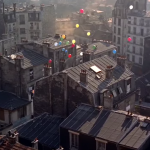
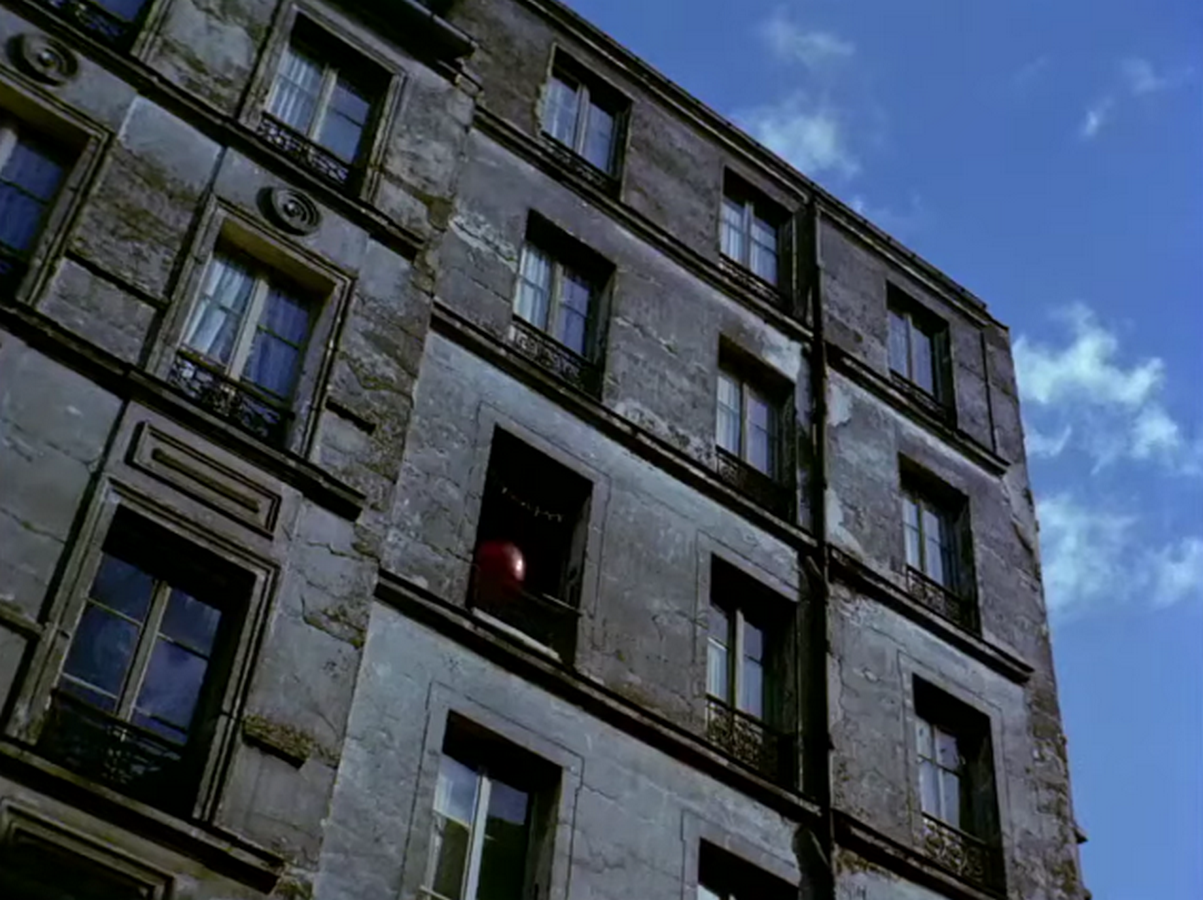
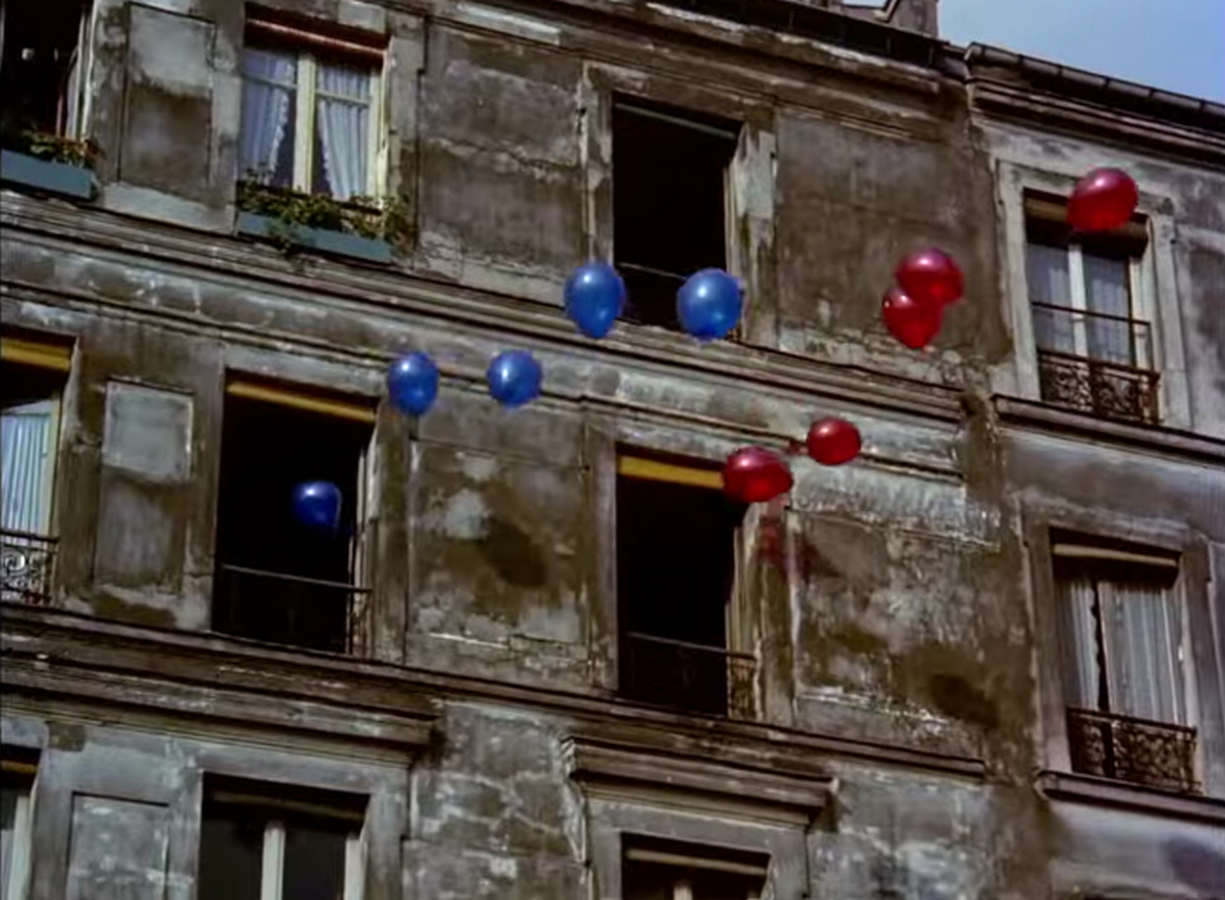
The movie emphasises on a tactile architectural palette that includes worn-out plaster on buildings, brick façades, stone walls and a wide range of beautifully designed and colourful doors, windows and balconies. A sight to behold is the visible patina on the building surfaces, inculcating an old-world charm, reminding the audience that these buildings are not just props, but actual dwelled-in and inhabited spaces. Intricately designed iron railings of the famous French Balconies, the stone masonry, the key-stones on arches and the plaster decay on old apartments revealing bricks ask the audience to look at ageing as an architectural narrative, unlike the refined minimalism of our times. Glass-heavy modern façades and polished finishes are absent throughout the running time, and richness is revealed through a plethora of textures, weathering and subtle material diversity rather than grand ornamentation. An emotional connection is reached with Paris through this sensory authenticity. The architecture feels aged yet resilient, grounded in time and visually far more expressive than today’s obsession with symmetry and uniformity.

The Child’s Eye: Experiencing Architecture Through Movement
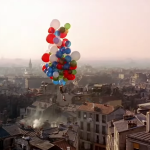
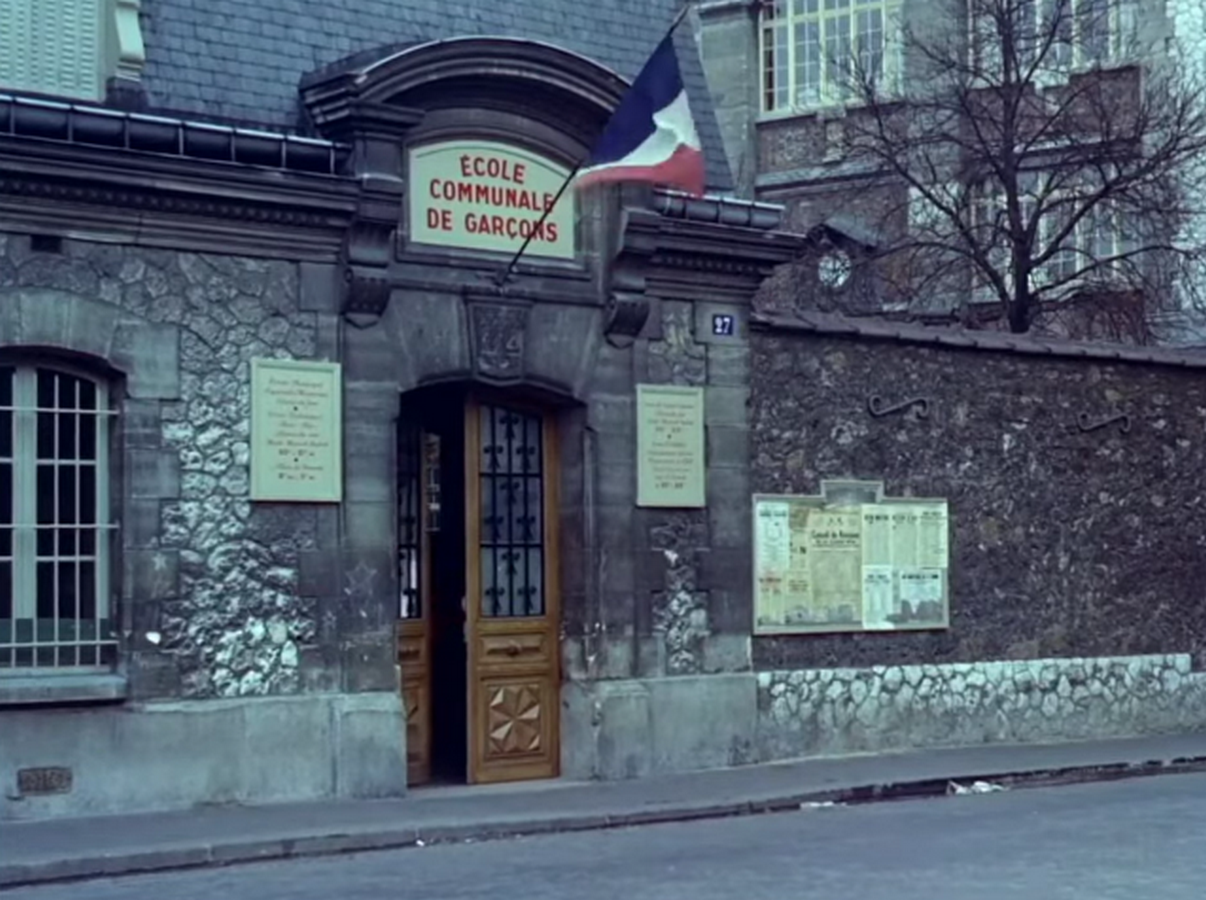
The film is a stellar example of architectural choreography that is brought to life by the small corridors, staircases and enclosed lanes that constrict and release in space, time and again, and narrate a story through the journey of Pascal. The almost poetic circulation not only satisfies the inquisitiveness and the sense of adventure in the protagonist, but also in the audience. The adventurous tour of the Parisian streets, from the perspective of Pascal, is like a maze, in which he invites the audience to follow the urban structure with and without him, without difficulty, but with wonder and curiosity. Being exposed to post war Paris through the eyes of a child helps to turn the time’s ordinary architecture into something that is emotionally engaging. High-rise fronts are threatening, the little streets seem comforting, little doorways become objects of interest to the child. The open sky peeking through the courtyards, balconies and rooftops represents freedom, to which in due course Pascal and his Red Balloon fly away, as well as hundreds of other colourful balloons. The built environment is being perceived not only as infrastructural but also as an object of wonder and delight through innocence and curiosity. The experiences of Pascal transform architecture into an experience, responsive, imprinted, and involving, instead of functional and stoic. Finally, the lens takes in architecture as a lived and recalled segment of active design in the everyday life of Parisian people, not a mere silent spectator! The built space is a poetic and emotive structure of the motion and narrative of the entire award-winning movie, and it does not require any verbal communication. The movie is a spatial memory of the post-war Paris, which was overlaid with history that was subjected to spatial richness by use of simple facades, textures, various scales and even by the natural process of wearing.