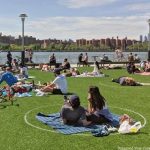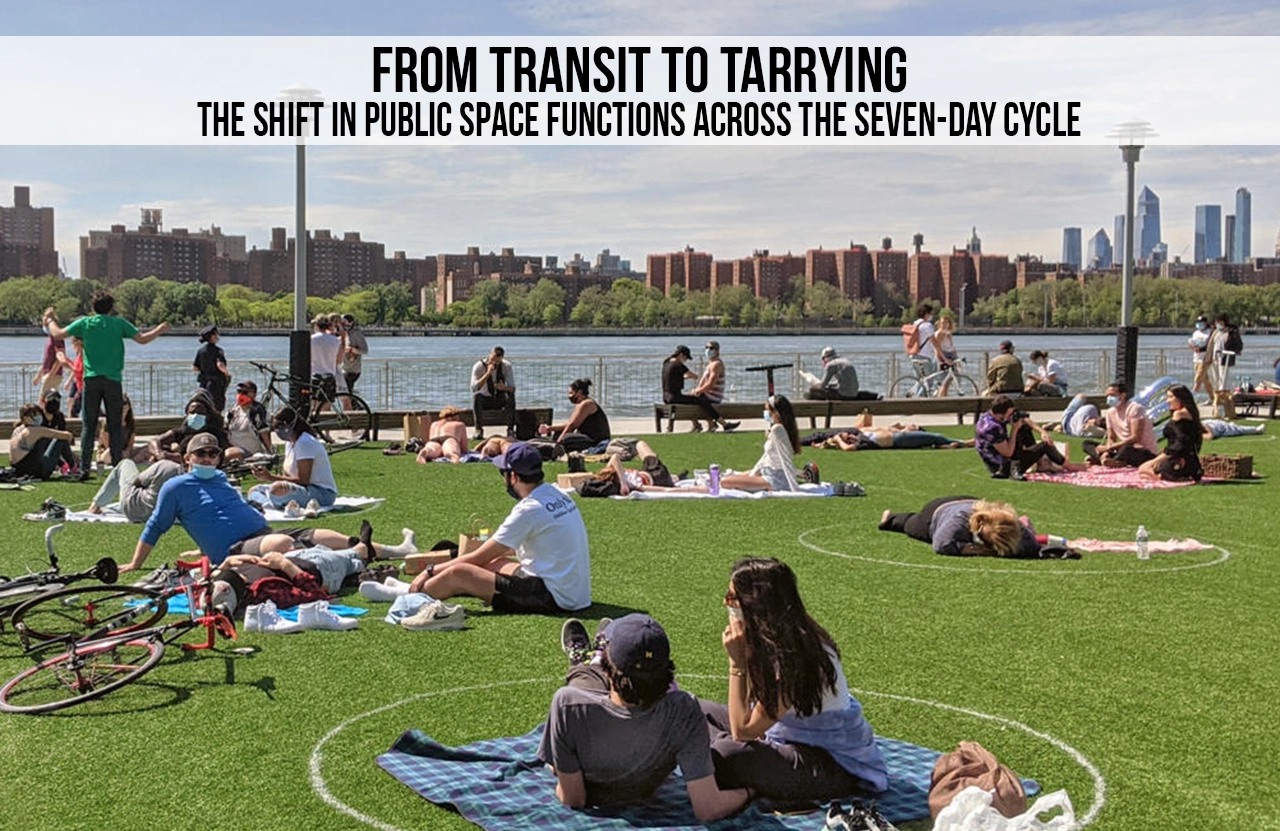
Architecture plays a key role in people’s lives as it plays a connecting role between people and the spaces. Architecture is not only about the aesthetics and functional requirements, but also about the urge to bring people together to form a community. ( Jagannath,2014)These communities are often brought together by public spaces, which act as a bridge between personal spaces and collective meeting points. These public spaces not only form a public community but bring the good practices in public spaces closer to users. These public spaces invite multiple users based on the time interval of the day and how they use the public spaces.
Public spaces and their living nature
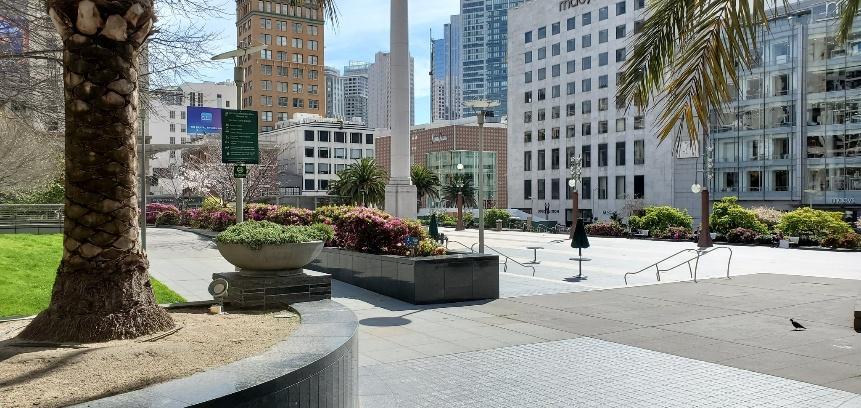
The public spaces are not static in nature; they are dynamic depending on the rhythmic cycle that fluctuates significantly between the rigid structures of the workweek and the unrestricted freedom of the weekend. The public spaces should be viewed more like a living species that breathes and has a heartbeat. It would not be strange to say that this living species has a fast and focused heartbeat during weekdays, as multiple people make them a part of their daily life, whereas on weekends, people often have different relaxing plans and do not bother much about public spaces, due to which these spaces can be considered to slow down and spread out.( Liu,Zhu, Gao,Wang , 2025)
The reason for the change in every other individual’s life is “WHY” are people outside. Every individual is on their own mission to chase something in life. From Monday to Friday, every other person is going to work, catching a bus, or grabbing a quick breakfast, usual weekday activities. Because everyone is in a rush to chase something, they use public spaces as shortcuts to achieve these missions. Whereas on weekends, the missions are changed. The public spaces are no longer shortcuts but destinations. People do not try to get through the parks; instead, try to be in the park. This shift in the minds of people changes everything, starting from how long people stay to finishing with whom we bring with us.
How the public spaces are used
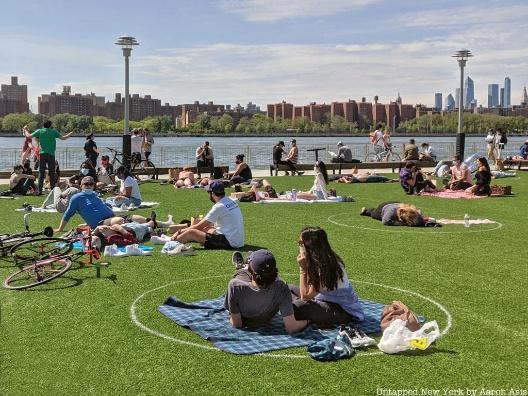
As discussed earlier as well, during the weekdays, although the public movement is dense, the nature of the public is mostly solo users such as people going to schools , people attending work offices, etc. , who barely stop at the public spaces or use them as transitional mediums. However, during weekends, the users are observed more in groups and high density, mainly families with strollers, elderly couples, and groups of friends, using the public spaces often as an escape from busy life , a source of entertainment, and much more . Families and elderly people often tend to move more slowly and require more amenities, such as benches and clean bathrooms. A public park that works perfectly for a lone commuter on Wednesday might feel “broken” or “unfriendly” to a family on Sunday.(n.a,2018)
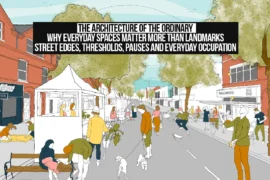
These public spaces often affect the small business owners, such as roadside ice cream or food vendors , coffee stalls or similar, depending on the usage of these spaces during weekdays and weekends . Considering the fact that not many people pay attention towards the use of public space but use them as transitional space during weekdays, due to which the small business owners get more users as people take what they want and simply leave . While people using the same public spaces with high interest during weekends somehow neglect these small business owners. Urban planners should focus on how these spaces can be flexible enough to balance the local economic graph. For example, a street designed to be used as vehicle accessible for its commute during weekdays and completely closed for vehicle access during weekends and to be converted into pedestrian only market that also benefits small vendors.( Trumm ,2026)
A great public space is not only when it serves as a “commuter hallway” or a “weekend playground,” but it is great when it fulfills the duty of both. To understand the fact that people need to be speedy during weekdays and a bit relaxed and still during weekends , cities should be designed with the fact that they adapt the spaces . Whether by adding more benches for weekend loungers or by adding better lighting for weekday morning commuters , the goal should be to make the city feel more alive every single day of the week. To have great public spaces , urban designers should focus on the great city design by including enough green space so that the “weekend surge” doesn’t lead to overcrowding, ensuring that the mental health benefits of the outdoors are available 24/7, not just when the offices are closed.
Reference List:
- ( Jagannath,2014) https://medium.com/interviews-and-articles-on-art-public-spaces/interactive-public-spaces-make-successful-places-c522b4346e55
- ( Liu,Zhu, Gao,Wang , 2025) https://www.researchgate.net/publication/396131284
- n.a (2018) https://www.pps.org/article/grplacefeat
- Trumm (2026) https://www.theurbanist.org/
Reference List for Images:
- Fig 1- N.a (2020): https://www.pps.org/article/you-asked-we-answered-how-can-public-space-managers-help-fight-covid-19
- Fig2- CPG Corp (2020) https://cpgcorp.com.sg/public-open-spaces-in-the-context-of-pandemic-resilience/