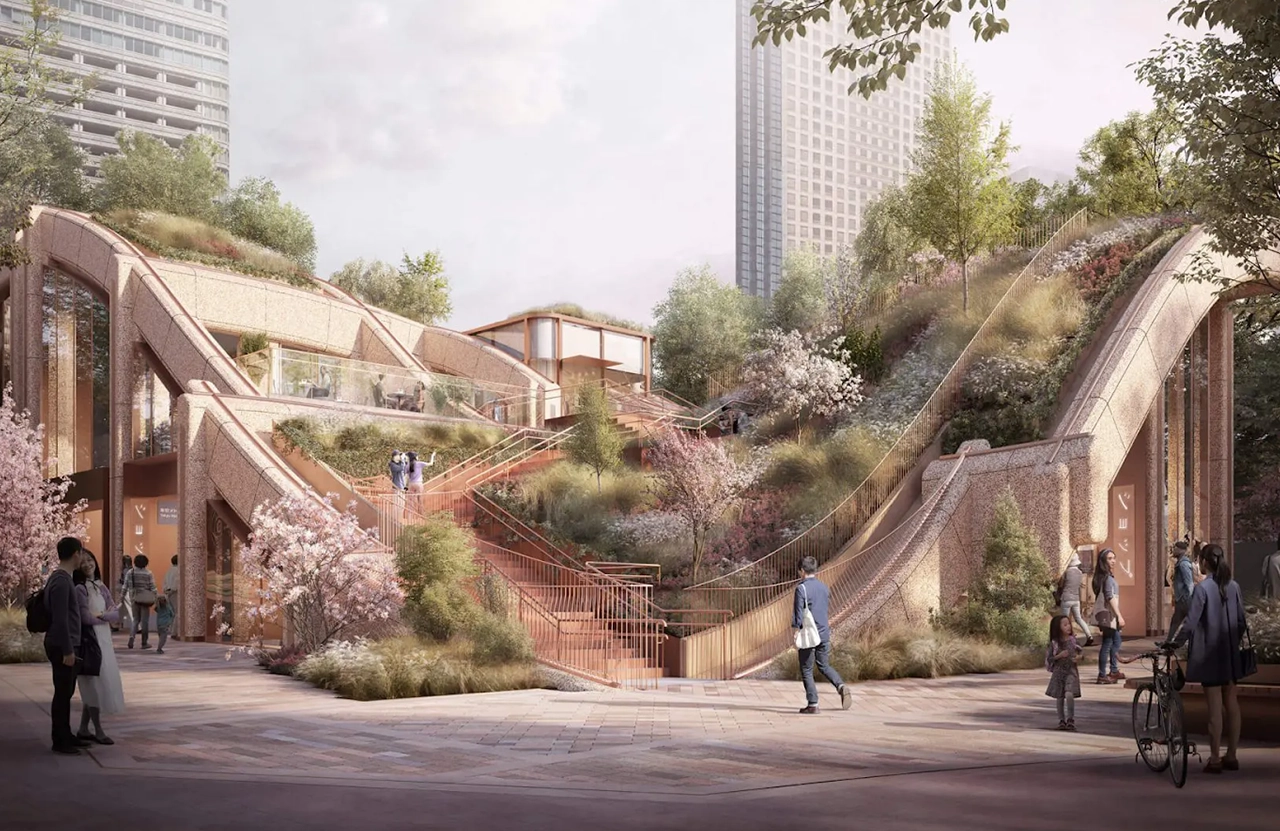
In today’s world, the growing network and easy accessibility of digital media have transformed how architects engage with theory, precedent, and global practice. YouTube, for instance, has become an informal yet powerful educational platform where architecture is presented not only as construction but also as culture, ecology, and social responsibility. This article provides a guiding review for viewers—especially designers—emphasizing what they can take from this resource without revealing specific plot points or key arguments from the video itself. For those exploring Architecture & Society, documentaries and lecture-based content on buildings inspired by nature.
What is the Video about?The YouTube video “Architecture & Society: Buildings Based in Nature” is part of a lecture series that explores the function of architecture within social and ecological contexts. Instead of focusing on building as separate entities, this video shows viewers how design can respond to and reflect natural systems, shaping form and function according to the environmental conditions.
The primary idea is based on the belief that architecture is not separate but rather a part of a broader ecological and social framework. The lecture further discusses how design can act as a mediator between human needs and nature’s inherent logic, encouraging architects to think beyond buildings as components of the living environment and to view them as dynamic systems.
Why does this matter for architects?
For designers and architecture students, the video serves as both a theoretical prompt and a practical guide. Here’s what architects can take away:
- Architecture as an Ecological Participant
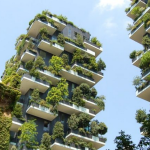
A primary element of this video focuses on how buildings should not merely occupy the space but rather should blend with ecological cycles, including water flow, energy balance, and biodiversity. Corresponding with broader trends in sustainable design, where structures aim to reduce ecological impact by harmonizing with natural forces rather than repelling them.
This approach resonates with the traditional principles of biomimetic architecture, where designers tend to take inspiration from nature to make models. For instance, imitating termite mounds for natural cooling, or adopting natural materials and shapes that maximize environmental performance, is evidence of how nature can serve not only as an aesthetic source but also as a source of functional intelligence.
2. Redefining ‘Sustainability’ Beyond Tech
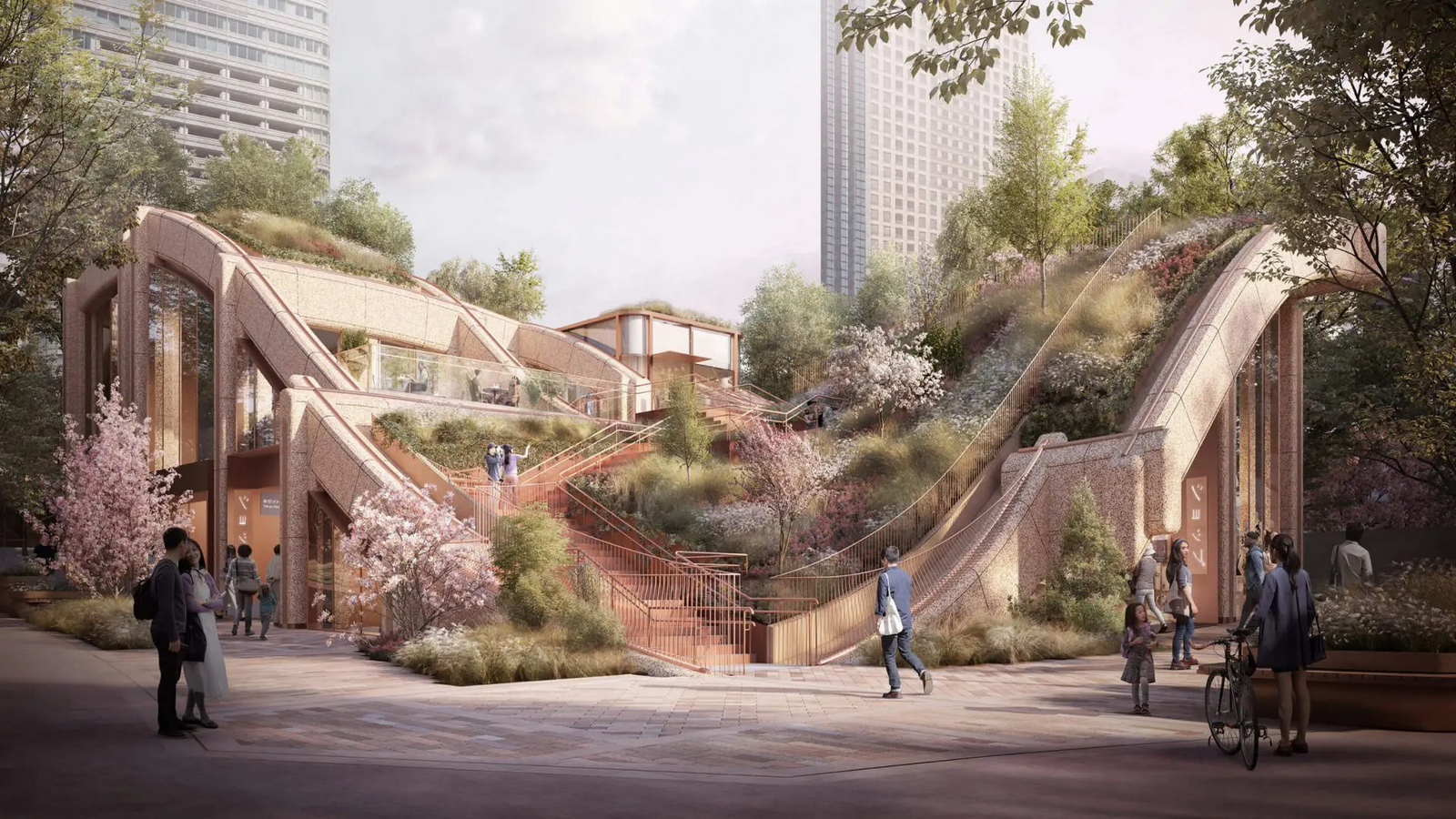
Many contemporary eco-design conversations focus heavily on technologies such as solar panels, kinetic facades, and high efficiency systems. However, this video showcases sustainability as an attitude toward design. One must understand the site context, climatic conditions, and natural rhythms before applying an energy model or LEED clarification, as both are equally important.
This showcases biophilic design. A design which promotes a deeper human connection to nature through materials, light, and sensory experience. The video encourages architects to think in terms of relationships between humans and the environment.
Lessons For Practicing
After watching this, a designer might start questioning:
How is the building responding to a specific climatic condition?
Does the form derive from an ecological basis or from an aesthetic expression?
Can the choice of materials reduce environmental degradation while enhancing the spatial experience for humans?
The lecture questions assumptions about form-making and encourages architects to explore alternatives that draw inspiration from nature’s efficiency, rather than relying on the usual standardized rectilinear forms and mechanical systems.
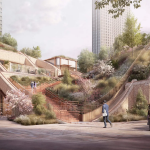
Considering several architectural examples, such as bamboo-inspired structures that blend with the forests, or buildings that integrate green spaces to generate passive cooling, illustrates how nature driven structure can form the spatial design.
Broader context: Architecture & Society:
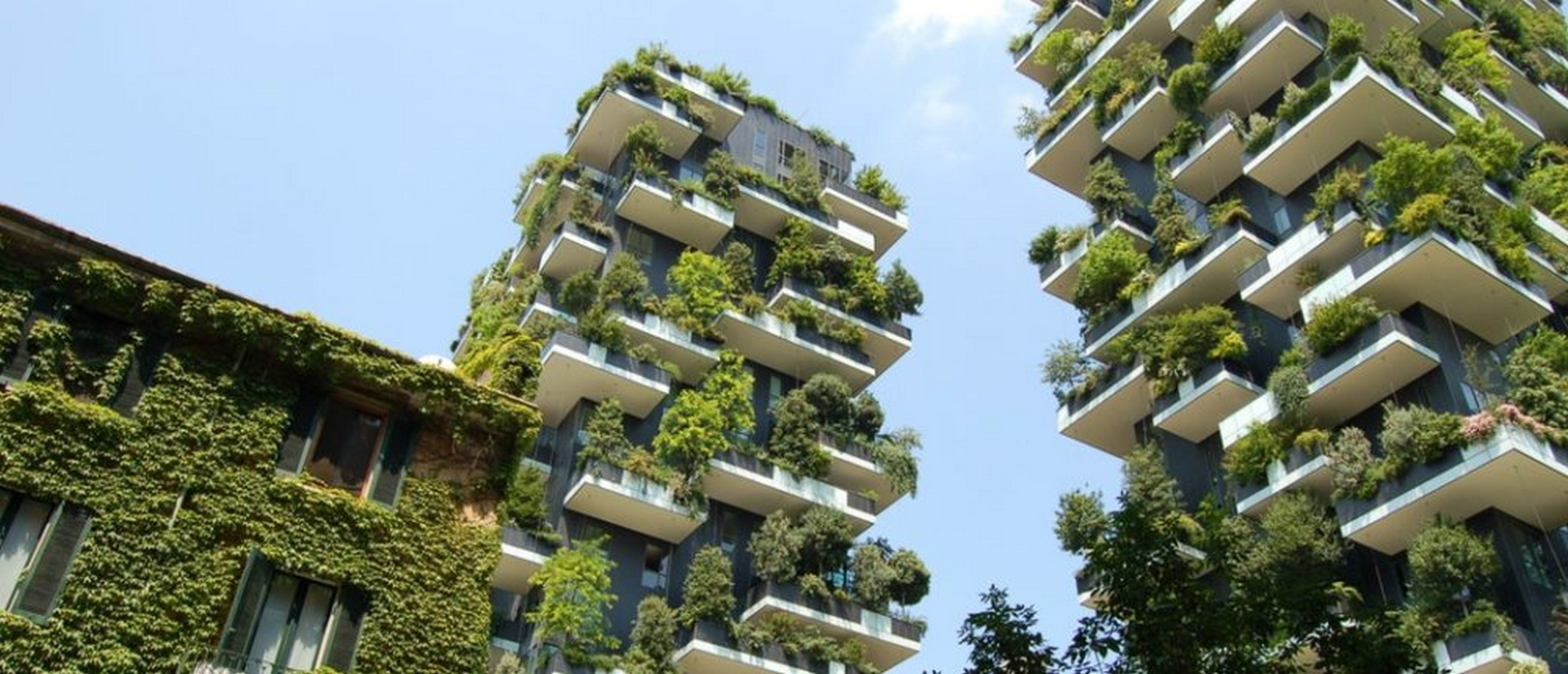
When looking into the topic of Architecture & Society, it is crucial to understand that architecture is not just form-making; it is a social activity with cultural implications. Buildings shape human life; it influences how people live, work, and interact. And shapes the public health, access to nature, and community identity. A lecture like this expands the definition of architecture from object to ecological actor and social catalyst.
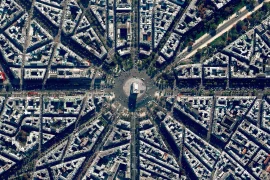
This approach aligns with emerging global design dialogues where cities are envisioned not just as a built environment but as a living system. Urban planners and practitioners are now adapting blue-green infrastructure, prioritizing global health, biodiversity, and rethinking public spaces as extensions of the natural landscapes.
Strengths of the video:
- Conceptual Clarity: The discussion presents complex ideas in simple language, making it easier and more useful for both students and professionals.
- Interdisciplinary Relevance: It promotes comprehensive thinking by bridging ecological theory, design practice, and social impact.
- Visual Engagement: YouTube’s video format makes abstract concepts easier as it combines narrative and imagery into the lecture.
Potential Limitations:
As is the case with most educational videos, especially those of general interest, the conversation may be somewhat generic in nature. Specific, technical processes and complex computational tools may be mentioned in conceptual terms but not in detail. Students who want to know in-depth technical processes and complex computational tools may need to refer to scholarly articles and videos.
Furthermore, ecological architecture is often designed differently based on the site conditions. One strategy that works in one climatic condition might not be suitable for others. Hence, this lecture can help how to translate ideas rather than completely implementing them.
Overall, “Architecture & Society: Buildings Based in Nature” is a thought-provoking resource that promotes architects and future architects, i.e., students, to rethink the role of ecological and social context in the design. The video encourages viewers to delve deeper and reflect on how buildings can respond to the environmental conditions in a creative manner and enhance both sustainability and spatial experience. However, it doesn’t offer exhaustive technical solutions but helps to shift the mindset from seeing buildings as isolated, rigid, rectilinear artifacts to understanding them as living parts of larger ecological and social systems.
Therefore, from my perspective, I feel this video is a great starting point for designers to get an insight into how to integrate nature-based thinking into their designs. It urges viewers to move beyond surface-level sustainability toward a comprehensive engagement with environment, culture, and community.
Reference List (Harvard Style)
Speck, L (2025). Architecture & Society: Buildings Based in Nature. Available at: https://www.youtube.com/watch?v=CKXMT5BUKUQ&t=7s (Accessed: 21st February 2026).