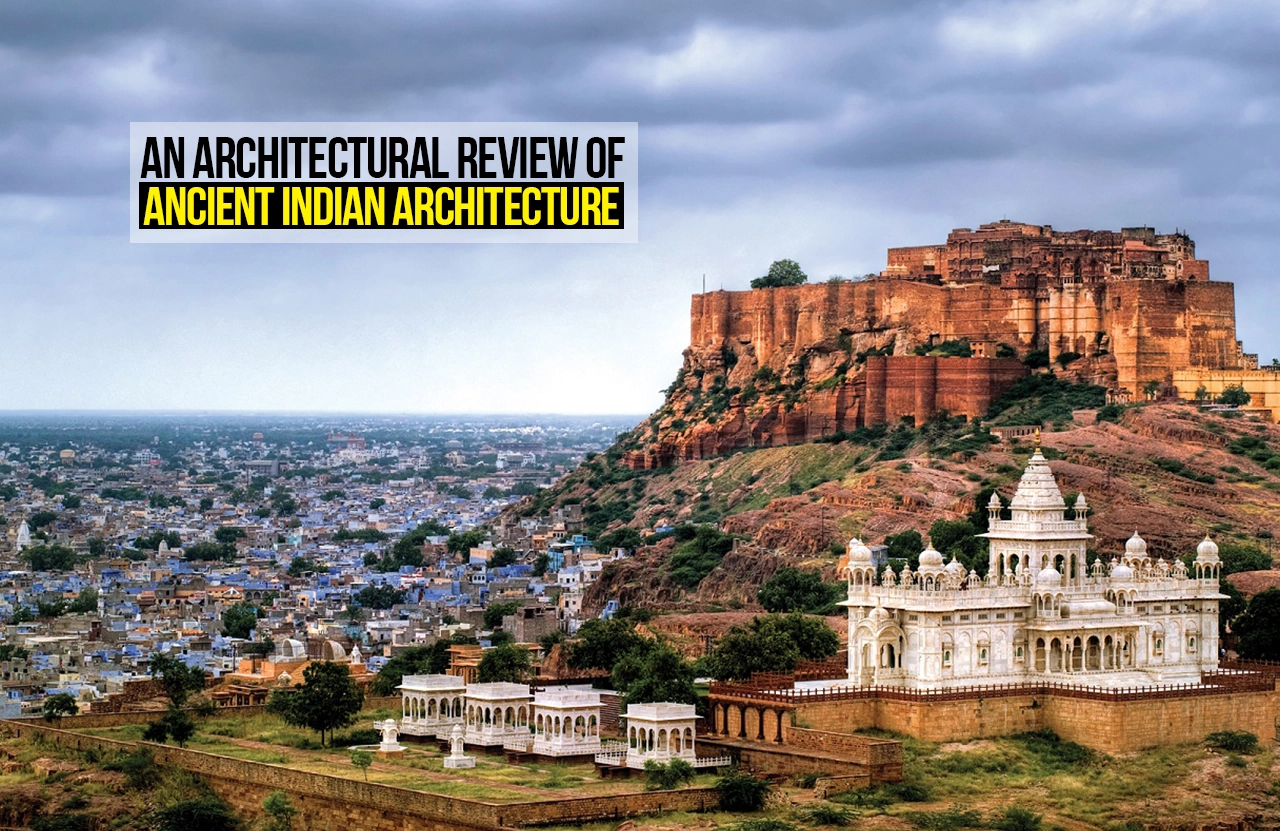
India is regarded as one of the most ancient countries in the world, and the Indian subcontinent region is one of the longest continuously inhabited regions of the world. It is the motherland to many civilisations, and numerous cultures have flourished here and endowed it with a rich and diverse heritage. Various cultures and civilizations have also provided India with astonishing architectural grandeur and engineering excellence found all over the country, yet much lesser known. The History TV 18 runs a series that helps one discover the Indian architectural heritage.
The Ancient Indian architecture series displays an arena of architectural history, which has been discussed here.

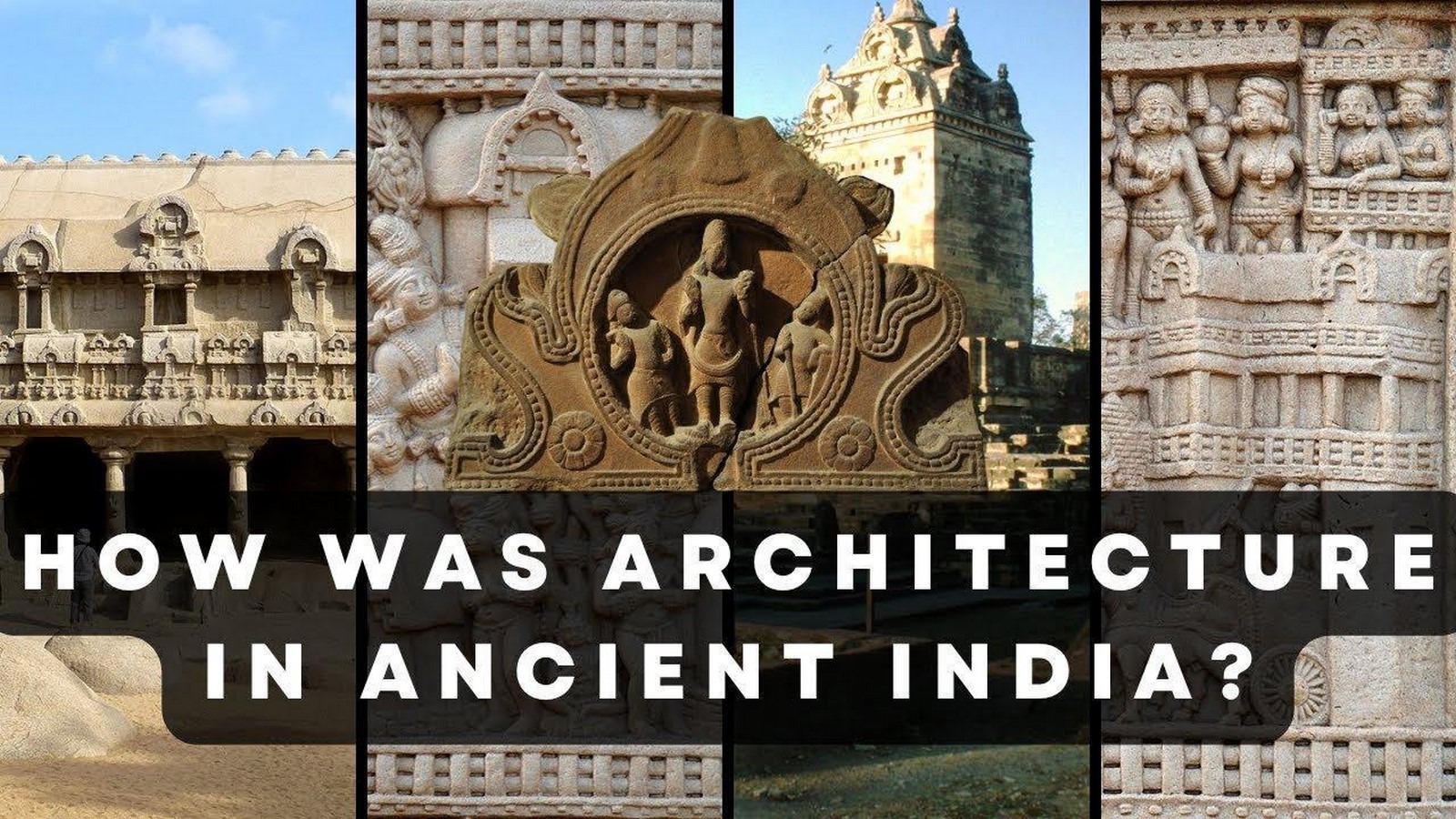
Ancient Indian architecture is a prolonged journey and an evolved tradition that spans from prehistoric times to later periods. Architecture in India is not a recent development; rather, it is a centuries-old tradition that has bestowed some of the world’s most magnificent structural masterpieces. Its origins can be traced back to the Indus Valley Civilisation (c. 2600–1900 BCE), where achievements in urban planning and drainage systems demonstrate an early understanding of civics and engineering. Over the ages, architectural concepts advanced with increasing structural complexity and the uniqueness of features. Stone-sculpted structures became more prominent, and rock-cut architecture emerged as a significant development; entire caves can also be seen carved into hillsides. These structures stand firm and strong even today after facing many tragic natural disasters and challenges so far. Hereby, they reflect not only technical precision but also careful planning and the integration of architecture with artistic and spiritual expression.
A notable development in ancient Indian architecture was the emergence of distinct regional styles, particularly the Nagara style in northern India and the Dravidian style in southern India. The Nagara style is known for its curvilinear shikhara and detailed carvings, emphasising verticality, while the southern or Dravidian style featured pyramidal vimanas, monumental gateways known as gopurams, and expansive temple complexes built primarily from stone. Across the subcontinent, various dynasties constructed monuments, stupas, forts, palaces, caves, and temples over the centuries, which culminated in a rich architectural heritage. Various techniques were employed to enhance structural stability, durability, and functionality, which even modern structures cannot compare to. These architectural achievements were not merely functional structures but symbols of cultural identity, spirituality, and the scientific attitude of early times. Ancient Indian architecture thus reflects a blend of technical innovation, aesthetic excellence, and philosophical depth that continues to inspire architects and historians around the world.
India: Marvels and Mysteries – History TV 18
History TV18 is a prominent Indian infotainment broadcasting platform dedicated to exploring the past, primarily focusing on historical content. The channel has published a wide range of videos and documentaries that showcase significant historical narratives. It highlights India’s rich heritage, architectural marvels, and cultural evolution through descriptive storytelling. Thus, the channel glorifies the past and fosters admiration for the legacy of Ancient Indian Architecture and history. It runs a series titled India: Marvels and Mysteries with William Dalrymple. William Dalrymple is a well-known Scottish historian with expertise in Indian history. The series truly unveils the mysteries and marvels of India. It features various episodes covering regions from north to south, exploring historical sites, forts, palaces, ancient buildings, and temples.
Ancient Indian Architecture – series
Every episode of this remarkable series, presented on History TV18, focuses neatly on a particular site, place, structure, or monument of historical importance. Hosted by William Dalrymple, the content is largely based on archaeological data and historical evidence and is well researched. The ideas are delivered in a storytelling manner that captures viewers’ interest and attention. Each episode begins with a brief introduction to the location, its geographical setting, historical timeline, and other contextual details. The historical narratives are then gradually laid out, explaining the origin, purpose, and construction of the monument. Additionally, mysterious, lesser-known, and inspiring facts are revealed, encouraging curiosity and a deeper attachment to India’s architectural and cultural heritage.
The series also highlights the present condition, preservation status, and architectural details of each monument with remarkable clarity. The exquisite cinematography helps viewers develop a sense of awe and interest. It offers well-researched information supported by expert opinions, historians’ interpretations, and insights from local inhabitants, providing well-rounded perspectives. The show features episodes on many architectural wonders of ancient India, including special coverage of Kumbhalgarh Fort, Gol Gumbaz, and Hampi, along with several hidden marvels. By presenting these monuments with authenticity and brilliance, the series stands as truly inspirational, encouraging viewers to explore and admire the legacy of ancient Indian architecture and history.
The series India: Marvels and Mysteries, presented by historian William Dalrymple, is exclusively available on the History TV18 YouTube channel. The channel hosts a dedicated playlist titled India: Marvels and Mysteries with William Dalrymple, where viewers can explore multiple episodes in one place.
References:
HISTORY TV18 India: Marvels and Mysteries with William Dalrymple. Available at: https://www.youtube.com/@HistoryTV18
William Dalrymple India: Marvels and Mysteries. Presented on HISTORY TV18. Available at: https://www.youtube.com/@HistoryTV18
The Penguin History of Early India (2002) London: Penguin Books.