Choosing new siding is one of the most important decisions a homeowner can make. Siding has a major impact on curb appeal, but its role goes far beyond appearance. It protects the structure from moisture, helps improve energy efficiency, and contributes to the overall durability of the home.
With so many materials available, it can be difficult to determine which option is best. Every siding product comes with its own strengths and weaknesses, and the ideal choice often depends on factors such as budget, climate, maintenance preferences, and long-term goals.
So what are the best choices for siding?
Fiber Cement Siding: Durability and Appearance
Fiber cement siding has gained significant popularity in recent years because it offers an attractive combination of durability and visual appeal. Made from a mixture of cement, sand, and cellulose fibers, this material is designed to withstand harsh weather conditions while closely resembling traditional wood siding. Many homeowners appreciate its ability to provide a high-end appearance without many of the maintenance demands associated with natural wood.
Fiber cement performs well against moisture, insects, and fire. It is also available in a variety of styles, making it suitable for both traditional and contemporary homes. The primary consideration is cost. Installation tends to be more expensive than vinyl because the material is heavier and requires specialized installation techniques.
However, many homeowners view the additional investment as worthwhile because of the product’s longevity and durability.
Vinyl Siding: The Popular All-Around Choice
Vinyl siding remains one of the most widely used siding materials in the country, and for good reason. One of its biggest advantages is affordability. Compared to many other siding options, vinyl typically offers a lower upfront cost while still delivering attractive results. Modern vinyl products are available in a wide range of colors, styles, and textures, allowing homeowners to achieve many different looks without exceeding their budgets.
Vinyl is also relatively low maintenance. Unlike wood, it does not require routine painting or staining. Occasional cleaning is usually enough to keep it looking presentable. The primary drawback is that lower-quality vinyl can become brittle over time, particularly in areas with extreme temperature fluctuations. It may also be more susceptible to impact damage than some premium siding materials.
Engineered Wood Siding: A Modern Alternative
For homeowners who love the appearance of wood but want improved durability, engineered wood siding is worth considering. This product is manufactured using wood fibers and resins that are compressed and treated to enhance performance. The result is a material that offers much of the visual appeal of natural wood while addressing some of its traditional weaknesses.
Engineered wood is typically lighter than fiber cement and easier to install. It often comes prefinished, reducing maintenance requirements and helping homeowners achieve a polished appearance more quickly. Although engineered wood generally performs better than traditional wood against moisture and insects, it still requires proper installation and maintenance to maximize its lifespan.
Wood Siding: Classic Beauty and Character
Few siding materials can match the timeless appeal of natural wood. Wood siding has been used for generations because of its warmth, texture, and character. Whether installed as clapboard, shingles, or board-and-batten panels, wood can create a distinctive appearance that many homeowners find difficult to replicate with other materials. The challenge is maintenance; wood requires regular care to remain in good condition. Painting, staining, sealing, and periodic repairs are often necessary to protect it from moisture, insects, and weather-related deterioration.
Metal Siding: Strength and Longevity
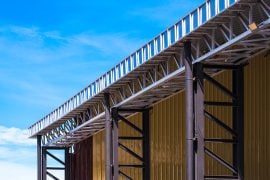
Metal siding is often associated with commercial or agricultural buildings, but modern residential applications have become increasingly popular. Steel and aluminum siding offer impressive durability and can withstand many environmental challenges. They resist insects, do not rot, and generally require minimal maintenance compared to wood products.
Potential drawbacks of metal siding include higher upfront costs and the possibility of dents from significant impacts. Depending on the material and finish selected, repairs may also be more noticeable than with some other siding options. Even so, metal siding can provide decades of reliable performance when properly installed.
Brick and Stone Veneer: Premium Appearance
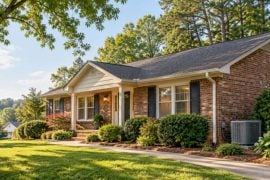
For homeowners focused on curb appeal and longevity, brick and stone veneer remain attractive options. These materials provide a premium appearance that many buyers find highly desirable. They are durable, resistant to weather, and generally require little maintenance once installed. Modern veneer systems are often lighter and more cost-effective than traditional full-thickness masonry while still delivering a similar visual effect. The primary negative is expense. Both materials typically involve higher installation costs than vinyl, engineered wood, or fiber cement.
The Best Choice Depends on Your Priorities
When homeowners ask which siding material is best, the answer usually depends on what matters most to them. If affordability and low maintenance are top priorities, vinyl siding is often difficult to beat. If durability and premium aesthetics are more important, fiber cement may be worth the additional investment. Homeowners seeking a natural appearance may gravitate toward engineered wood or traditional wood, while those prioritizing longevity might consider metal, brick, or stone products. Climate, maintenance expectations, neighborhood aesthetics, and budget all play important roles in the decision-making process.