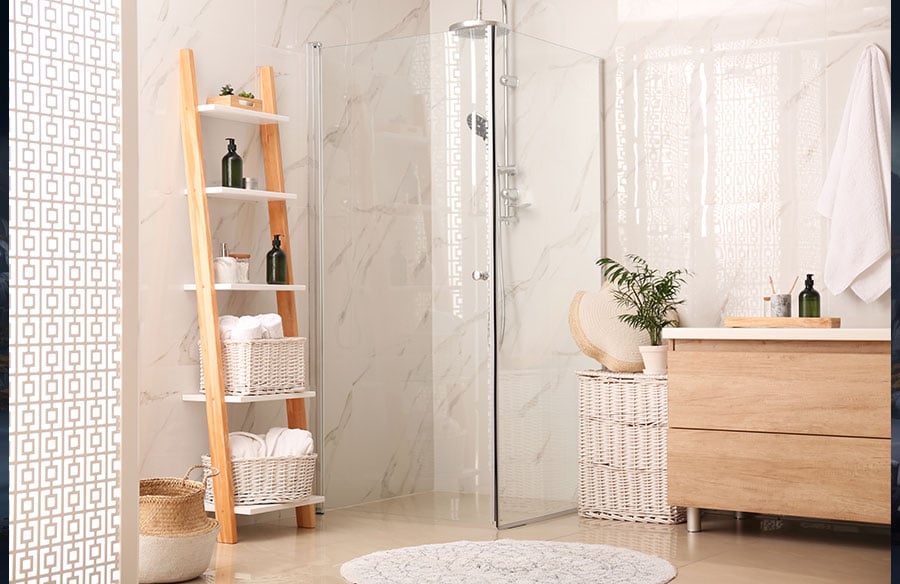
A shower remodel can dramatically improve both the appearance and functionality of a bathroom. Whether you’re dealing with an outdated shower, recurring maintenance issues, or simply want a more modern space, a well-planned remodel can increase comfort, improve usability, and even add value to your home.
However, achieving the ideal result requires more than choosing attractive tile or selecting new fixtures. The planning stage is often what determines whether a project proceeds smoothly or becomes an expensive source of frustration. Before hiring a shower remodeling contractor, homeowners should spend time thinking carefully about their goals, priorities, and budget. The more preparation you do before construction begins, the more likely you are to end up with a shower that meets your needs for years to come.
Start With Your Long-Term Goals
Before contacting contractors, it’s important to establish exactly what you want to accomplish. Some homeowners are primarily interested in updating aesthetics. Others are focused on improving accessibility, increasing storage, replacing aging materials, or addressing water damage. In many cases, several goals overlap.
Think about how you use your shower today and what you would like to improve. Is the space too small? Are cleaning and maintenance becoming difficult? Do you want a more luxurious experience? Are there mobility concerns that could become more important in the future?
Answering these questions early helps guide every decision that follows. It also allows contractors to provide recommendations that align with your specific objectives rather than offering generic solutions.
Establish a Realistic Budget
Budgeting is one of the most important parts of any remodeling project. Many homeowners focus primarily on visible materials such as tile, glass enclosures, and fixtures. Although these selections certainly affect the final cost, labor, plumbing modifications, waterproofing, and structural repairs can have an equally significant impact on the overall budget.
Older homes can be particularly unpredictable. Once demolition begins, contractors occasionally discover hidden water damage, mold, deteriorated framing, or outdated plumbing that requires replacement. For that reason, it’s often wise to include a contingency fund in addition to the planned remodeling budget. Having some flexibility can help prevent surprises from derailing the project. A clear budget also helps contractors propose solutions that fit within realistic financial parameters from the beginning.
Think Beyond Appearance
Design matters, but functionality should remain a top priority. It’s easy to become focused on selecting beautiful tile patterns or luxury fixtures. While these elements contribute to the overall appearance of the bathroom, the ideal shower should also be comfortable and practical to use every day. Consider factors such as shower size, entry access, storage space, water pressure, and ease of cleaning. Built-in niches, benches, handheld showerheads, and low-maintenance materials can significantly improve the user experience without dramatically increasing costs.
Many homeowners later discover that their favorite features are not necessarily the most visually impressive ones. Instead, they are often the practical improvements that make daily routines easier and more enjoyable.
Choose Materials Carefully
Material selection affects far more than appearance. Some materials require regular sealing and maintenance, while others are specifically designed for easy cleaning and long-term durability. Certain tile styles may look beautiful in a showroom but prove difficult to maintain in a frequently used household bathroom.
Durability is especially important in a shower environment because surfaces are constantly exposed to water, humidity, and cleaning products. When reviewing options with a contractor, ask about maintenance requirements, expected lifespan, and potential repair concerns. A slightly higher upfront investment in quality materials can often reduce maintenance costs and extend the life of the remodel. The ideal shower is one that still looks great years after installation, not just during the first few months.
Find the Right Contractor
Even the best design can fail if the installation is poor, and a shower remodel depends heavily on proper construction techniques, particularly when it comes to waterproofing. Hidden moisture issues can lead to expensive repairs long after the project appears complete. When evaluating contractors, look beyond pricing alone. Experience, reputation, communication skills, and attention to detail are often far more important than securing the lowest bid.
Ask to see examples of previous projects. Read reviews carefully. Verify licensing and insurance requirements where applicable. And most importantly, choose a contractor who takes the time to answer questions and explain the process clearly. A contractor who communicates well during the planning phase is often easier to work with throughout the project itself.
A Successful Remodel Starts With Smart Planning
The ideal shower remodel begins long before construction starts. It begins with clear goals, thoughtful budgeting, practical design decisions, and the selection of a qualified contractor who understands your vision. While it can be tempting to focus primarily on colors, tile patterns, and fixtures, the most successful remodels balance appearance with durability, comfort, and functionality. By taking the time to carefully plan the project and communicate expectations from the beginning, homeowners can avoid many common frustrations and enjoy a smoother remodeling experience.