Designing sustainable buildings isn’t just neat – it’s a responsibility. With climate change driving urgent calls for environmental action, architects sit at the intersection of creativity and necessity.
Your designs will shape skylines and how people interact with their environment for generations to come.
If you’re wondering how to craft spaces that are as kind to the planet as they are functional and beautiful, you’re in the right place. Here’s a deep dive into eco-friendly design elements that will help you lower your projects’ environmental impact while creating spaces that stand the test of time.
1. Biodegradable Materials
What happens to your building when it’s no longer standing? Architects rarely think beyond demolition, but the post-use impact of construction materials can’t be ignored anymore. That’s where biodegradable materials come in.
What are biodegradable materials in construction?
These are materials that can decompose naturally into non-toxic components. Think compressed earth blocks, mycelium (yes, from mushrooms), or even timber treated without harsh chemicals.
Biodegradable materials help reduce construction waste, which isn’t a small problem – it’s one of the largest contributors to landfills globally. They also tend to have a smaller carbon footprint during production, making them a double win for sustainability.
Why should you consider them?
Beyond their environmental benefits, biodegradable materials bring natural aesthetics to your designs. They create spaces that look and feel harmonious with their surroundings. The biggest drawback? Pest loves them. Luckily, eco-friendly pest control specialists now nip that in the bud before it becomes a problem.
2. Green Roofs
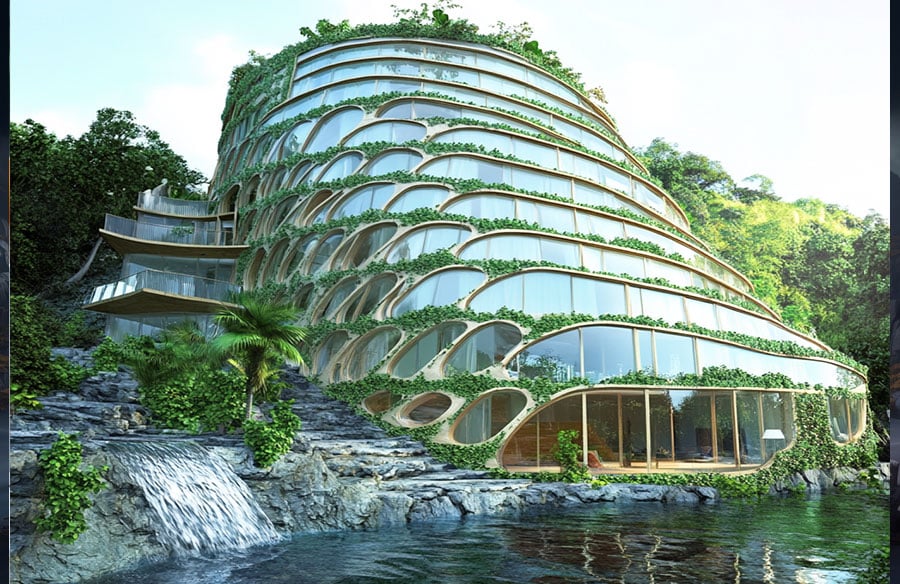
Imagine a world where rooftops aren’t just wasted surfaces but thriving ecosystems. That’s what green roofs bring to the table – a practical and aesthetically pleasing solution to common urban challenges.
What are green roofs?
Green roofs are layers of vegetation planted over a waterproof membrane on a building. They offer far more than a touch of greenery; they serve as natural insulators, cutting energy costs and improving indoor comfort.
Why consider them?
Green roofs enhance energy efficiency, improve air quality, and extend the lifespan of roofing systems by protecting them from the elements. Whether you’re designing a residential apartment complex or a sprawling corporate HQ, incorporating a green roof doesn’t just make the project eco-friendly. It gives the building – and the architect – a lasting legacy.
3. Solar Shading Systems
When you think of sustainability in architecture, energy efficiency probably tops the list. Solar shading systems play a crucial role in this area. They’re a simple concept with big results.
What’s the idea behind solar shading systems?
They’re designed to control how much sunlight enters a building. Well-designed shading not only protects occupants from excessive glare but also keeps interiors cooler, meaning air conditioning systems don’t have to work overtime.
Think of them as the building’s sunglasses – functional yet stylish. You can choose systems like fixed overhangs, louvers, or even advanced automated shading solutions that respond to light conditions. You can even complement these systems with solar panels to further increase energy efficiency and support renewable energy generation in your designs.
Why include them?
Solar shading systems reduce energy consumption while enhancing indoor comfort. They’re an easy win for projects in hot climates but can be adapted for nearly any location. Pair them with high-performance glazing, and you’ve got a recipe for cutting both costs and carbon footprints.
Designing Structures That Matter
Incorporating eco-friendly design elements like biodegradable materials, green roofs, and solar shading systems redefines what sustainable architecture looks like in the modern world.
These choices aren’t just about reducing environmental impact – they’re about creating buildings that inspire, endure, and serve both their occupants and the planet.
Every detail you design contributes to a larger story of innovation and responsibility. Dre to push boundaries and design structures that truly matter. Build a brighter, greener tomorrow.