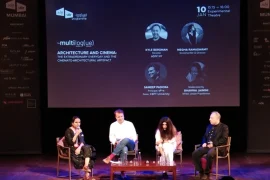
The podcast by Q Head explores the architectural style, philosophy, and some of the notable works of Girish Karnawat, which offers listeners a deeper understanding of his approach toward designing spaces. He is one of the emerging architects in India who has designed numerous architectural masterpieces across multiple states. His architectural style is known as “Modern Regionalism”, which blends modern architectural principles with the soul of the region, its climate, materials, culture, and traditions. The podcast highlights how this approach creates buildings that feel rooted in their context rather than imposed on it, based mostly on the site context and storytelling.
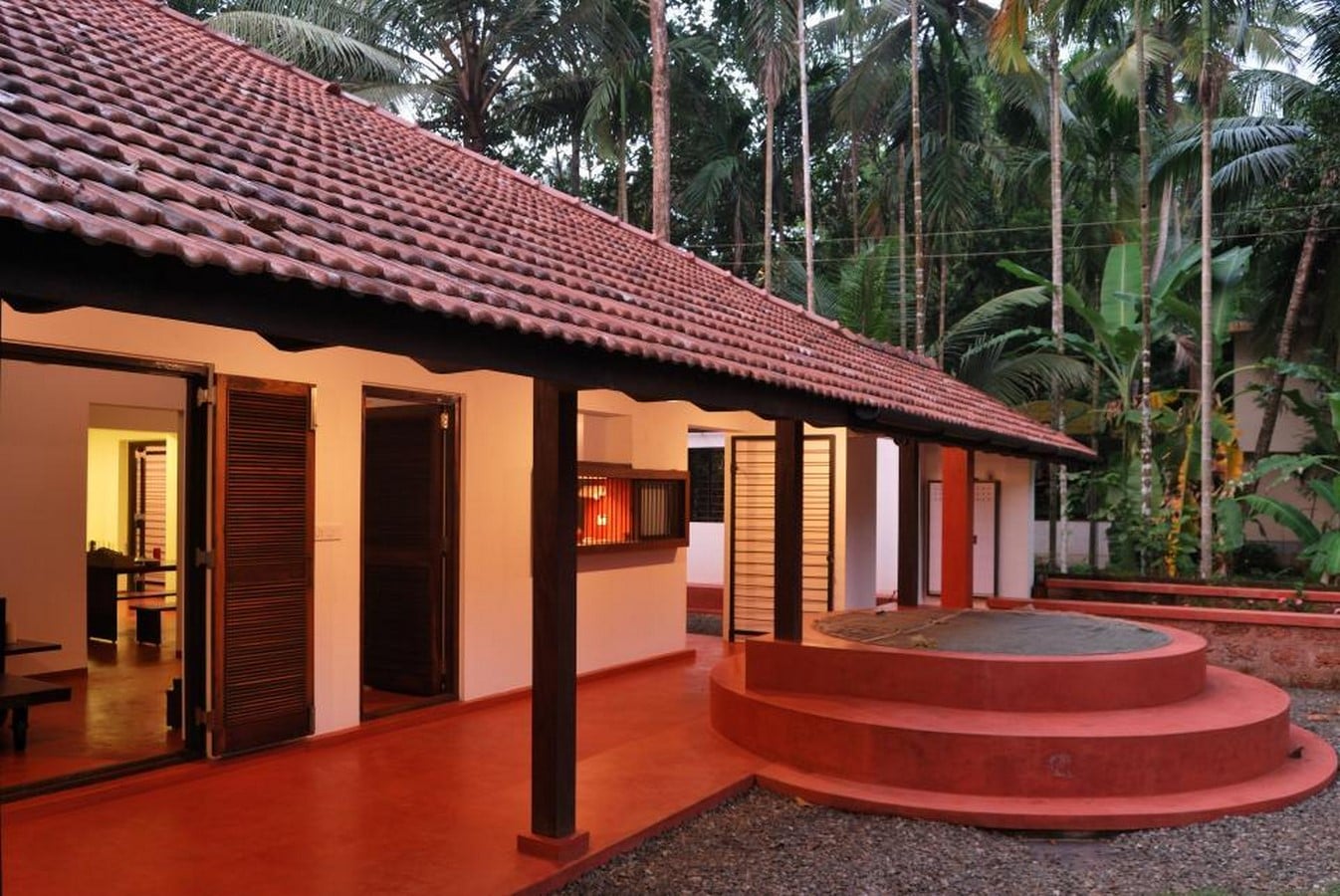
While being involved in the documentation course of his architecture journey, Girish explored rural areas and historic cities, documenting architecture through drawings. This experience made him realize how, these days, in the name of modernism, the true essence of architecture was gradually being lost, with buildings becoming storyless and disconnected from people and their context. This experience led him to pursue the philosophy of Modern Regionalism, aiming to reconnect architecture with its culture, context, and people.
The working technique of Girish Karnawat is unique compared to that of other designers. He does not follow a particular routine or technique to design buildings. With no paper and digital screens in front of him, the first step of his design is to listen. Listen to the site and understand what it has to say. In the podcast, he explains that spending time on-site helps him develop organic concepts and ideas. This way, his projects blend with the surroundings like a new plant growing from the soil and give a sense of belonging to the users.
Despite being driven towards the regional and traditional context of architecture, Mr. Girish also embraces a modern touch in his designs. The world is evolving every day; transportation has made our lives easier for commuting, and technologies have made communication easier. Similarly, for the construction industry, it is essential to use modern technology in material selection and construction techniques for ease, while keeping stories alive. The discussion highlights the balance between tradition and modernity, showing regionalism does not reject innovation but adapts it thoughtfully. As the population is growing rapidly, land is becoming increasingly scarce, regionalism does not necessarily require the incorporation of traditional courtyards or large spatial elements in every project; rather emphasizes maintaining a meaningful connection to local culture and surroundings.
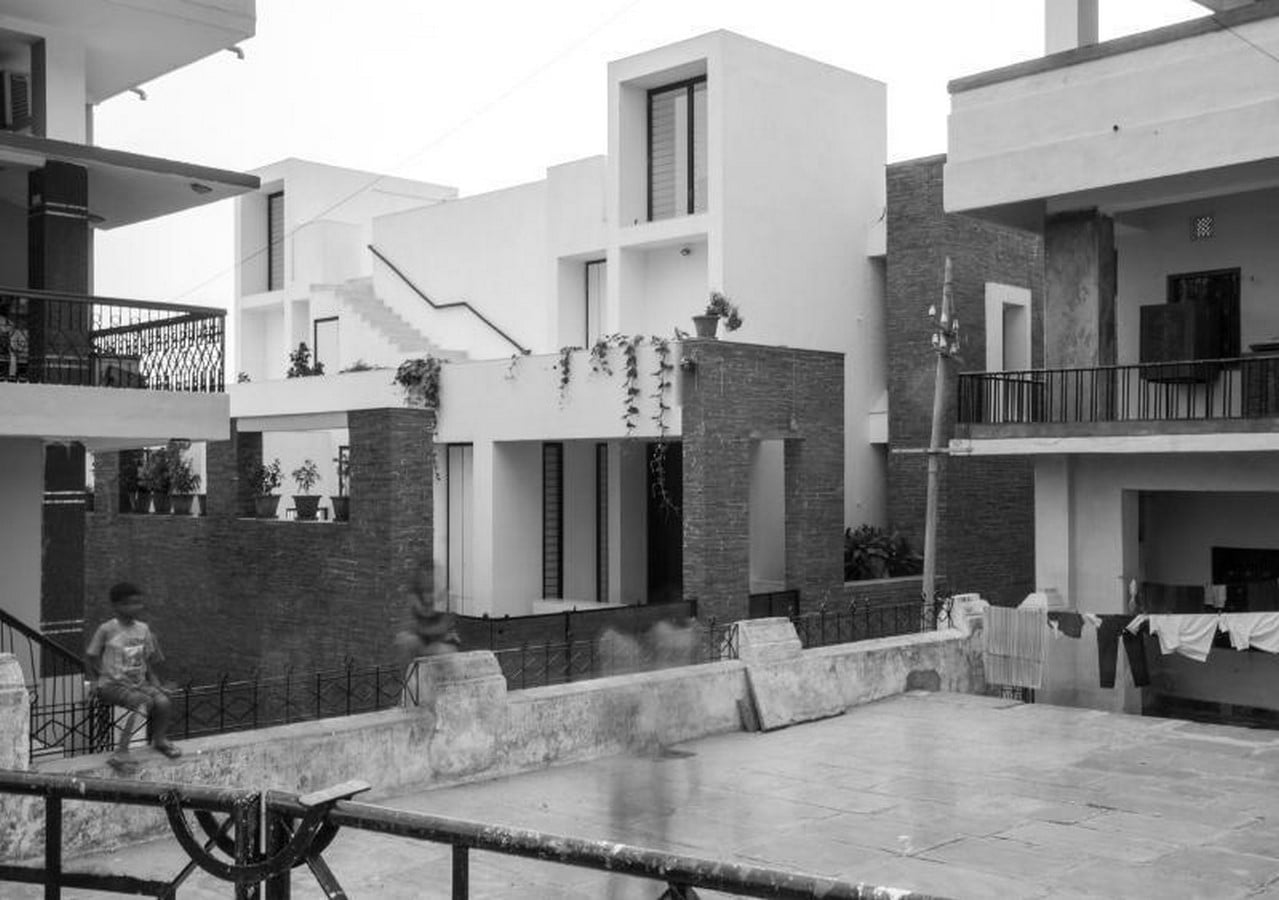
Girish Karnawat mainly focuses on scales and proportion rather than what materials are used in a building, as he believed it gave the soul to architecture. He emphasized that buildings made on a human scale are connected to the soil and nature, over tall skyscrapers that disconnect people from the natural environment. Among the projects discussed in the podcast, two notable examples of his buildings that follow these design philosophies are:
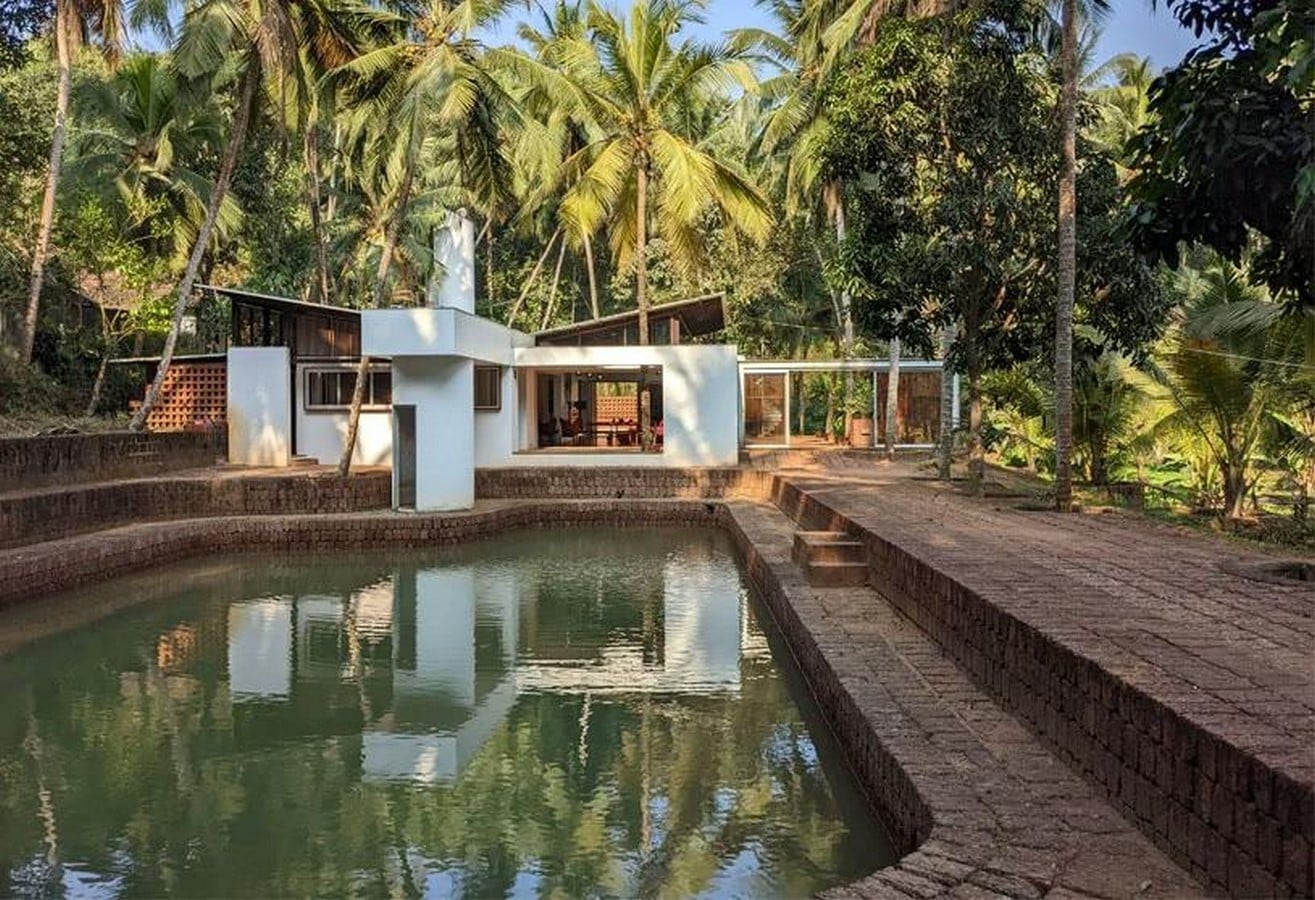
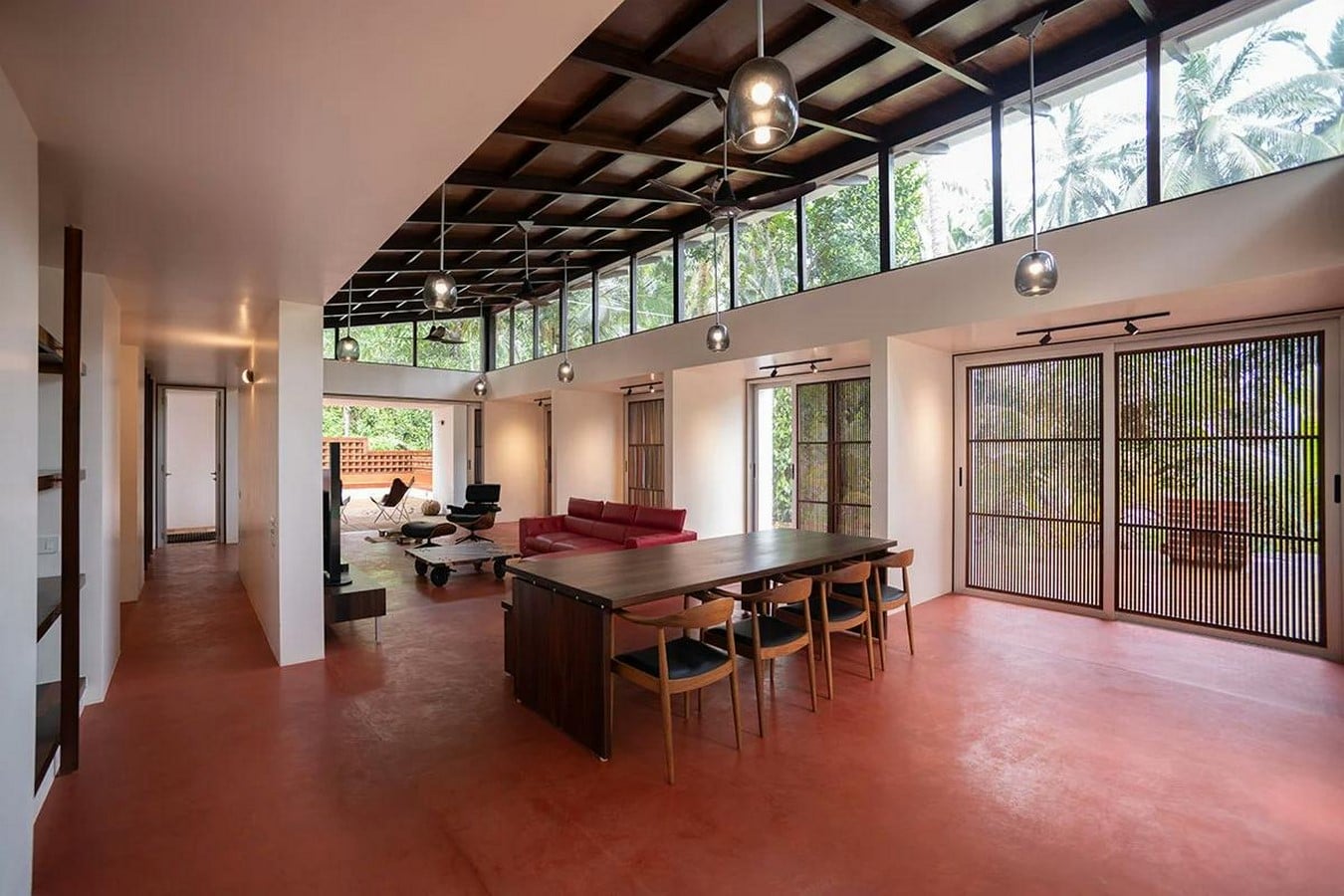
Moon House, Mangalore
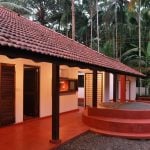
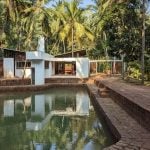
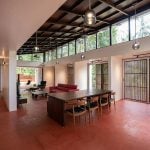
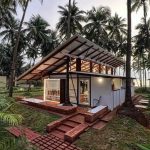
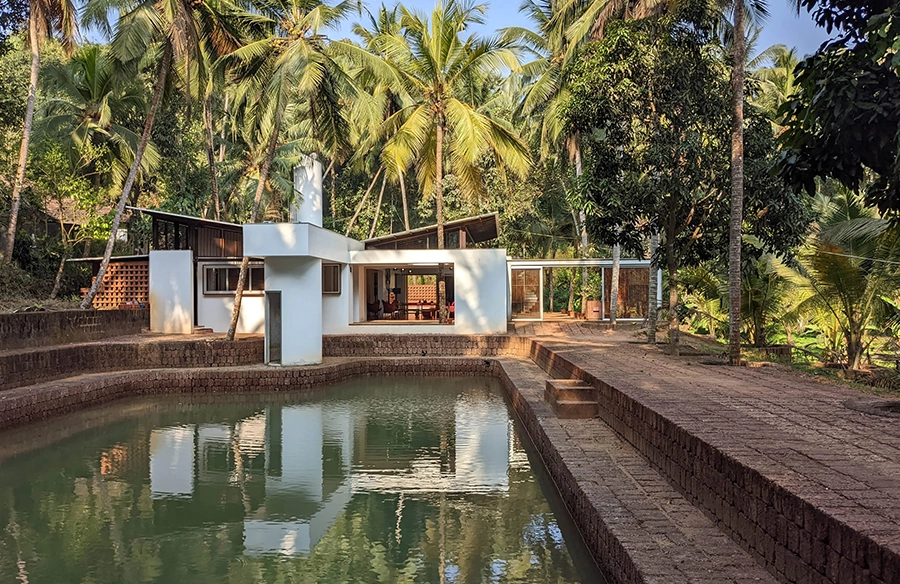
Resting on nature’s lap, along the riverbank, this house is based on blending the modern large glass windows with traditional materials like clay. The existing coconut trees are preserved and give the house a natural showpiece. The large windows open into views of paddy fields, a pond, and a courtyard. The roof of the house symbolizes a bird taking off, linking to the site context and nature. Locally available laterite soil is employed, whereas timber is recycled, resized, and refitted. Red oxide is selected because of the client’s emotional attachment to the material. The major feature of this house is its incorporation of the client’s Muslim culture through thoughtfully designed windows that allow views to the outside while limiting visibility from the exterior, symbolically representing the concept of the Burqa.
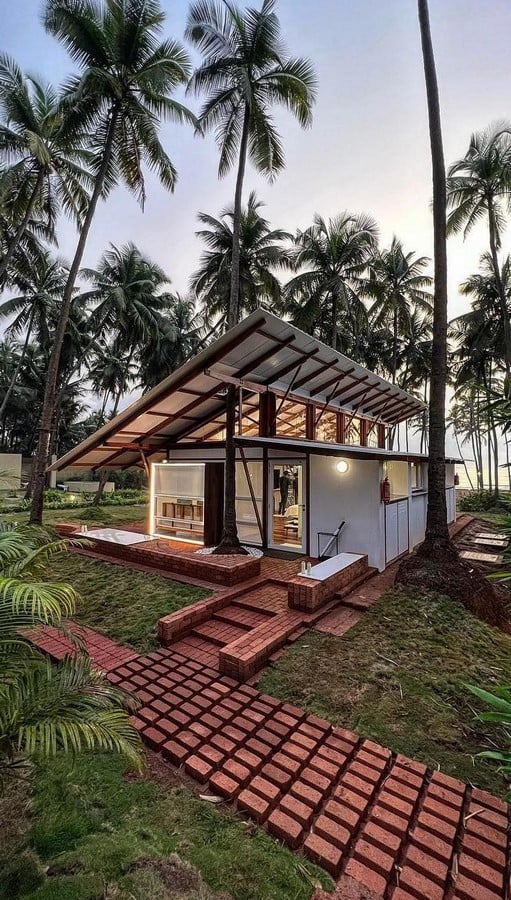
Chalet Moss House, Goa
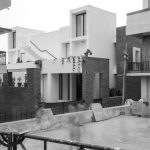
The Chalet Moss House is designed with minimal intervention, carefully preserving all existing trees and allowing the built form to merge with its natural surroundings. The spatial layout is open, with large window openings oriented toward the landscape and the beach, to maximize environmental connectivity. The house features sloped roofs in response to Goa‘s tropical climate and heavy rainfall that ensures efficient drainage. His signature use of wood and glass is also evident in this house.
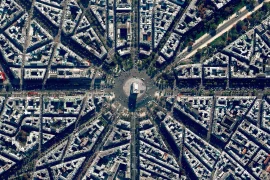
Nowadays, buildings across many regions are increasingly becoming visually similar. For instance, traditional houses in the Himalayan region of Nepal are gradually replaced by concrete and glass structures despite the availability of local materials like stone. While this shift is construction- and time-efficient, it weakens regional identity. The podcast highlights Girish Karnawat’s distinct design philosophy of merging modernism with the physical and narrative aspects of the region in a subtle manner.
Although this approach is conceptually strong and culturally meaningful, it often demands high costs and strong client trust and awareness, which may not be feasible for a large-scale application across a broader population, where speed and affordability are key priorities. Furthermore, he expresses little interest in high-rise buildings as he believes they disconnect people from nature due to their scale. However, since high-rise development is necessary in a world with rapid population growth, it raises the question of whether his philosophy of context, materiality, and nature can be adapted to larger scales rather than being confined to small-scale projects.
Reference:
(2025). Girish Karawat on Modernism, Regionalism, Craft, and Context. Available at: https://www.youtube.com/watch?v=K5fuqPz3mYs&t=12545s (Accessed: 29 April 2026).
(2025). Buildofy. Available at: https://www.youtube.com/watch?v=IZz0vS9Kr5g (Accessed: 29 April 2026).