The Power of Design-Led Branding
Architecture today is constantly negotiating between global influences and local identity. While modern construction technologies have enabled rapid development, they have also created buildings that often resemble one another, regardless of their location. This growing uniformity raises an important question: how can architects design contemporary buildings that still reflect the identity of their region?
In the podcast discussion featuring Girish Karnawat, this issue is explored through the lens of modern regionalism, craft, and context. Karnawat highlights the importance of understanding the cultural, environmental, and social background of a place before designing architecture. His insights emphasise that architecture should not exist in isolation but should be deeply connected to its surroundings.
Through this discussion, the podcast offers valuable lessons on how architects can integrate modern design approaches with traditional knowledge to create meaningful, context-sensitive spaces.

Understanding Modern Regionalism in Architecture
Modern regionalism is an architectural philosophy that attempts to reconcile modern architectural principles with local traditions and regional characteristics. In many parts of the world, contemporary architecture has become increasingly standardised, often relying heavily on glass façades and steel structures. While such designs may appear modern and technologically advanced, they sometimes fail to respond to local climate or cultural identity.
Modern regionalism proposes an alternative approach. Instead of rejecting modern architecture entirely, it encourages architects to reinterpret regional traditions through contemporary design.
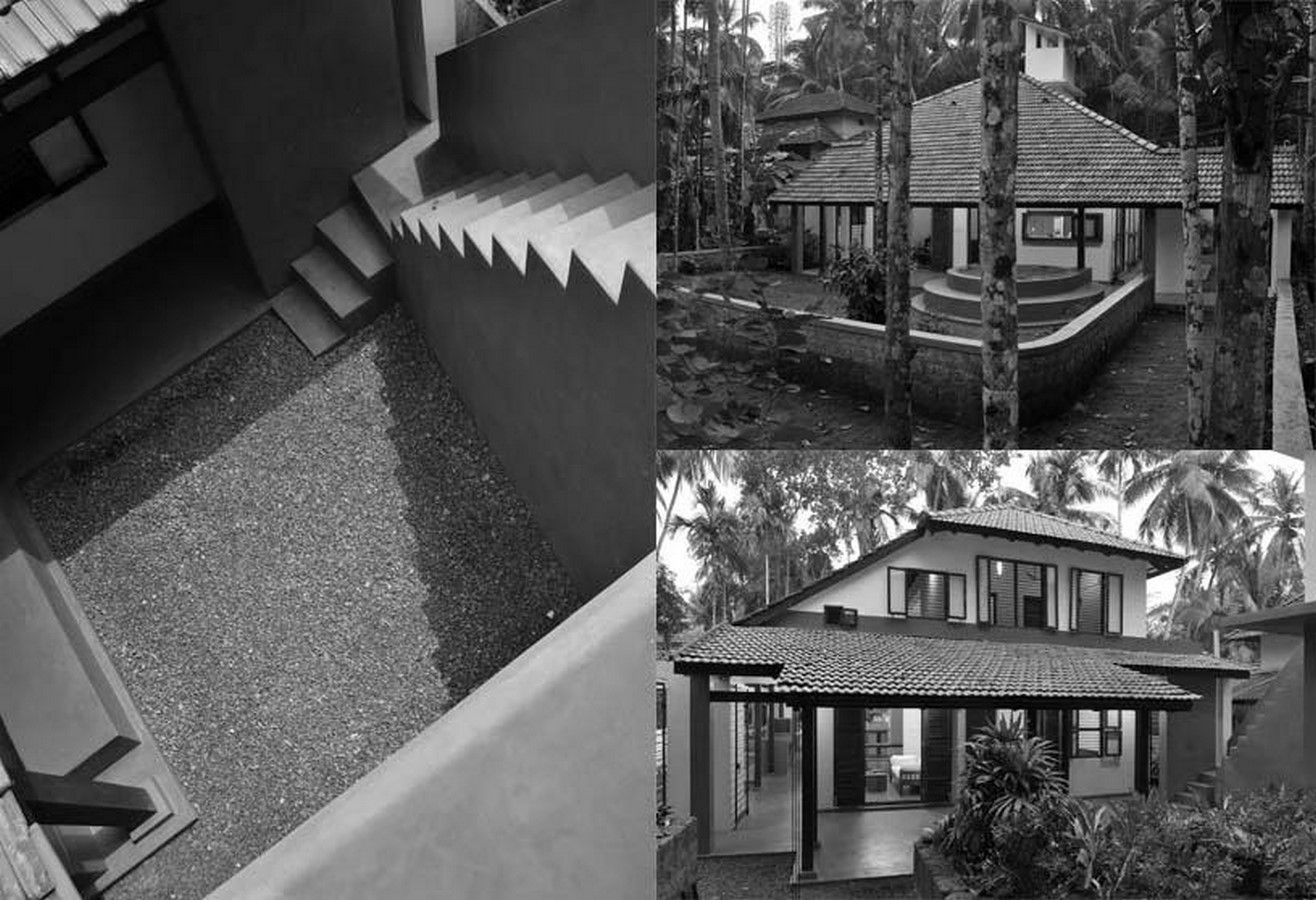
This approach requires architects to analyse several aspects of a place:
- Climate and environmental conditions
- Local materials and construction techniques
- Cultural traditions and lifestyles
- Historical architectural patterns
By integrating these elements into modern designs, architects can create buildings that are both innovative and rooted in local identity.
For instance, traditional Indian architecture often incorporates elements such as courtyards, shaded verandas, and thick masonry walls to regulate indoor temperature. These features were developed over centuries as responses to climatic conditions. Modern regionalism encourages architects to adapt such strategies in contemporary buildings to enhance sustainability and comfort.
The Role of Context in Architectural Design
Context is one of the most significant factors influencing architectural design. A building is not an isolated object; it interacts with its environment and the people who use it. Therefore, understanding the context of a site is essential for creating meaningful architecture.
Environmental Context
Environmental factors such as sunlight, wind direction, rainfall, and temperature significantly affect building design. Traditional architecture often demonstrates remarkable climate responsiveness.
For example, buildings in hot regions often feature shaded courtyards and narrow openings to minimise heat gain. In contrast, structures in colder climates may maximise sunlight exposure to improve warmth and comfort.
By studying these environmental conditions, architects can design buildings that reduce energy consumption while improving occupant comfort.
Cultural Context
Architecture also reflects the cultural values and traditions of a community. Spaces are shaped by social practices such as family gatherings, festivals, and religious activities.
When architects design with cultural context in mind, they create buildings that resonate with the people who use them. Ignoring cultural patterns, however, can lead to spaces that feel disconnected from the community.
Urban Context
In urban environments, architecture must respond to surrounding buildings, street patterns, and public spaces. The scale, materials, and proportions of new buildings should complement the existing urban fabric rather than disrupt it.
Thoughtful contextual design ensures that architecture contributes positively to the overall character of a neighbourhood.
Craft as a Vital Element of Architecture
Another important theme highlighted in the podcast is the role of craftsmanship in architectural design. Craft refers to the traditional skills and techniques used by artisans working with materials such as stone, wood, metal, and clay.
Historically, architecture relied heavily on skilled craftsmen who shaped materials with precision and creativity. These artisans contributed unique textures, patterns, and details that gave buildings a strong sense of character.
However, modern construction methods often prioritise speed and cost efficiency. As a result, handcrafted elements are sometimes replaced by mass-produced materials.
Girish Karnawat emphasises that incorporating craft into architecture can greatly enrich the design process. When architects collaborate with local artisans, they create buildings that reflect regional traditions while also supporting local economies.
For example:
- Stone carving can add depth and texture to façades.
- Handcrafted wooden screens can provide shading while creating intricate patterns of light and shadow.
- Traditional brickwork techniques can generate visually striking surfaces.
These elements not only enhance aesthetics but also preserve valuable cultural knowledge.
Balancing Tradition and Modern Innovation
One of the challenges faced by contemporary architects is balancing respect for tradition with the need for innovation. Simply copying historical architectural styles does not address modern functional requirements or technological possibilities.
Instead, architects must reinterpret traditional principles in creative ways.
For example:
- Courtyards can be transformed into modern atriums or community spaces.
- Local materials can be combined with contemporary structural systems.
- Passive cooling strategies can reduce reliance on mechanical air conditioning.
Such approaches demonstrate that traditional knowledge can inspire modern architectural solutions rather than limit them.
By bridging the gap between past and present, architects can develop designs that are both culturally meaningful and technologically advanced.
Regional Identity in a Globalised World
Globalisation has significantly influenced architecture by enabling the exchange of ideas and technologies across different regions. While this has led to innovation and experimentation, it has also produced a certain level of architectural uniformity.
Many cities now feature similar glass towers, shopping centres, and residential complexes that could easily exist anywhere in the world. This trend risks diminishing the unique identity of different regions.
Modern regionalism offers a way to counter this homogenisation by emphasising local distinctiveness. Instead of adopting generic design solutions, architects can celebrate the cultural and environmental qualities that make each place unique.
When buildings respond thoughtfully to their surroundings, they contribute to a stronger sense of place and community identity.
Lessons for Emerging Architects
The ideas presented by Girish Karnawat provide several important lessons for emerging architects.
First, architects must develop a deep understanding of the place. This involves studying not only the physical characteristics of a site but also its cultural and social context.
Second, collaboration with local craftsmen and communities can enrich the design process and preserve traditional knowledge.
Third, sustainable design should draw inspiration from traditional architectural strategies that evolved in response to climate and environmental conditions.
Finally, architects should strive to create buildings that reflect regional identity while embracing modern innovation.
These principles can guide architects in designing spaces that are both meaningful and responsible.
The podcast featuring Girish Karnawat offers valuable insights into the relationship between architecture, culture, and context. By emphasising modern regionalism, craft, and contextual design, Karnawat highlights the importance of creating architecture that responds to its surroundings.
In a rapidly globalising world, maintaining regional identity in architecture is more important than ever. Buildings should not merely follow global design trends but should reflect the climate, culture, and traditions of the places in which they are built.
Through thoughtful integration of modern technology and traditional knowledge, architects can design spaces that are sustainable, culturally meaningful, and visually distinctive.
Ultimately, architecture has the power to shape not only the physical environment but also the cultural identity of communities. By embracing the principles of regionalism, context, and craft, architects can ensure that their designs contribute positively to both the built environment and the society it serves.