The Milano Cortina 2026 Winter Olympics can be seen as a defining phase in the history of Olympic architecture because of the innovative approach it adopts towards architecture and planning, unlike its predecessors, which involved massive construction projects. The Games will be hosted at several venues in northern Italy, such as Milan, Cortina d’Ampezzo, Livigno, and Verona. The architectural principles underlying the 2026 Games include adaptive reuse, circularity, and regeneration, with more than 90% of the venues either existing or temporary.
A Decentralized Masterplan for Milano Cortina 2026 Winter Olympics
Milano Cortina 2026 features a unique master plan covering multiple locations. Unlike previous Olympic Games, these events will be held in separate clusters, making it the largest Winter Olympics in history.
The current approach can be considered a move towards contextual architecture because venues become an integral part of a city and its landscape instead of standing out from their environment. It allows for highlighting the regionality of a venue in terms of architecture in the context of an Olympiad.
Reuse and Adaptive Architecture in Milano Cortina 2026 Winter Olympics
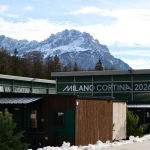
Milano Cortina 2026 is fundamentally driven by an ethos of reuse for the sake of sustainability. Indeed, more than 85–90% of venues will involve pre-existing infrastructure or temporary constructions. The reuse of historic venues is evident from cases like the Stadio Olimpico del Ghiaccio at Cortina, which was first built during the mid-20th century. Its design, incorporating timber cladding and jagged lines inspired by the nearby mountains, illustrates the way in which regional architecture and aesthetics can be maintained despite improved performance metrics. Alpine locations such as Livigno and Bormio are utilizing preexisting hotels for Olympic villages as part of a reuse strategy.
The Olympic Village in Milano Cortina 2026 Winter Olympics
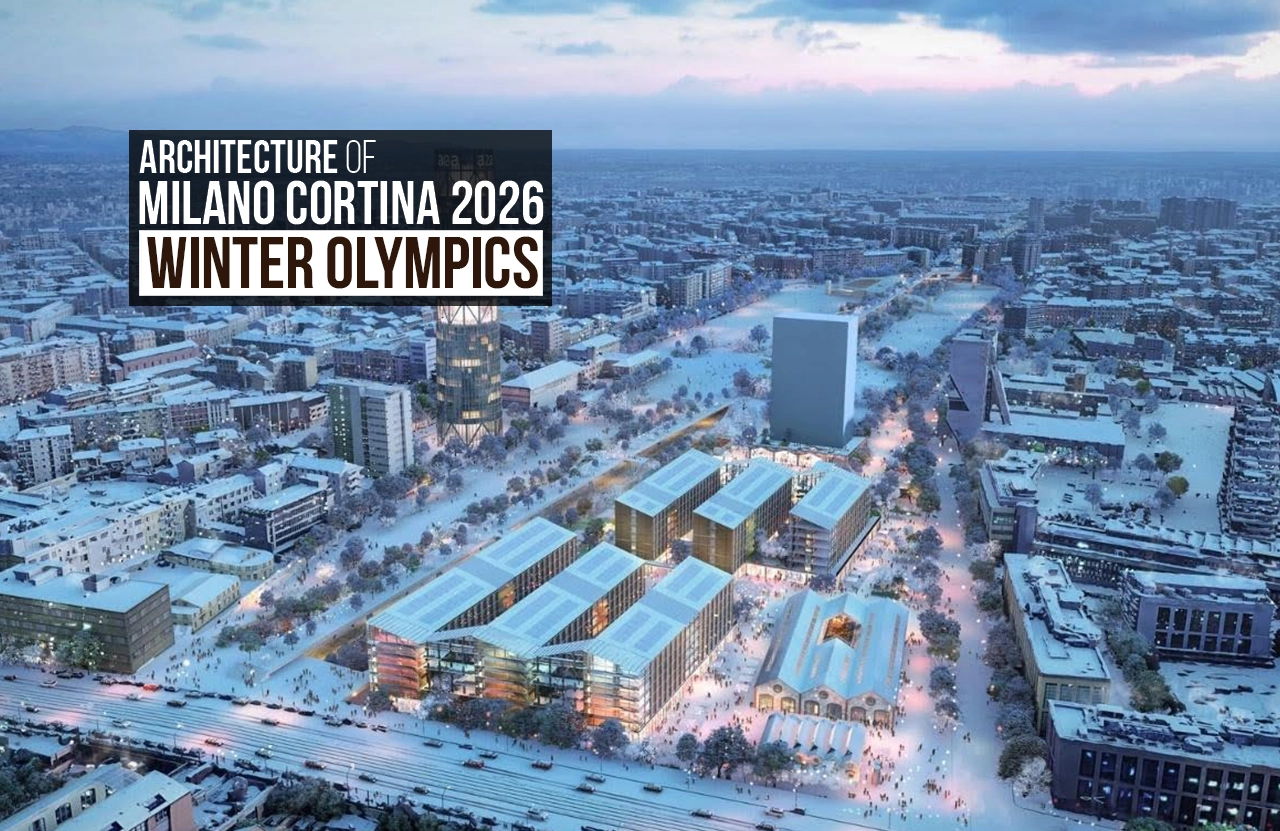
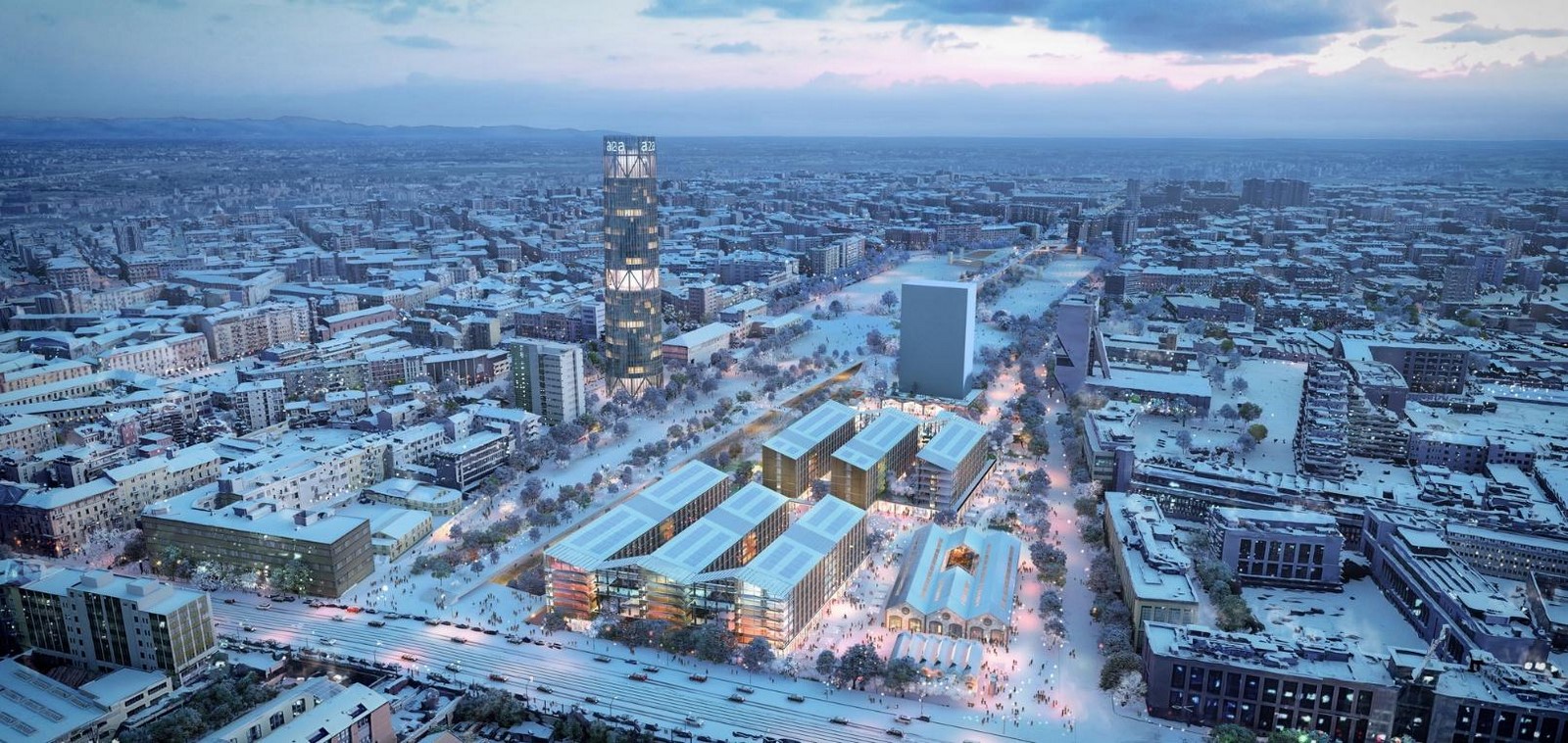
A further important architectural project is the Olympic and Paralympic Village, located in Porta Romana. The Olympic Village, designed by Skidmore, Owings & Merrill (SOM), is far more than merely a dormitory complex for athletes; it represents the art of sustainability itself. Built on an old railway yard site, the village is an example of urban regeneration through adaptive reuse. The architectural design features prefabricated apartments, common areas, and the restoration of historical buildings. After the Olympics, it will transform into student residences for about 1,700 students.
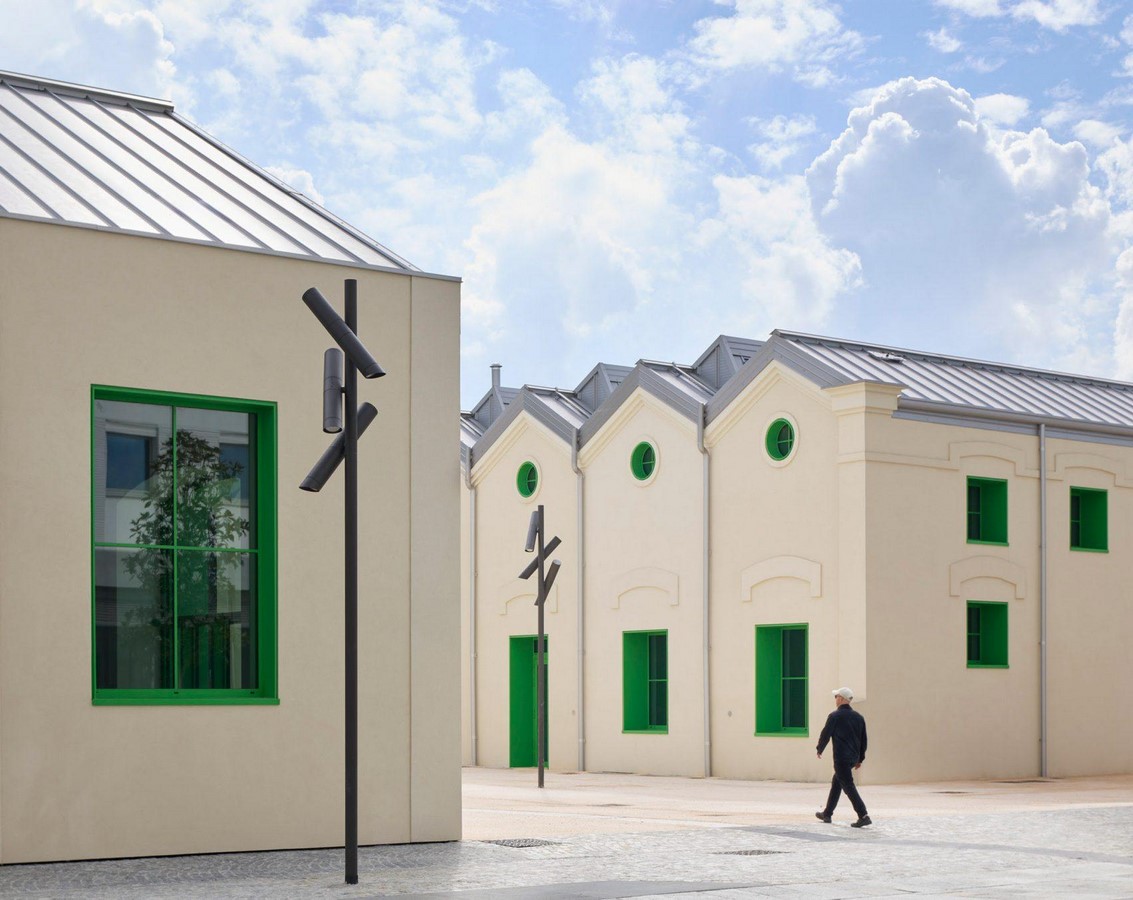
The development includes six brand new residential buildings and the refurbishment of two historically significant buildings: the Squadra Rialzo locomotive workshop and the Basilico building. These have been accomplished through an architectural design that follows the linear bar style characteristic of Milanese industrial history. The architectural style promotes socialization and high-performance sustainability, with pedestrian bridges, green roofs, and renewable energy sources like solar panels.
Landscape and Alpine Architecture in Milano Cortina 2026 Winter Olympics
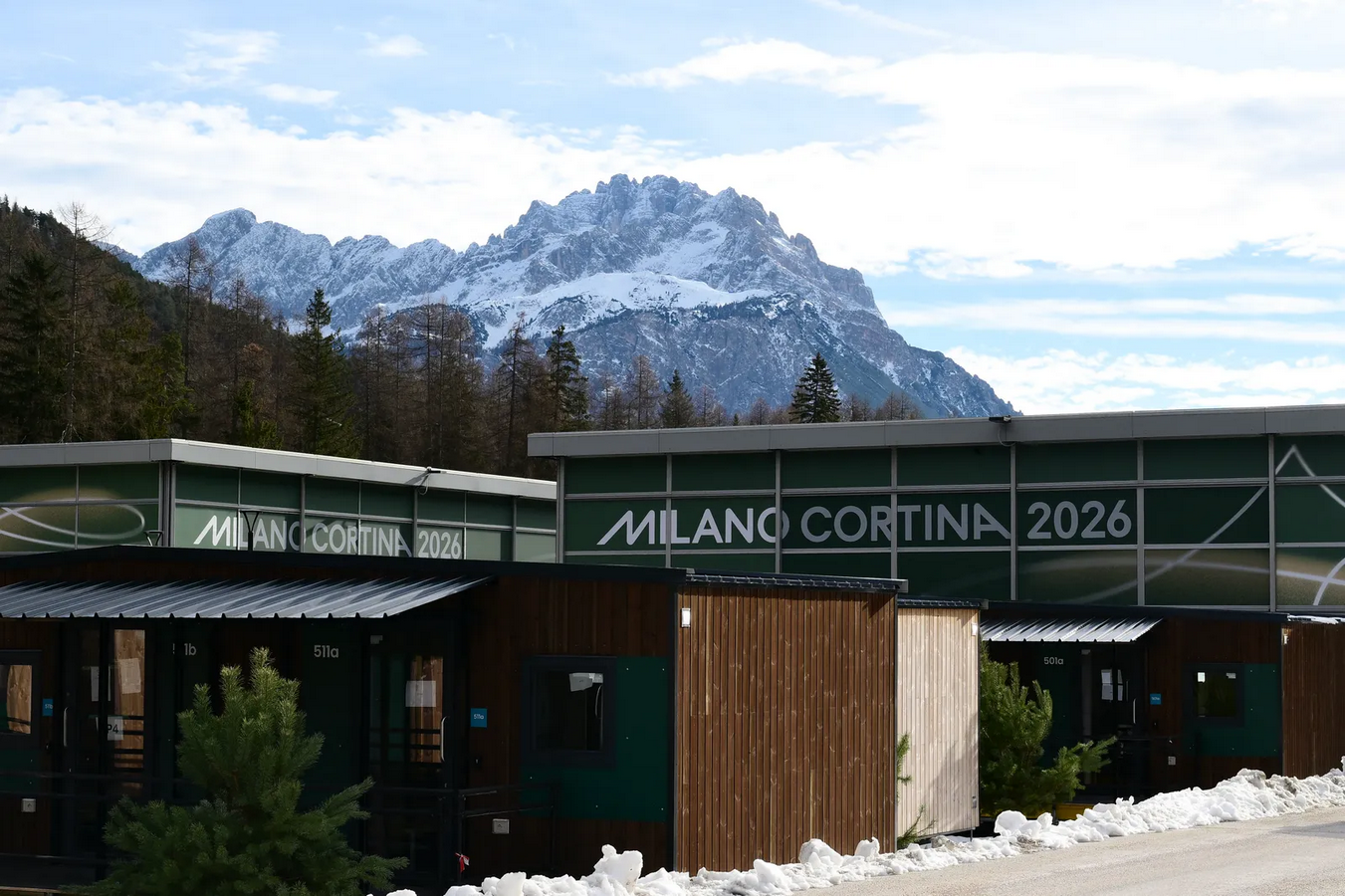
Unlike Milan, which has undertaken interventions within an urban context, the Alpine venue has embraced architecture that blends well into its surroundings. The facilities at Cortina, Anterselva, and Val di Fiemme have been designed in such a manner that their construction does not disrupt the natural landscape. The design of these venues makes extensive use of topography, whereby slopes, snow conditions, and mountains influence the architecture. Instead of building iconic buildings, emphasis is laid upon incorporating architecture with nature by using materials such as wood and stone.
Flexible Architecture in Milano Cortina 2026 Winter Olympics
Yet another important feature of Milano Cortina 2026 is the deployment of temporary and modular architecture. Many of the facilities are intended to be disassembled or reconfigured following the event, thereby avoiding the possibility of “white elephant” buildings. Temporary constructions can even apply to interior settings and exhibition spaces, where architects and artists play a part in creating an ephemeral architectural vocabulary. Such a paradigm shift signals a departure from traditional notions of architectural design towards adaptability and longevity.
Accessibility and Inclusive Design in Milano Cortina 2026 Winter Olympics
One of the great achievements of this Games’ architecture is the aspect of accessibility for everyone, especially at the Paralympic Village. Examples of accessibility features include wheelchair accessible pathways, adjustable furniture, and friendly sensory design to showcase designs that enhance people’s ability to use them. Accessibility is not just an option, but a key design element that serves as a standard of future urban development.
The architectural character of the Milano Cortina 2026 Games represents an important departure from the tradition of constructing spectacular buildings to a more responsible approach that respects local conditions and contextuality. In terms of reuse, regional character, sustainability, and legacy, the Milano Cortina Games represent an example of the future Olympics.
Instead of being an iconic piece of architecture, Milano Cortina proposes places that emerge from their own unique contexts of nature and culture. Whether in the form of historically constructed venues of Cortina or contemporary architecture of Milan, the architecture narrates a story about the balance between heritage and modernity, sustainability and progress.
In summary, the Milano Cortina 2026 Games not only represent an Olympic event but also a successful example of architecture in response to global issues while contributing to local cultural heritage.