Introduction
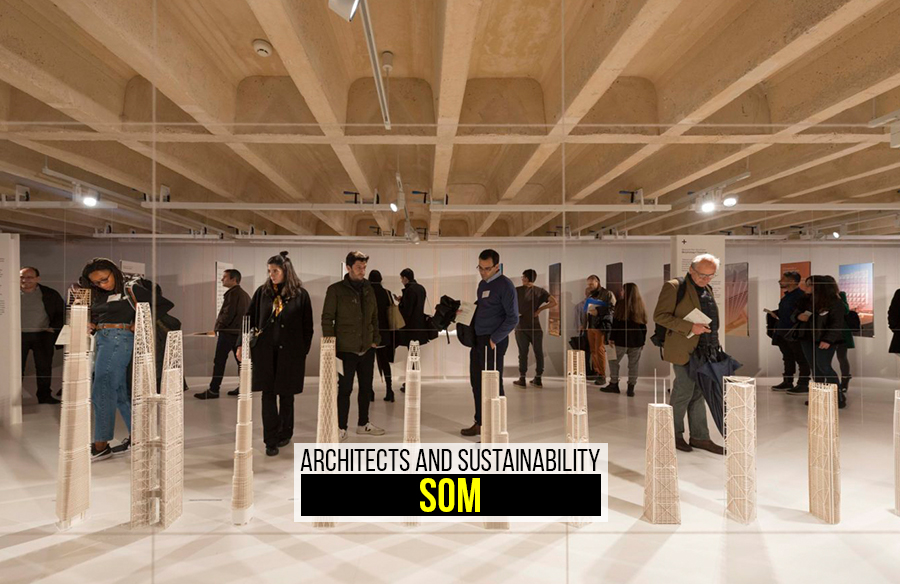
Skidmore, Owings, and Merrill, also known as SOM, is an influential firm specializing in architecture and has a significant contribution to sustainability in its projects worldwide, as sustainability has become a key element of today’s architectural designs. SOM firm has made a progressive influence on the architectural scenery with its phenomenal portfolio of eco-friendly, sustainable structures and buildings. By obtaining sustainable materials and putting in effective waste management systems, SOM has been able to reduce the environmental influence of its construction processes, Interdisciplinary design company SOM has been in charge of some of the most innovative projects. For example, the Burj Khalifa in Dubai, the world’s tallest building, and the One World Trade Center.
SOM: Embracing Sustainability in Design
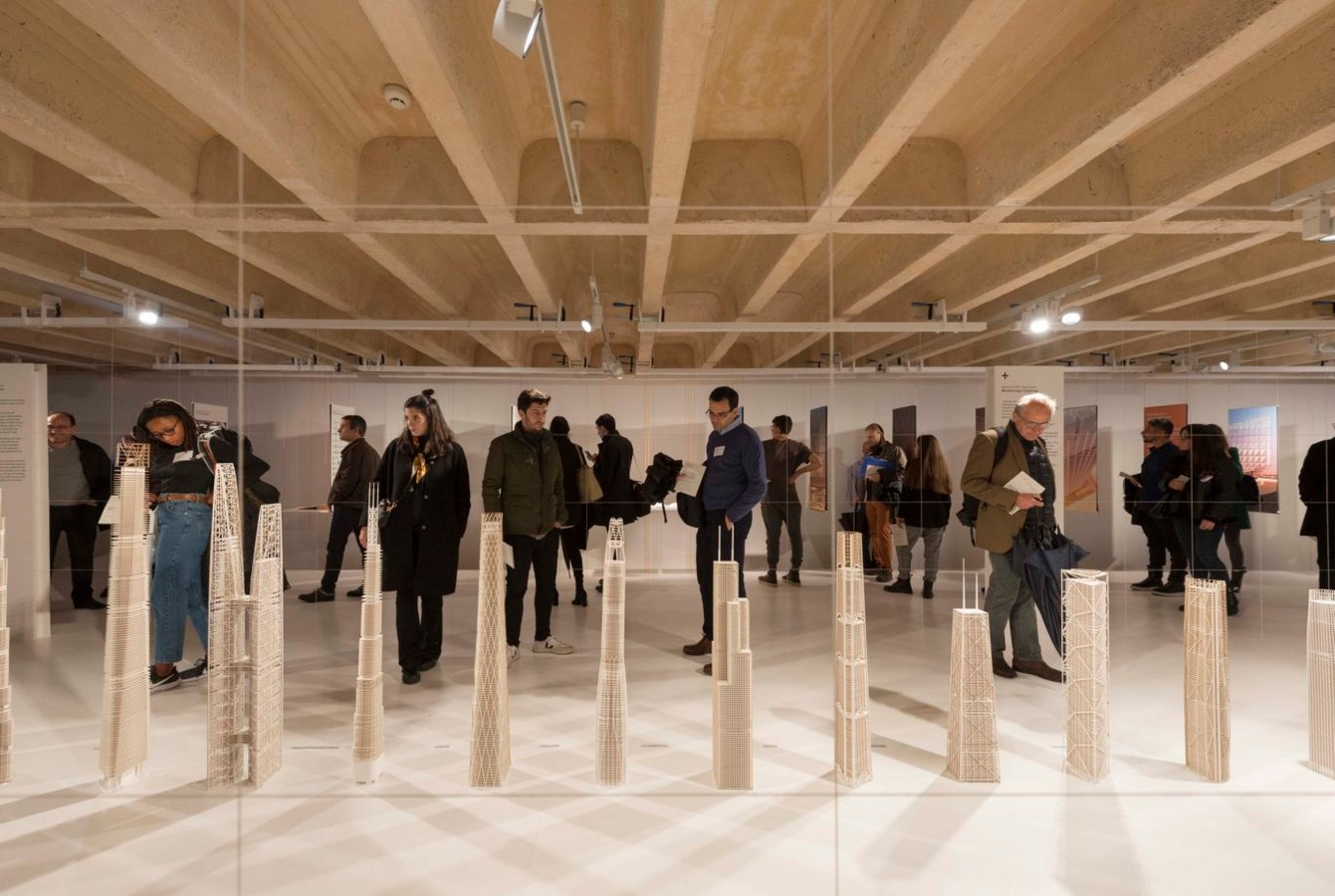
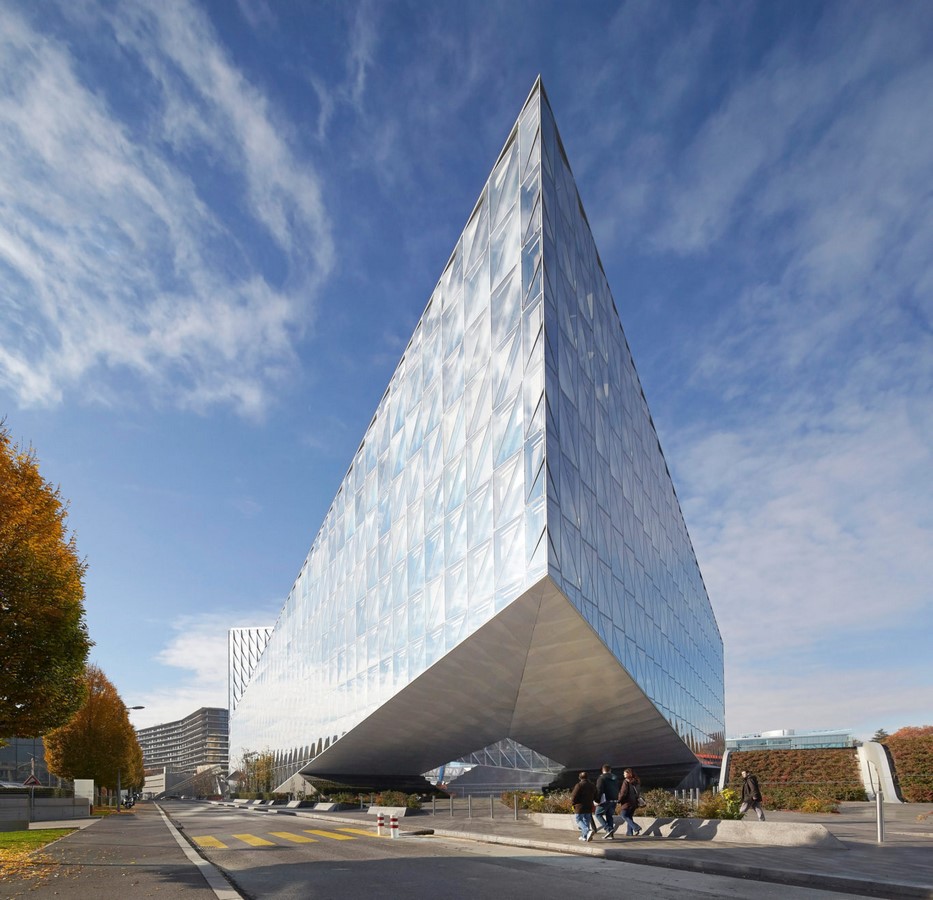
The innovative and progressing access to the architecture used by SOM is renowned. They have been leaders in developing ecologically friendly structures because they strongly believe in incorporating sustainable methods into their designs. Examining SOM’s famous projects and the guiding concepts that make them successful is crucial to understanding the firm’s sustainable design ethos. In its architectural designs, SOM has made sustainability a central tenet. SOM has been able to diminish the environmental influence of its buildings by using sustainable materials, incorporating renewable energy sources, and installing adequate water and waste management systems. SOM’s accomplishment of LEED (Leadership in Energy and Environmental Design) certifications for its projects displays its commitment to sustainability. The sustainable projects by SOM supply role models for the architectural industry. SOM has pushed other businesses to place a higher priority on sustainable operations by proving that sustainability and aesthetically pleasing architecture can coexist. The firm has created a standard for the industry to follow with its adherence to lower carbon emissions, saving resources, and fostering healthy environments. Today, architects from all around the world turn to SOM for inspiration and advice on how to incorporate sustainability into their designs.
Iconic sustainable structures: Burj Khalifa, Dubai
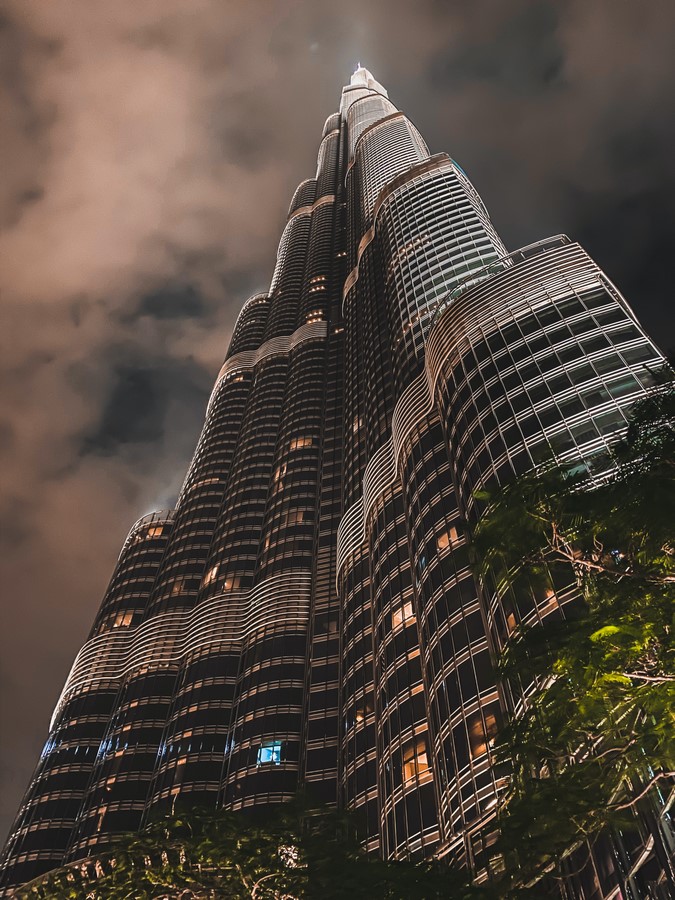
One of SOM’s prominent works is The Burj Khalifa in Dubai. It serves as a testimony to their commitment to designing sustainable settings. Burj Khalifa, the world’s tallest structure, has cutting-edge energy-efficient systems, such as a condensate recovery system and a high-performance façade, which dramatically lower its energy usage (SOM, n.d.). These initiatives show SOM’s dedication to building sustainably in ways that go beyond just aesthetics. SOM successfully achieved a greener design by planning the application of sustainable features. The orientation of the building maximizes natural light and reduces the requirement for artificial lighting, which economise a lot of energy. In order to minimize water usage, the Burj Khalifa also makes use of effective water management techniques, including on-site wastewater treatment and effective irrigation. These eco-friendly approaches not only illustrate SOM’s knowledge but also serve as a model for upcoming developing architectural endeavors.
One world trade centre: A Symbol of Resilience and Sustainability
One World Trade Center is proof of SOM’s dedication to sustainability as a symbol of resiliency, memory, and sustainability in New York City. The structure of the building has been constructed using inventive materials, eco-friendly technologies, and creative waste disposal strategies. To produce clean energy, SOM included renewable energy strategies and technologies like rooftop solar panels and wind turbines. Moreover, the project’s carbon footmark has been lowered by using repurposed and locally obtained materials, making the construction process more environmentally and eco-friendly. The incorporation of these eco-friendly components improves the building’s performance and functionality while also displaying SOM’s commitment to environmental responsibility.

SOM: An engine for innovation and research
The dedication to sustainability at SOM goes beyond specific projects. The business actively works in research and development to investigate novel solutions for a built environment that is more sustainable. SOM advances sustainable design through partnerships with engineers, scientists, and other professionals in the field. For instance, the company has worked on creating energy-generating facades, vertical gardens, and ideas for adaptive reuse to turn old buildings into sustainable spaces (SOM, n.d.). By leading these initiatives, SOM is not only tackling the current environmental issues but also encouraging upcoming architects to approach sustainable design in novel ways.
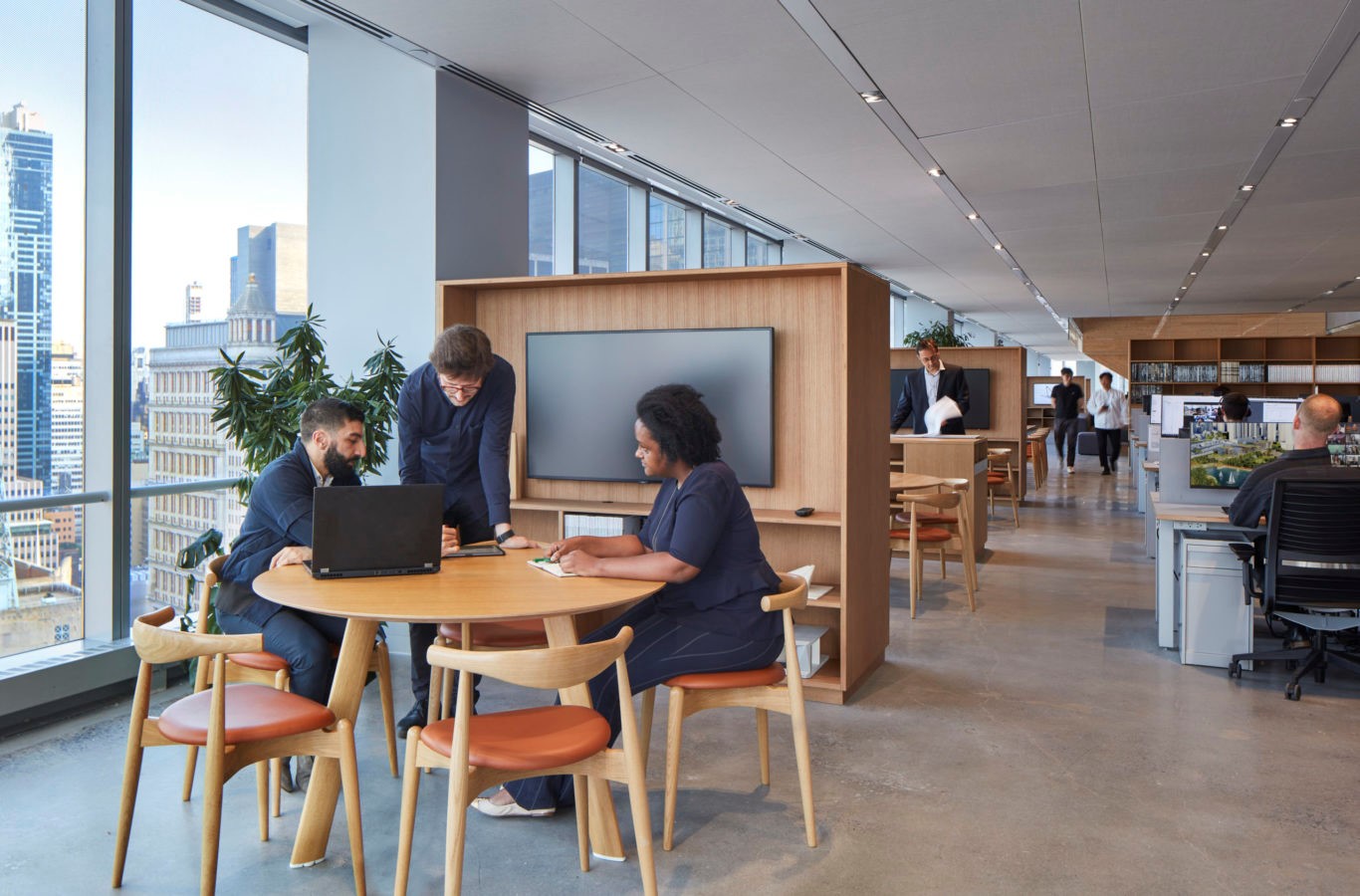
Finally, from creating some of the early collaborative CAD tools to coming up with the technical solution for the tallest building in the world, Burj Khalifa, SOM has spent decades investing in research that has revolutionized the design, engineering, and construction sector. SOM’s capacity to push the limits of sustainable design is endorsed by accomplishing projects like the Burj Khalifa and One World Trade Center. They are just two of SOM’s notable projects. These projects serve as examples of environmentally responsible architecture, concluding how form, function, and aesthetics may coexist in harmony. The precedent set by SOM acts as a beacon of hope, inspiring architects to emphasize sustainability and build a better future for future generations as the world faces mounting environmental concerns.
References:
- Abdelrazaq, A. (2011). Validating the Dynamics of the Burj Khalifa. CTBUH Journal, 2, 18–23. http://www.jstor.org/stable/24192912
- ADAMS, N. (2019). William S. Brown’s “SOM: The Formative Years” (1983): A New History of Skidmore, Owings & Merrill. Journal of the Society of Architectural Historians, 78(3), 254–258. https://www.jstor.org/stable/26859493
- Skidmore, Owings & Merrill (SOM). (n.d.). Sustainable Design. Retrieved from https://www.som.com/ideas/sustainable_design
- Lewis, K., & Holt, N. (2011). One World Trade Center, New York. CTBUH Journal, 3, 14–19. http://www.jstor.org/stable/24192511