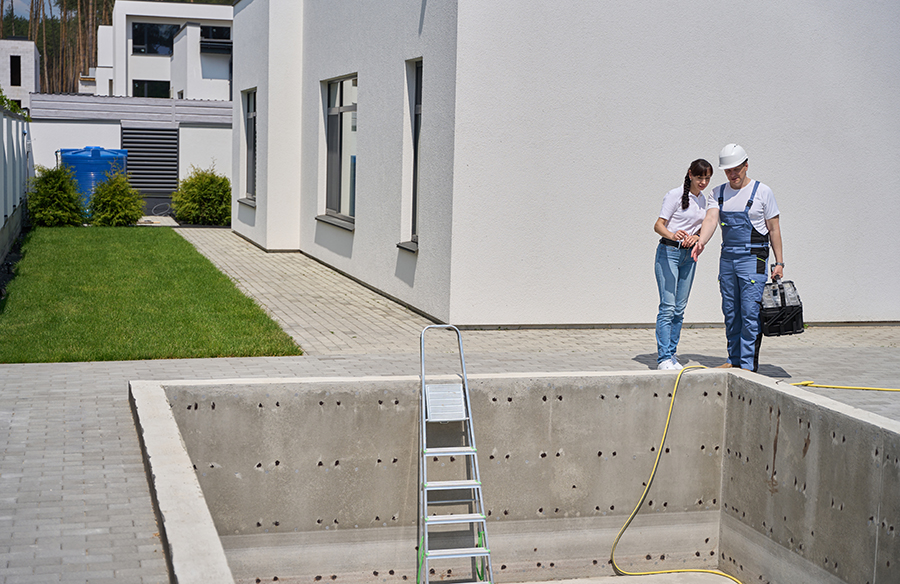
The architectural conversation around residential and resort water features has moved well past the standard rectangular pool. Vanishing-edge pools, raised spas with cantilevered spillways, ornamental water elements integrated into hardscape, plunge pools cut into elevated terraces, and pools designed as visual focal points for entire residences. The aesthetic ambition is real, the engineering complexity has scaled with it, and the consequence is that a small failure that would have been a minor issue on a 1980s pool is now a meaningful structural and reputational problem on a current high-end build.
 This is where a properly equipped specialist matters. A current-generation Leaklab pool repair & leak detection services provider does not show up with a screwdriver and a guess. The specialist toolkit includes acoustic listening equipment, helium-injection detection, dye testing, pressure-decay analysis, and thermal imaging. The same trade that used to be a journeyman plumbing extension has matured into a discipline with the equipment list and the diagnostic discipline that an architectural project of any significant scale should expect from any specialist consultant on the team.
This piece is for the architect, the residential designer, the resort developer, or the high-end owner whose latest project includes a meaningful water feature. The mechanics of building a service relationship into the project plan are not complicated, and the long-term consequence of skipping that step shows up sooner than most teams expect.
Why Architectural Pools Leak in More Complex Ways Than Production Pools?
A standard production pool typically has a single equipment pad, simple plumbing runs, and standardised fittings. When that pool develops a leak, the problem is usually obvious within a week and the fix is straightforward.
An architectural pool is a different animal. Multi-zone equipment with separate pumps for the spa, the spillway, the water feature, and the cleaning system. Plumbing runs that snake under decking, through retaining walls, around lighting conduits, and over structural transitions. Fittings that have to coordinate with hardscape pavers, stone caps, and integrated sculptural elements. Plaster and tile finishes that hide expansion joints and structural transitions. Each one of these design choices adds beauty and adds complexity, and a leak that develops anywhere in the system is genuinely harder to find.
The same architectural ambition that drives the visual scale of the largest residences in the world translates directly into the complexity of the water systems integrated into those residences. Pools and water features at this level are not commodity installations. They are bespoke elements with bespoke maintenance demands, and the team that designs them owes the eventual owner an explicit plan for how the maintenance will work over decades.
What a Modern Pool Leak Detection Service Brings to an Architectural Build?
The current generation of detection equipment is meaningfully more advanced than the dye-and-listen approach of a generation ago.
 Acoustic listening devices. Specialised microphones picking up the sound signature of pressurised water escaping a small breach. The technician uses headphones and a sensitive ground plate to triangulate the leak to within inches.
Helium injection detection. For very small leaks that defeat acoustic methods, helium is injected into the affected line and a surface sweep with a helium-sensitive detector finds where it escapes.
Pressure decay analysis. Plumbing zones are isolated and monitored for pressure loss over a controlled interval. Identifies which zone is leaking before localising the exact point.
Dye testing. Used inside the pool to identify cracks in the shell or fitting failures. The dye drifts toward the leak and the technician traces it.
Thermal imaging. Used under decking and hardscape, where escaping water has cooled or warmed the surrounding ground enough to register on infrared. Best done at certain times of day when the temperature differential is highest.
Camera-based pipe inspection. For accessible plumbing runs, a small inspection camera produces a video record of the interior pipe condition.
The good services bring all of these tools to a job and choose the right approach based on what the initial assessment suggests. The cheap services bring one tool and try to make every leak fit it.
What Architectural Choices Affect Detection and Repair?
The same materials and finishes that make an architectural project distinctive also affect how detection and repair are approached.
Travertine, limestone, or natural stone decking. Pavers can be lifted carefully and reset without visible damage if the technician has the right tools. Cheaper concrete decking often has to be cut and patched, which is a meaningful aesthetic cost.
Plaster, pebble, or specialty pool finishes. Different finishes have different leak signatures. A high-end pebble finish with epoxy grout has fewer leak paths than a standard plaster finish, but when it does fail, the repair is more involved.
Tile waterlines and decorative tile bands. Tile-related leaks often present at the waterline expansion joint. The repair requires careful tile removal and replacement, ideally with stock from the original installation.
Vanishing edge and spillway construction. The transitions between the main pool, the catch basin, the spillway, and the equipment lines are common leak sites. The architect’s drawings should preserve access to each transition for future testing.
Integrated water features. Custom waterfalls, fountains, and sculptural water elements share plumbing with the main pool more often than is ideal. Designs that isolate the feature plumbing on a dedicated zone make eventual leak detection much easier.
Hardscape over plumbing. The kind of structural integration documented in the largest waterparks in the world is impressive at scale, and the same engineering discipline applies at residential scale. Plumbing should be routed for accessibility, not just for aesthetics.
Why Architectural Owners Need a Specialist Relationship Before the Pool Leaks
The math is worth being explicit about. A typical high-end pool that loses one percent of its volume per day is leaking about two to four hundred gallons. Over a month, the wasted water cost in a temperate market runs a few hundred dollars. Over a year, the running total includes water, treatment chemicals, heater energy, and pump runtime, plus the hidden costs of structural impact under hardscape, into garden beds, or against retaining walls.
Detection costs a few hundred to a couple of thousand dollars depending on the complexity of the system. Repair costs depend entirely on what was found and how much hardscape needs to be lifted to reach the leak. The pattern that holds across hundreds of architectural builds is that the cost of detection is almost always less than the cost of a single year of running an unidentified leak, and the cost of repair on a build with documented service paths is dramatically less than the cost on a build without them.
The water-conservation angle is also material. Industry-wide guidance from the EPA’s WaterSense program documents how much water typical residential outdoor uses consume, and pool leaks sit near the top of the avoidable-loss category. A high-end residence whose pool is silently dropping volume each week is paying for that water both directly and indirectly, and the broader sustainability conversation that drives green-building certification through bodies like the U.S. Green Building Council treats undetected water loss as a meaningful negative in the building’s overall performance score.
Common Mistakes Architects and Designers Make Around Leak Detection
A short list of recurring mistakes shows up when high-end builds run into long-term leak problems.
Treating detection as a plumber’s task. The current category has matured into a specialist discipline. Generalist plumbers find some leaks and miss many.
Skipping pressure-test documentation at handover. The builder should pressure-test all plumbing runs before final hardscape goes down, with documented results delivered to the owner. Too many high-end builds skip this and the owner has no baseline.
Burying access points permanently. Equipment access, valve access, and the ability to isolate plumbing zones for future testing should be designed in, not bolted on after a problem.
Ignoring the auto-fill device. Many high-end pools have an automatic water-level top-up mechanism, and a stuck float or failed valve there can quietly fill the pool faster than the leak loses it, masking the leak entirely.
Choosing the cheapest repair quote without confirming the diagnosis. The technician who finds the leak quickly is usually a better choice than the one who quotes a low repair cost but has not localised the leak precisely.
Not maintaining a leak history file. Every event and repair should be documented and added to the project’s maintenance file. Patterns emerge over years that inform when major remediation is justified.
Frequently Asked Questions From Architects and High-End Owners
How often should an architectural pool be professionally inspected for leaks?
For high-value builds, an annual inspection by a specialist is reasonable insurance. Builds in highly active soil zones, areas with significant freeze-thaw cycles, or properties with documented earlier leaks should consider semi-annual inspections.
Will leak detection require breaking up my hardscape?
Not necessarily. The whole point of acoustic, helium, and pressure-decay tools is to localise the leak before any excavation. A skilled technician can usually identify the exact spot to lift a single paver or cut a small access window rather than tearing into a large area.
How do I know whether the leak is in the plumbing or the pool shell?
A skilled technician will run a sequence of tests starting with bucket testing to compare evaporation against actual loss, then dye-testing the shell, then isolating each plumbing zone for pressure testing. The diagnostic sequence narrows the source to one of those categories quickly.
Should the architect specify leak detection access in the construction documents?
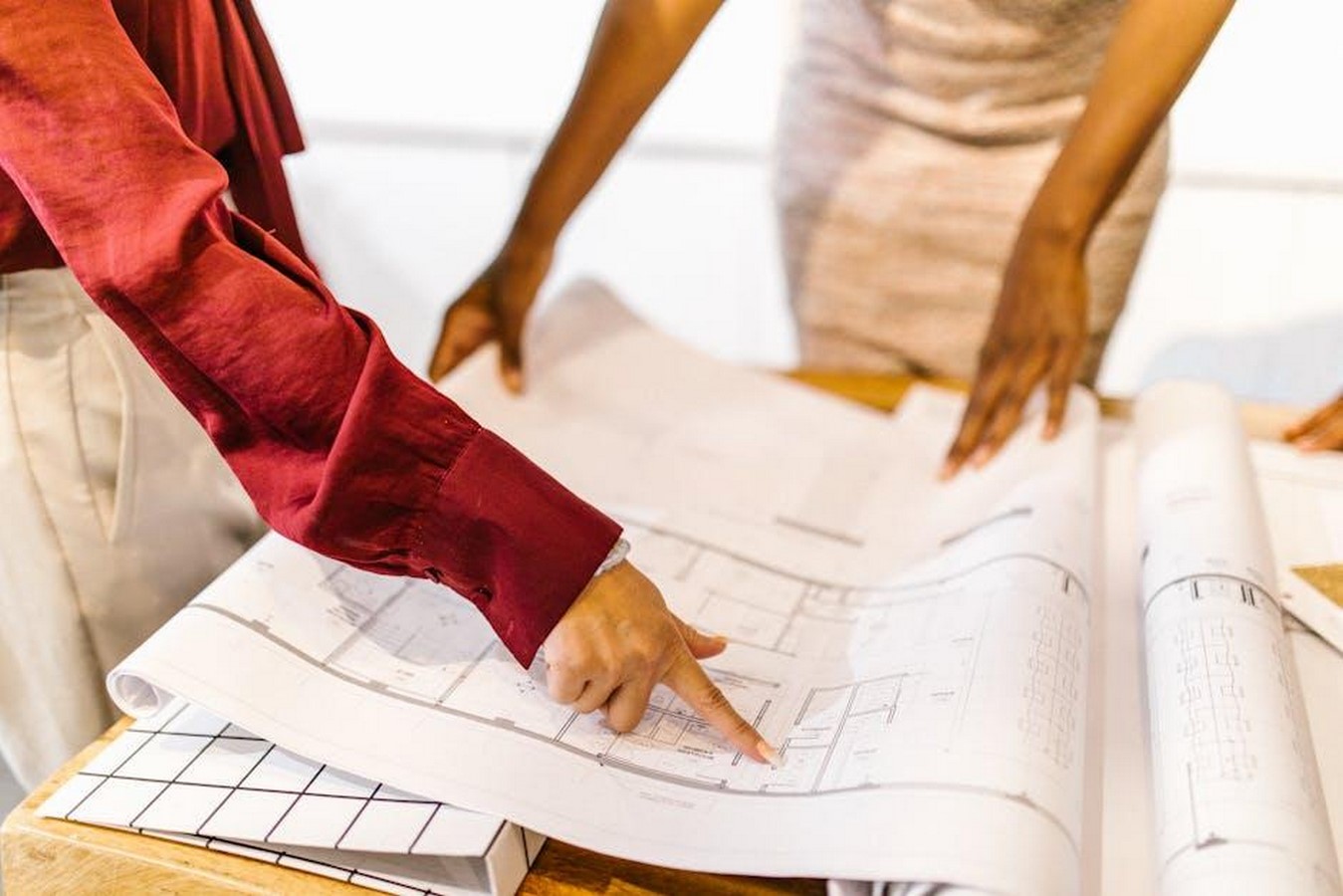
Yes. The drawing set should include valve locations, plumbing zone diagrams, equipment-pad access, and at least one accessible test point per plumbing zone. This is genuinely the best service the architect can provide to the long-term owner.
A Final Note for Architects, Designers, and High-End Owners
The unromantic truth about architectural water features is that the maintenance side determines whether the design ages gracefully or quietly degrades. A specialist leak detection relationship, established before any problem exists, is the kind of small, calm professional connection that pays back the moment the first issue surfaces. The hardware is sophisticated, the diagnostic discipline is real, and the repair work is meaningfully easier when the problem is caught small. Building the long-term service relationship into the design conversation is the same instinct that produces buildings that hold their value for decades, and it costs almost nothing in the planning phase.