If a city could narrate, what would it say? Would it speak about the beauty of its roads, the skyline of its buildings, the rivers that cross its terrain, or…
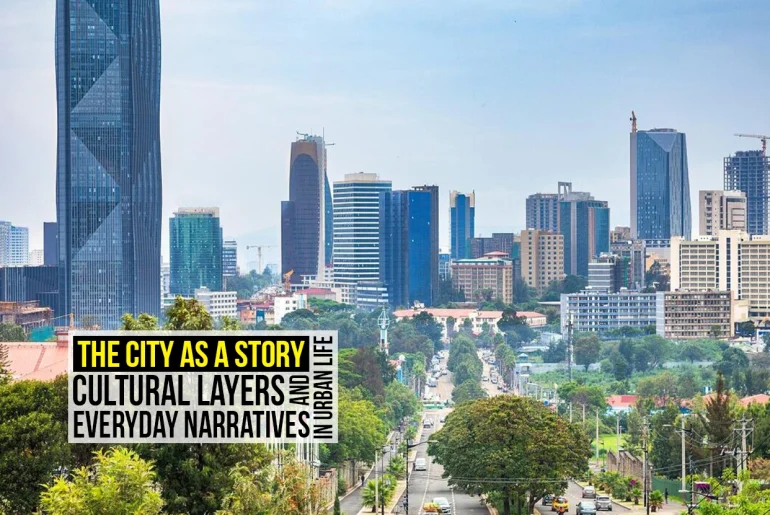


If a city could narrate, what would it say? Would it speak about the beauty of its roads, the skyline of its buildings, the rivers that cross its terrain, or…

The contemporary city is increasingly defined by a critical debate between vertical and horizontal urban growth. While vertically growing cities promise efficiency, density, and reduced land consumption, horizontally growing cities…
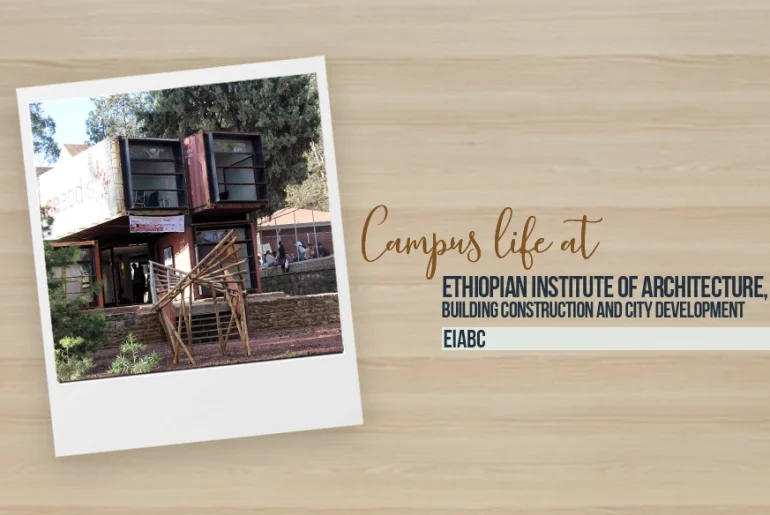
The first day at college was a bit uncertain. Even though I had decided to pursue my degree at Addis Ababa University, being in the exact place where I had…

Architecture and intimacy are arguably the most disconnected concepts. Architecture emphasises monumentality, creating structures intended to endure for centuries. It emphasises grand gestures, city skylines, and buildings that make a…
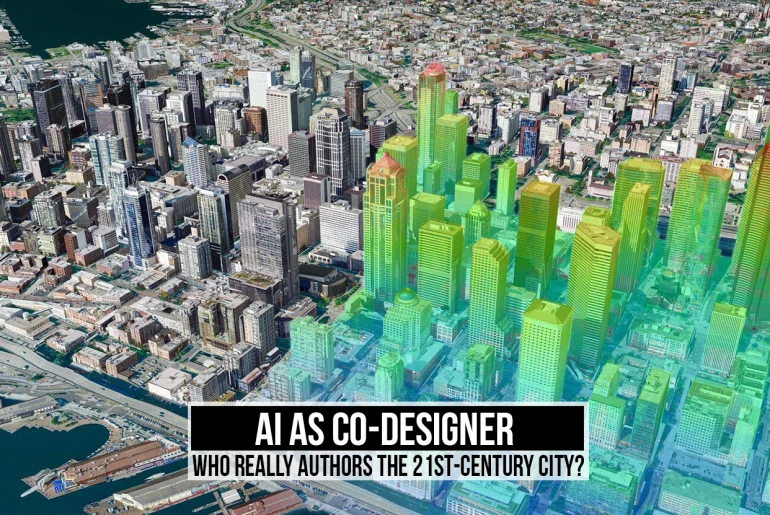
Cities have been the embodiment of the technologies and values present in a given time. The urban form has followed the growth of innovation of human beings, from the ordered…
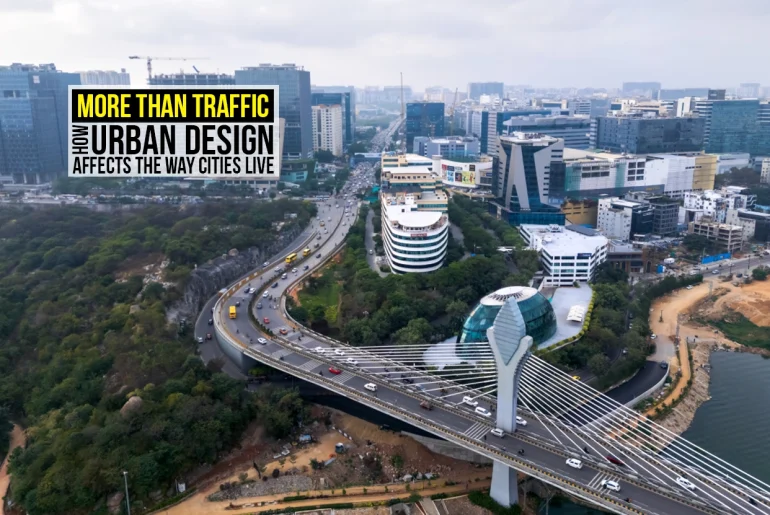
Traffic is often treated as a surface-level problem. More vehicles on roads, longer waiting times at signals, and crowded junctions are usually answered with flyovers, road widening, or new lanes.…

Multifunctionality in architecture means incorporating a range of functions and user groups, either at the same time or at different times. Multifunctional spaces should encourage more optional activities, which enhance…

When we watch global sporting events, what we often remember are moments: a final goal, a record broken, a stadium erupting in collective sound. What we rarely pause to consider…

Suburbia captures a complicated architectural and social contradiction. It is shaped as an escape from the noise and density of the city, a space meant for calm, privacy, and security.…
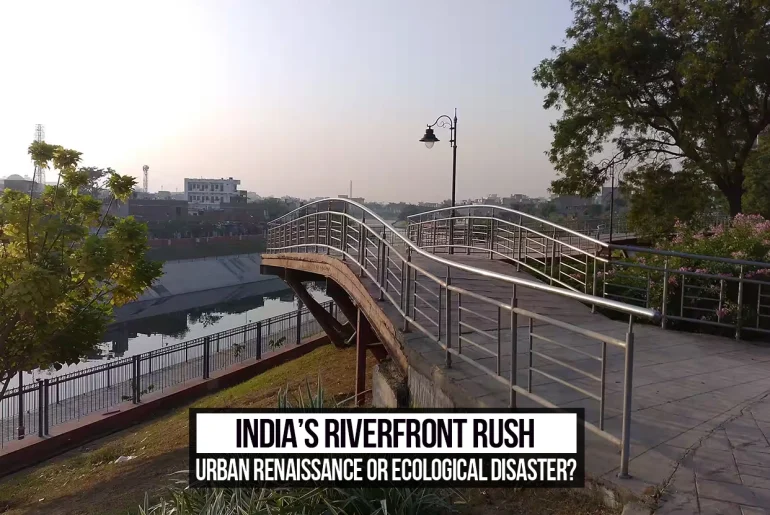
Are we designing riverfront projects to give precedence to rivers or to enhance social displacement? India’s riverfront projects possess large parcels of land, which have not only given rebirth to…
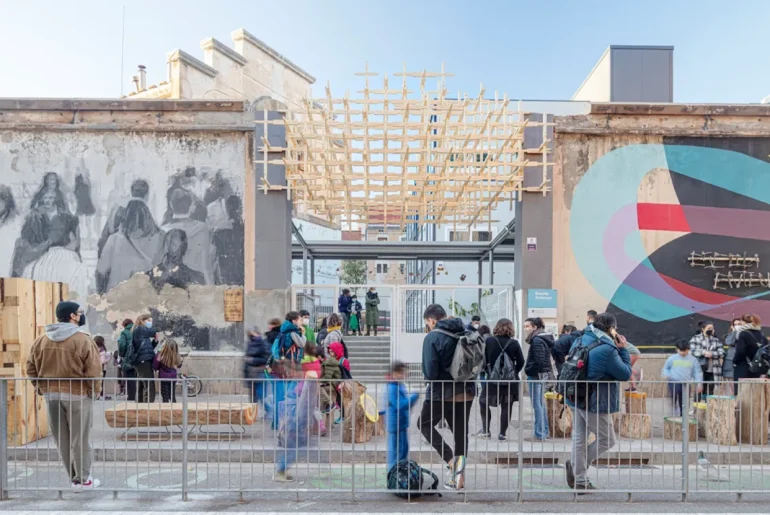
World Cities Day, observed on October 31, as recognised by the United Nations, is an opportunity to promote sustainable urban development around the world. On World Cities Day in 2024,…

While discussing education, this particular quote by Albert Einstein always comes to mind: “Education is not the learning of facts, but the training of the mind to think.” Education is…