Architecture is often described as a discipline rooted in tradition, precedent, and continuity. Architectural education begins with studying historic buildings, canonical architects, and established design methods. While this lineage provides valuable knowledge, it also creates a paradox: the profession that shapes the future is frequently constrained by its past. The next generation of architects, therefore, faces a critical task—not merely learning architecture but unlearning parts of it.
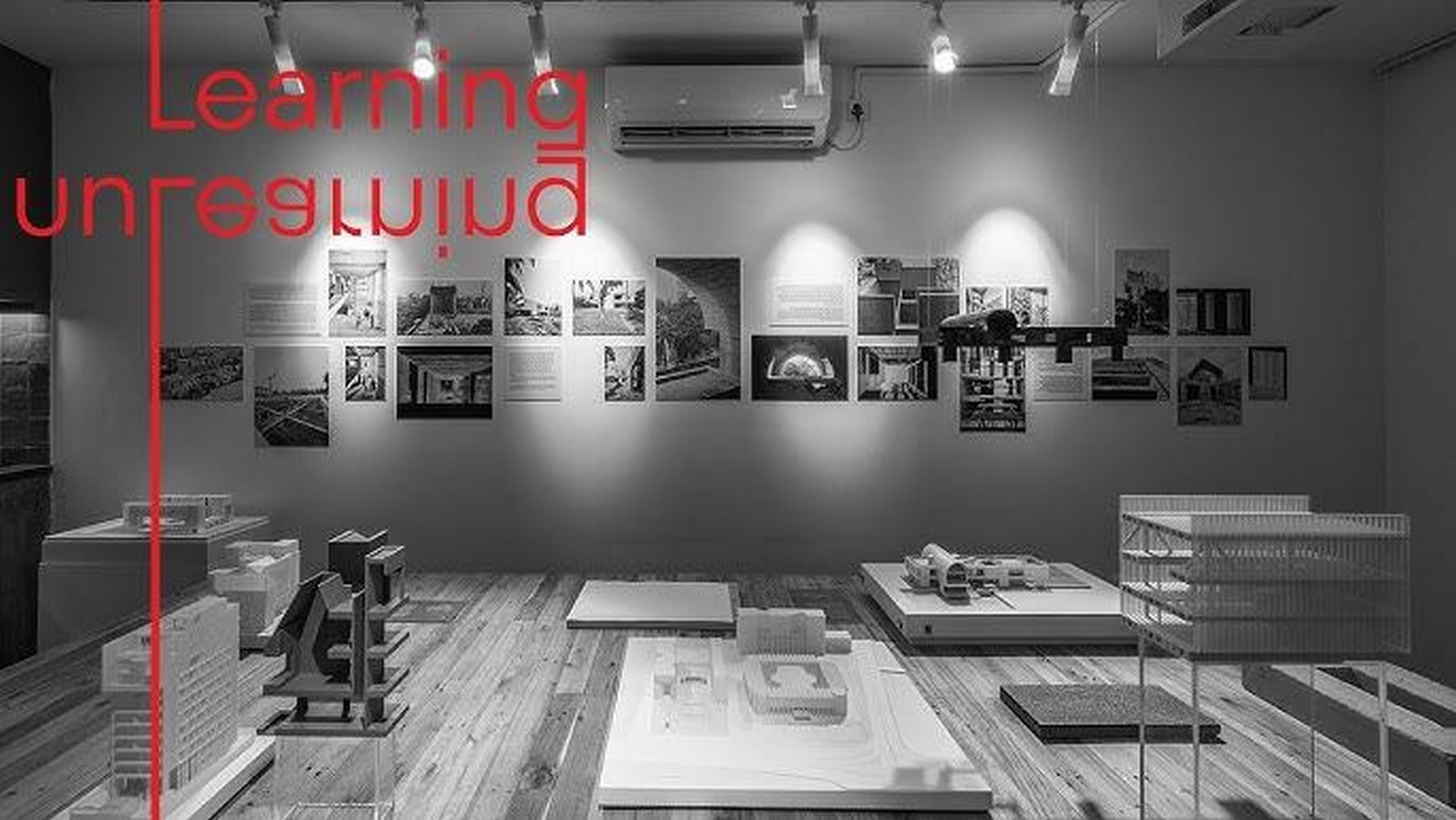
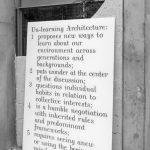
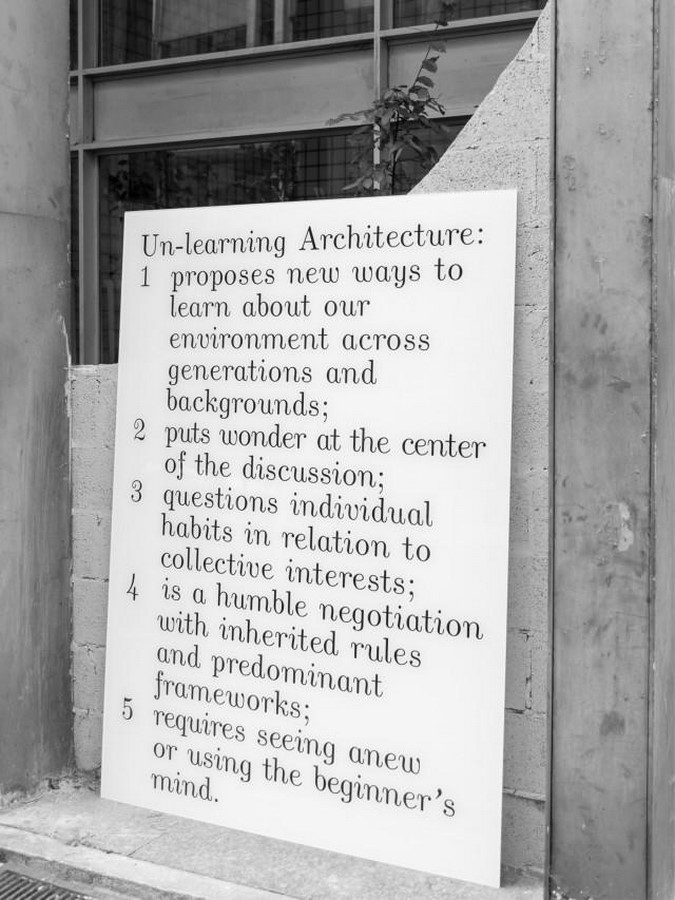
Unlearning in architecture involves questioning inherited assumptions, dismantling outdated practices, and rejecting design ideologies that no longer serve contemporary society. In an era marked by climate crisis, rapid urbanisation, technological transformation, and growing social inequalities, many established architectural practices are proving insufficient. What was once celebrated as progress—monumentality, resource-intensive construction, or universal design models—may now contribute to ecological damage or social exclusion.
The concept of unlearning is increasingly discussed across disciplines as a process of reflective critique and transformation. In architecture, it demands reconsidering professional values, design methodologies, and the cultural narratives embedded in the built environment. Scholars and practitioners argue that architecture must move away from rigid modernist doctrines and toward adaptive, inclusive, and environmentally responsible approaches (Till, 2009).
This article explores what the next generation of architects should consciously avoid repeating. It examines inherited practices within architectural education, design culture, environmental thinking, and professional structures. By identifying patterns that must be questioned or abandoned, the discussion highlights the potential for a more reflective and responsible architectural practice.
Ultimately, unlearning is not an act of rejection for its own sake. Rather, it is a constructive process through which architects critically evaluate what should be retained, transformed, or left behind. Through this process, architecture can rediscover its deeper responsibility: shaping environments that support human life, ecological balance, and cultural continuity.

The Concept of Unlearning in Architecture
Unlearning is often misunderstood as forgetting or discarding knowledge. It is a conscious process of re-examining assumptions that have become normalised through repetition. Organisational theorists describe unlearning as the ability to discard obsolete knowledge to adapt to changing conditions (Hedberg, 1981).
In architectural practice, unlearning requires questioning the frameworks through which buildings and cities are conceived. Many design principles that dominate architectural discourse today emerged from historical contexts—industrialisation, colonial expansion, or modernist ideology. While these contexts produced significant architectural innovation, they also embedded biases and limitations that continue to influence contemporary design.
For example, the modernist emphasis on universal solutions and functional efficiency often overlooks cultural diversity and local context. Urban planning approaches that prioritised zoning and vehicular movement frequently disrupted traditional urban fabrics and community networks. Such paradigms shaped the physical landscapes of many cities but also generated social and environmental challenges (Jacobs, 1961).
Unlearning, therefore, requires architects to recognise the historical origins of design practices and assess their relevance in present conditions. It involves replacing rigid doctrines with flexible thinking, where architecture responds to place, climate, and human experience rather than imposing standardised models.
Importantly, unlearning also challenges the culture of certainty that often characterises architectural education. Design studios frequently reward definitive answers and strong visual statements, while uncertainty and experimentation are undervalued. Yet contemporary architectural challenges—climate change, urban inequality, and technological disruption—demand approaches that embrace complexity and adaptability.
By cultivating an unlearning mindset, architects can move beyond inherited limitations and develop more responsive forms of practice.
The Legacy of Architectural Canon and the Need to Question It
Architectural education traditionally revolves around a canon of celebrated buildings and influential architects. Students study masterpieces and replicate design principles derived from historical precedents. While this method provides important insights into spatial composition and structural innovation, it can also perpetuate a narrow view of architectural history.
The canonical narrative often prioritises monumental buildings and individual authorship while overlooking vernacular traditions, collective practices, and marginalised voices. As a result, architecture students may internalise a hierarchy in which certain architectural expressions are considered superior while others remain invisible.
Historians have increasingly critiqued this selective narrative. Architectural history is not merely a sequence of iconic buildings but a complex record of cultural adaptation, social organisation, and environmental knowledge. Vernacular settlements, traditional building techniques, and indigenous spatial systems contain valuable insights into sustainable design and community resilience (Oliver, 2006).
Unlearning in architecture, therefore, requires expanding the lens through which architectural knowledge is understood. Instead of focusing solely on iconic structures, education should encourage the study of everyday environments and lived spaces. Informal settlements, rural architecture, and traditional landscapes offer lessons about adaptability and resource efficiency that are highly relevant today.
Furthermore, the hero-architect model—where individual designers are celebrated as creative geniuses—often obscures the collaborative nature of architectural production. Buildings emerge through the efforts of engineers, craftsmen, communities, and policymakers. Recognising this collaborative dimension can shift architectural culture away from ego-driven design toward collective responsibility.
The next generation of architects must therefore refuse to repeat the narrow historical narrative that dominates architectural discourse. Instead, they should engage with diverse spatial traditions and acknowledge the multiple forms of knowledge that shape the built environment.
The Problem of Image-Driven Architecture
In recent decades, architecture has become increasingly associated with visual spectacle. Digital tools and global media have amplified the visibility of iconic buildings, transforming architecture into a form of cultural branding. Cities often commission striking structures designed by famous architects to signal modernity and attract tourism.
While visually striking buildings can contribute to cultural identity, the emphasis on image sometimes overshadows deeper architectural responsibilities. Buildings designed primarily as visual icons may ignore social context, environmental performance, or long-term usability.
Critics argue that this phenomenon reflects the influence of the “starchitect” culture, where architectural reputation is built on recognisable visual signatures rather than contextual responsiveness (Sudjic, 2005). In such a framework, architecture becomes a product within a global market of images.
For the next generation, unlearning image-driven design means shifting attention from form to experience. Architecture should prioritise spatial quality, human comfort, and environmental performance rather than merely creating dramatic silhouettes.
This shift also requires reconsidering how architectural projects are communicated and evaluated. Competitions and publications often privilege photogenic designs, reinforcing the dominance of visual aesthetics. Yet many important architectural qualities—such as acoustic comfort, thermal performance, or social interaction—cannot be captured through photographs alone.
Architects must therefore cultivate methods of representation that communicate lived experience rather than static imagery. Drawings, narratives, and post-occupancy evaluations can help convey how spaces function over time.
By refusing to repeat the culture of spectacle, the next generation of architects can redefine architectural success in terms of social and environmental impact.
Unlearning Environmental Neglect
Perhaps the most urgent area where architecture must unlearn past practices is environmental responsibility. Buildings account for a significant portion of global energy consumption and carbon emissions, making the construction industry a major contributor to climate change (United Nations Environment Programme, 2022).
For much of the twentieth century, architectural design prioritised technological solutions that relied heavily on mechanical systems. Air-conditioning, artificial lighting, and energy-intensive materials allowed buildings to ignore local climatic conditions. While these technologies improved comfort in many contexts, they also created unsustainable patterns of resource consumption.
Today, architects are increasingly recognising the need to return to climate-responsive design principles. Traditional architecture often incorporated passive strategies such as orientation, shading, thermal mass, and natural ventilation. These techniques minimised energy use while maintaining comfortable environments.
Unlearning environmental neglect, therefore, involves rediscovering these principles and integrating them with contemporary technologies. Sustainable architecture is not merely about adding renewable energy systems but about designing buildings that work harmoniously with natural processes.
This shift also requires reconsidering material choices. Many modern construction materials carry high embodied energy and environmental costs. Alternative materials such as bamboo, earth, recycled components, and locally sourced resources can reduce ecological impact while supporting regional economies.
Furthermore, architects must adopt life cycle thinking that considers the long-term consequences of design decisions. Buildings should be designed for durability, adaptability, and eventual reuse rather than short-term functionality.
Through these strategies, the next generation can transform architecture from a contributor to the environmental crisis into a catalyst for ecological resilience.
Rethinking Urban Planning Paradigms
Architecture does not operate in isolation; it is deeply embedded in urban systems. Many contemporary urban problems—traffic congestion, social segregation, environmental degradation—are linked to planning models developed in the twentieth century.
Modernist urban planning often promotes functional zoning, separating residential, commercial, and industrial activities into distinct areas. While this approach aimed to improve efficiency and public health, it frequently resulted in fragmented urban landscapes lacking social vitality.
Urban theorist Jane Jacobs famously criticised such planning approaches, arguing that vibrant cities require mixed uses, dense networks of streets, and active public spaces (Jacobs, 1961). Her observations revealed how rigid planning doctrines could undermine the complex social interactions that sustain urban life.
Unlearning these paradigms involves embracing more integrated urban design strategies. Mixed-use development, walkable neighbourhoods, and accessible public spaces can support social interaction and reduce reliance on automobiles.
Additionally, architects must recognise the importance of community participation in shaping urban environments. Top-down planning decisions often disregard local knowledge and lived experiences. Participatory design processes allow residents to contribute insights that improve the relevance and acceptance of architectural interventions.
By refusing to repeat rigid planning models, the next generation of architects can contribute to more inclusive and resilient urban environments.
Challenging the Culture of Overbuilding
Another practice that architecture must reconsider is the tendency toward constant expansion and new construction. Economic systems often prioritise growth, leading to continuous development even when existing structures could be adapted or reused.
Demolition and reconstruction consume vast quantities of materials and energy. Yet many buildings are demolished long before reaching the end of their structural lifespan. Adaptive reuse—transforming existing buildings for new purposes—offers a more sustainable alternative.
Architectural historian Stewart Brand describes buildings as evolving systems that change over time through maintenance, modification, and adaptation (Brand, 1994). Recognising this evolutionary nature can encourage architects to design with flexibility and longevity in mind.
Unlearning the culture of overbuilding means valuing the existing built environment as a resource rather than an obstacle. Preservation and adaptive reuse can retain cultural memory while reducing environmental impact.
This approach also challenges the notion that architectural innovation must always manifest as new construction. Creative design can emerge through subtle interventions that enhance existing spaces.
Reimagining Architectural Education
Learning in architecture must begin within architectural education itself. Many studio pedagogies emphasise formal experimentation and visual presentation while giving limited attention to social, ecological, and ethical dimensions.
To prepare future architects for contemporary challenges, educational institutions must broaden the scope of design thinking. Courses in climate science, social equity, participatory design, and urban ecology can equip students with the knowledge needed to address complex environmental and social issues.
Additionally, architectural education should encourage interdisciplinary collaboration. Urban challenges intersect with fields such as sociology, ecology, economics, and public policy. Working across disciplines can enrich architectural perspectives and generate more holistic solutions.
Experiential learning methods—such as fieldwork, community engagement, and hands-on construction—can also help students understand the real-world implications of design decisions.
By reshaping educational structures, the next generation of architects can cultivate a mindset that values reflection, responsibility, and adaptability.
Toward a Culture of Care in Architecture
At its core, architecture is about creating environments that support human life. Yet professional discourse sometimes prioritises aesthetics, innovation, or market value over the well-being of communities.
A growing movement within architectural theory advocates for a “culture of care” in which design decisions prioritise social and environmental responsibility (Till, 2009). This perspective recognises that architecture affects everyday experiences—from access to sunlight and fresh air to opportunities for social interaction.
Unlearning in architecture, therefore, involves redefining professional success. Rather than measuring achievement through awards or iconic forms, architects might evaluate their work through its impact on communities and ecosystems.
This shift aligns architecture with broader societal goals such as sustainability, inclusivity, and resilience. By embracing a culture of care, architects can contribute meaningfully to the well-being of future generations.
Architecture stands at a critical moment in its history. The challenges facing contemporary societies, such as climate change, urban inequality, cultural homogenization, and technological disruption, require architects to rethink many inherited assumptions. In this context, unlearning becomes an essential process.
Unlearning in architecture does not mean abandoning tradition or disregarding historical knowledge. Rather, it involves critically examining the practices and ideologies that have shaped the discipline. By questioning canonical narratives, rejecting image-driven design, addressing environmental responsibility, and embracing collaborative approaches, architects can move toward a more responsive and ethical profession.
The next generation of architects must therefore refuse to repeat patterns that contribute to ecological harm, social exclusion, or superficial design culture. Instead, they must cultivate practices rooted in adaptability, humility, and responsibility.
Architecture has always evolved through periods of reflection and transformation. The act of unlearning represents the next stage in this evolution—an opportunity to reshape discipline so that it serves both humanity and the planet more effectively.
References (APA):
Brand, S. (1994). How buildings learn: What happens after they’re built. Penguin Books.
Hedberg, B. (1981). How organisations learn and unlearn. In P. C. Nystrom & W. H. Starbuck (Eds.), Handbook of organisational design (pp. 3–27). Oxford University Press.
Jacobs, J. (1961). The death and life of great American cities. Random House.
Oliver, P. (2006). Built to meet needs: Cultural issues in vernacular architecture. Architectural Press.
Sudjic, D. (2005). The edifice complex: How rich and powerful shape the world. Penguin Books.
Till, J. (2009). Architecture depends. MIT Press.
United Nations Environment Programme. (2022). 2022 global status report for buildings and construction. UNEP.
CUBEINSIDE DESIGN LIMITED. (2026, February 9). Learning, unlearning (2025) [Video]. YouTube. https://www.youtube.com/watch?v=-R9Pd5fQgQg
Unlearning space. (n.d.). Amsterdam University of the Arts. https://www.ahk.nl/en/onderzoek/artist-in-residence/2021-2022/school-of-unlearning-2022/unlearning-space/
(25) Learn, Unlearn, Relearn, repeat | LinkedIn. (2024, October 25). https://www.linkedin.com/pulse/learn-unlearn-relearn-repeat-sanjeev-dutt-pandey-pmp-entj-a–poawc/
Unlearning Architecture, curating the Brussels Archiweek – 51N4E. (n.d.). https://51n4e.com/reflections/unlearning-architecture-curating-the-brussels-archiweek/