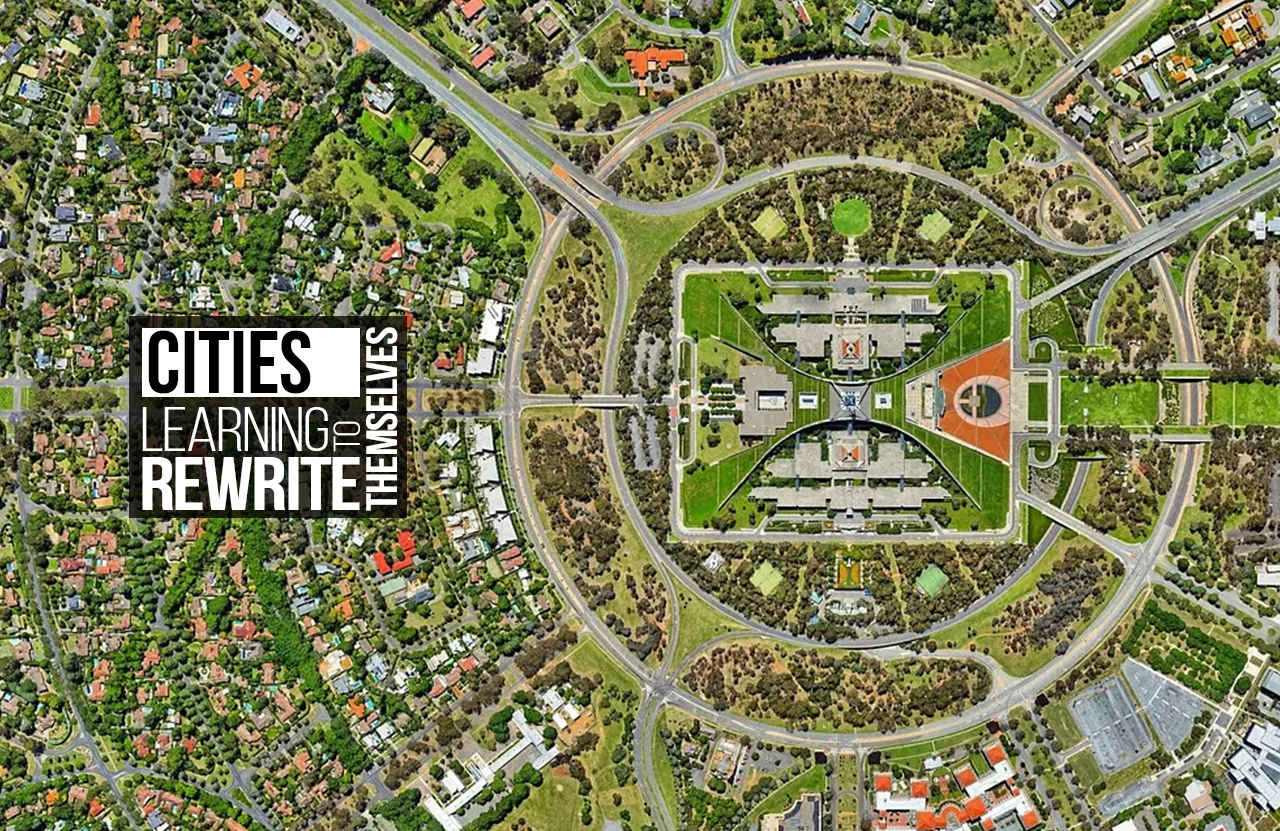
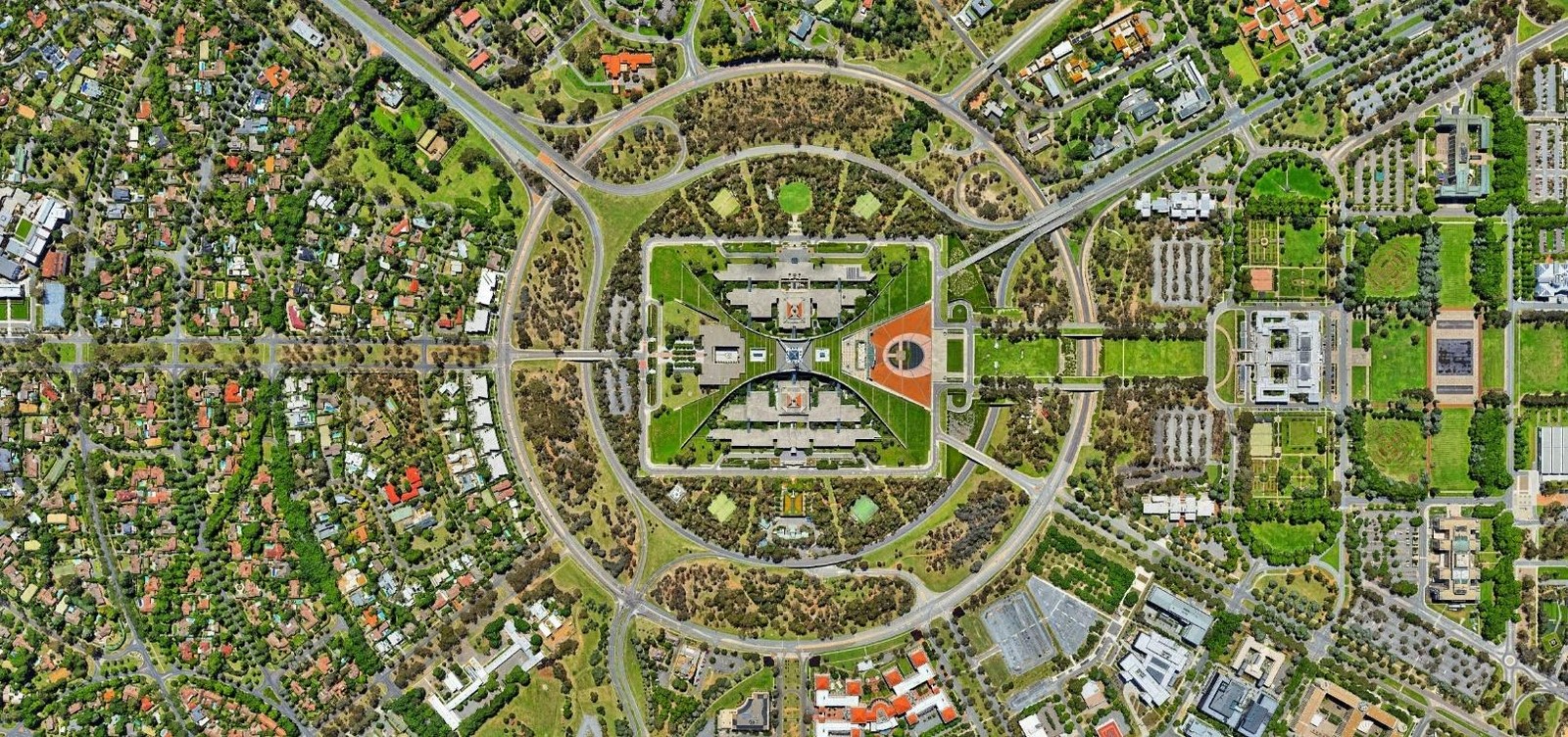
Cities constantly rewrite themselves as people, surroundings, and societal needs change over time. What once worked for past ages may not be suitable for the future. With growing populations, climate challenges, and rapid urbanisation, today’s city design must adapt and transform. New ideas in sustainability, smart technology, disaster management, and transport systems are reshaping how functionality is turned through city design.
By learning from global examples and embracing creative solutions, cities are gradually evolving into more efficient, livable, and future-ready spaces for the upcoming and updating generations, as discussed in this article.
Green Space
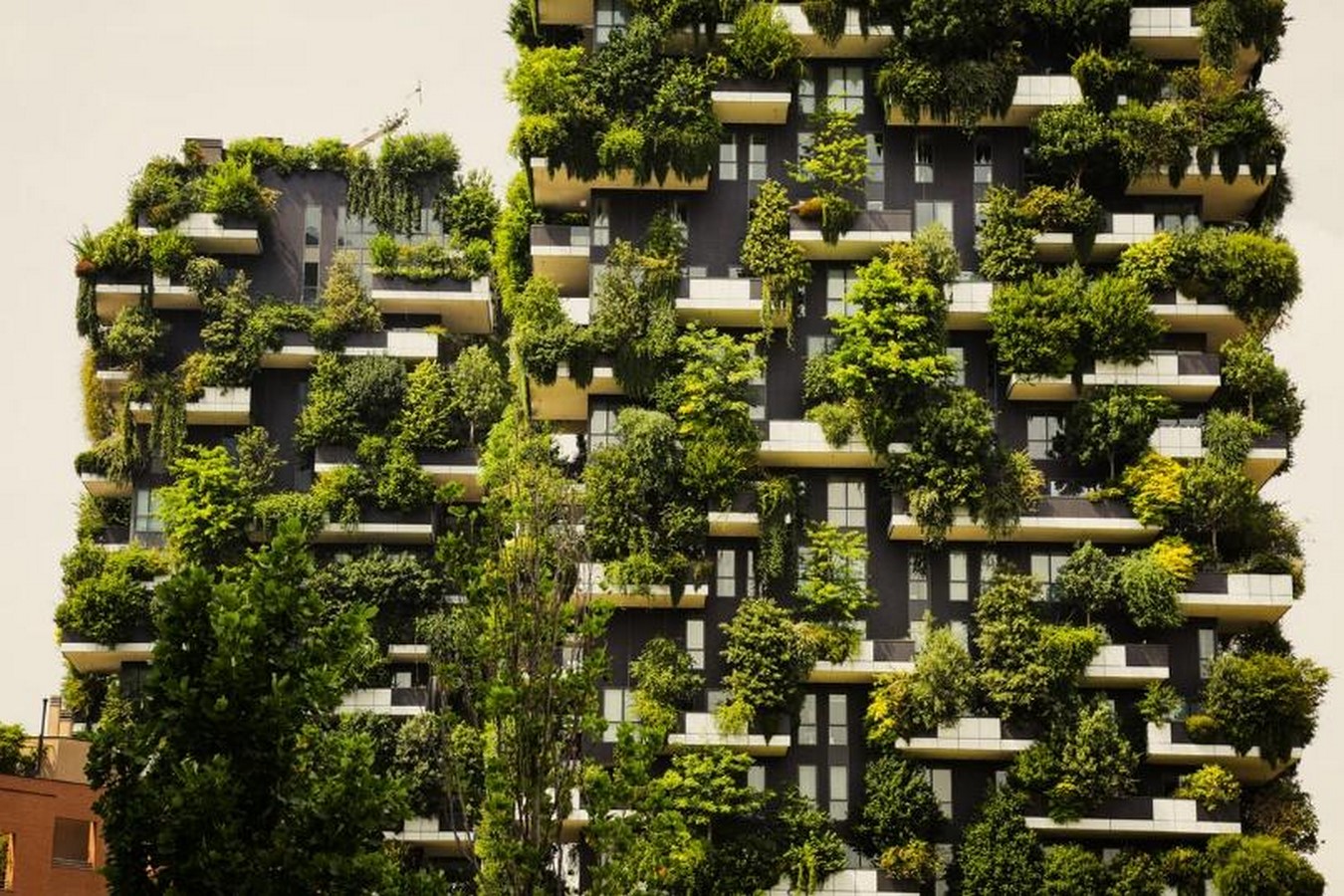
Cities of the upcoming decades indeed require resistance against rapid urbanisation, rising CO₂ emissions, and haphazard infrastructure growth in order to remain resilient, livable, and supportive of the well-being of their population. These are serious issues that must be addressed to ensure a healthy lifestyle and achieve sustainable development objectives.Green spaces are the ultimate solution to such issues. Parks, vertical gardens, roof gardens, and urban forests are some green space elements usually included in urban city design approaches toward sustainability. Reduced cooling burdens and energy needs, along with a healthier and more natural environment, are some of the benefits of green spaces.
Globally, several cities have become benchmarks for advancing green spaces. Singapore is also considered the “city in nature,” including around 50 per cent green spaces featuring bayside gardens and vertical greenery. In a similar context, Oslo, Norway, is a pioneer in upholding 74% green space within the city. Copenhagen, Curitiba, Vilnius, and Ljubljana are some other exemplary green urban models.
Transportation
Roads are often chaotic. With innumerable fossil fuel–run motor vehicles in cities, transportation again becomes a challenge to sustainability. Transportation accounts for around 15 per cent of global greenhouse emissions. Traffic jams and accidents are brutal effects of excessive motor vehicle use. It also puts stress on natural resources to a significant extent.Very unique innovations in the field of transportation systems within cities have been implemented globally to deal with such concerns. The urban design of these cities prioritises pedestrians and walkways, promotes bike paths, and supports clean energy alternatives for public transport. Electrification of vehicles and shortened commutes through compact development lead to a fall in carbon emissions.
Copenhagen, Amsterdam, and Stockholm are renowned for their extensive bicycle infrastructure and for inspiring green commuting through policies, laws, and regulations.
Energy
The rapid expansion of population, infrastructure, and technological advancement has placed immense pressure on natural resources, leading to their continuous depletion. Even today, a large portion of our energy demand is met through the burning of fossil fuels and other conventional sources. Although various renewable energy alternatives are emerging, their current capacity is often insufficient to meet the growing demand. Therefore, an important objective for future cities is to adopt designs that support and efficiently utilise these clean energy sources. Cities like Vancouver and Stockholm serve as notable global models for integrating green energy into urban design. The widespread use of solar panels and biogas plants represents practical steps toward achieving sustainability in this direction.
Disaster Resilience
Future cities must also be designed to be disaster-resilient. Climatic conditions today are highly unpredictable, with rising occurrences of earthquakes, floods, droughts, global heat waves, and many other natural calamities. Rapid urbanisation further increases the vulnerability of cities, making it essential to integrate resilience into urban planning and architecture. The objective is not only to respond to disasters but to design cities that can withstand, adapt to, and recover quickly from such events.
Innovations in urban design are increasingly focusing on compatibility with both natural and human-induced risks. Concepts such as sponge cities, which absorb and manage excess rainwater, urban forests that regulate temperature and reduce heat islands, and eco-friendly infrastructure are gaining importance. Earthquake-resistant structural regulations, climate-responsive building materials, and well-planned drainage systems are also crucial components. By combining advanced technology with nature-based solutions, future cities can significantly reduce disaster risks and protect both infrastructure and human life, ensuring safer and more sustainable urban environments.
Technological and AI Implementation
Technology, artificial intelligence, and digital systems will play an important role in shaping future cities. Smart technologies can help cities become more efficient and responsive. Through sensors, data networks, and AI technology, cities can handle traffic, energy consumption, water supply, and pollution levels in real time. This allows governments to make quicker and better decisions for urban management.
Cities like Singapore and Barcelona are already leading examples of smart city development. They use digital platforms, intelligent transport systems, and data-driven governance to improve urban life. With the rise of digital twins, automation, and smart infrastructure, future cities will become more connected, efficient, and adaptive to the needs of their residents.
Urban Farming
By 2050, the world will be populated by approximately 10 billion people. However, food remains a basic need of humans. Hence, food resources must be sufficient for the next generation. It is also an important consideration that about 40 per cent of the land is already engaged in agricultural activities. Therefore, future city designs must be flexible enough to support food production as well.
Urban farming is one unique and revolutionary method that is gradually gaining importance. It allows food to be produced within the city itself through rooftop gardens, vertical farming, and community agriculture spaces. This approach reduces pressure on rural land and improves food security for urban populations. Cities like Copenhagen are exploring such innovative practices to integrate agriculture within urban environments.
References:
European Environment Agency (2023) Urban sustainability and green infrastructure in cities. Copenhagen: European Environment Agency.
Gehl, J. (2010) Cities for People. Washington, DC: Island Press.
Intergovernmental Panel on Climate Change (IPCC) (2022) Climate Change 2022: Mitigation of Climate Change. Cambridge: Cambridge University Press.
United Nations (2023) Transport and climate change. Available at: https://www.un.org/en/actnow/transport (Accessed: 15 March 2026).
Ritchie, H. and Roser, M. (2020) CO₂ and greenhouse gas emissions. Our World in Data. Available at: https://ourworldindata.org/co2-and-greenhouse-gas-emissions (Accessed: 15 March 2026).
C40 Cities Climate Leadership Group (2021) The future of urban climate action. London: C40 Cities.