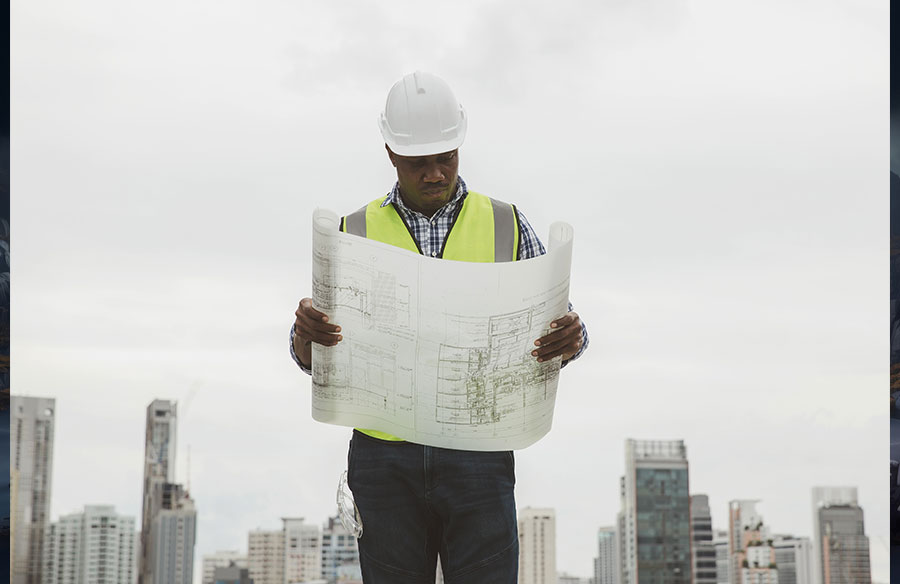
You don’t really think about construction until it gets in your way.
A street you take every day is suddenly narrowed and the sidewalk disappears for half a block. There’s a sign, but it’s not very helpful, so you just follow what the person in front of you is doing.
That’s usually how people deal with construction. They adapt on the spot. But that moment of confusion, that small hesitation, is exactly where planning either works or fails. Because construction doesn’t just change buildings. It changes behavior, how people move, how they react, and sometimes how safe they feel just getting from one place to another.
The Role of Construction Planning in Everyday Urban Life
Most of the work behind construction stays out of sight. Permits, timelines, material logistics, all of that happens in the background. What people actually experience is much simpler.
Can I get through this space easily or not? If the answer is yes, the project blends into the city. It’s there, but it doesn’t take over your attention. If the answer is no, even a small site can feel disruptive.
Traffic is usually the first thing that gets attention, because one poorly planned closure can slow things down far more than expected. Some studies suggest delays can increase by up to 30% around inefficient construction zones. That kind of slowdown usually spreads to nearby streets and affects how the whole area functions.
But traffic isn’t the only issue, and arguably not the most important one. Pedestrians deal with construction in a much more direct way.
Walking through a Construction Zone
A lot of construction sites treat pedestrian movement as something to manage quickly rather than design properly. Most of the time they just create a temporary path that feels too narrow when more than a few people use it, or a crossing point that isn’t clearly marked.
Individually, none of these seem serious but together, they create friction. And when people face friction, they start making their own decisions. They step outside the intended path, cross where it feels faster and ignore signage that doesn’t seem useful. That’s where risk starts creeping in.
Globally, pedestrians account for around 23% of all traffic-related fatalities. That number comes from the World Health Organization. Construction zones aren’t responsible for most of those cases, but they can increase exposure to danger, especially in dense areas where space is already limited.
Accessibility adds another layer. A route that works fine for someone walking alone may not work at all for someone using a wheelchair or pushing a stroller. A missing ramp or a tight turn isn’t just inconvenient. It can completely block access.
Planning that ignores these realities tends to fail in so many predictable ways.
When Small Issues Turn into Real Problems
You can usually tell when a construction site hasn’t been thought through properly because it feels uncertain. Lighting might be poor later in the day, barriers might look temporary in a way that makes people question whether they’re reliable and there might be debris or loose material that hasn’t been cleared.
And this is exactly how accidents happen.
In high-density urban areas, poorly managed construction zones have been linked to an increase of roughly 20% in pedestrian-related incidents. Not major disasters, most of the time, but smaller incidents such as trips, slips, and minor collisions. The kind of things that are easy to dismiss until they happen to you. And when they do, they’re rarely minor from the person’s perspective.
An injury, even a small one, can interrupt daily life in ways people don’t expect. Work gets affected, expenses build up and routines change. That’s when the conversation sometimes shifts toward accountability. People may reach out to a pedestrian injury lawyer to understand what options they have, especially if it looks like safety measures weren’t properly followed.
These situations don’t come out of nowhere. They usually trace back to gaps in planning or oversight, which makes the bigger issue pretty clear, but most of it is preventable.
What Better Construction Planning Actually Looks Like
There isn’t a single solution that fixes everything, but there are patterns you start to notice when a site is handled well and clarity is one of them.
You don’t have to stop and figure things out, the path is obvious. Signs are placed where you need them, not just where they fit and they’re easy to read at a glance. Good wayfinding alone can reduce confusion by up to 40%. That’s a simple improvement, but it changes how people move through a space.
Barriers are another piece. Not just present, but solid and intentional and they guide movement instead of just blocking areas off. If something looks easy to ignore, people will ignore it.
Lighting makes a bigger difference than most people expect. A path that feels fine during the day can feel completely different in the evening. Shadows and uneven surfaces become harder to judge.
And then there’s the walkway itself. It should feel stable and consistent. Sudden changes in width or surface create hesitation, and hesitation, especially in busy areas, often leads to people stepping into places they shouldn’t.
Maintenance ties everything together. Even a well-designed setup won’t stay effective if it’s not checked regularly because conditions change, materials shift and weather plays a role.
The Role of Policy and Regulation
Most cities already have rules in place for construction safety and requirements for pedestrian access, standards for signage and barriers as well as inspection processes. So the issue isn’t a lack of guidelines but how consistently those guidelines are followed.
Projects operate under pressure and sometimes, details that seem minor get pushed aside. But those “minor” details are often the ones that shape how safe a space actually feels. There’s evidence that stricter enforcement of safety regulations can reduce construction-related incidents by up to 25%. That suggests the system works when it’s applied properly.
When safety is treated as essential, it becomes part of the routine. When it’s treated as flexible, gaps start to appear.
The Way Construction Is Handled Is Starting to Change
There’s been a gradual shift in how construction projects are planned. Digital tools now allow teams to map out different phases in advance and that makes it easier to spot potential problems before they happen, especially when it comes to pedestrian movement.
Monitoring systems are also becoming more common. They can track conditions on-site and flag issues early. Another change is the rise of modular construction. More work gets done off-site, which reduces the amount of activity happening in public areas. That can make a noticeable difference in how disruptive a project feels.
What’s interesting is the growing focus on everyday experience. Not just finishing a project, but how people live around it while it’s happening.
That shift is still developing, but it’s moving in a direction that makes sense.
Final Words
It’s easy to focus on the final outcome of construction but the process matters just as much. For months, sometimes years, people are interacting with that space while it’s still in progress and their experience during that time shapes how they see the city.
If movement feels smooth and predictable, construction becomes part of the background. Something you notice, but don’t struggle with. If it feels confusing or unsafe, it leaves a different impression.
And that comes back to planning. Not just technical planning, but planning that takes into account how people actually behave. How they move, how they react, and what they need to feel safe in a changing environment.
That’s where safer cities really start. Not after construction is finished, but while it’s still happening.