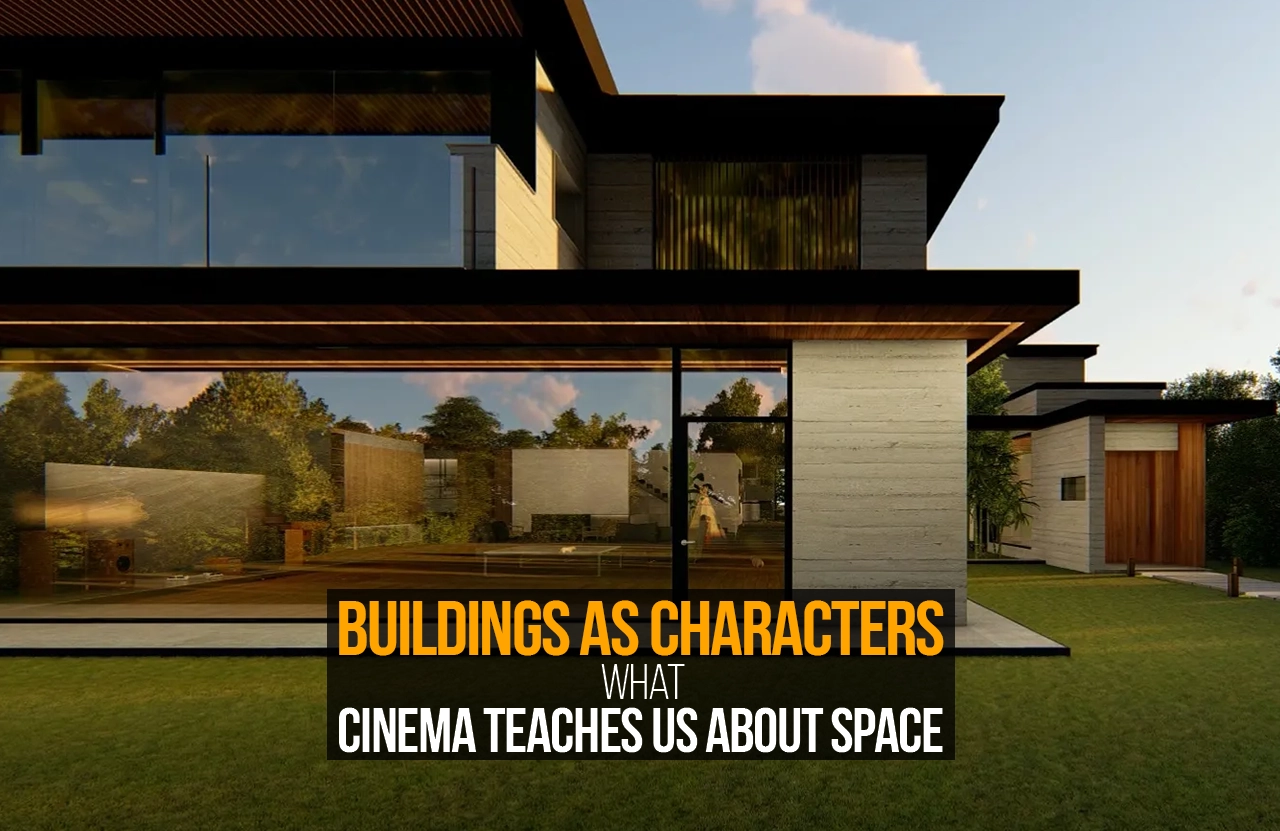
Architecture in cinema rarely serves as a mere backdrop. While the script may be the soul of the film and the actors may be the pulse, architecture often plays the role of the skeletal structure that determines the boundaries of the psychological landscape. When architecture becomes more than mere backdrop to the cinematic narrative, it assumes a life of its own, with its own temperament, its own history, and its own power to shape the course of the narrative.
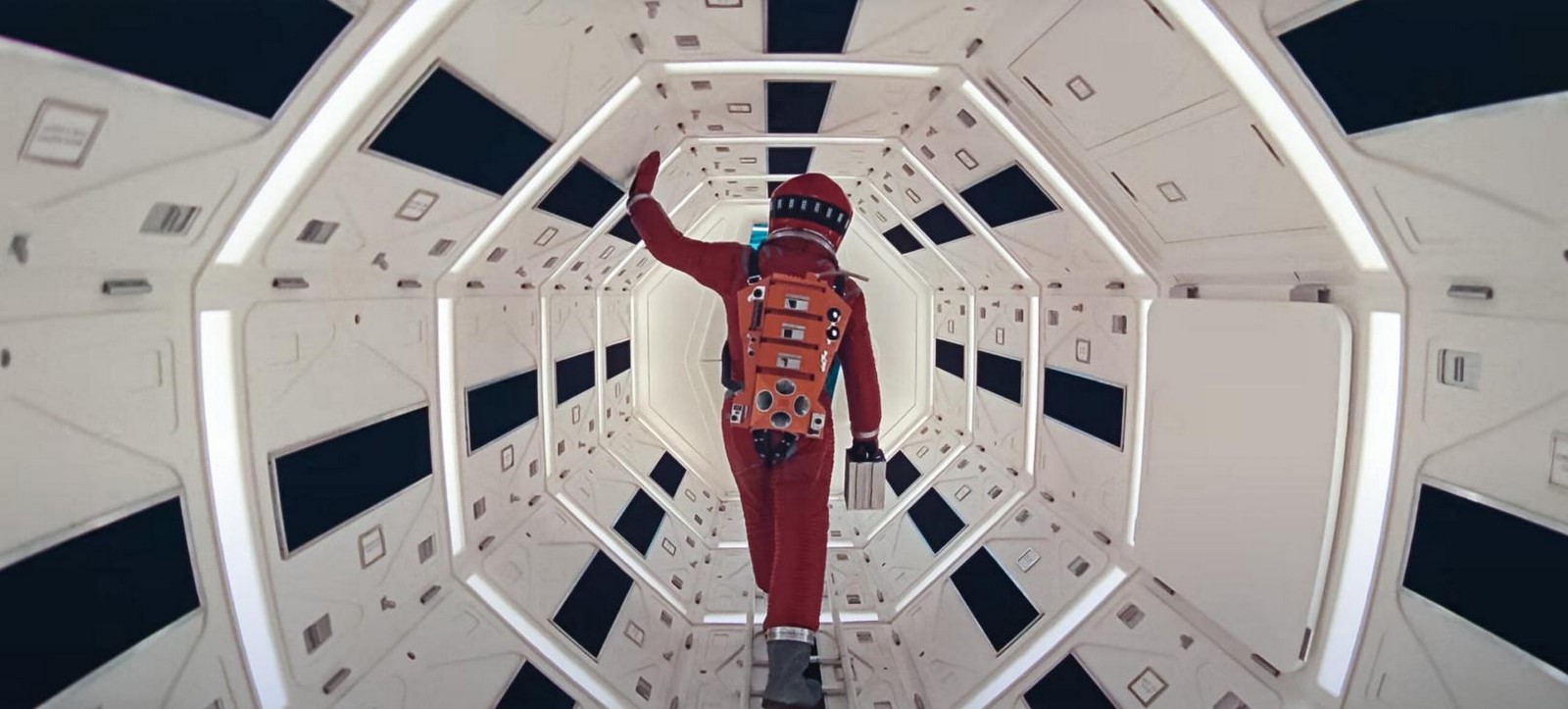
From the dizzying heights of modern glass towers to the stifling decay of gothic mansions, cinema has taught us that architecture is never neutral. It is a mirror to the human condition; it contains our anxieties, and it can often be an antagonist.
Architecture as a narrative
In movies, space can be an important part of the narrative. The design of a building, the size of rooms, and the movement of characters within these spaces can give clues to the narrative and the characters within it.
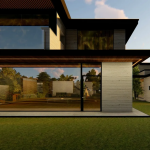
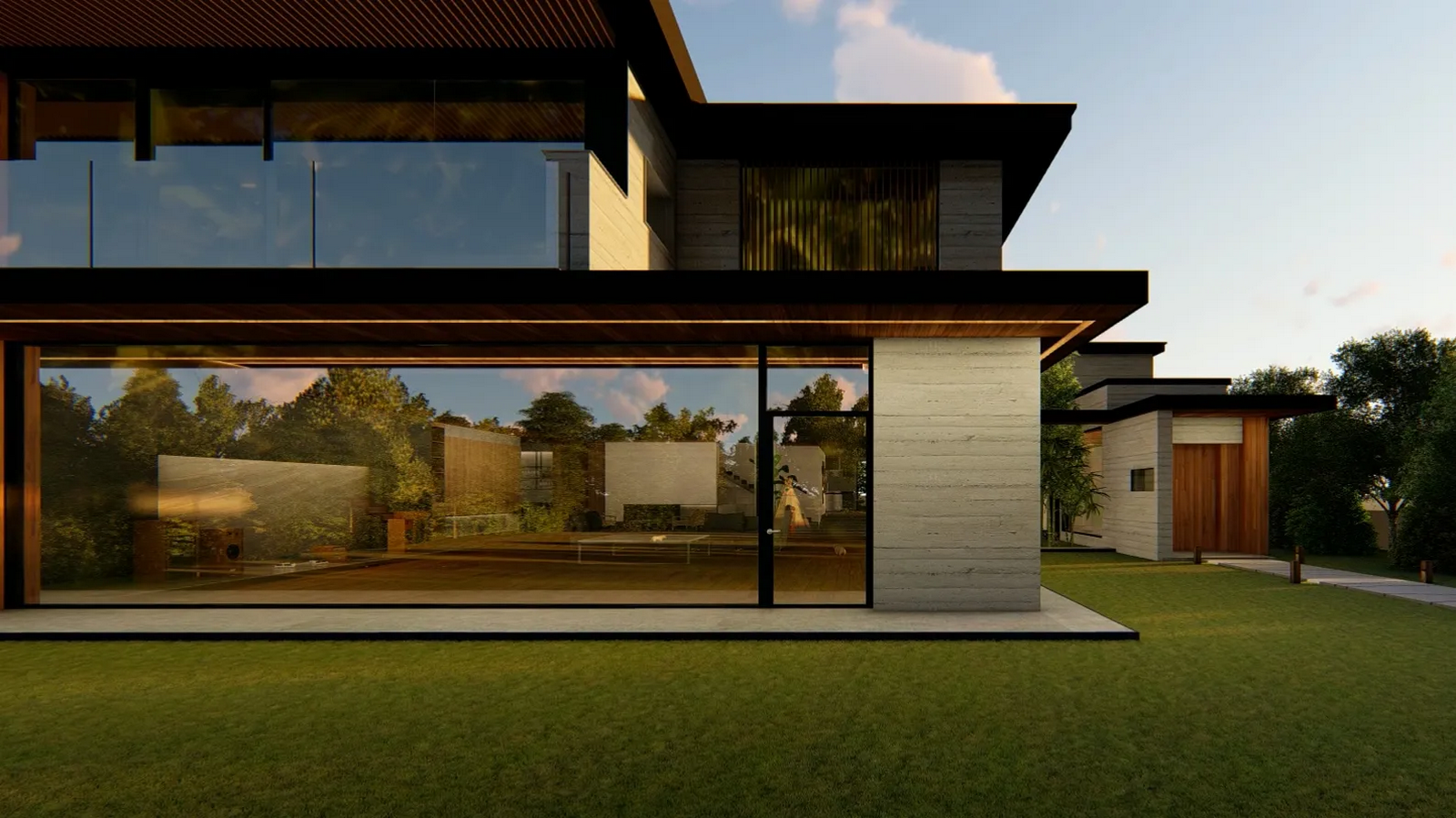
A good example of this is the house in Parasite. The modernist house built for the wealthy Park family serves as a symbolic architectural element that represents class. The house has a vertical design with the bright living spaces on the higher floors representing wealth and privilege, while the basement represents the invisible work and social struggle happening underneath. Characters are always moving up and down the stairs, which reinforces the class movement and inequality. Architecture is not just a frame for the narrative in this movie; it is the narrative itself.
Psychological Space in architecture
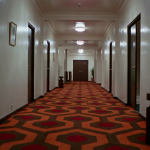
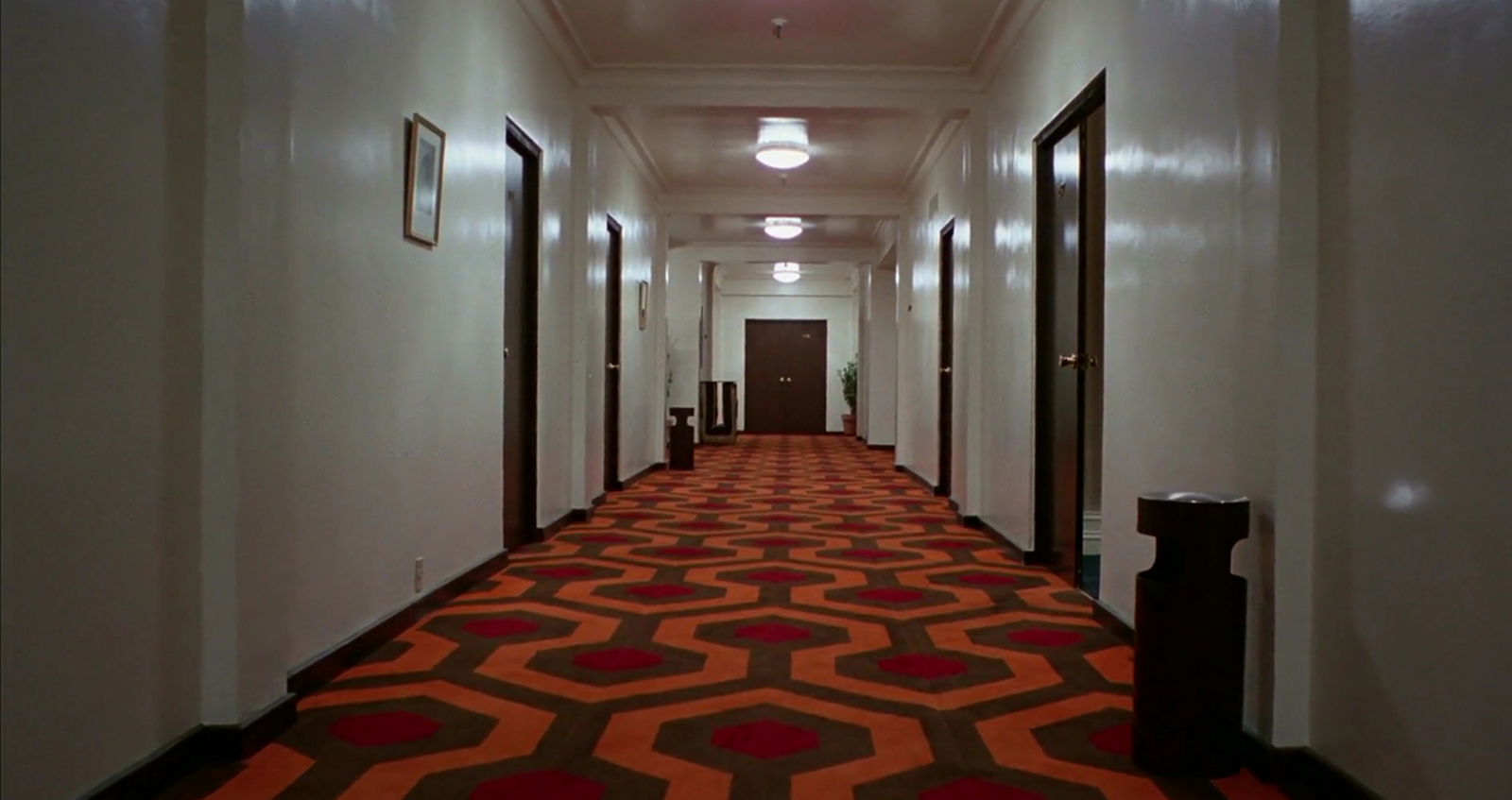
Architecture in films is sometimes used to portray the state of mind of the characters. Architecture, in this sense, can evoke feelings of tension, fear, loneliness, and security. One of the most famous examples of the use of architecture in films is the Overlook Hotel in the film The Shining, directed by Stanley Kubrick. The long corridors, symmetrical designs, and vast open spaces in the Overlook Hotel evoke feelings of uneasiness and confusion. Through his cinematography, Stanley Kubrick makes the audience feel that the Overlook Hotel is alive. As the state of the protagonist in the film worsens, the Overlook Hotel itself seems to exert pressure on him. Architecture, in this sense, becomes an antagonist.
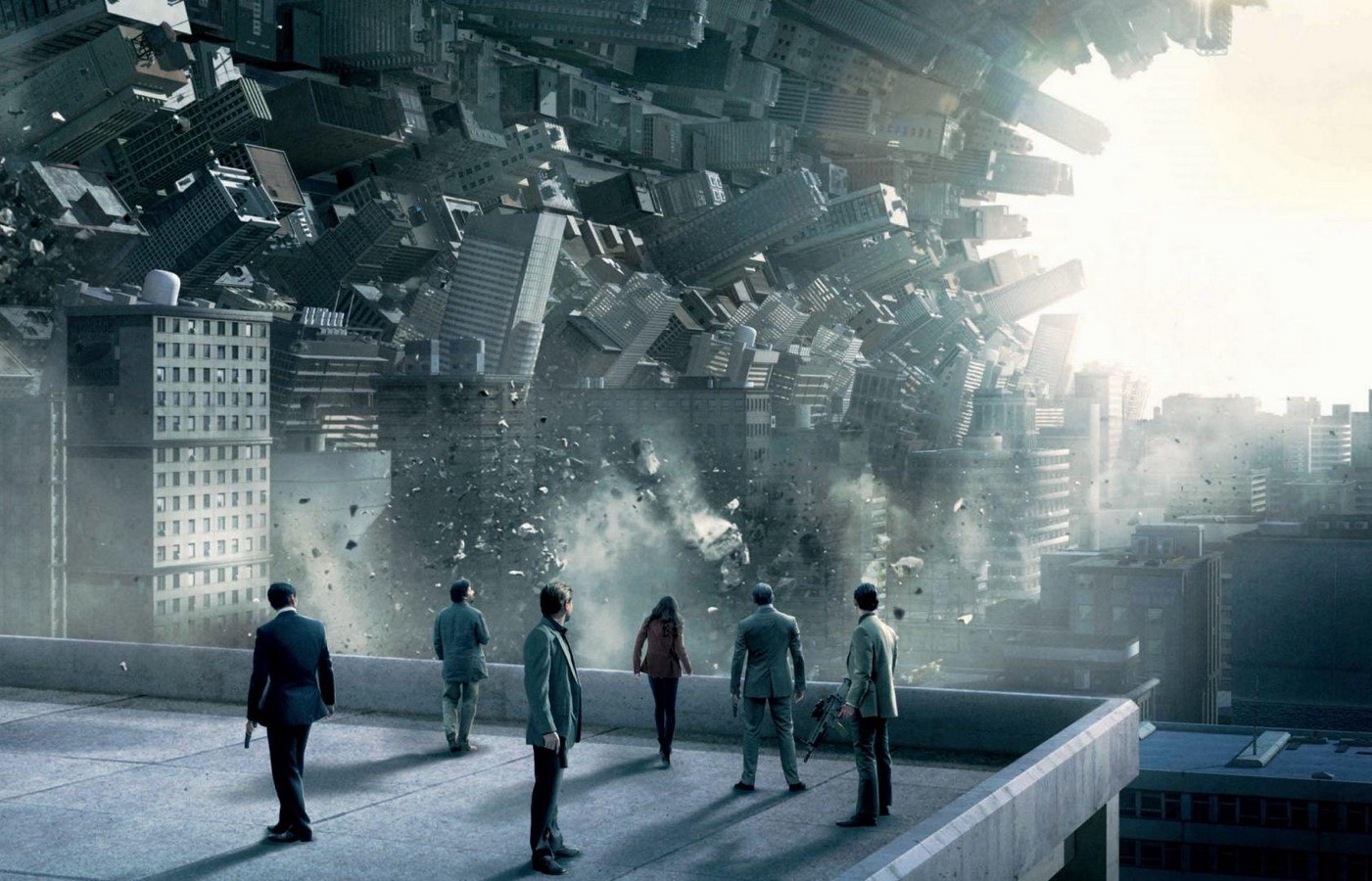
One of the more intriguing uses of architecture in films can be seen in Inception, directed by Christopher Nolan. In the dream world of Inception, entire cities fold, bend, and transform as per the state of the dreamer’s mind. Streets in the dream world tilt vertically, and buildings collapse in impossible ways. Such surreal use of spatial design in films visually represents the state of the dreamer’s mind. Architecture, in this sense, becomes a literal representation of the state of the dreamer’s mind.
Spatial Expression and Movement in Architecture
Film can also teach architects an important lesson, that space is experienced in terms of movement. Films are experienced over time, and the camera often plays the part of the human eye moving through the architecture. The way in which characters move through a building can give clues about the spatial logic of that building. Long shots, for example, can give the audience the sense of experiencing a building sequentially, as if they were moving through that building. This is a technique that films use to highlight thresholds, transitions, and spatial relationships.
The staircase is an important motif in Parasite, as the characters move from level to level as a metaphor for their social ambitions. In The Shining, the famous tricycle sequences moving through the corridors highlight the issue of scale and isolation. For architects, this highlights the need for spaces that unfold gradually, as opposed to spaces that are experienced in an instant.
Atmosphere and Emotional Design in Architecture
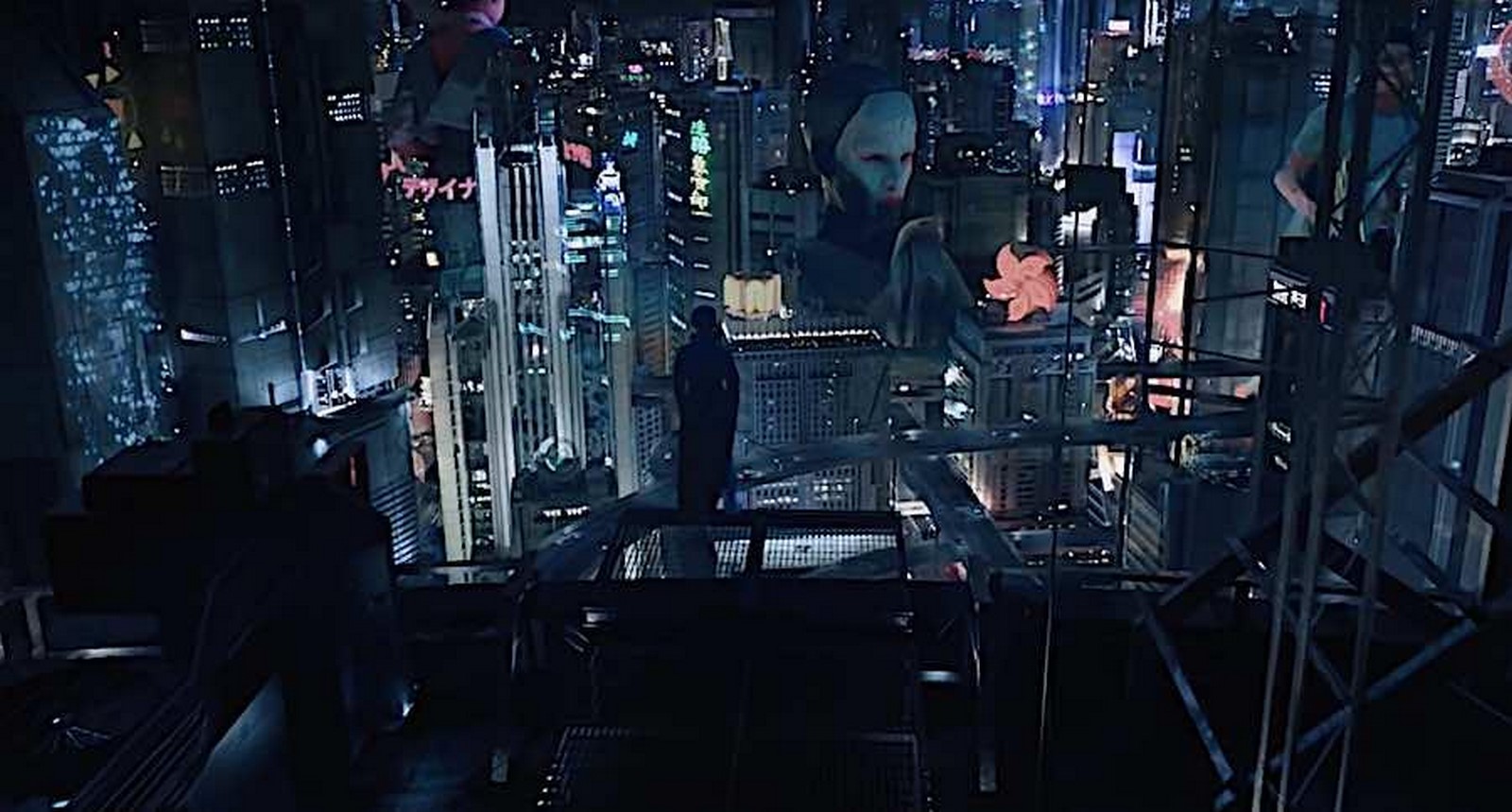
Lighting, materiality, and spatial proportions are important in creating the emotional atmosphere of cinematic architecture. Filmmakers use these elements to create a particular emotional atmosphere. For example, in Blade Runner 2049, the dense and dark environments create an emotional atmosphere that is melancholic and dystopian. Similarly, in the movie, the architecture is monumental and lacks any sense of personality, creating an emotional atmosphere that is related to identity and artificial life.
Minimalist spaces, on the other hand, can create an emotional atmosphere that is related to calmness, power, and privilege. In Parasite, the house is characterised by clean lines, large glass walls, and carefully framed views of the garden. The emotional atmosphere of the house is related to the power and lifestyle of the people who live there, as well as the vulnerability of their social bubble. Film, therefore, shows that architecture can create emotional atmospheres before any character speaks.
Architecture as a cultural symbol
The buildings used in a cinematic production can be cultural markers that convey values and historical settings. Some buildings convey power, oppression, wealth, or tradition just by their style. For instance, futuristic buildings used in science fiction movies convey fears over technology and urbanisation. Similarly, the use of dilapidated buildings in dystopian movies portrays societal decay.
In most movies, real buildings are used to reinforce the intended meaning. These buildings are cultural markers that convey values and historical settings without the need for explanation. To an architect, this shows that buildings are not just physical structures; they are cultural symbols.
Cinemas also show us that architecture can not only be perceived as having a physical presence but can also be perceived as having a character in the narrative. It shows us how architecture can affect emotions, relationships, and narrative. Architecture serves as a subtext that spoken language cannot touch. Movies teach us that we don’t merely live in buildings; we live with them. We live with them as our silent partners, observers, and even captors.
For architects, learning from cinematic spaces can help us understand the importance of experience-based design. Cinemas can remind architects that architecture is not only about walls, roofs, and building materials; it is also about human experiences, perceptions, and narrative. Well-designed architecture can not only affect emotions, behaviour, and meaning, but it can also be comparable to the most interesting characters in cinema.