Sandro Galea, Andreas Heinz
Psychological Risk and Urbanisation.
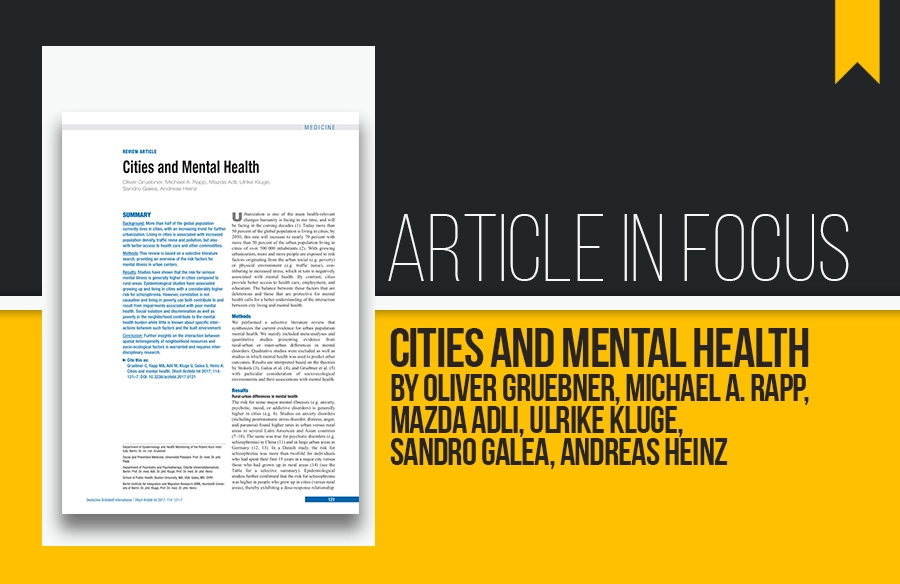
Cities are usually recognised as laboratories of culture and innovation. They offer proximity, variety and choice. But in Cities and Mental Health, Oliver Gruebner and his co-authors change the stream of thought to a less apparent, though potentially disturbing issue: how do urban cities affect the human mind?
The article was published in Deutsches Arzteblatt International and does not address the city according to any architecture or design theory. Rather, it is based on psychiatry and epidemiology. Emerging studies show that city life and particularly city upbringing are contributing factors of increased vulnerability of certain mental health diseases like schizophrenia, anxiety disorders and depression.
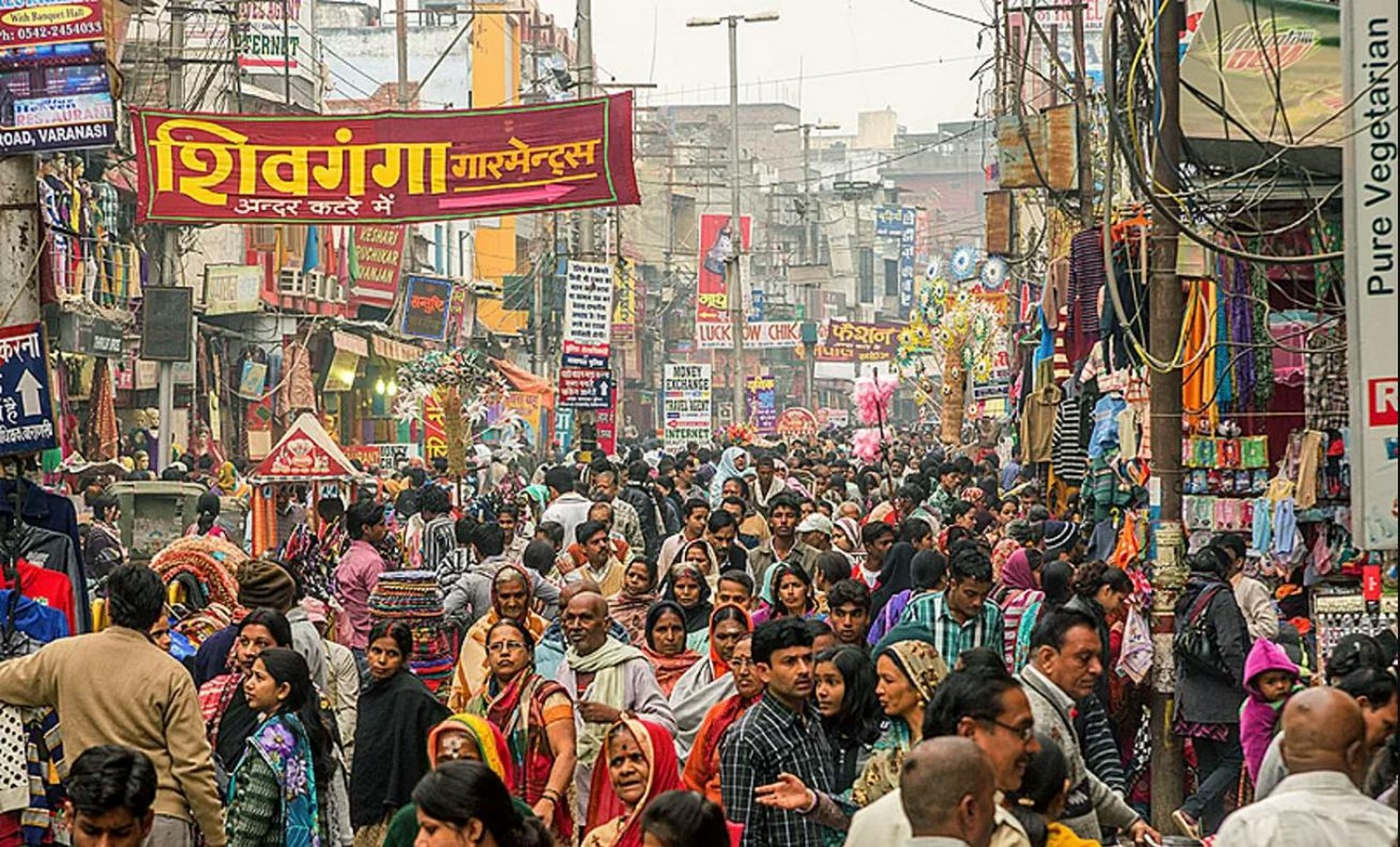
The authors do not overdramatise the city as something that is necessarily harmful. Urbanisation is termed a demographic change in the world as over half of the world’s population lives in cities at the moment. Nevertheless, the argument is not whether cities have to exist or not, but how mental wellbeing is interacting with the conditions existing in the cities. It is less of a backdrop of the city and more of an exposure to the environment.
Neuroscience, Epidemiology, and Urban Condition
The strength of the article lies in the style in which the argument has been developed. Instead of basing their case on anecdotes or a cultural critique, the authors put together data on longitudinal cohort studies, rural-urban comparisons and neurobiological studies.
Epidemiological statistics indicated greater incidences of psychosis and mood disorders in the population of urban areas than in rural areas. Particularly, the given tendency can be observed in other countries and scenarios. The fact that the results are rather similar also serves as an argument and proves the fact that urban life can be seen as a risk factor.
The other aspect addressed in the article is neuroscientific research referring to a rise in the activity of the brain parts related to stress processing, such as the amygdala and the anterior cingulate cortex. These areas are involved in threat detection and control of emotions. The studies indicate that people living in cities could be more stressed in those areas.
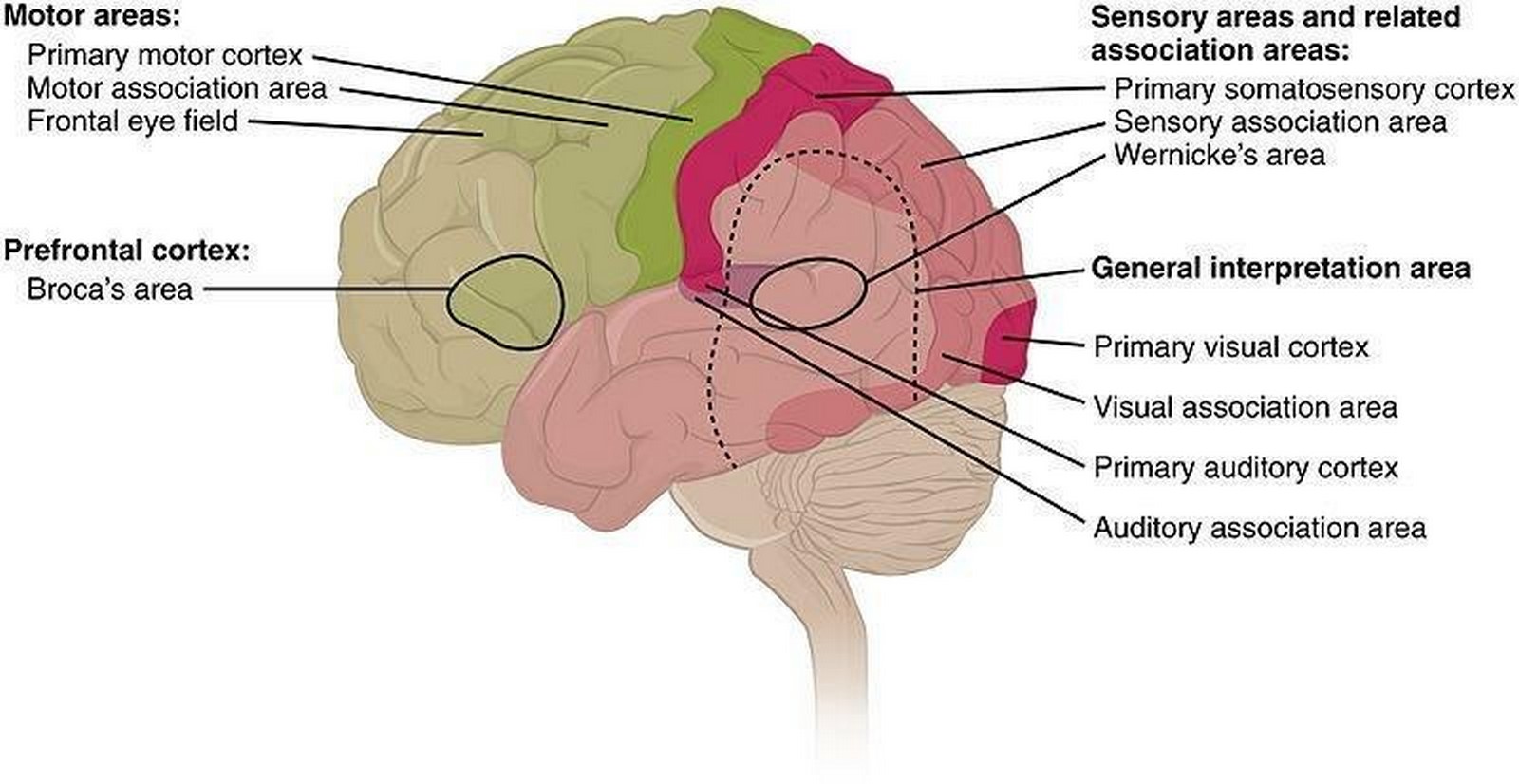
Correlation is not brought forward as causation. Metropolitan life is not a single variable but a complex of density, inequality, migration, noise in the environment, living conditions and social processes. The processes that connect urban living with mental diseases are not fully comprehended. This is not a weakness, but it makes the article credible. Rather than oversimplifying, it recognises complexity.
The City as An Exposure, But Not an Object.
The most striking part of the article, with concern to architecture, is perhaps the description of the city. There is no talk on monumental architecture or city aesthetics. Rather, the concentration lies on social fragmentation, neighbourhood deprivation, perceived discrimination and concentrated poverty.
The expression of architecture is indirect, i.e. in the quality of housing, spatial segregation and access to green spaces. The constructed environment is considered to be a health determinant just like other exposures in the environment. The city is considered a layered structure where stress may build up via social isolation, inequality and environmental strain.
Examples such as density are not entirely condemned. It is capable of developing social life and economic viability. But its combination with social cohesion and inequality may cause the escalation of the psychosocial stress. among already marginalised communities.
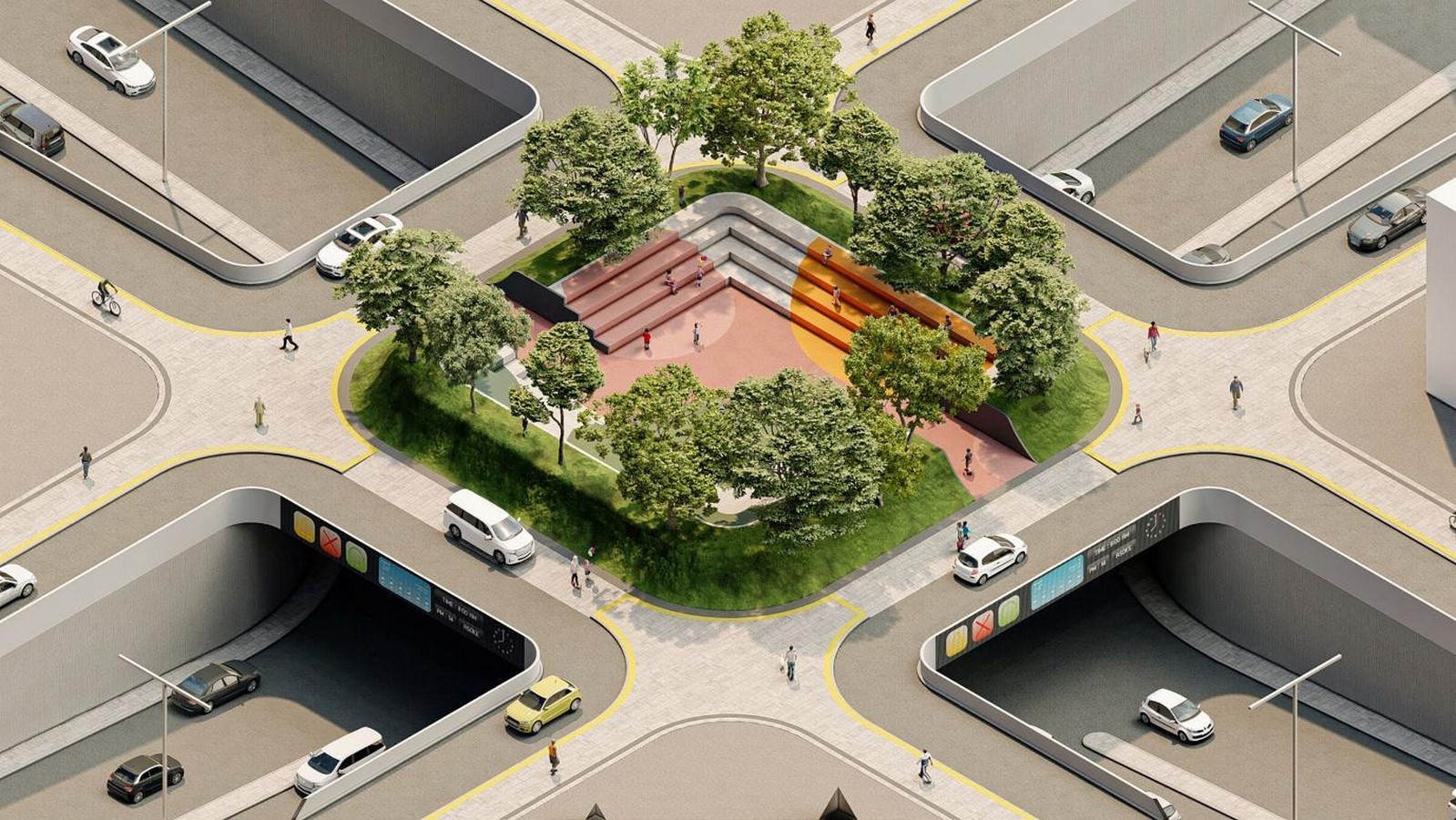
Green spaces are accepted as a possible buffer. Natural environments have been linked with the reduction of stress and enhancement of mental health. Though the article does not go into details of spatial design, it positions parks and open landscapes higher than any recreational facility. They are incorporated into the mental health system of a city.
From Background Setting to Public Health Infrastructure
The implications for architects and planners are immense. The spatial design not only remains in the form of aesthetic production whenever stress mechanisms and mental health are determined in the urban settings, but it also becomes a contributor to public health.
The quality of housing, integration in the neighbourhood and equal access to the public space are redefined. Isolation or insecurity may be worsened by poorly-designed environments. On the contrary, well-networked neighbourhoods may actually result in social cohesion and strengthening.
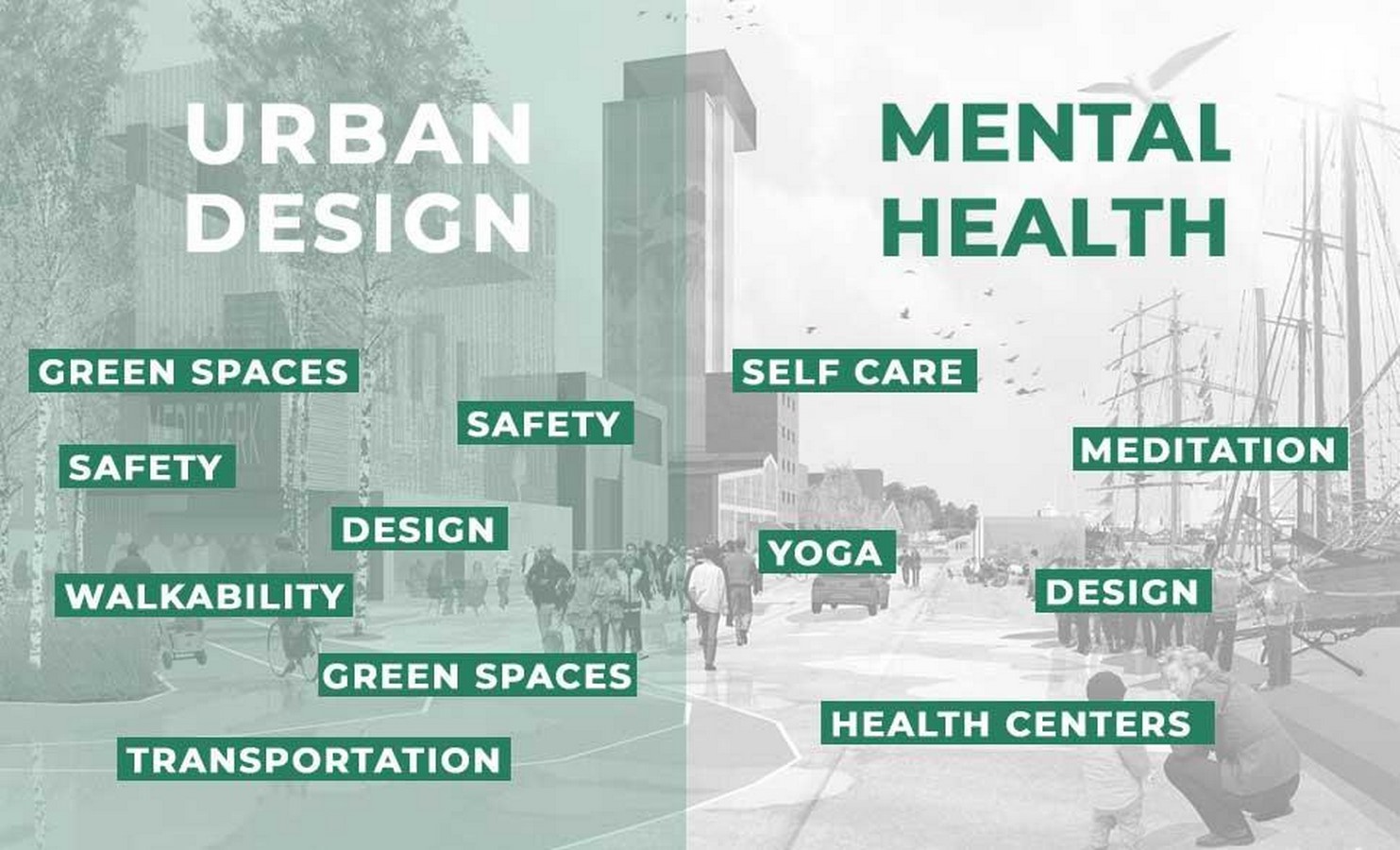
Design prescriptions have not been stated directly in the article, and that may be the limitation. It also has a disciplinary interest that is medical and epidemiological. Nevertheless, this gap gives a potential opportunity. Architects are called upon to make spatial strategies through evidence. It is no longer a challenge about how to make a form, but planning the experiences of life.
Concurrently, the writers do not portray the cities as completely negative. City environments provide access to healthcare, education and social networks. The association between cities and mental health becomes one-way. It is relatively dynamic and situational. The difficulty lies in the possibility of interpreting which urban conditions either prevent risk or worsen it.
Rethinking Responsibility in an Urban Age.
Cities and Mental Health reinvents the city debate. The city is not just a cultural artefact or an economic engine. It is a complex environment that has psychological consequences that are measurable. The article extends the problem of aesthetics into the problem of ethics by introducing an interplay between epidemiology, urban research, and psychiatry. In the case of architecture, this change can’t be ignored. If there is any effect on mental health due to the exposure to inequality, environmental stress and social fragmentation, then similarly the design has far-reaching implications that are not restricted to any visual impression. The man-made world lacks psychological impartiality.
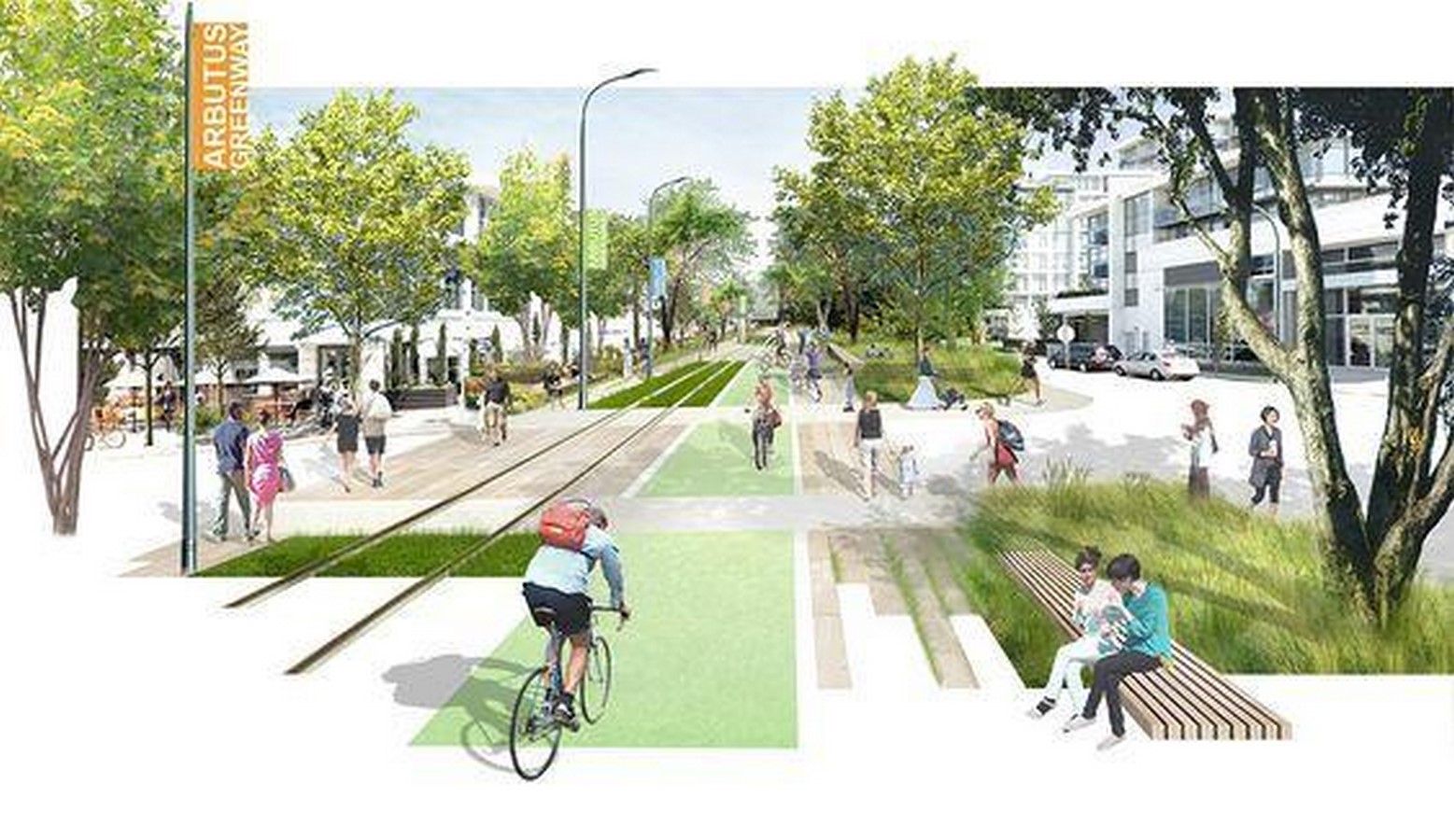
The article also concludes that there should be interdisciplinary collaboration. The urban planners and policymakers need to interact with mental health professionals in an effort to address the rapid urbanisation challenges. This is both a caution and an assurance to the architects. The threat is that the cities can increase their vulnerability. The call is to create environments that enhance well-being instead of compromising it.
Since the urban population continues to rise, the question is not whether cities have an impact on mental health but rather how. Gruebner and his associates make us aware that architecture exists in this complex web of exposure and experience. So, they rebrand the city, not a fixed physical object of design, but as an agent of human psychology – a living system whose form, structure and social organisation are influencing the human mind immensely.
References:
- Gruebner, O., Rapp, M.A., Adli, M., Kluge, U., Galea, S. and Heinz, A., 2017. Cities and mental health. Deutsches Ärzteblatt International, 114(8), pp.121–127. Available at – https://di.aerzteblatt.de/int/archive/article/186433/Cities-and-mental-health