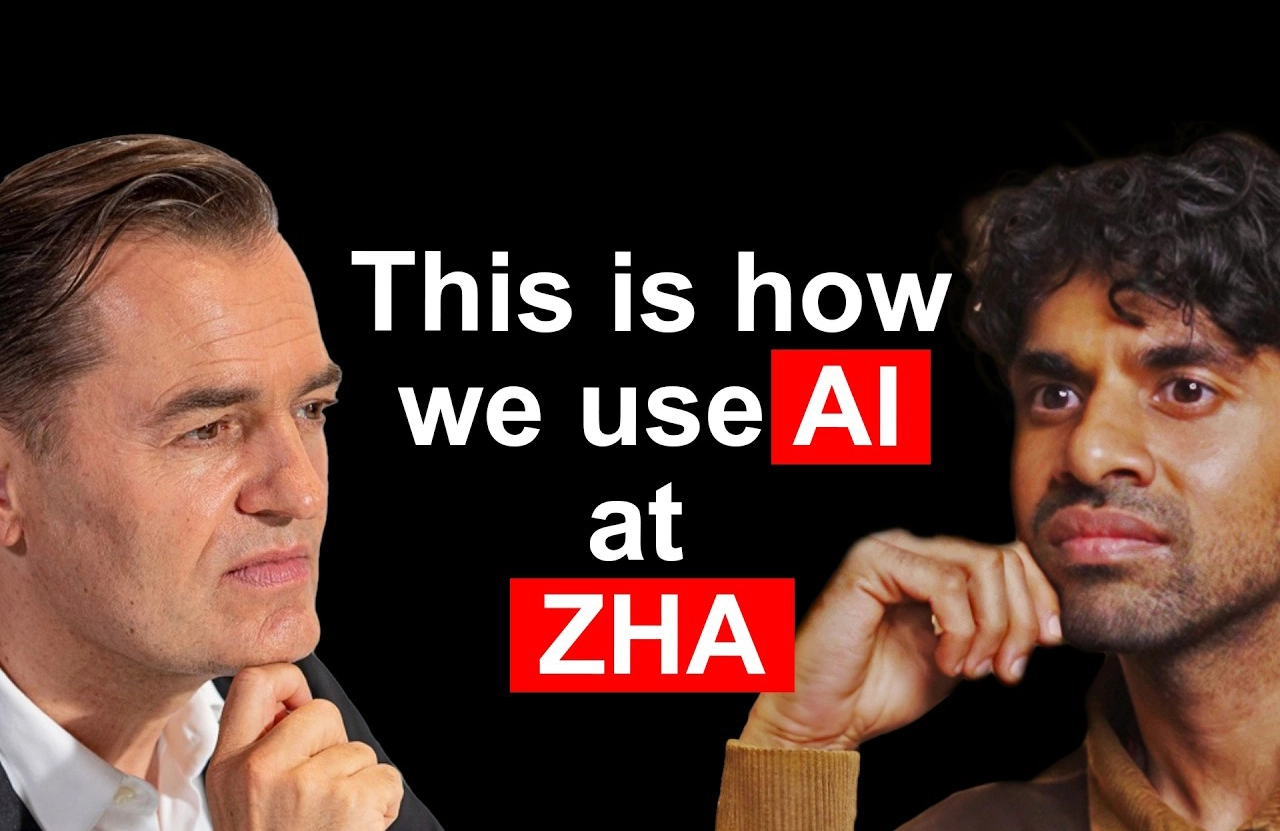
In this interview with Patrik Schumacher on YouTube by architecture content creator BlessedArch, an eye is cast into a possible future of complete AI immersion into our daily lives and how some current practices in the discipline are hindering the inevitable shift into the next phase of human modernity.
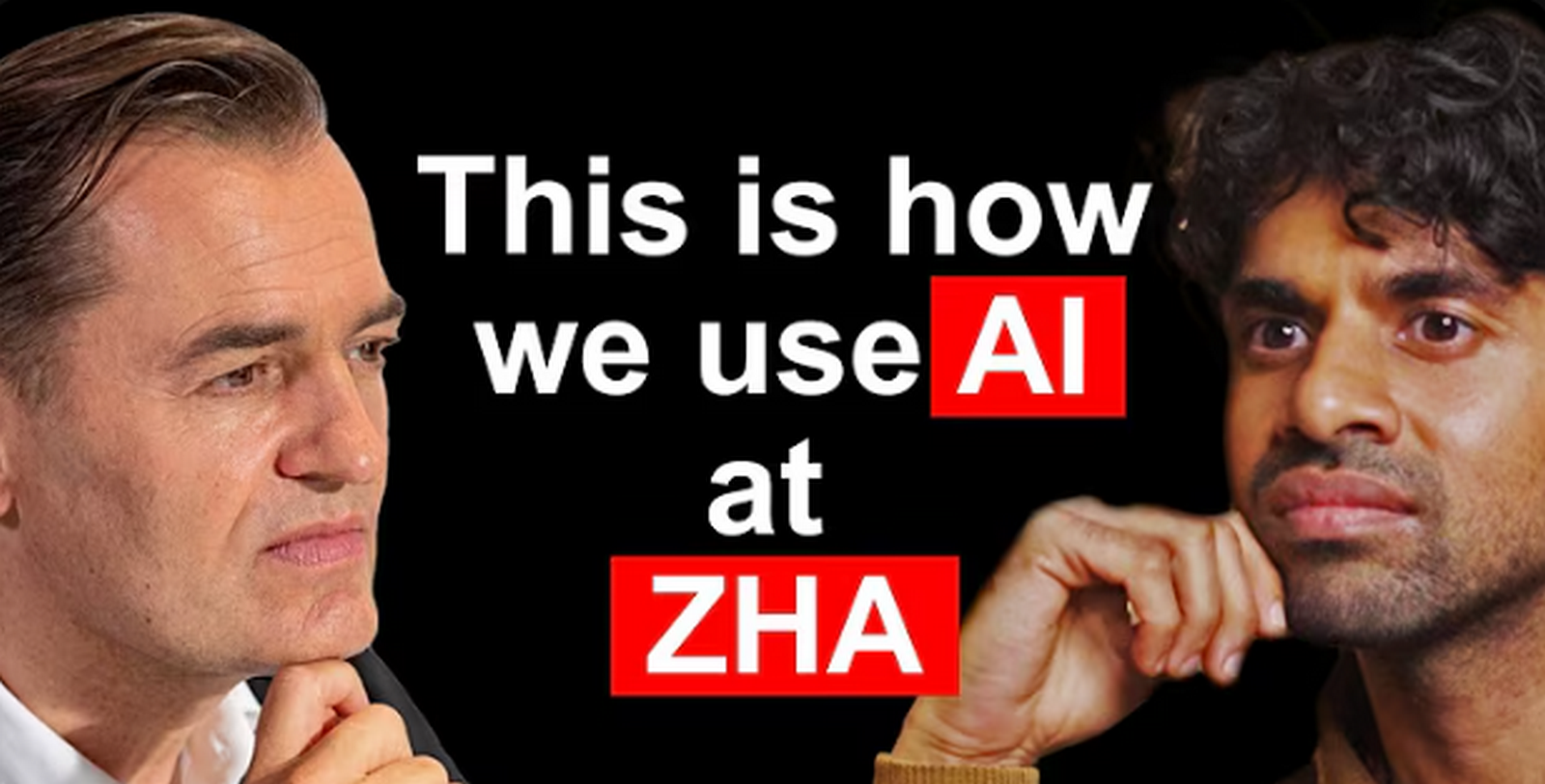
This is the third discourse between the BlessedArch and Principal Architect of Zaha Hadid Architects, Patrik Schumacher. The first and second interviews were published 3 and 2 years ago, respectively, each delving deep into the stage of AI integration in architecture during that time period. This series of retrospective lenses proves that AI is integrating into the world at various levels faster than innovations like Google or Bitcoin ever did.
Brief Overview
The discussion starts with how AI is both a tool and, somewhat, a co-creator, mainly serving the purpose of boosting processes that require large amounts of empirical data. The conversation then shifts into how AI has become the need of the hour in architectural visualisation, due to how clients prefer faster and more design options to choose from, as long as it’s backed up by proper design knowledge.
Next, they discuss a topic that’s been met with raging amounts of doubt in online forums, whether diversity within architecture is doomed to vanish as technology skyrockets and converges pools of thought. Further, they compare the 19th-century to 20th-century shift into modernism to the current shift from modern to a world of the metaverse, followed by a brief opinion exchange on whether AI would replace architects, and then a deep dive into the future projections of the metaverse and architecture. The video concludes with a critique of the current architecture syllabi as well as advice for young architects who wish to enter this new era.
AI as a Co-Creator
Patrik Schumacher begins by explaining that AI was more than just a tool for speed and efficiency in this multidisciplinary field, but at the same time, calling it a co-creator would be overselling it, as the final authorship rights and responsibility for the project may only be in the hands of a human. However, AI acts as an extension of the human brain. A human powered by AI possesses a brain that is enhanced in productivity and creativity, as the range of exploration and reservoirs of thoughts and imagery we can study and take inspiration from are significantly higher with AI.

Taking this further, Patrik Schumacher also discusses AI in the form of existing web apps, such as xFigura AI, an ideation platform built for architects and designers working in both 2D and 3D, which works similarly to Figma. Architectural solutions are always more robust when there is a greater amount of research and data backing them up. AI helps in this background research and learns quickly from the data it is fed. This system, in research as well as in architectural visualisation, helps push architecture solutions forward faster and makes client presentations more compelling. This also proves to be time-effective and cost-effective.
Convergence of Architecture Styles into A Single Stream: Fear of Losing Diversity
As different parts of the world start integrating AI that is sourced from the same unified pool of data, various professionals around the globe have begun to voice their concerns about whether the architecture discipline around the world will converge aesthetically and ideologically, and start looking like copies of each other, regardless of geographical, environmental and social contexts. While a considerable share of architects view this as the doom of society, Patrik Schumacher believes otherwise.
He goes on to explain that architecture at present lacks a certain amount of convergence. Architecture suffers from a fragmentation of the discipline. It suffers from a lack of coherence as every architect tries to propose solutions that are self-indulgent to their personal style and not solutions that are important or efficient in the contemporary context. Instead of richness in diversity, Patrik Schumacher views this as a pile of differences that are unrelated to each other and result in an ‘identityless soup.’
This can be solved by having enough discourse that weeds out the faulty ideologies once and for all and makes the efficient solutions better and more robust.
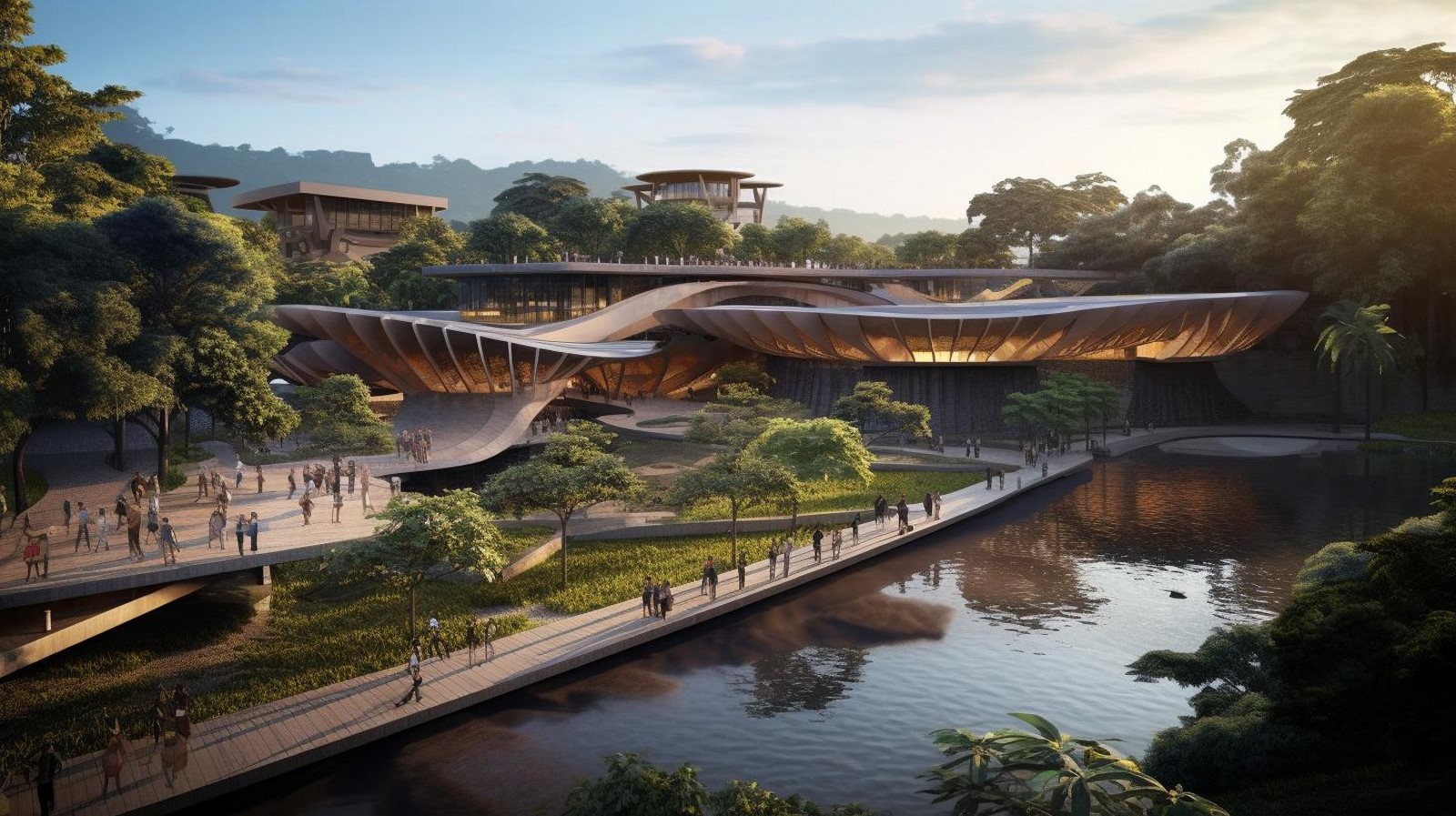
Regarding the fear of all architecture looking the same, just as buildings did during the shift to modernism in the 1960s, Patrik Schumacher reminds us that the previous shift was one that existed in the mechanical age. While the current shift is one powered by computational tools, which are fluid and dynamic not only in ideation but also at the production level. Hence, the degree of diversity can be higher during this shift as it is possible to produce context-specific efficient solutions with the same ease at any part of the world.
In the previous shift, there were only a select number of materials and strategies to work with, for example, just RCC. However, now, we have several options depending on the requirements of the project. Be it stone, timber, 3D printed materials, masonry, etc. Overall, this would be a distorted comparison to make with that of the previous shift. He also provides a subtle warning that if countries stay in vernacular building practices, it would only be a matter of time until developed architecture from other firms snaps up the local businesses. The description draws similarities to how only the fittest would survive in this coming age.
The Big Doubt: Will AI Replace Architects?
As explained earlier, AI can only go so far as to become an extension of the human skillset. AI can take the place of computational tools like CAD and BIM. Schumacher humorously points out that ‘no one wants to clean up CAD drawings.’ And he’s right, AI will only shift the work that’s required from an architect, not replace their role.
Architecture is much more complex and serious than pitching an idea or creating a viral post for social media, which, of course, bots can accomplish. With AI in the equation, architects are no longer the brute workers and direct solution seekers. They become the designer of systems that create these solutions and the decision makers within this workflow. This is the next role of an architect. As urbanisation and standards upgrade itself in the coming years, these tools will become mandatory to keep up with the times. This doesn’t mean anyone is going to be cast aside, but simply that their skillset shall be assisted with these new tools in order to increase the amount of production, not reduce the number of workers.
Diving into the Metaverse
This next segment discusses the confluence of architecture and the metaverse. Like the Internet once took the world by storm, the metaverse is expected to have the same effect. It will help connections with people even when you aren’t physically present, allowing you to work or build intimate relationships with people and the environment through non-physical means. The importance of the metaverse lies in its potential to redefine the way we live, work and connect. It fosters unprecedented levels of collaboration and connectivity by breaking down geographical barriers. And businesses can tap into a global talent pool and remote socialisation, which can spur economic and personal growth.
Metaverse is expected to be both an extension of physical architecture and a ground for a parallel stream of architecture to be born. Perhaps through holographic interventions in design, or projections that intercept reality. Innovation of physical surfaces as interfaces in virtual reality.
Metaverse can also be the testing ground before launching physical projects. In fact, this is already happening in real time. It helps in delivering compelling sales pitches and acts as a platform for clients to contribute to the design process and ease the friction in communication between involved parties.
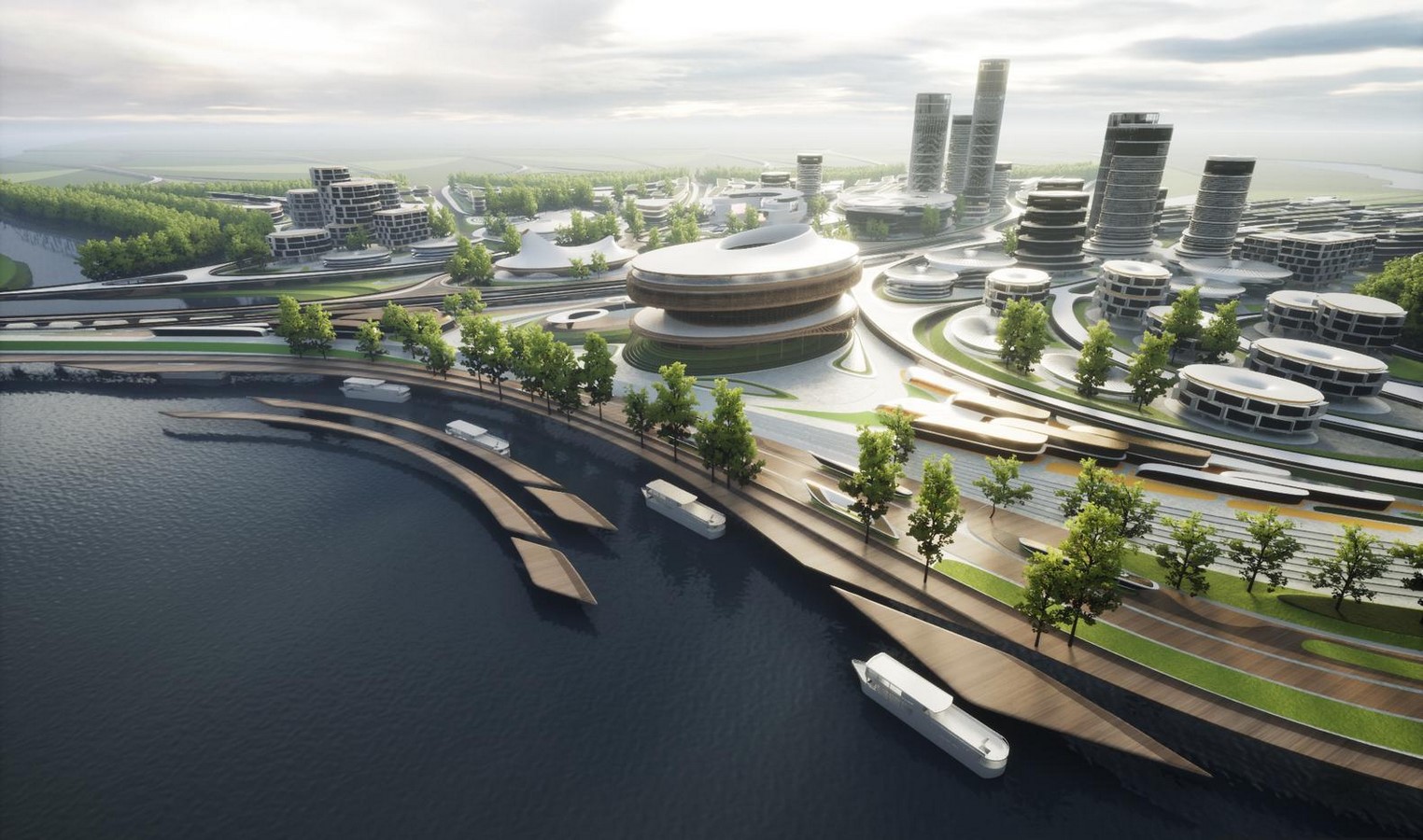
ZHA is already designing the Liberland metaverse, a “cyber-urban” city in the metaverse where people can buy plots of land with cryptocurrency and enter digital buildings as an avatar.
Final Thoughts
The interview concludes with an interesting question posed by the creator. “What should architecture schools stop teaching?”
Patrik Schumacher answers in a similarly interesting manner, explaining how several aspects that students currently relate architecture with, namely sustainability and social justice, aren’t actually issues that can be solved primarily through architecture and design, but should instead be debated in economic and political arenas. These issues that are outside our domain continue taking the spot in the foreground, which keeps other important issues in the background, decelerating the progress in architecture that we should have made by now.
He suggests topics like parametricism, agent-based simulations and space syntax to be integrated into the basic curriculum rather than being topics that one may or may not dig deeper into later in their career.
This 42-minute discussion provides a range of opinions on the future of architecture that showcase a future that may excite a lot of people, but is also indigestible to many others. It goes to show that change is necessary, even though change induces fear in those who wish to continue working the same way they did years ago. The debate of whether the convergence of this multifaceted discipline into a singular global line of thought would do more good than harm still continues. However, it is important to note that as the field is changing rapidly, so should the contents in architecture syllabi around the world. Though these reflections are time-consuming processes, architects from now onwards would always be expected to gear up with the tools of this new age. A further delay in due changes may hint at a decline of the profession, and similarly, a higher success rate for those who do catch up to the times.
REFERENCES LIST:
BlessedArch (2026) Zaha Hadid Architects, AI & the future of architecture : Patrik Schumacher, YouTube. Available at: https://www.youtube.com/watch?v=HhcapefblCI (Accessed: 24 February 2026).
xFiguraAI (no date) AI text, Image & 3D generation platform, xFiguraAI. Available at: https://xfigura.ai/ (Accessed: 24 February 2026).
Finney, A. (2022) Zaha Hadid architects designs virtual liberland metaverse city, Dezeen. Available at: https://www.dezeen.com/2022/03/11/liberland-metaverse-city-zaha-hadid-architects/ (Accessed: 24 February 2026).
What is the metaverse and why is it important? (no date) Accenture. Available at: https://www.accenture.com/no-en/insights/metaverse (Accessed: 24 February 2026).
What is the metaverse? (no date) Meta. Available at: https://www.meta.com/en-gb/metaverse/what-is-the-metaverse/ (Accessed: 24 February 2026).