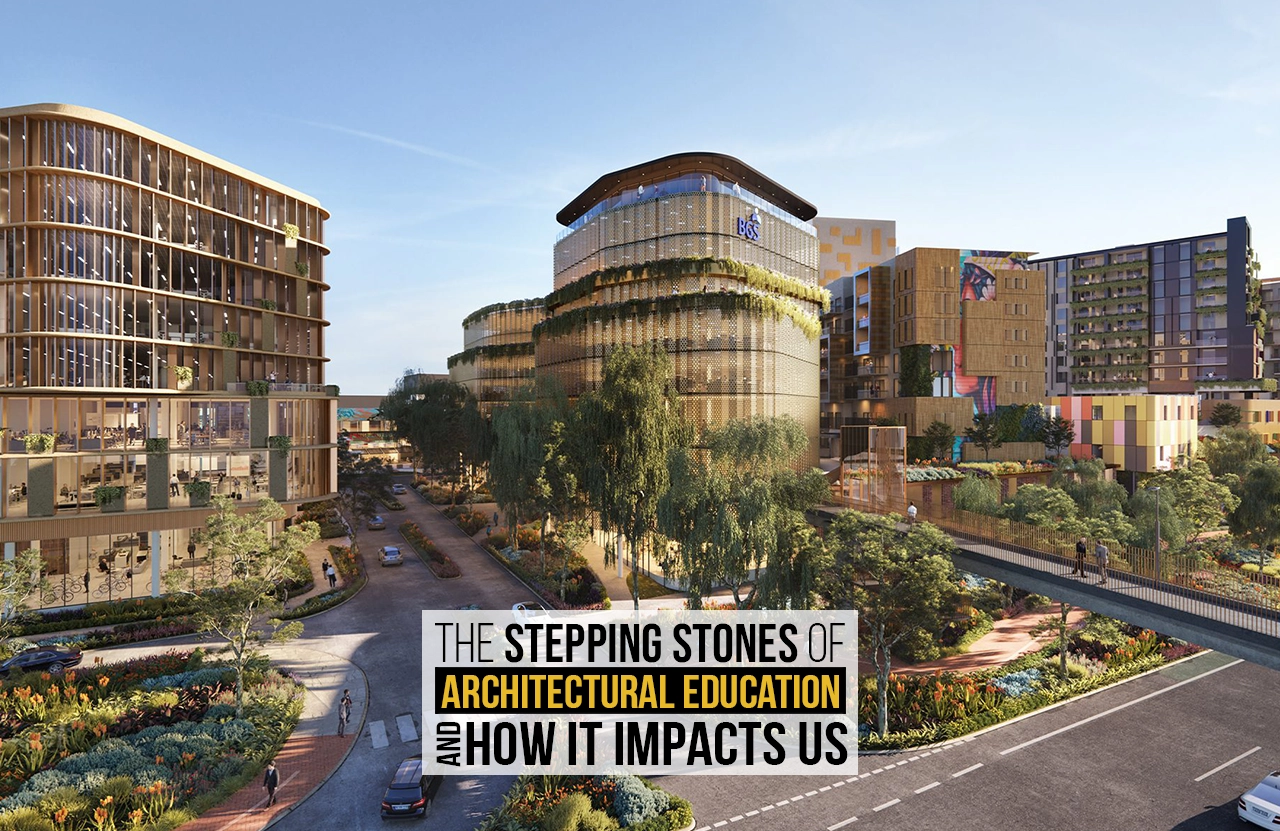
Humans are perceptive beings, greatly influenced and impacted by their surroundings. These surroundings are primarily made up of the natural and built environment. Architecture is the built environment that surrounds us and shapes our experiences. From houses, schools, office buildings, public spaces, and even the transitions between them, architecture surrounds us completely. Most people do not notice the impact it has on their daily lives, but those who pursue architectural education realise that there is more to these built spaces than what meets the eye. As a student of a formal architecture degree program, you embark on a journey that teaches you a new way of looking at your surroundings. Instead of just seeing buildings, you learn to focus on what makes them prevail and what purpose they serve on both the macro and micro scales.
The Foundation: Learning the Architect’s Gaze
Consider the educational years in an architecture college as similar to the construction of a building. The first step in building construction is to excavate the site and lay down the foundation. Thus, the first step taken in architectural colleges is to lay down the foundational concepts in their students, excavating their young minds to absorb the skills that will come in handy in their future. This includes observation, curiosity, visual communication, and strategic thinking. Through exercises such as sketching, model-making, drafting sectional views of everyday objects, exploring design principles, and understanding architectural drawings, the students are first equipped with the skill set to view a building as a holistic project in which design, structure, function, and user experience come together. After this strong foundation is established, students move to the next phase of architectural education – understanding the framework built upon it.

The Framework: From Beams and Columns to Forming a Complete Structure
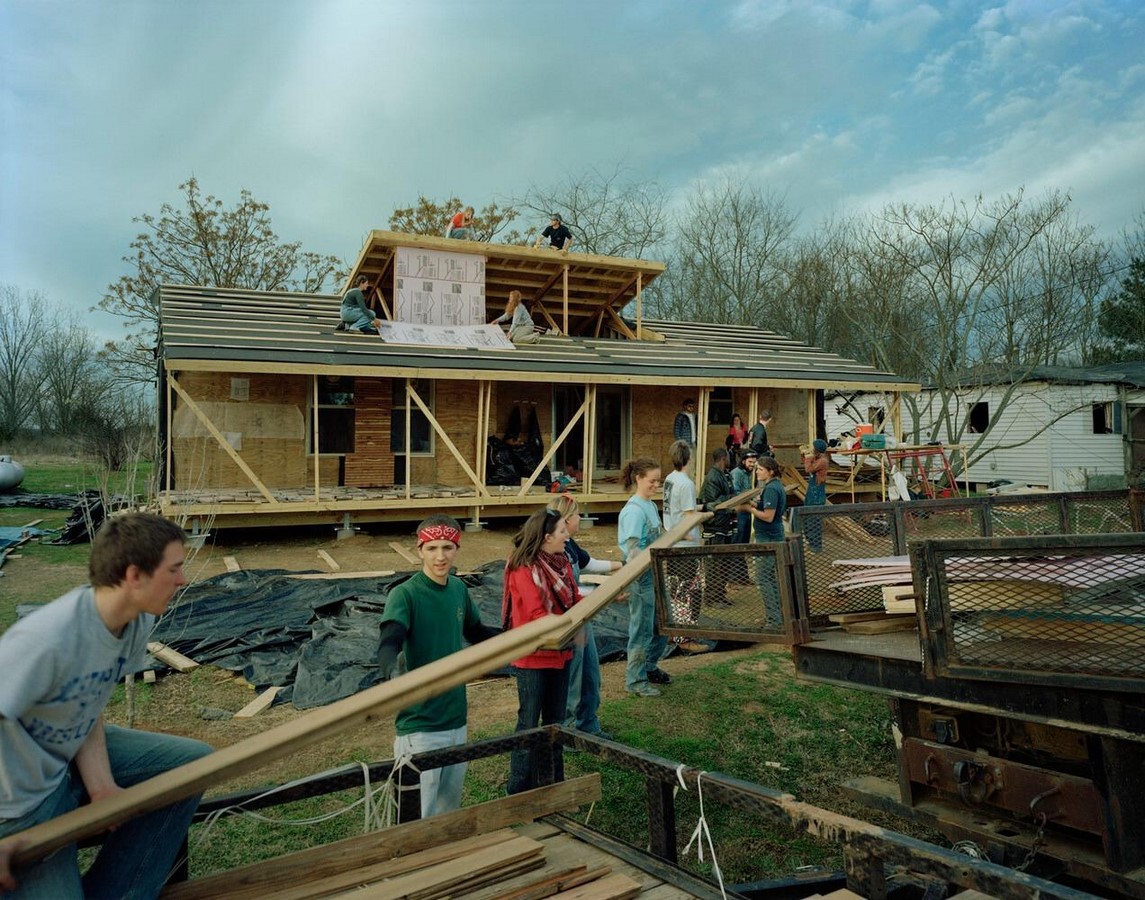
Understanding what makes up the skeleton of any building is essential when studying architecture. Usually, the second and third years of education are used to introduce students to the practical applications of the architectural profession. From sketching on paper and experimenting with solid and void in small-scale models, the students progress toward designing projects based on the design brief given to them. This not only familiarises them with the complete design process of a building typology, but also reinforces problem-solving skills and strong communication skills in presenting their ideas to a jury. Through multiple guided assignments, each focusing on a specific building typology, the students learn to produce a variety of functional designs. They are able to exhibit their own creativity, and it is interesting to see how a single design brief results in multiple design ideas unique to every student. This framework of architectural education supports students’ understanding, evolving their perspective and helping them practically implement their skills.
The Cladding: Aesthetics, Strength, and Utility
By their fourth year, architecture students are able to cohesively design structures that are strong, functional, and aesthetic. Their technical knowledge is further enhanced by studying traditional practices, analysing existing buildings, and implementing their research findings in their projects. They learn to translate sketches into detailed architectural drawings and models. Another essential task is to choose the material for each interior and exterior space, and then implement advanced systems for acoustics, thermal comfort, and natural ventilation. Following this step by step design process, students learn what features make a good design functional and enhance its user experience. This phase of architectural education serves as the cladding – the skin that covers the building – and in this case, it refers to the exposure and techniques that make up every architect’s unique design philosophy. The more grounded a proposed design is according to its site, function, users, and form, the better it conveys the skills of the architecture student. By their final year, students implement all the knowledge and skills gained in the previous four years to design a complete thesis project that solves their chosen problem statement.
The Perspective Shift: Before and After Studying in an Architecture College
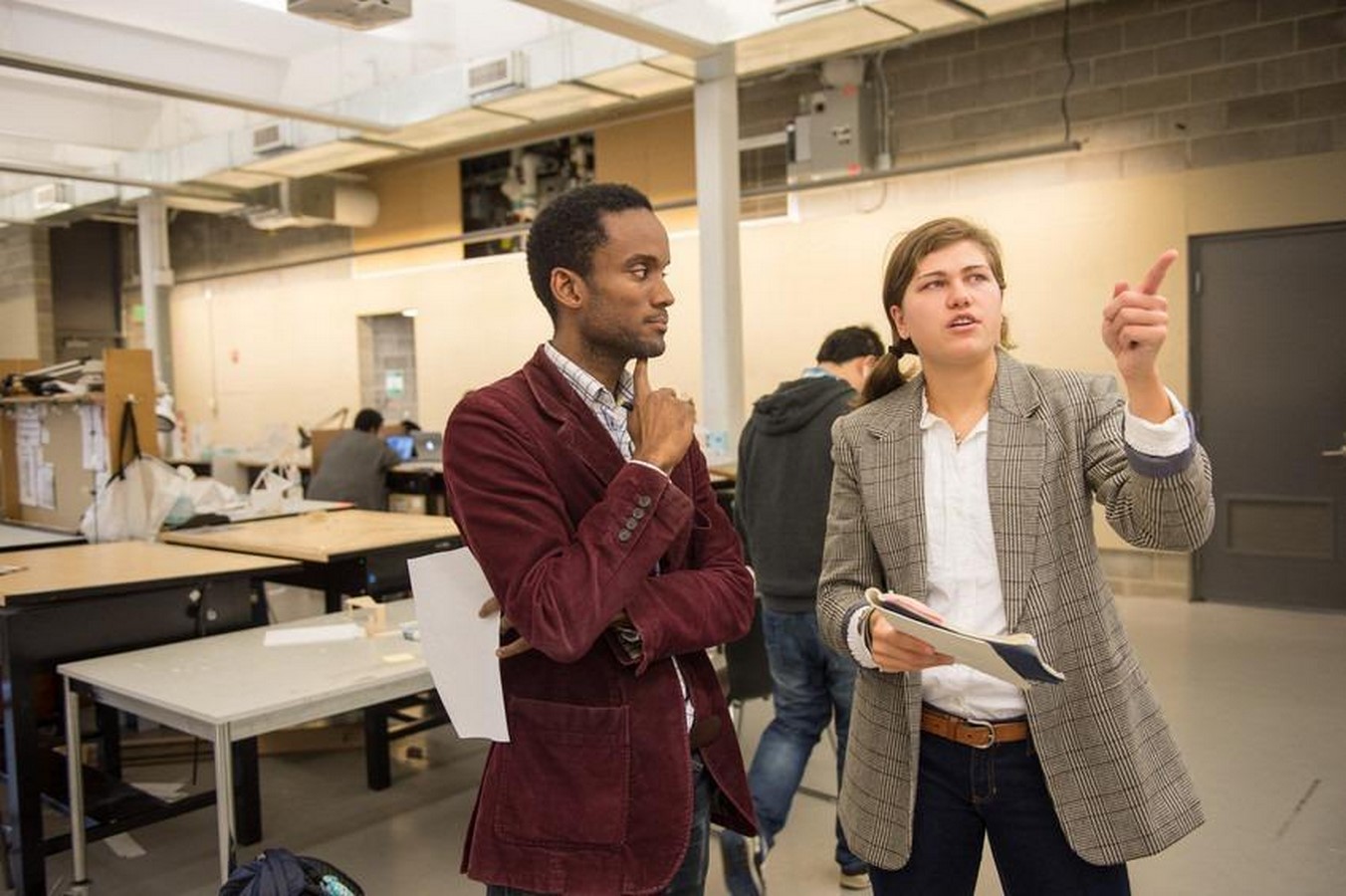
Pursuing a formal education in architecture is not just about obtaining technical skills and implementing design practices at work. It becomes a complete lifestyle in how you perceive the built environment that surrounds you. Before studying architecture, you must have seen buildings as just another requirement of your surroundings – schools existing for education, hospitals for healthcare, and recreational facilities for leisure and tourism. But after studying architecture, you understand the impact of each and every element of the built environment as a complex unit in a holistic whole.

The architect’s gaze that you learn in college shifts your perspective and enhances your ability to see the world around you in multiple dimensions and sections. This analytical approach takes root in your life, making you able to analyse most buildings at a glance. You automatically think about why this structure was proposed, how it contributes to the built environment, what purpose it serves, and who its primary users are. In addition to answering these questions, you are also able to decipher what makes a building effective and what doesn’t, why a certain typology fails in the context and what characteristics are needed for it to prevail, and last but not least, what measures can be taken to further improve the design of the project you are currently analysing. These acquired skills help you in your architectural design and planning process as well.
Architecture is indeed a challenging degree to pursue, but it has a lasting impact as it embeds technical skills and changes the way you perceive the spaces around you. It is a transformative journey that does not end in the classroom but expands in your professional and personal observation, enabling you to see the world through a critical and creative lens. Thus, architectural education trains you to become a conscious designer for the present and an innovative contributor to the future, honing your skills in the best way possible.
References:
Buchan. (2024). Visionary masterplan for Cockburn secures development approval – Buchan. [online] Available at: https://buchan.au/media/visionary-masterplan-for-cockburn-secures-development-approval/ [Accessed 21 Feb. 2026].
College of Architecture + Design. (2026). School of Architecture – College of Architecture + Design. [online] Available at: https://archdesign.utk.edu/academics/school-of-architecture/ [Accessed 21 Feb. 2026].
Poston, O. (2025). Beyond the Syllabus: Architectural Education and a Defense of the Profession. [online] ArchDaily. Available at: https://www.archdaily.com/1036802/beyond-the-syllabus-architectural-education-and-a-defense-of-the-profession [Accessed 21 Feb. 2026].
Shen, Y. (2018). Architectural Education: Is It Actually Preparing Our Students for the Future? [online] ArchDaily. Available at: https://www.archdaily.com/888190/architectural-education-is-it-actually-preparing-our-students-for-the-future [Accessed 21 Feb. 2026].
Wozniak, M. (2016). How to Improve Architectural Education: Learning (and Unlearning) From the Beaux Arts Method. [online] ArchDaily. Available at: https://www.archdaily.com/785820/how-to-improve-architectural-education-learning-and-unlearning-from-the-beaux-arts-method [Accessed 21 Feb. 2026].