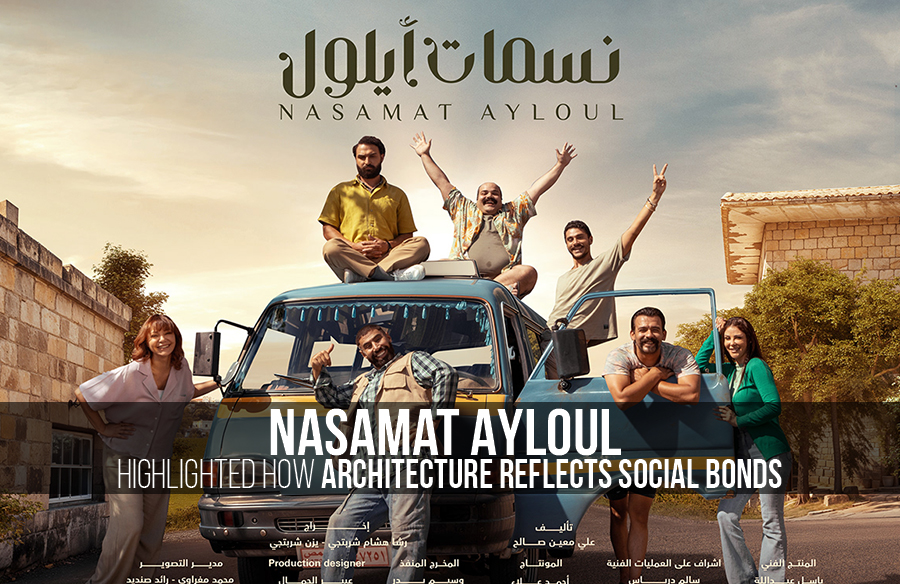
In the filming industry, three components play a significant role in the success of films and series: the script, director, and actors. Regarding “Nasamat Ayloul,” a fourth component played a role in the delivery of hidden social messages—uniquely found in rural areas and villages. While telling the story of the Shaker Family comically, two hidden messages were delivered through the architecture of sets: intimacy and detachment.
Throughout the series, indoor vs. outdoor spaces, lights, furniture, and décor were successful. From a controlling window to a greyed introverted courtyard and passing through interrupted privacy, the overall use of spaces highlighted how social bonds are molded. These architectural features let the viewer subconsciously understand the difference between a house and a home.

House Vs. Home
In simple words, a house is a physical structure where individuals, couples, and families live – without the necessity to feel it personally. When it comes to homes, belongings, and feelings of attachment are highly expressed in the physical structure where individuals, couples, and families live. Whether it was intended or not, both structures in “Nasamat Ayloul” tackled how the characters swing between social bonds in physical structures.
The Revealed Detachment in Fawwaz and Midhat Families
In a comparison between the bonds of the Fawwaz and Midhat families, the consequences are the same: their sons see the dwelling as just a house. Either being ruled by rudeness and drama in Fawwaz’s house, or by easiness in Midhat’s house, the sons considered both houses just spaces to live and barely meet in! Here, Architecture is a tool for such expression.
To begin with, layouts were key players. The rudeness and drama in Fawwaz’s house were accompanied by boring and greyed outdoor areas and interrupted privacy in indoor areas. When it comes to Midhat’s house, a more maintained privacy and greener outdoors were noticed, but yet their sons were not that relaxed.
Moving to the arrangement in both houses, furniture, and spatial manipulation were not that relevant to intimacy – at least in the eyes of the sons. Walking through a drastic living room in Fawwaz’s house, directly linked to a two-in-one bedroom with a door permanently open expressed feelings like: The controlling aspect of parents and the requesting of privacy realms for their sons – highlighted frequently by Nawras, the older son of Fawwaz. In comparison, privacy was more seen in Midhat’s house by separated functions – mainly in bedrooms, with a better living room to foster connectivity, but detachment still occurs. The calmness and excessive love shared by parents made the energetic son – Shahin seek to belong elsewhere.
Lighting and moods were the catalysts in expressing these feelings. Even though warm moods and natural lighting enhance intimacy and ease, one element used to exploit the dark side of these houses: curtains acting as diffusers. The fact that Fawwaz’s house internal moods were greyish, the natural lighting through diffusing curtains made it dimmer and more uncomfortable. The presence of soil colors in Midhat’s house reduces the dimmer mood and slightly boosts comfortability.
Both Fawwaz and Midhat houses have their unique atmosphere and design; however, they tend to make their sons feel alienated. While Fawwaz’s house is more theatrical and starker, Midhat’s house has a more intimate and greener surrounding. The use of light and the organization of the areas also contribute to the feeling of distance.
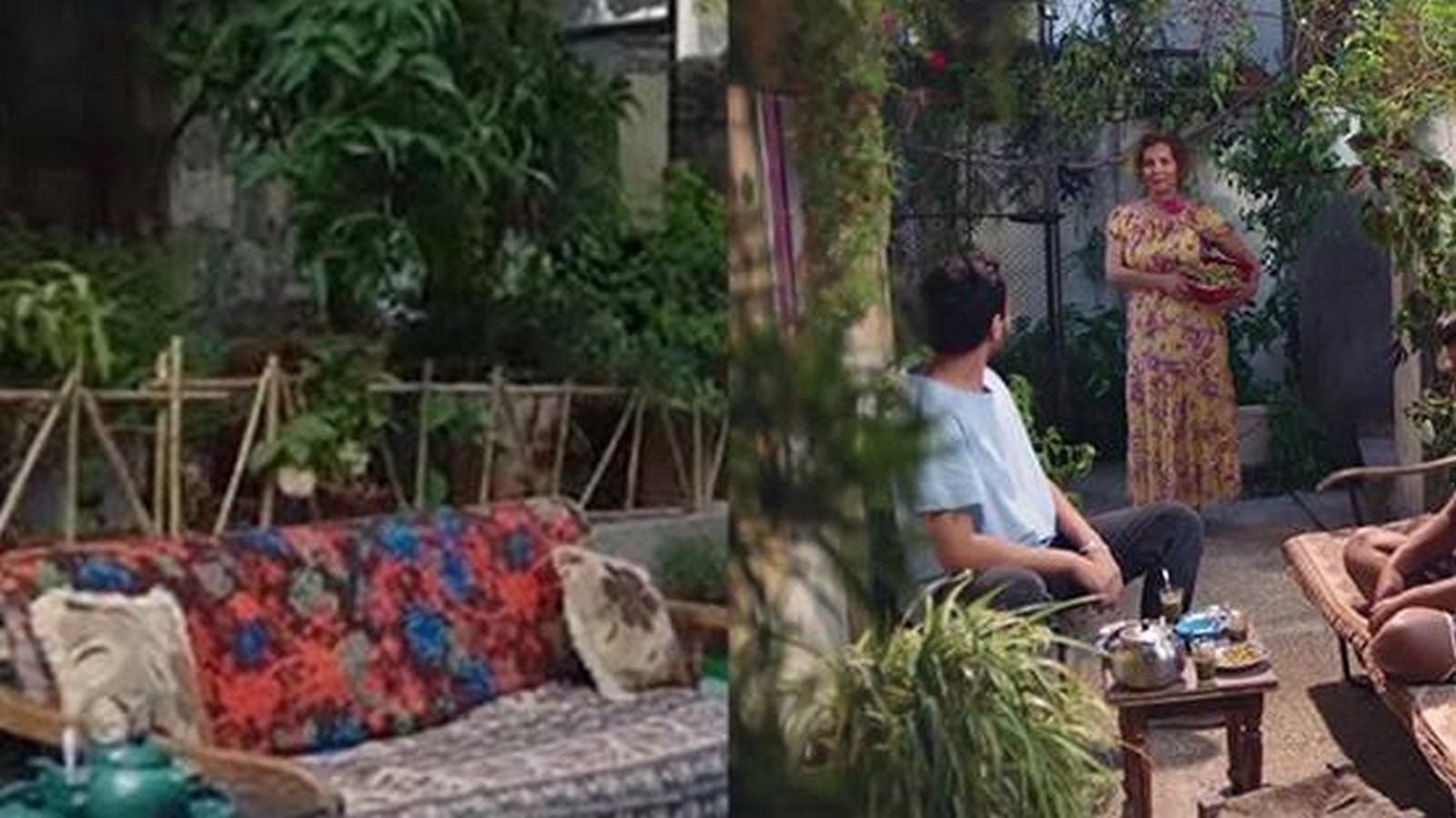
Intimacy and Belonging in Both Family and Aunt Houses
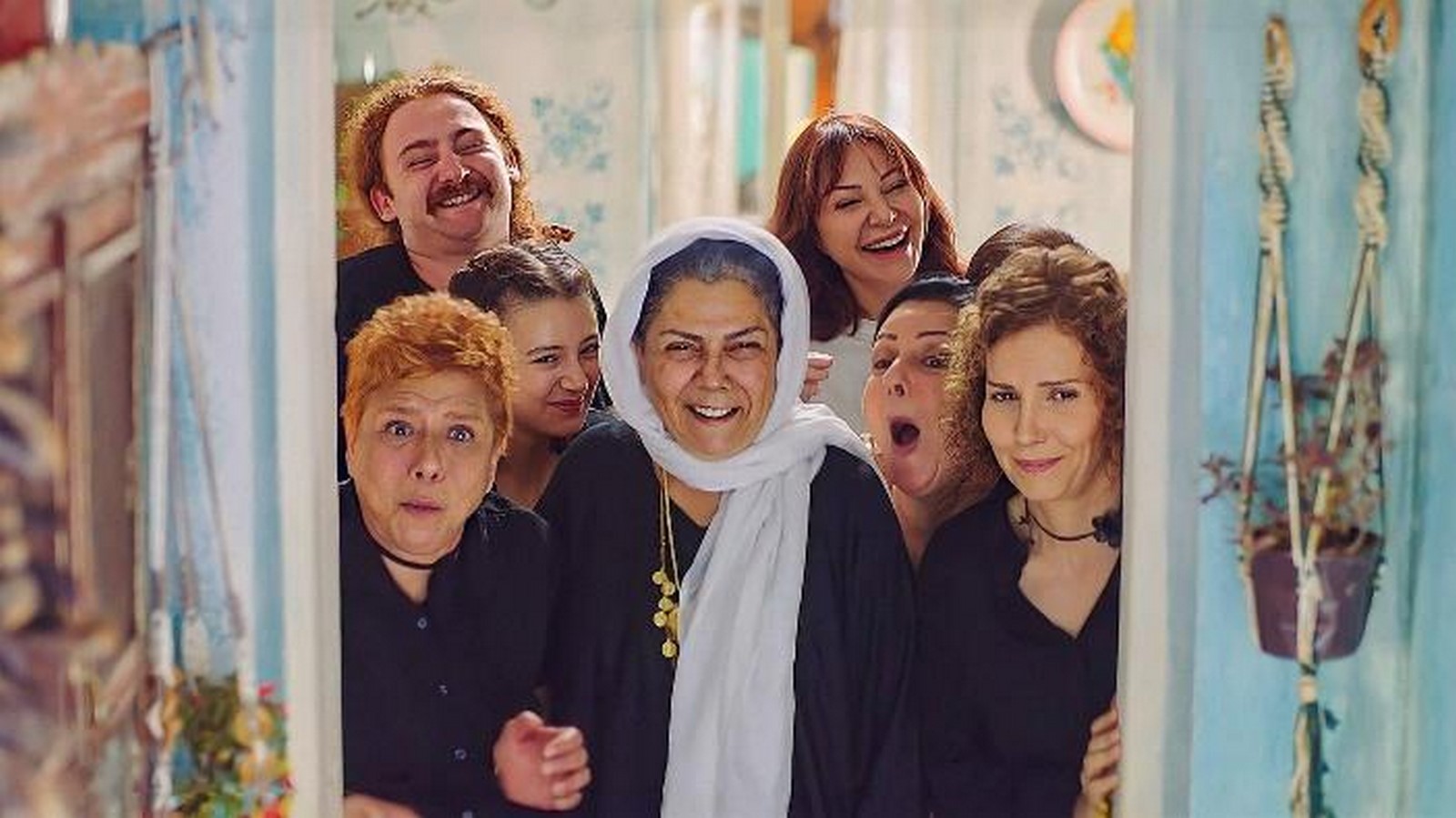
Both houses are occupied by two widows, the grandmother who is strict and stingy and the sensitive aunt, but they both feature belonging and attachment! The bigger family frequently used to gather in these two houses – as if they were home.
Putting both houses in a compare and contrast process, the three architectural languages were a success in delivering intimacy and belonging.
The two houses share almost the same layout: Private, semi-public, and public realms were noticed. Either in the family or in the aunt’s house, scenes highlighted how good vibes and esteemed gatherings occurred there! What made the family house more pleasant, was the presence of a small backyard and a rooftop, making the family gatherings more private and cozier.
The family house arrangement was a plus compared to the aunt’s house: barely partitioned living room and family room, segregated bedrooms and amenities, and the smooth walk-through from front to back yards, made the family house more intimate than the other. However, the architecture of both delivered the message properly. In several episodes, both houses expressed how two generations can gather separately in one space. And this is how architecture blends spaces with meaning, molding places.
In both houses, natural lighting was directly entering the spaces – not diffused through curtains. This reflects the relaxation and sense of belonging for the whole generation. From a lighter internal space in the aunt’s house compared to Fawwaz and Midhat’s houses, to a more pastel mood in the family house, the combination of colors and natural lighting wrapped it up – and belonging occurred.
In consequence, Nawras and Shahin – the close cousins, reveal their true senses of love, caring, humor, and doubt in the family house either when they are alone, or when meeting Rola and Darine – their other cousins.
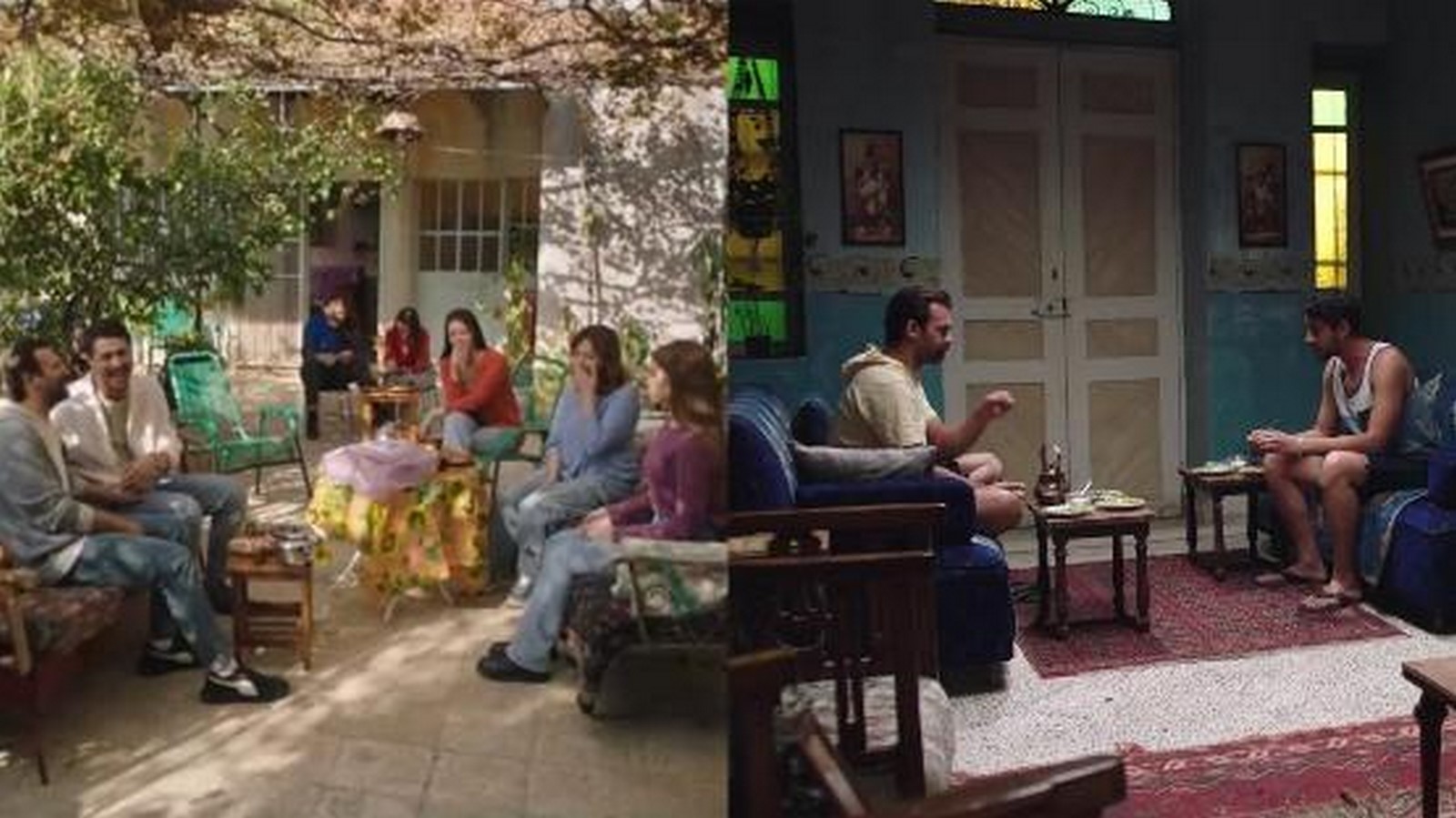
Mix and Match: Intimacy Vs. Detachment
The differences between all houses, depict the bond between architecture and sentiment. Unlike Fawwaz and Midhat’s children who see their houses as sheltering units, the family and aunt’s houses evoke feelings of attachment and identity.
Layout and structure determine intimacy and distance; therefore, both are important features of this controversy. On one hand, Fawwaz’s house presents an outdoor area with a grey color and a two-in-one bedroom that exhibits parental authority and a lack of privacy for the children. Midhat’s house is more ordered and has greener surroundings, but it is equally discomforting. On the other side, both family and aunt houses have cozy yards fostering intimacy.
These feelings are also determined by light. Fawwaz and Midhat’s houses are gloomy since the curtains of the houses are partially open. On the other hand, the family and aunt’s houses are friendly and welcoming, as they are naturally bright. This explains the difference in feeling and atmosphere of the different houses.
One observation is that light and emotional interactions create the architecture of the home, while the building serves as the backdrop.
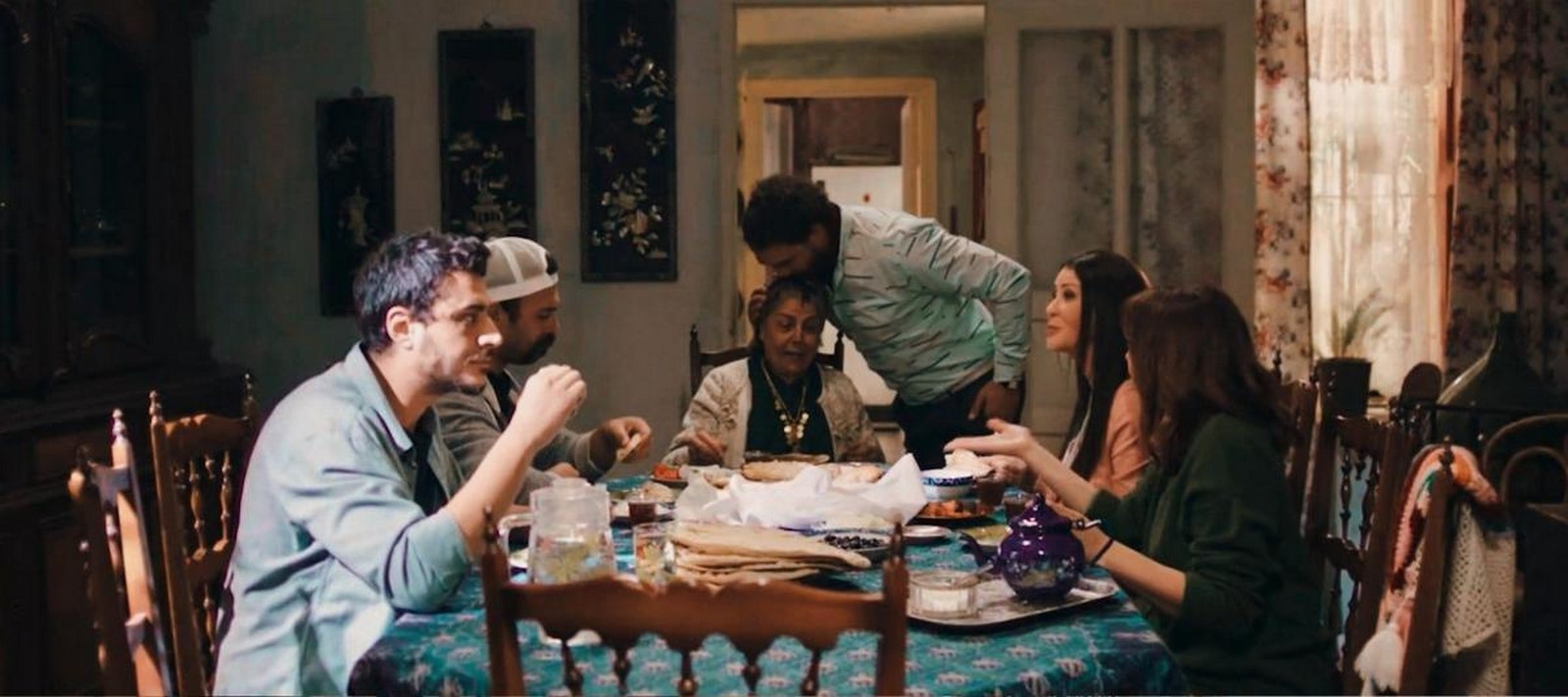
Rating The Success of Architectural Sets
Briefly, the overall approach of the four architectural sets was an ultimate success in delivering how feelings, belonging, attachments, and intimacy could be reflected. “Nasamat Ayloul” is a great example showcasing how sets and locations are equal in importance compared to the three major components: Script, director, and actors.
Architecture in films and series enriches storytelling by shaping space, influencing perception, and reflecting cultural contexts. It explores intimacy and detachment, questioning regionalism and individual experiences. Viewers’ backgrounds shape their interpretation of architectural symbolism, enhancing emotional engagement and deepening narrative connections through spatial relationships and culturally resonant design elements.
References:
Shahid. Nasamat Ayloul. March 1, 2025. Series. Available at:
https://shahid.mbc.net/en/series/Nasamat-Ayloul-season-1/season-49923115672481-49923115633403
Media Line One. Official Poster. [Image]. Available at:
https://www.behance.net/gallery/221438603/Nasamat-Ayloul-official-poster?tracking_source=search_projects%7Cposters
Levidiach. Cast. [Image]. Available at:
https://levidiach.com/tvshows/nasamat-ayloul/
Wadih Mahfoud. Fawwaz and Midhat Houses, [Photo Collage].
Left Image Available at: https://www.youtube.com/watch?v=KmGCDWewKVQ
Right Image Available at: https://maraya.sba.net.ae/ar/title/4309
Wadih Mahfoud. Aunt and Family Houses, [Photo Collage].
Left Image Available at: https://worldtrnd.com/
Right Image Available at:
https://maraya.sba.net.ae/episode/120949
Etbelarabi. Cast. [Image]. Available at:
https://etbilarabi.com