Ever noticed how a room filled with soft morning light makes people feel instantly awake? And how does a cool breeze coming from the window make them feel refreshed and energised? These everyday moments reveal the role of architecture, quietly guiding routines and experiences. Architecture isn’t just about walls, roofs, and structures; it’s about creating spaces that influence how people move, feel, and live each day. Spaces designed with care and comfort often stand out more than the most aesthetically pleasing designs. The placement of furniture, the balance of light and shadow, and even the textures of materials all contribute to shaping daily life. From the position of the window to the material chosen, every detail adds to comfort and well-being. Spaces that are designed thoughtfully can improve mood, add comfort, and show how individuals connect within the surroundings.
Designing for Daily Flow
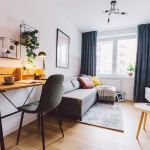
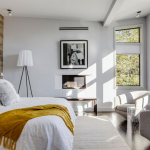
It is said that the morning makes the day, and carefully designed spaces play a vital role in shaping that day. The thoughtfully designed bedroom catches the first morning light, serving as a wake-up call, while the clear pathways to the bathroom or kitchen allow for stress-free movement. Ergonomically designed furniture within the bedroom and work triangle in the kitchen makes them more functional and user-friendly. Similarly, in the workspace, ergonomics directly influences productivity and workflow. For a smooth operation of work, an open-plan office offers an easy and efficient layout. Proportionally designed desk and chair promote comfortable seating and help maintain good posture. 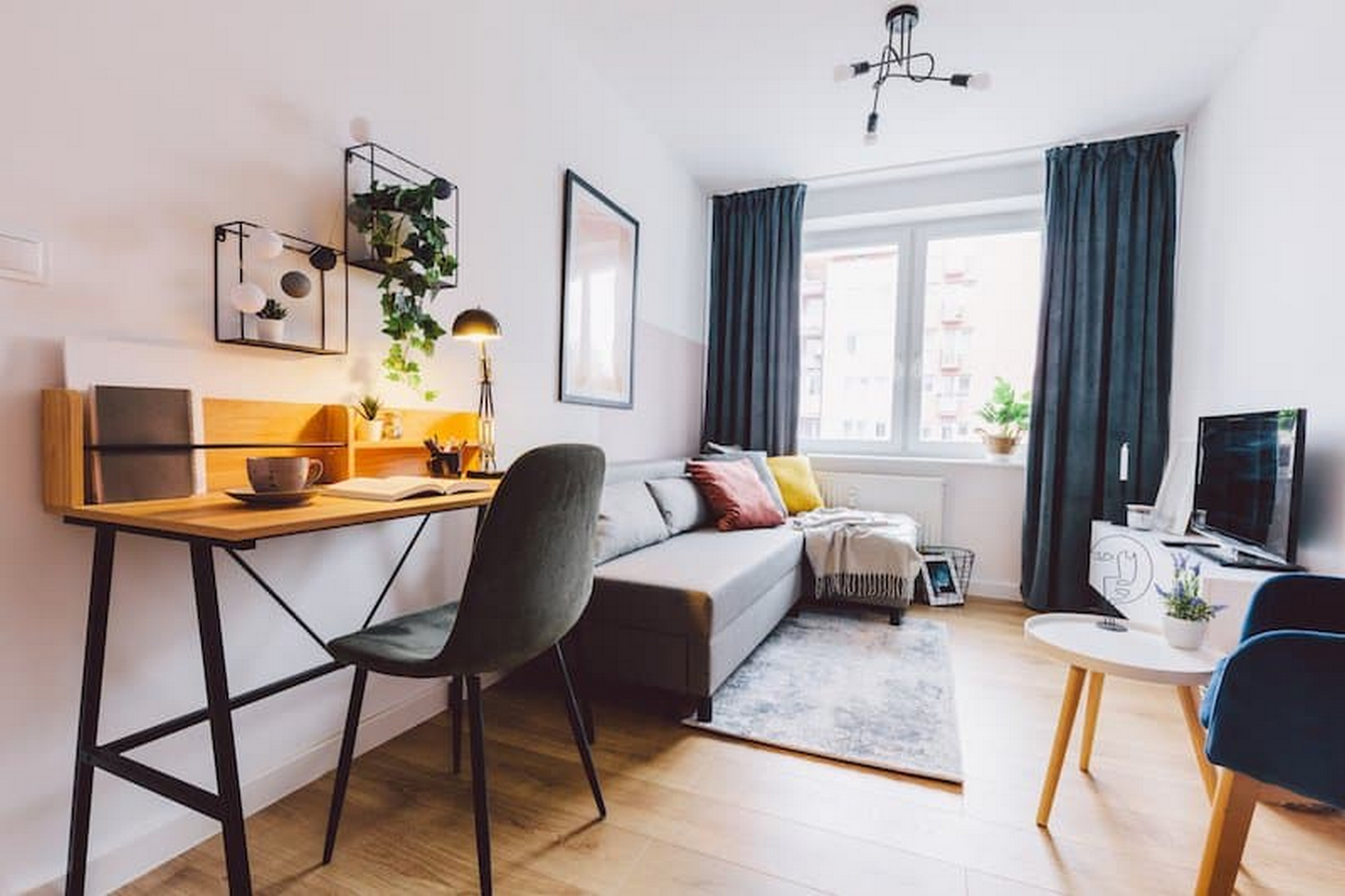
Light and Mood
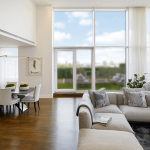
Natural light is a crucial element in architecture that influences the mood and well-being. Well-designed spaces with ample natural light and ventilation reduce stress, enhancing overall mood and concentration. The interplay of natural and artificial light within the house affects how people interact with the space. The morning light in the bedroom enhances the sense of space. Similarly, soft and warm lighting gives a sense of comfort and coziness within the living space. Soft breeze coming from the window just within the desk space, combined with natural light, creates a calm and focused energy within the workspace. Windows positioned to capture natural light can fill the space with warmth and brightness, shaping both mood and energy throughout the day. 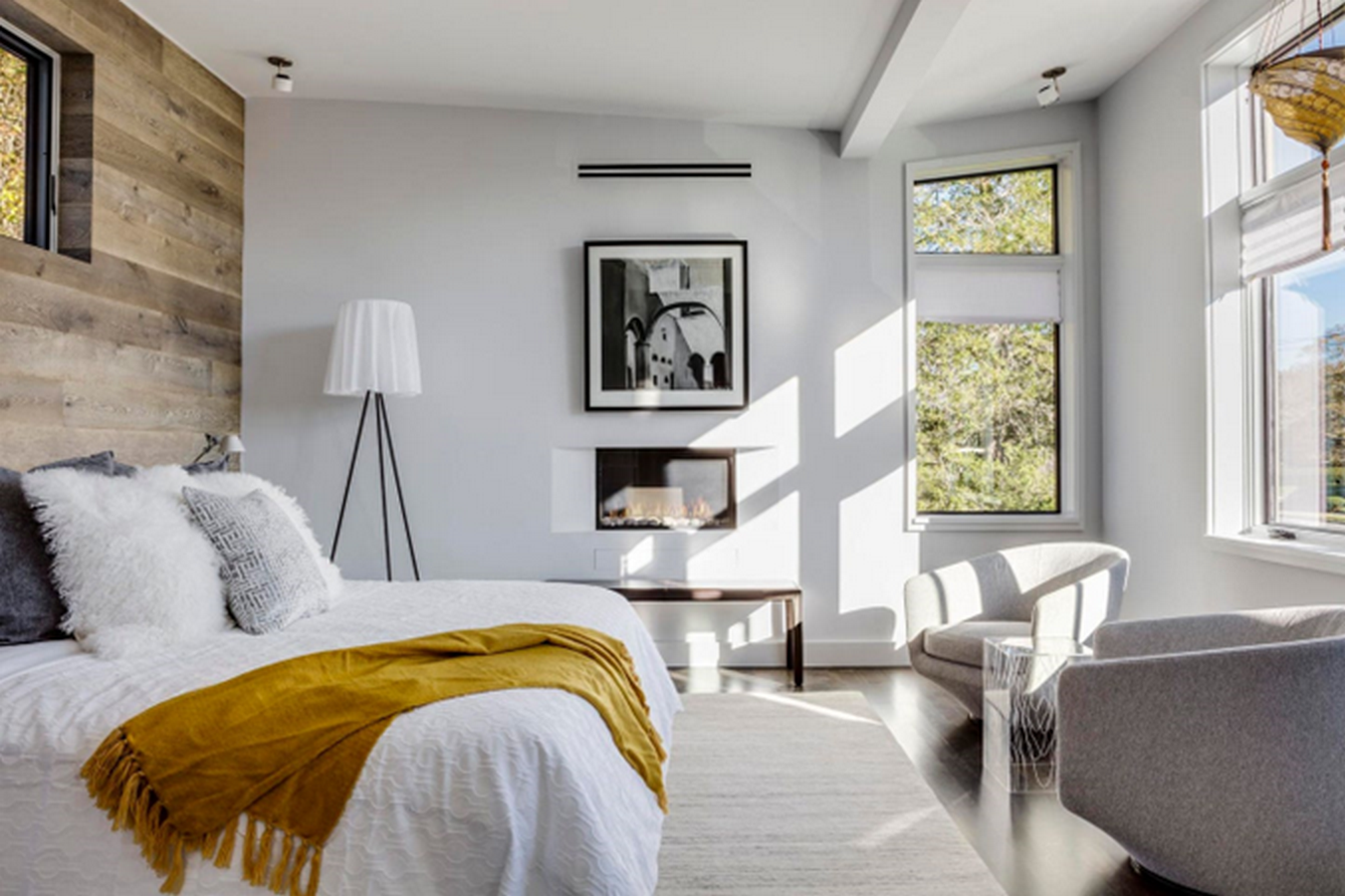
Invisible Influence on Well-being
From the calming effect of natural sunlight to the soothing colours and textures of walls, architecture plays with the senses of the mind, increasing serotonin that kickstarts the day. While small, congested spaces not only make the body feel claustrophobic, they also confine the ability to think, whereas open, wider spaces provide a sense of freedom to both body and mind. The heart can feel heavy in small rooms with dark walls; however the same room feels much safer with cooler-toned walls. Opaque materials like steel and concrete portray a strong character that shows boldness, whereas glass, with its transparent and fragile nature, shows vulnerability and openness. Overall, the shapes, textures, and colors around the space impact the behaviour and emotions indirectly. 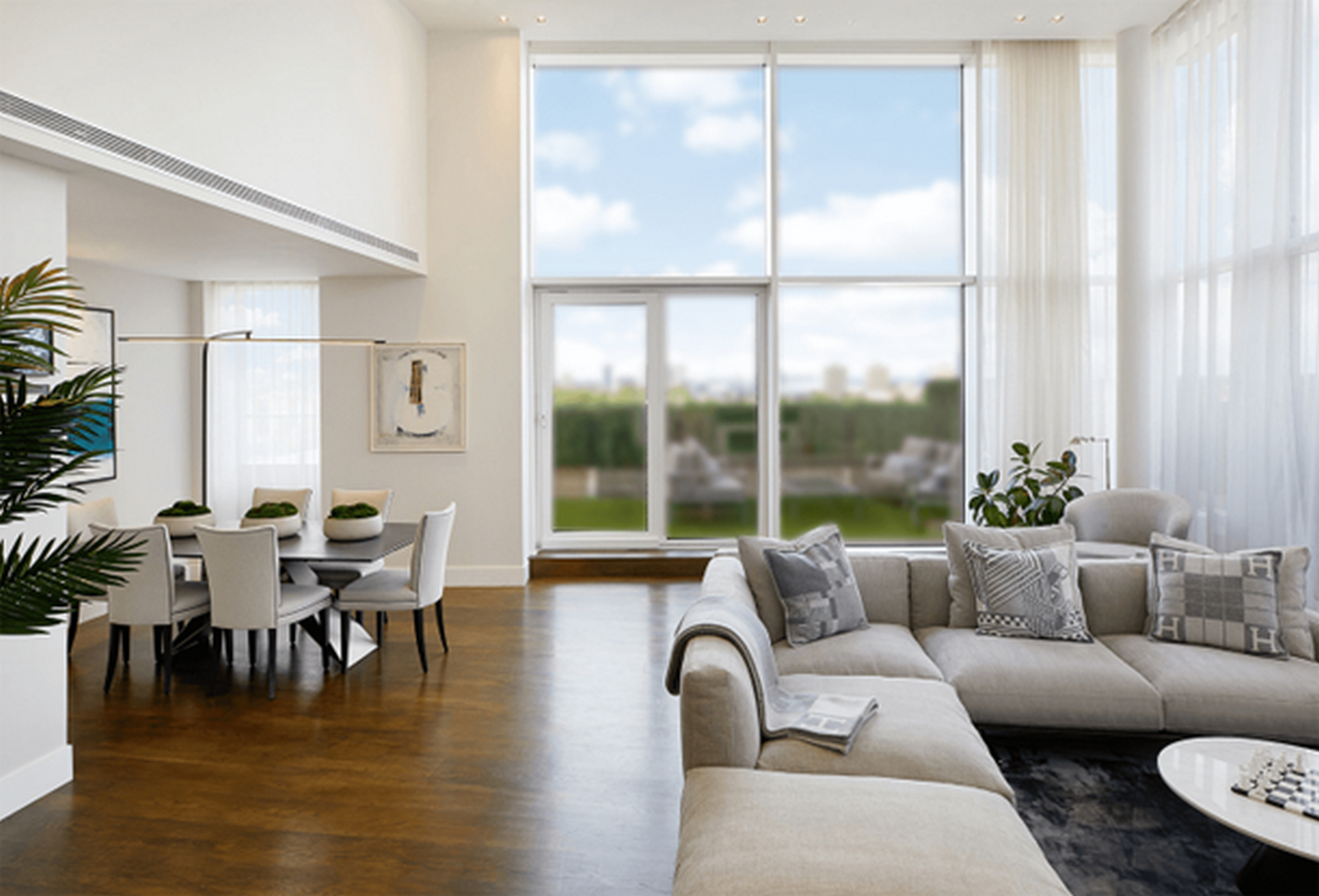
Nature and Architecture
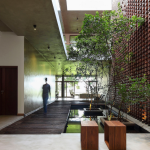
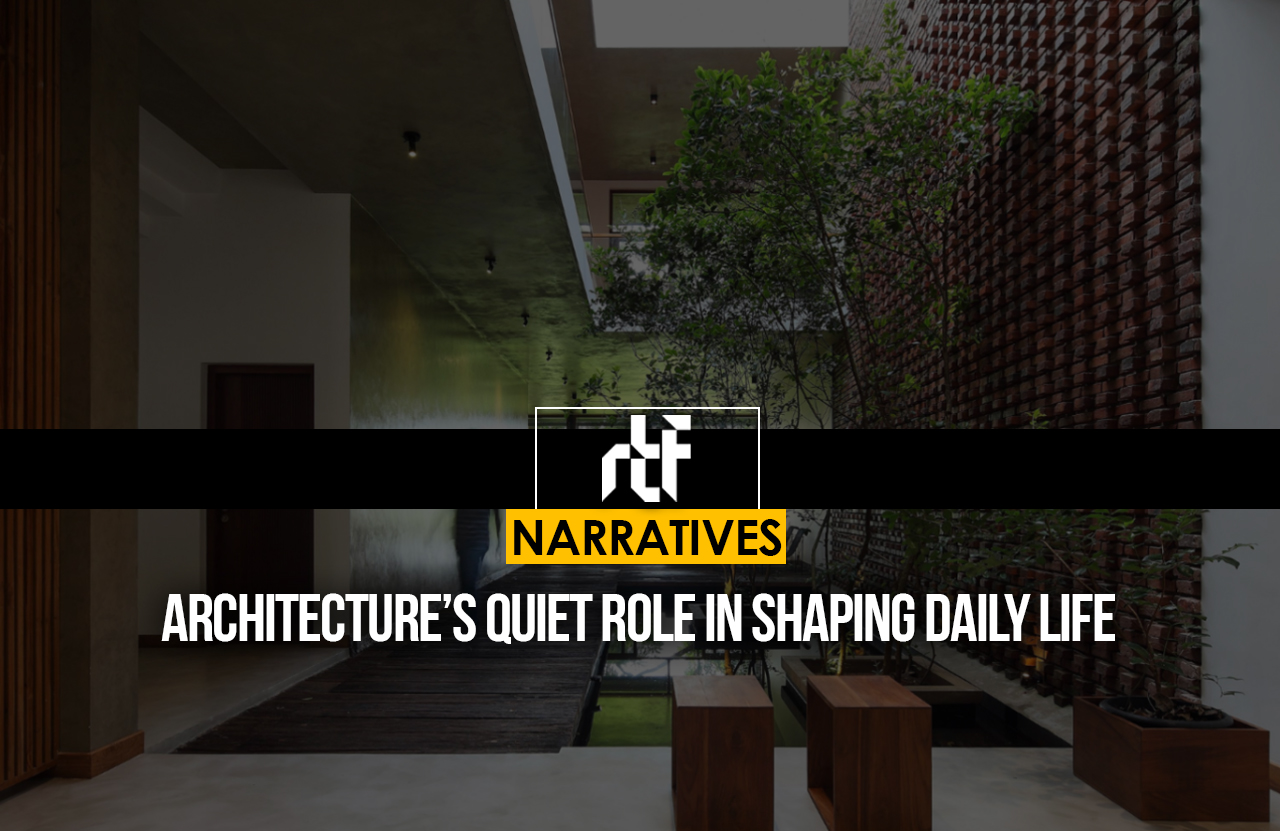
Architecture feels most alive when it’s designed in harmony with nature. Incorporating nature either by creating a courtyard that invites the breeze or a water body that generates a calm and cooling effect, both make the space feel connected to nature. The flow from the kitchen to the garden creates a seamless indoor-outdoor linkage, bringing a touch of nature into daily life. A courtyard opening in the hallway of the living area creates a sense of emerging from nature. By introducing natural elements in design, the space creates a warm and healthy environment. A workspace with an opening to green landscapes gives a feeling of refreshment even while staying indoors. Likewise, adding an indoor plant within the workspace helps keep the air fresh while adding a touch of nature. These touches of nature make the space feel alive and connected to the natural world. 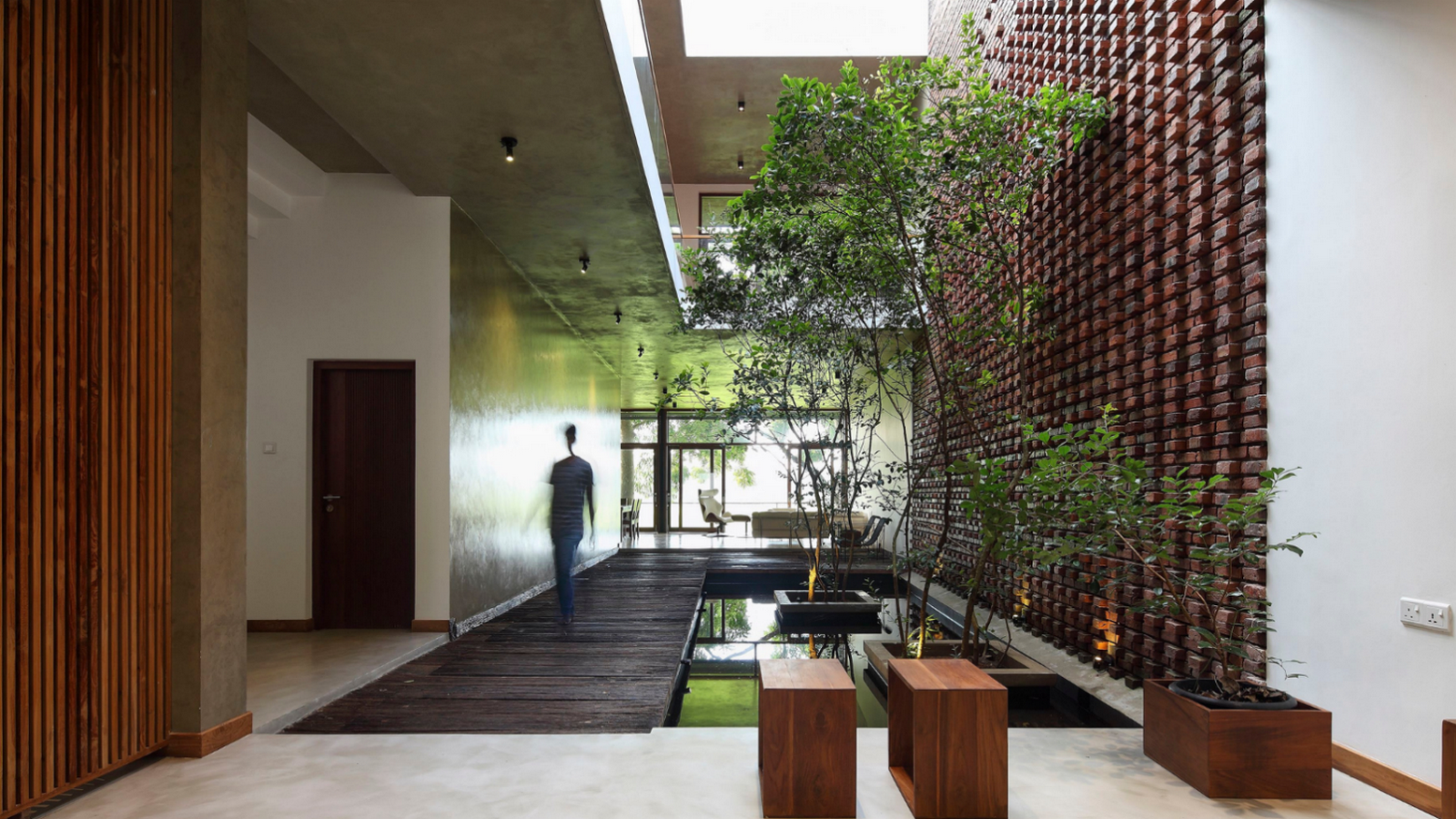
Rhythm Of Architecture
Architecture is the unseen hand in daily life, shaping moods, energy, and a comfortable living environment without being noticed. The power of design isn’t always visible, but it is in these small, everyday experiences, comfort, and well-being. The best designs are the ones that make our lives easier and joyful. In the rhythm of everyday life, architecture guides our actions and quietly shapes the day. Even when not visible, its presence is felt in the ease of movement, a well-lit room, and harmony between people and the spaces they live in. By blending functionality, comfort, and a connection to nature, architecture quietly supports well-being, productivity, and a sense of balance in everyday life. In today’s world, where people are always trying to be better, thoughtfully designed spaces enhance their efficiency, be it at the workspace or at home. From better posture to better sleep cycle, from better hygiene to better mood, architecture has a subtle influence on all these aspects of daily life.
References:
Dauchess, A. (2025). The importance of ergonomics in Interior Architecture & Design, Available at: https://marymount.edu/blog/the-importance-of-ergonomics-in-interior-architecture-design/ (Accessed: 19 September 2025). JC Architects (2024). The Influence of Architecture on Mood and Well-being. Available at: https://jcarchitect.com/the-influence-of-architecture-on-mood-and-well-being/ (Accessed: 19 September 2025). Nasir, O. (2024) The Psychology of Space: How Architecture Impacts Human Behavior. Available at: https://parametric-architecture.com/how-architecture-impactshuman-behavior/ (Accessed: 19 September 2025). (2024) Biophilic Design: Integrating Nature Into Modern Interiors. Available at: https://www.rmcad.edu/blog/biophilic-design-integrating-nature-into-modern-interiors/(Accessed: 19 September 2025).