Architecture is a story told by bricks; it is a problem solved, a feeling experienced in each corner of a space, it is a memory trapped, held tightly by the structure itself. Time and again, archaeologists turn to architecture to decipher the lives of those who created it. As a time capsule, architecture reflects through its materials, form, and function the culture, society, and beliefs of the particular era in which it was built. In many ways, it serves as tangible evidence of history, offering us a glimpse into the past.
The Pyramids: Portals to the Afterlife
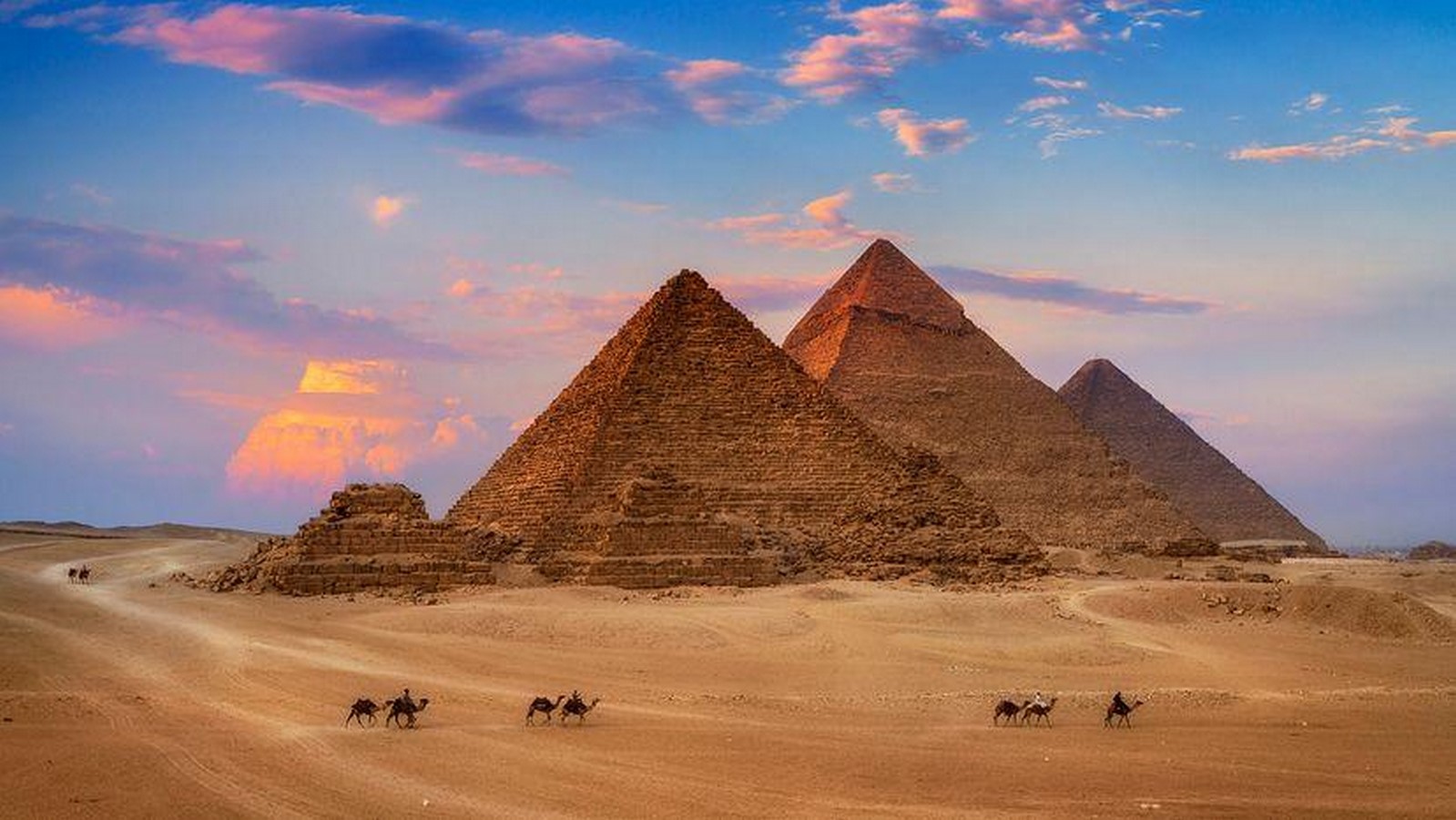
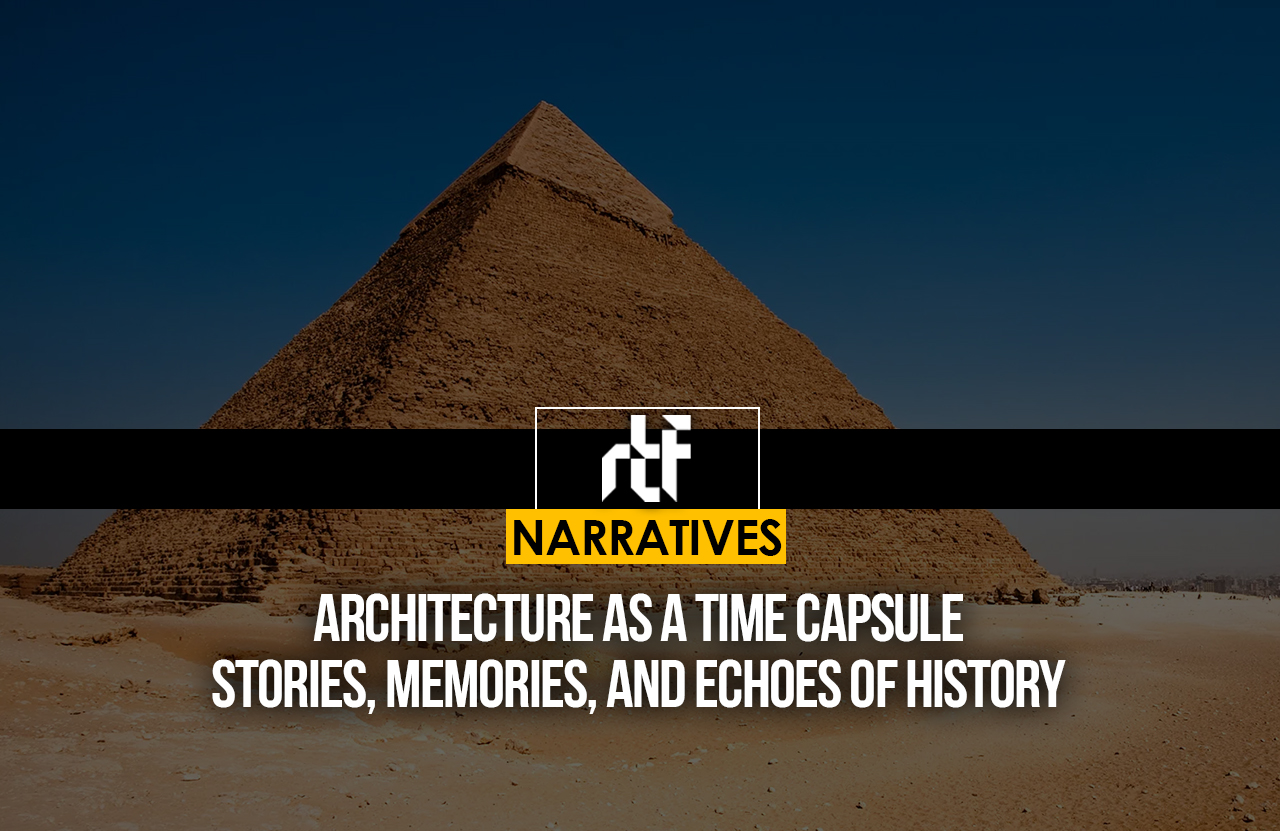
The Pyramids of Egypt are architectural wonders not just because of their scale and geometry but because of what they symbolize. They were the tombs of royals in Ancient Egypt, the Pharaohs who were considered the connection between the Gods and humans in that era. The pyramids tell the story of how they were believed to be eternal, and after death, they were buried in elaborate tombs along with jewelry, clothes, food, and even furniture so that they could continue living in their afterlife comfortably. Their belief in the afterlife was so strong that the Pharaohs dedicated decades of their lives to constructing these monumental tombs. The pyramids were a social symbol for them; proper burial was necessary to ensure a safe journey to the afterlife. The unfinished state of some pyramids also reflects the same, as the Pharaoh died unexpectedly before the completion of the structure.
The architecture of the Pyramids shows the deep understanding the people of that era had of topics like astronomy, mathematics, and engineering. Their ability to extract, transport, and place massive blocks of stone astonishes many. Thus, every element of these ancient structures not only has religious, beliefs, and cosmic meaning but has also achieved feats in geometry, orientation, and construction. The tombs designed to preserve the bodies of Pharaohs also preserved their legacy, which, after thousands of years, has been discovered and has become an important part of Egyptian history.
Mohenjo-daro: An Urban Wonder
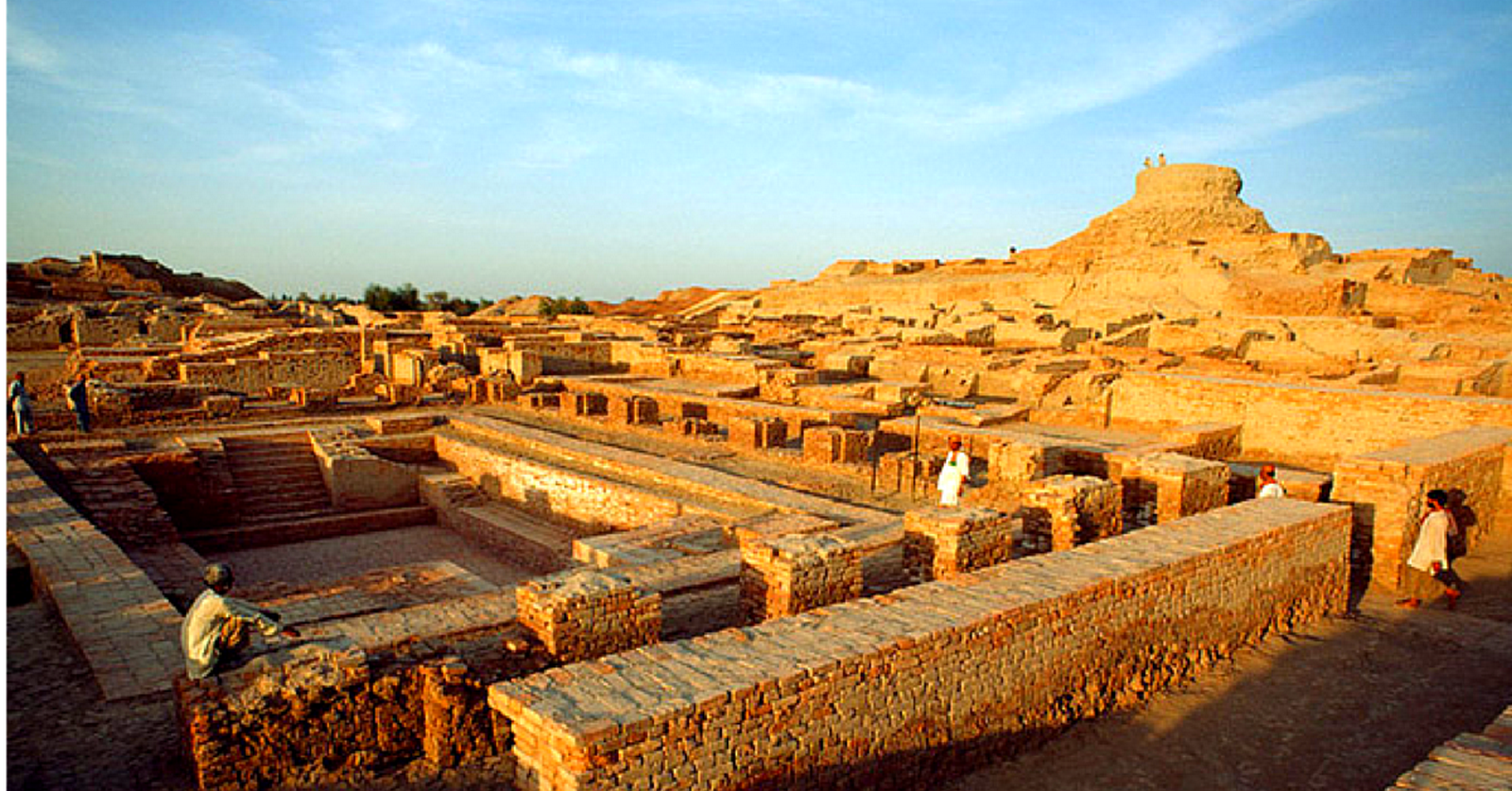
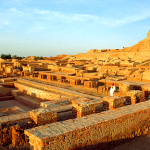
Mohenjo-daro is an ancient Indus Valley civilization located in present-day Pakistan. The advanced urban planning displayed in the civilization that dates back to 2600 BC is way ahead of its time. The streets are in a grid pattern, and the drainage systems found are very advanced. Most of the structures are made of baked bricks of standard sizes. On an urban level, the community spaces were prioritized in the form of public baths, assembly spaces, and granaries.
Mohenjo-daro is proof of exceptional planning and zoning and a deep understanding of civic organization. The whole city was divided into two parts: the Citadel and the Lower Town. The citadel in Mohenjo-daro excludes power and is an important structure that is believed to have been used either for religious purposes or by the government. It is elevated and fortified, located in the western part of the city. It houses the Great Bath, granaries, and assembly halls. The Lower Town has residential and commercial areas. The houses found are mostly rectangular and sometimes even multistoried. The covered drainage system that connects each house to a larger sewage system shows that public health and hygiene were prioritized.
The Mohenjo-Daro civilization is not only an insight into the advanced techniques used at the time, but also narrates the social, cultural, and economic life of its citizens. The crumbling city speaks of how its people lived their everyday lives. The ceremonial structures tell us about their rituals and religious beliefs, while the artifacts found tell us about their trade networks. The stories and memories preserved for thousands of years give us the essence of the inhabitants of Mohenjo-Daro.
Stonehenge: The Timeless Circle
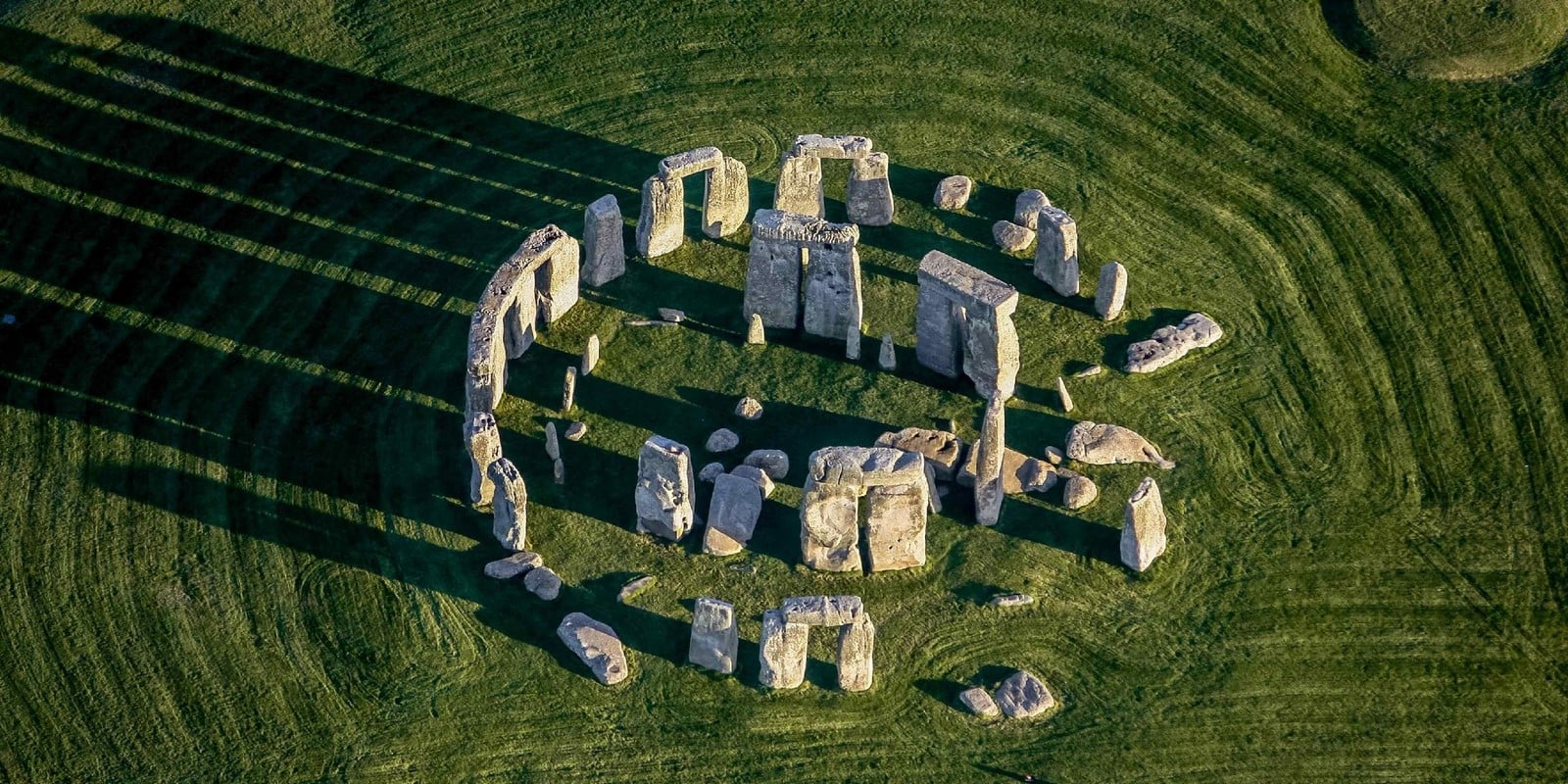
Stonehenge, located in England, is another monument that continues to create intrigue. It is a prehistoric monument that has massive stones arranged in a circular formation. The outer circle consists of the largest stones, some over 4m high, and is vertically aligned with horizontal stones on top like lintels. This ring is about 30 meters in diameter. The inner circle has smaller stones, and at the heart of Stonehenge are five trilithons in a horseshoe-shaped arrangement. The middle one is the tallest stone with a height of 7 meters.
Stonehenge is believed to have been used as a calendar and for ceremonial and mortuary purposes. The stones are aligned with the summer and winter solstices. On the summer solstice, from the center of Stonehenge, one can see the sun rising directly over the Heel Stone, while on the winter solstice, the sun sets in alignment with the largest trilithon. Thus, it is believed that this monument was used as a gathering space to celebrate seasonal changes. Research suggests that the winter solstice was celebrated more monumentally as the return of light. Some stones may also have been used to mark the moon cycle, thus functioning as a lunar calendar. Excavations have also revealed that the site was used as a burial ground.
The arrangement of the stones demonstrates a profound understanding of astronomy among the people, and the fact that some of these stones were transported from hundreds of kilometers away reveals their advanced systems and engineering capabilities. How these large stones were erected in 3000 BCE remains a wonder. The structure not only suggests the ability of these people to create such a technical structure but also suggests their religious belief in celestial bodies and natural forces.
Architecture Through Time
Architecture is shaped by humans and their experiences, and in turn, it shapes the experiences of its users. Even long after the builders and occupants are gone, the architecture remains to whisper about their memories to those who stop and listen. Across time, the structures stand as a three-dimensional record that preserves these lives that could have been easily lost or forgotten as scriptures. From the beliefs in eternal life held by the Ancient Egyptians, to the order and lives of the inhabitants of Mohenjo-daro, and the worship of celestial beings by the people in Stonehenge, stories are being told by every street, wall, and column. Architecture allows its visitors to experience these memories one last time before they disappear in the ruins as debris.
Citations:
- Encyclopedia Britannica (2018). Pyramid. [online]. (Last updated: 13 Sept 2025). Available at: https://www.britannica.com/technology/pyramid-architecture [Accessed date: 20 Sep 2025]
- Augustyn, A. (2019). Pyramids of Giza | History & Facts. In: Encyclopædia Britannica. [online] Britannica. Available at: https://www.britannica.com/topic/Pyramids-of-Giza.
- Lundström, P. (n.d.). Pharaoh.SE – The names of the Pharaohs. [online] Pharaoh.se. Available at: https://pharaoh.se/.
- Centre, U.W.H. (2024). Archaeological Ruins at Moenjodaro. [online] UNESCO World Heritage Centre. Available at: https://whc.unesco.org/en/list/138/.
- Wexler, J. (2021). An introduction to Stonehenge. [online] The British Museum. Available at: https://www.britishmuseum.org/blog/introduction-stonehenge.
- UNESCO World Heritage Centre (2013). Stonehenge, Avebury and Associated Sites. [online] Unesco.org. Available at: https://whc.unesco.org/en/list/373/.
- moore544 (n.d.). Stonehenge. [online] ohiostate.pressbooks.pub. Available at: https://ohiostate.pressbooks.pub/exploringarchitectureandlandscape/chapter/stonehenge/.