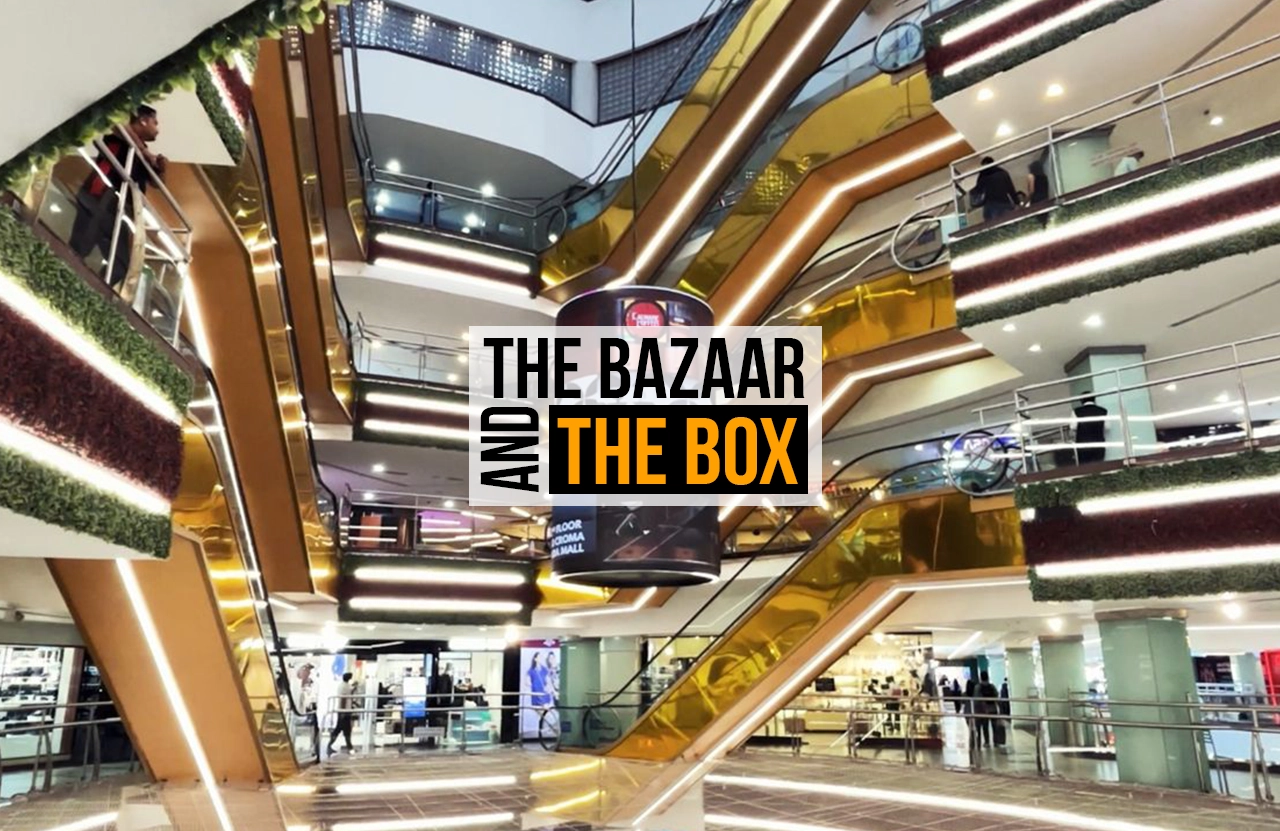
With the rapid urbanisation of Indian cities, we have traded the porous, democratic bazaars for controlled and enclosed mall spaces. Since architecture in a utopian world seeks to create public spaces, the trade-off between bazaars and malls is a paradox that is true for most modern Indian cities. While malls offer convenience in a climate-controlled environment, they cannot replace the bazaar as the model of truly inclusive civic space. When designing a space for the public, one must design it for people from all walks of life. This is where malls fall short. Thus, comparing the bazaar to the mall reveals true inclusivity. Inclusivity born of accessibility, social acceptance and the vibrance of the bustling Indian street.
The Truly Permeable
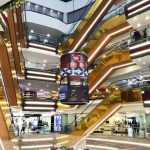
Malls today are described as Privately Owned Public Spaces. These are spaces curated especially for the customer. Although a mall mimics the city with its streets, squares and complexes, it is run by a corporation. It creates a filtered environment, excluding people who don’t fit into a certain shopper’s profile, with the help of security checkpoints, metal detectors and boom barriers. Due to high entry and maintenance costs, it segregates the city (BENJAMIN, 2008).
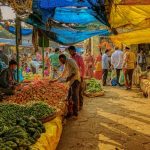
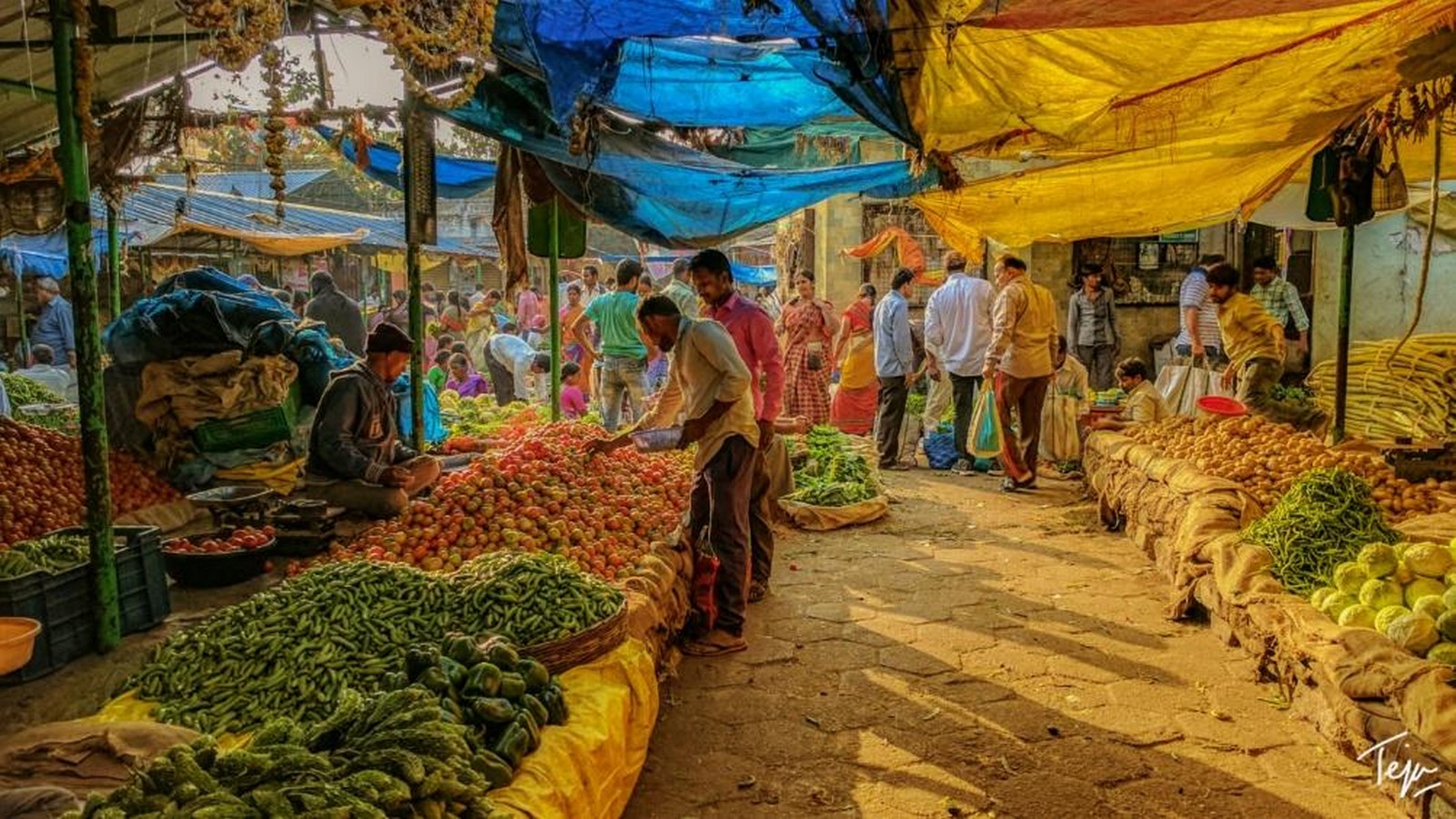
The Indian market, on the other hand, is a true extension of a street. With no gates and controlled entry points, it is accessible to all. It stretches and weaves seamlessly into the surrounding fabric, whether a residential lane or a road network. This phenomenon is termed Spatial Porosity. It transforms spaces into inclusive civic spaces. The narrow bazaar, with its high density, forces proximity, breaking social barriers. This ensures a democratic use of space which is accessible to all. It fosters a shared urban identity that a mall cannot replicate (BENJAMIN, 2008).
Formal vs. Informal
The mall is a static space, with fixed shops, long-term leases and rigid layout. The informal economy requires flexibility to flourish. A mall with its rigidity thus ends up alienating the small-scale business owners, like the cobblers, the street vendors and the artisans. These small-scale business owners make up a massive portion of India’s urban workforce (O’Neil, 2005).
The Indian market, however, is dynamic, changing with the clock. An early morning flower market transforms into an afternoon garment hub and later into a street food haven at night. This flexibility sustains all kinds of livelihoods. It provides the infrastructure that the informal structure needs to function. A shaded pavement, a widened street corner, or a raised plinth can sometimes be sufficient to support a business and advocate for economic inclusivity. It allows those with minimal capital to participate in the life of the city.
Non-Place vs. Atmosphere
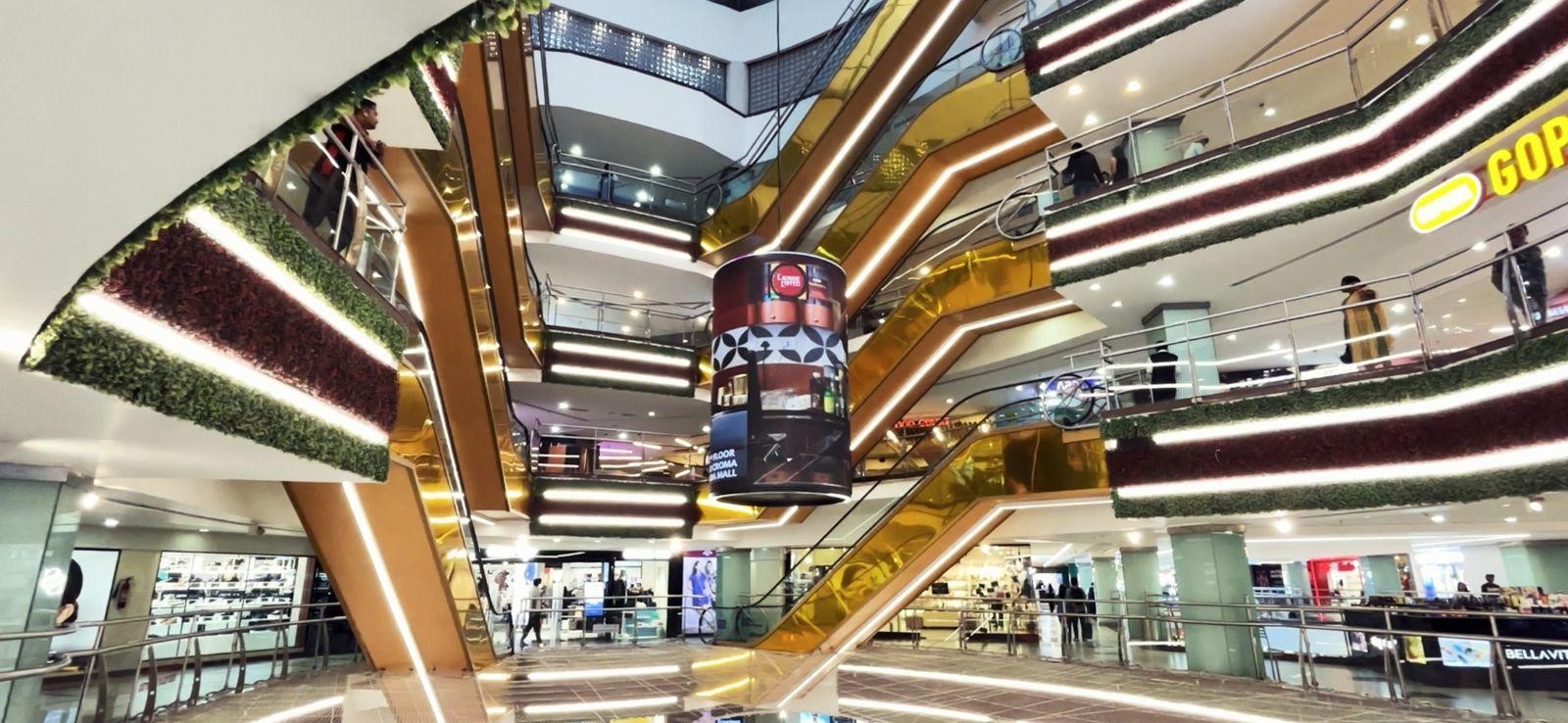
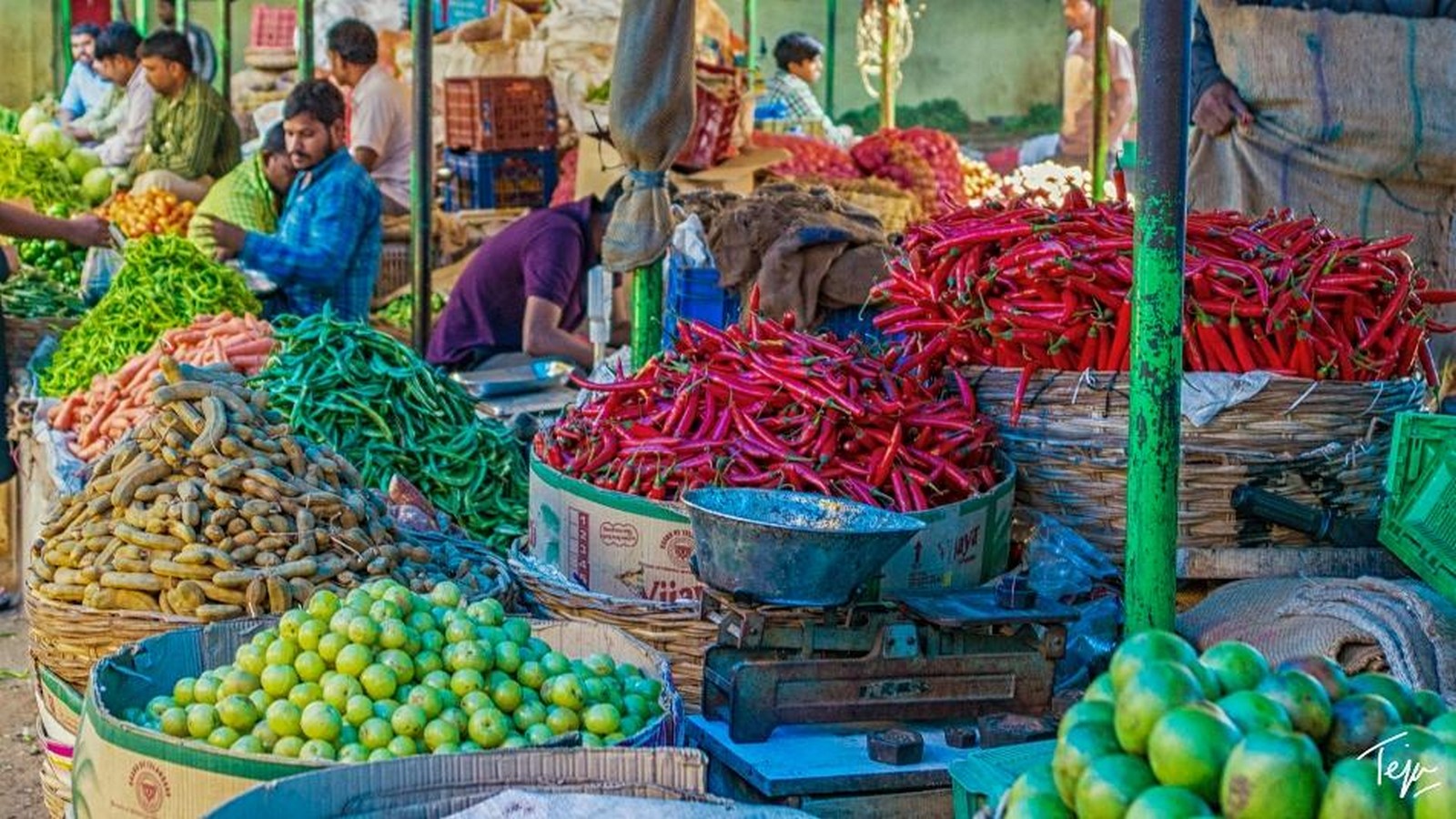
The mall is a non-place. A term used to describe a place of transience, lacking the significance to be deemed a place. It numbs the senses. A mall is curated similarly everywhere, from its synthetic smell of perfumes to the drone of the HVAC system and the harsh LED lighting. Whereas the Indian market is defined by its sensory density, creating an olfactory and auditory landscape. The cry of the hawker, the aroma of spices, and the tactile cobbles beneath one’s feet create a vivid sense of place (Mihail-Cristian Diţoiu et al., 2014).
This sense-inclusive experience of strolling through a bazaar is a lesson in Atmosphere. It demonstrates how civic inclusive spaces are embedded in the collective memory. It elevates the market from a mere place of buying goods to a repository of culture, history and rituals. It is a place that resonates with every Indian on a visceral level because it is a place which an Indian body associates with home (Mihail-Cristian Diţoiu et al., 2014).
Sustainability
As the climate crisis accelerates, we can no longer ignore the environmental cost of our built environment. In such a scenario, a mall which devours energy causes massive damage to the environment. It exerts massive energy demands to maintain a cool indoor temperature in India’s tropical climate. It is an architecture of sealing, of shutting out the environment to create a bubble. The Indian market, which utilises the stack effect in its narrow alleys, the shade provided by deep overhangs and the cooling effect of perforated screens, is an architecture of “opening”. By working with the climate rather than shutting it out, the Indian bazaar becomes inherently sustainable. It prioritises natural ventilation and local materials, offering a resilient model for future inclusive civic spaces (Anshu and Kumar Das, 2023).
Reclaiming the Commons
While the mall, a product of globalisation, boosts convenience and commerce, it should not be construed as an inclusive civic space. A true civic space is chaotic, vibrant, and sometimes unpredictable. The bazaar, a product of civilization, accepts people from all walks of life, their socio-economic background notwithstanding, and thus becomes a true public space. The challenge today is to build spaces that are economically accessible, socially diverse and climatically sensitive, to build bazaars and not boxes. The most successful architecture today is that which enables a meaningful human experience. The true inclusive space is not found behind a security gate, but on the open pavement, under a shared sky (Radywyl and Biggs, 2013).
References:
Anshu , S. and Kumar Das, B. (2023). A Parametric Analysis of Thermal Comfort of Street Vendors in the Traditional Settlements of Patna, India. Isvs e-journal, 10(12), pp.610–625. doi:https://doi.org/10.61275/isvsej-2023-10-12-42.
BENJAMIN, S. (2008). Occupancy Urbanism: Radicalizing Politics and Economy beyond Policy and Programs. International Journal of Urban and Regional Research, [online] 32(3), pp.719–729. doi:https://doi.org/10.1111/j.1468-2427.2008.00809.x.
Mihail-Cristian Diţoiu, Aurelia-Felicia Stăncioiu, Teodorescu, N., Lucian-Florin Onişor and Radu, A.-C. (2014). Sensory experience – between the tourist and the marketer. Theoretical and Applied Economics, [online] 21(12), pp.37–50. Available at: https://www.researchgate.net/publication/273123551_Sensory_experience_-_between_the_tourist_and_the_marketer.
O’Neil, D. (2005). Ten Qualities of Successful Public Markets. [online] www.pps.org. Available at: https://www.pps.org/article/tencharacteristics-2.
Radywyl, N. and Biggs, C. (2013). Reclaiming the commons for urban transformation. Journal of Cleaner Production, 50, pp.159–170. doi:https://doi.org/10.1016/j.jclepro.2012.12.020.