While designing for urban centres, cities are often classified into buildings that stand and streets that divide them, into solids and voids. A city serves as a stage for performance,…
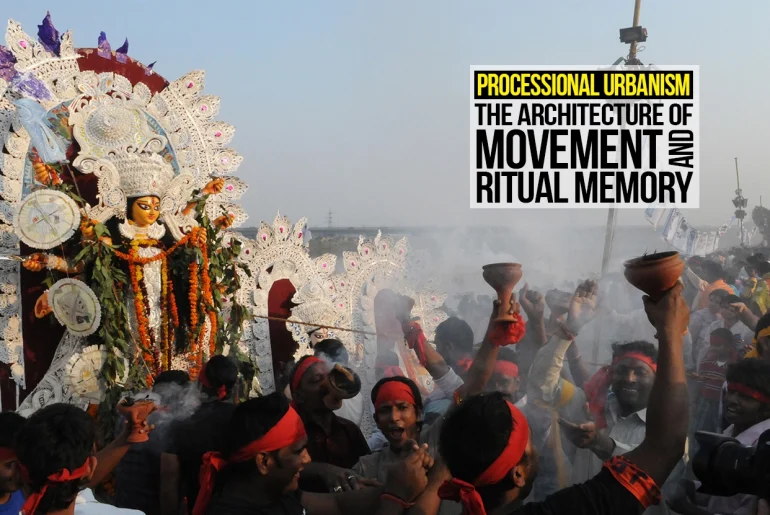


While designing for urban centres, cities are often classified into buildings that stand and streets that divide them, into solids and voids. A city serves as a stage for performance,…
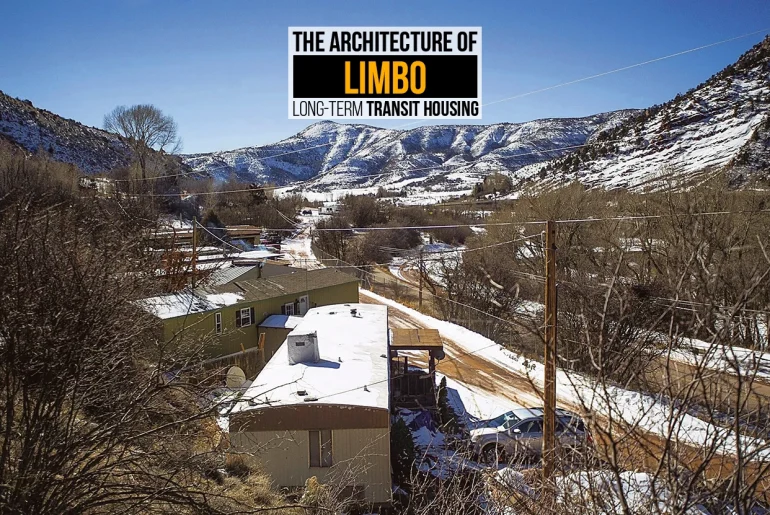
The discourse revolving around urban housing usually relies on a binary, with the permanent home on one side and the emergency shelter on the other. But this neat divide is…
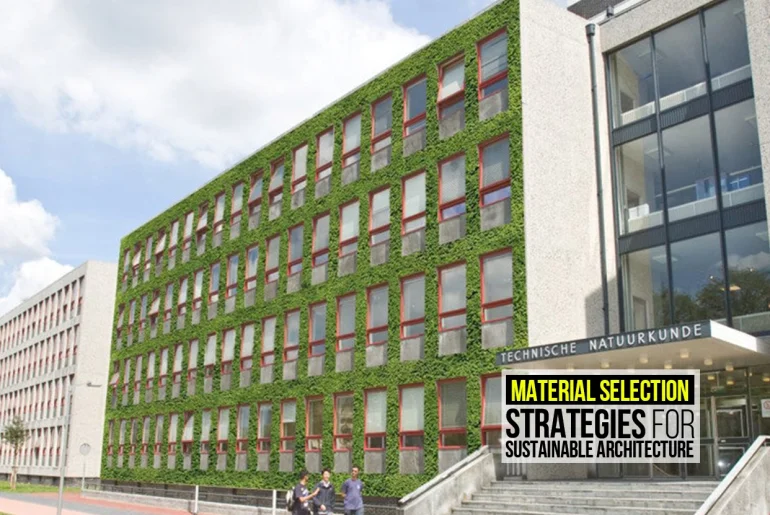
In the architectural landscape, sustainable architecture now has a new definition. Installing a few solar panels and proclaiming the building as sustainable is no longer sufficient. Evolving past this greenwashing,…
Often in the field of architecture and urban theory, ground reality is overlooked while creating lofty theories. There are very few texts that offer a bridge between spatial design and…
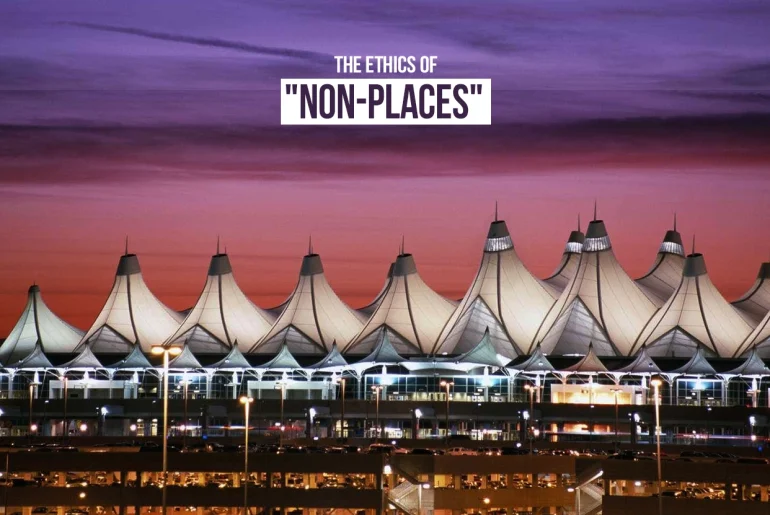
Architecture is both the art and science of creating and shaping places. Spaces serve as vital anchors that shape human experiences. For such a profession, the term non-lieux or “non-places”…
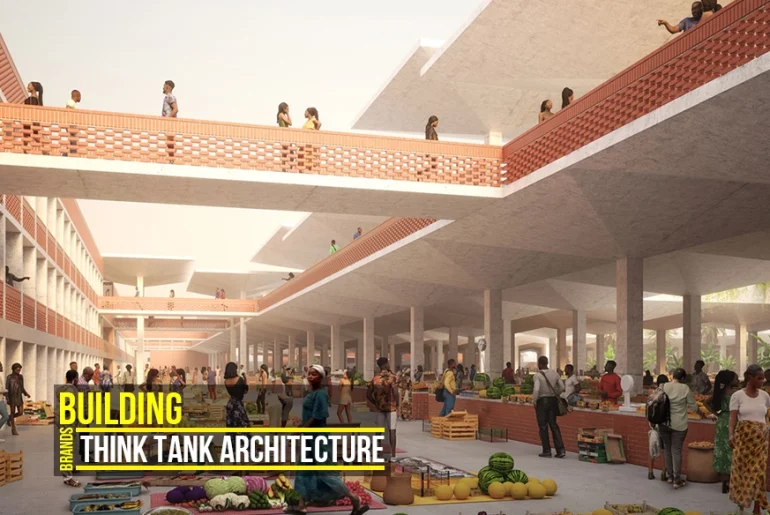
A firm’s brand is often synonymous with its building style in the traditional architecture market. We recognise a Doshi by its use of natural materials, or a Mies by its…
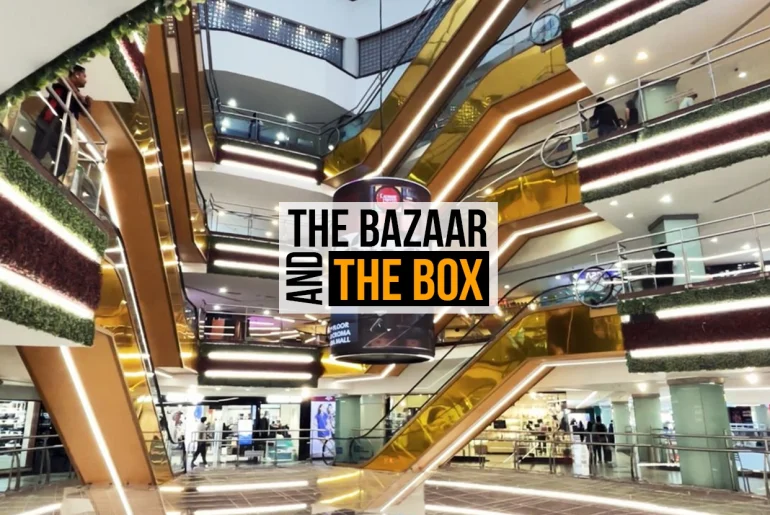
With the rapid urbanisation of Indian cities, we have traded the porous, democratic bazaars for controlled and enclosed mall spaces. Since architecture in a utopian world seeks to create public…
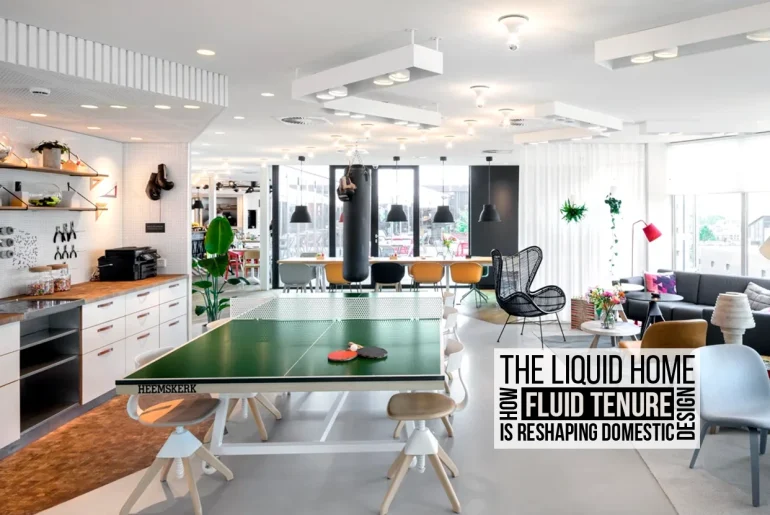
The onset of the new age has led to an increasing trend of nomadism in search of better opportunities. Accompanying this is the surge in the price of urban properties,…
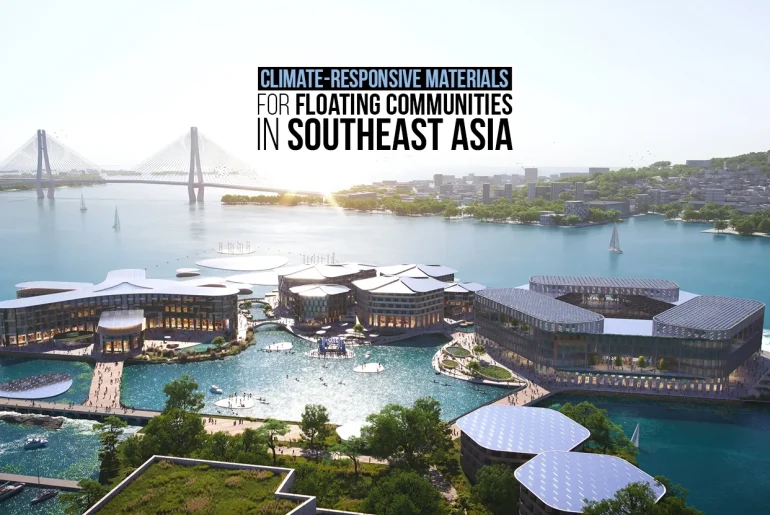
Southeast Asia is a region with a rich marine diversity. It contains vast coastlines, widespread archipelagos and low-lying deltaic plains. For such a region, the rising sea levels aren’t a…
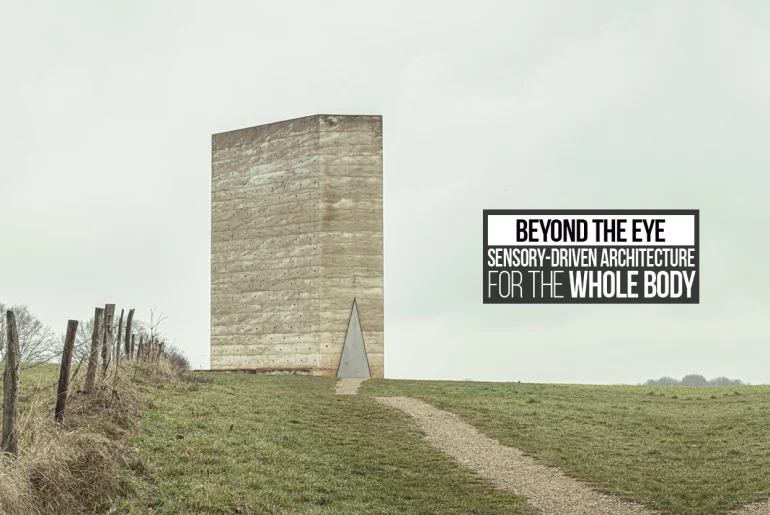
For centuries, architecture has primarily focused on visual appeal, prioritising aesthetic over other senses (Berg, 2020). This ocular-centric approach has led us to assess our buildings through their photographs, renders,…
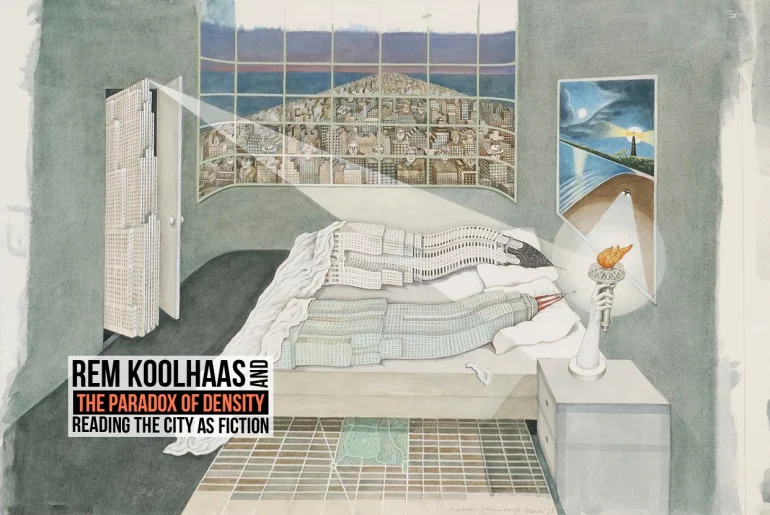
Architecture is conventionally viewed as the art and science of creation. It encompasses the creation of order out of chaos and permanence out of transience. For Rem Koolhaas, however, the…
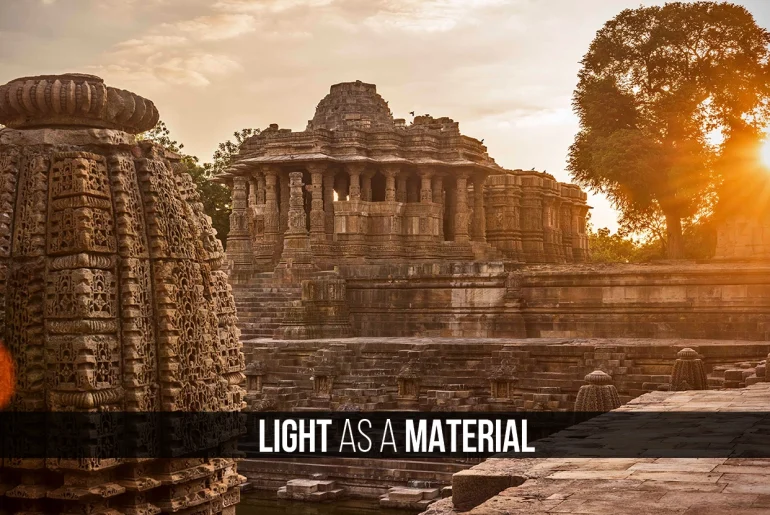
In architecture, we define materials through their physical properties: the robustness of concrete, the tensile strength of steel, or the tangible weathering of wood. Our approach to the materials of…