A firm’s brand is often synonymous with its building style in the traditional architecture market. We recognise a Doshi by its use of natural materials, or a Mies by its grid. Paris-based architecture agency, THINK TANK, however, has subverted this logic, successfully launching itself into the global market. Instead of a signature aesthetic style, they have launched a signature methodology. Founded by Marine de la Guerrande and Adrien Pineau, they have rebranded the concept of architectural research into a high-performance market strategy.
Naming themselves “THINK TANK”, the co-founders have signalled a pioneering transformation in brand positioning. They have shifted away from the notion of architecture as a formal finished product to one that views architecture as a service of the intellect. In today’s age, as the world grapples with the climate crisis and urban overcrowding, this research-first brand image has given THINK TANK a significant competitive edge.
Intelligence as Commodity
In a market saturated by firms named after their principal architects, naming a design agency “THINK TANK” made it appealing to institutions and public clients that valued problem-solving. Since launching THINK TANK architecture sixteen years ago, the brand has focused on the program as the primary driver of the designs. While other firms perfected their visually appealing portfolios, THINK TANK created its unique image by showcasing the ability to undertake research (Architect at Work, 2025).
Feasibility studies, social programming, and urban strategy explorations enabled them to market themselves not just as designers but also as consultants. Thus, the agency made itself indispensable to the client before anything was built by positioning itself at a pre-design stage. Not only did they build the building, but they also dictated and defined what needed to be built.
Pivot to Social Infrastructure
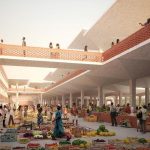
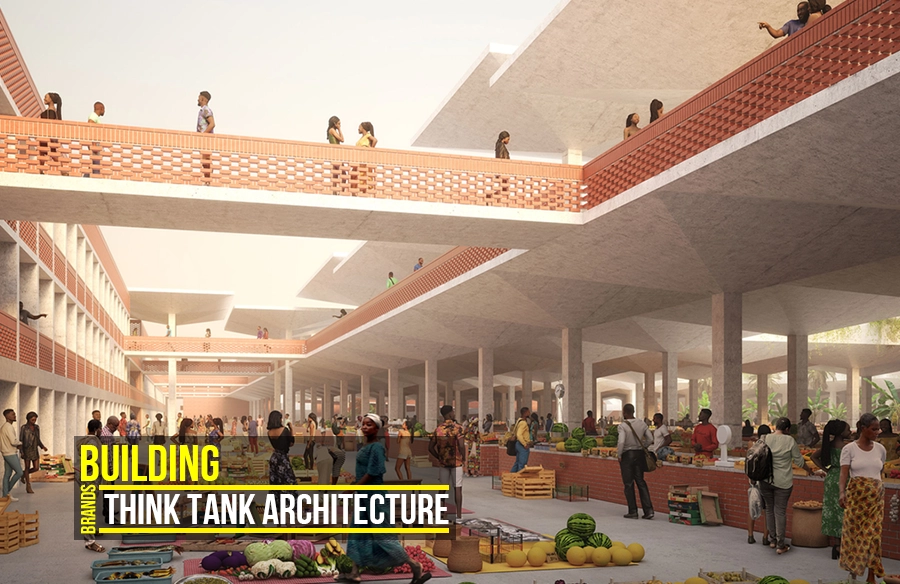
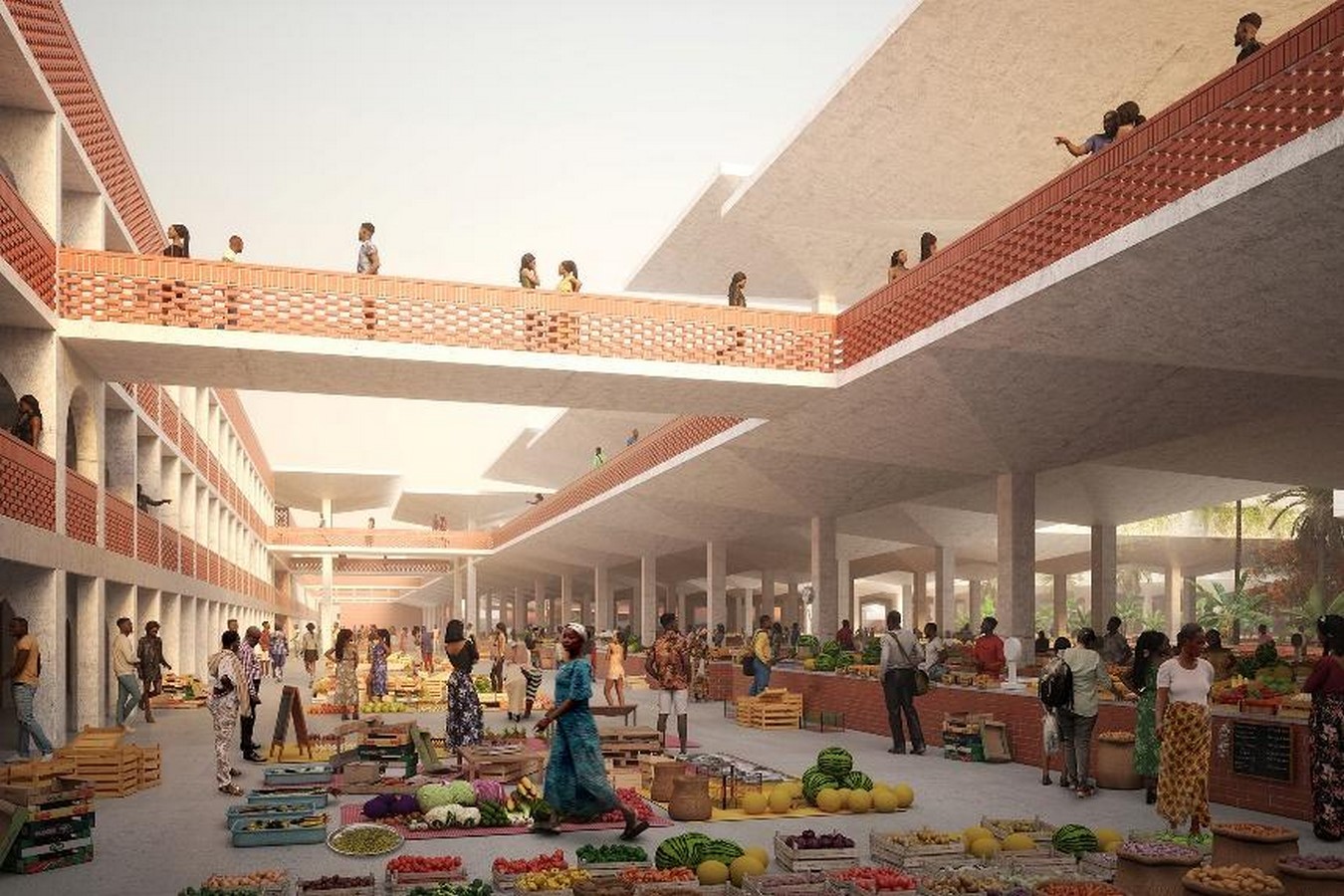
To remain relevant in the market, a brand must continuously address users’ interests and stay aligned with global trends. One such movement that has taken up the architecture market is the demand for social infrastructure. This has replaced the trend of iconic architecture with projects that address the shortcomings of modern-day cities. THINK TANK architecture has cemented its name as a global leader in resilient urbanism through its work on the Zando Central Market in Kinshasa. A project for which it also won the Holcim Foundation award.
The Zando Central Market was originally designed to accommodate 3,500 people, but ended up serving over 20,000. This led to significant chaos and mismanagement. In response, THINK TANK launched an intervention they called a “civic engine.” Rather than creating a standard market building, they developed a modular system equipped with solar energy and rainwater harvesting. By providing a dignified space for vendors to sell their goods, they addressed a socio-economic crisis through architecture. This project demonstrated the brand’s ability to navigate the complexities and challenges of the Global South, where many other Western firms struggle (Holcim Foundation, 2025).
Success vs Failure
An architecture firm based on a particular style struggles to stay relevant once that style goes out of fashion. The firm fails by becoming too rigid. THINK TANK architecture avoids this icon trap by branding itself as multi-purpose. With a portfolio spanning from the US Metro Bizot Sports Centre in Paris to urban parks and commercial markets, they do not specialise in one typology, thus remaining resilient against market fluctuations.
The brand focuses on scalable solutions that appeal to developers due to their long-term value. For instance, their work on the Nanterre-Université station included a modular floor that could be extended as the campus expanded. With a brand focusing on systems instead of one-off solutions, the brand believes in transparency. They involve stakeholders from the early research stages, fostering collaboration and setting themselves apart from firms that rigorously guard their design strategies. This builds up social credibility (Pavillon de l’Arsenal, 2025).
Sustainability as Brand
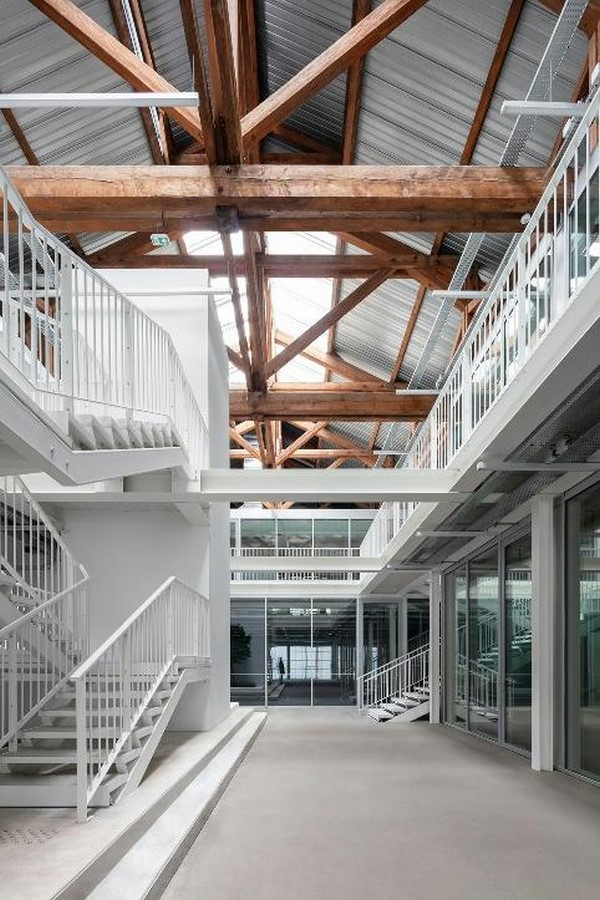
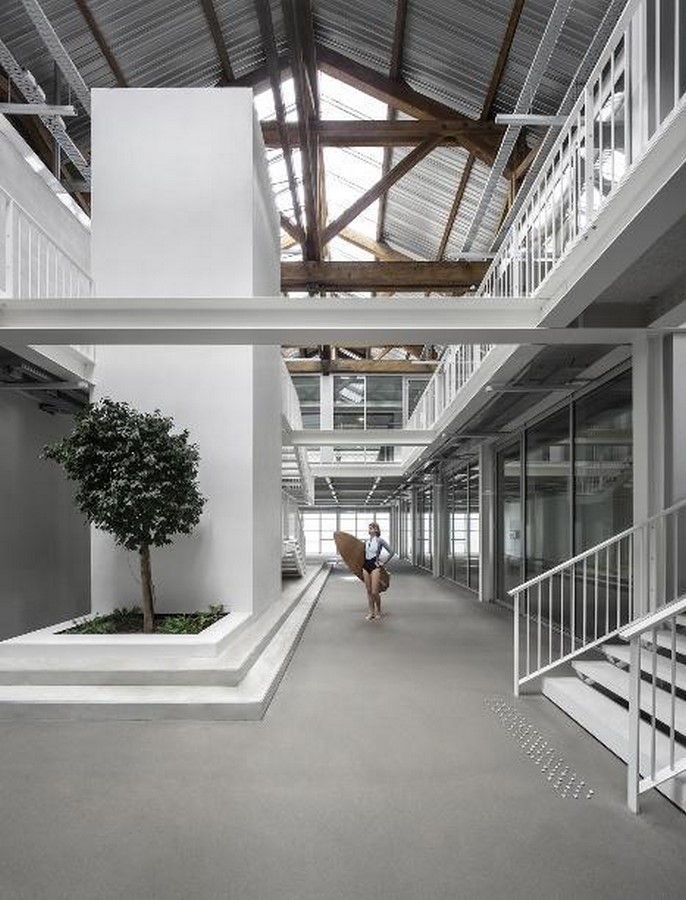
THINK TANK architecture focuses on economical and practical solutions that do not rely on highly modernised gadgets. This adoption of low-tech options has made them increasingly appealing to governmental entities that must operate with their fiscal realities. With the accelerated climate-crisis, sustainability has become a non-negotiable. The firm’s emphasis on frugal architecture has set it apart as a viable and resilient alternative. In their Paris Sports complex, they have utilised natural light and raw materials, creating a brand identity that is high-end yet not wasteful (THINK TANK architecture, 2024).
Blueprint for the Future
The success of THINK TANK architecture provides a vital lesson for the next generation of architects. Their brand has become successful because it is built on an honest assessment of what the city needs, strategy over style. They have navigated the market by staying small enough to be agile yet smart enough to handle massive urban complexities. By adapting to the trends of social equity, economic frugality, and climate resilience, THINK TANK has moved beyond being just an architecture firm. They have become a brand of that marketed intelligence. In the end, their greatest achievement isn’t just the buildings they have finished, but the rational framework they have provided for the future of the city (Johnson, 2026).
Reference list:
Architect at Work (2025). THINK TANK, multi-purpose architecture. [online] A@WX. Available at: https://www.architectatwork.com/en/insights/inspiration/think-tank-multi-purpose-architecture-1787505 [Accessed 6 Feb. 2026].
Holcim Foundation (2025). Zando Central Market | Holcim Foundation Awards 2025. [online] Holcimfoundation.org. Available at: https://www.holcimfoundation.org/projects/zando-central-market [Accessed 6 Feb. 2026].
Johnson, S. (2026). Historic market in Kinshasa ready to reopen to a million shoppers a day after five-year makeover. [online] The Guardian. Available at: https://www.theguardian.com/global-development/2026/jan/15/dr-congo-zando-market-kinshasa-landmark-sustainable-african-design [Accessed 7 Feb. 2026].
Pavillon de l’Arsenal (2025). Pavillon de l’Arsenal | About us | Pavillon de l’Arsenal. [online] Pavillon-arsenal.com. Available at: https://www.pavillon-arsenal.com/en/le-pavillon-de-larsenal/11206-pavillon-de-larsenal.html [Accessed 7 Feb. 2026].
THINK TANK architecture (2024). PARIS – Équipement sportif Bizot – THINK TANK architecture paysage urbanisme. [online] THINK TANK architecture paysage urbanisme. Available at: http://www.thinktank-architecture.fr/portfolio/paris-equipement-sportif-bizot/ [Accessed Feb. 2026].