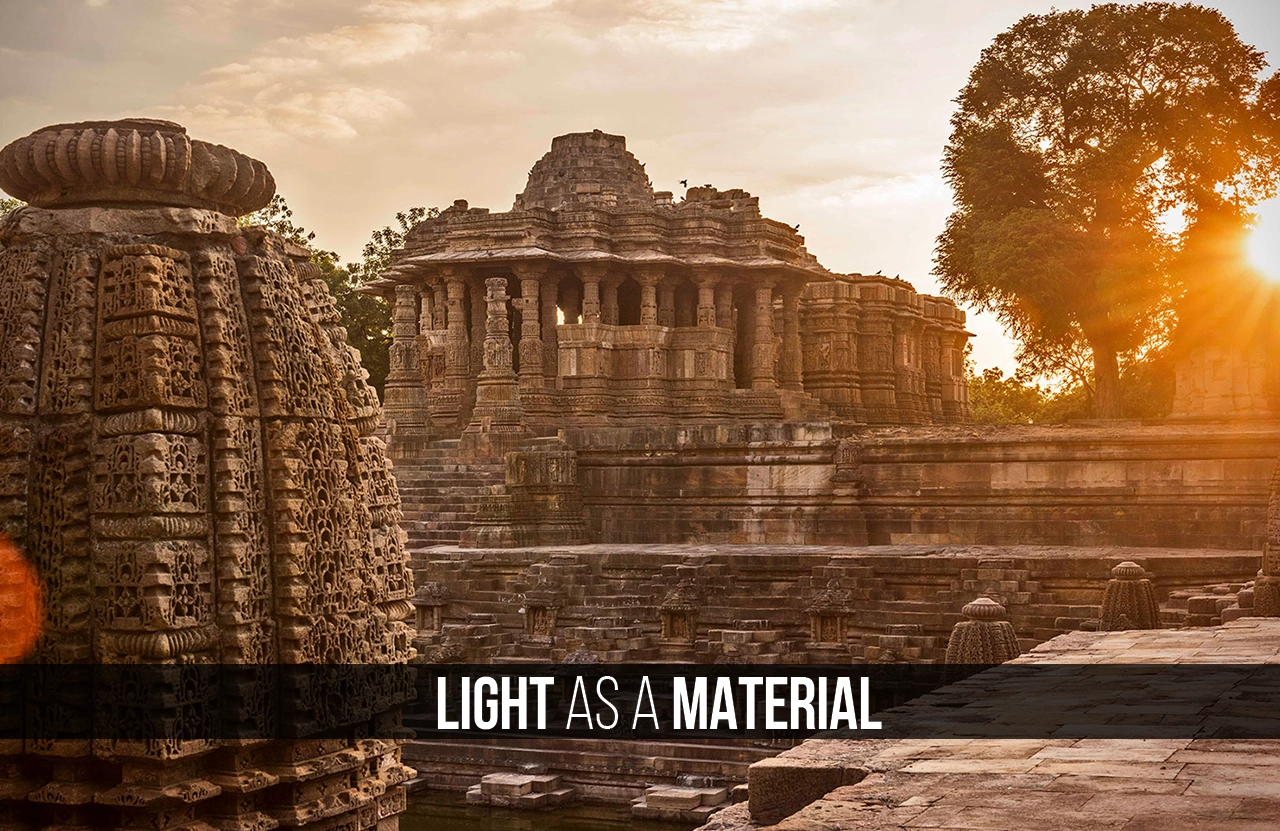
In architecture, we define materials through their physical properties: the robustness of concrete, the tensile strength of steel, or the tangible weathering of wood. Our approach to the materials of construction is often empirical, as well as aesthetic. We touch them, measure them, and calculate their weight. However, the one material that enables us to appreciate most others is exceedingly intangible, weightless and often free. Yet, it is one of the most influential ones: Light. It is the lens through which we design the mood of the building and how it will impact the human psyche. It is an ethereal medium that infuses all other elements and, by extension, the building itself with life (Gajbhar, Behere and Zende, 2025).
The Primary Material
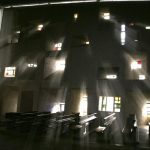
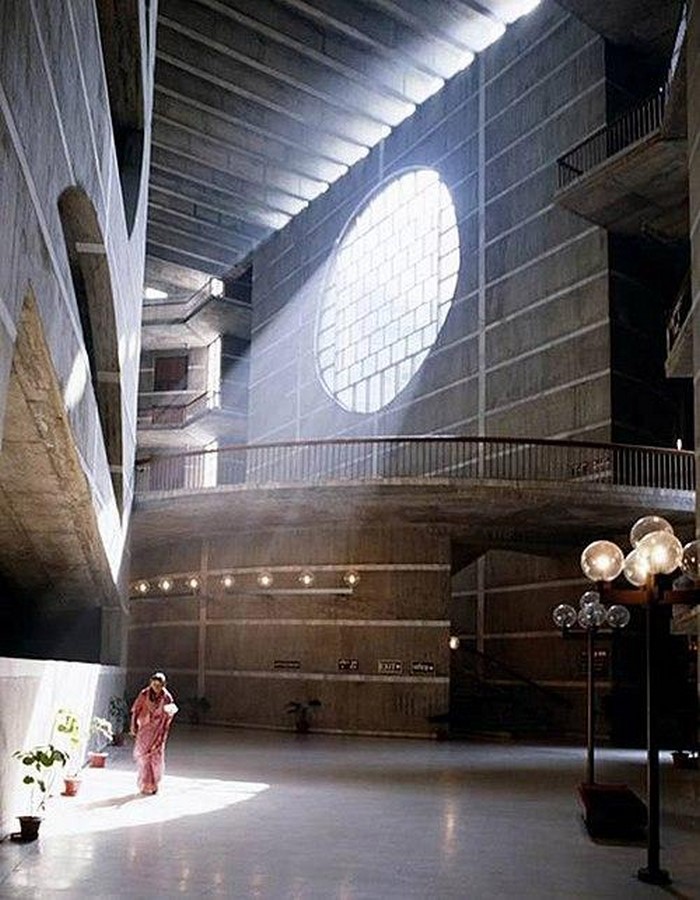
Without the presence of light to reveal the architectural space, it has no existence. The elegant lines of a skyscraper or the beautiful carvings of a temple hold no meaning to a human eye without light. Architects like Tadao Ando, who is said to have “sculpted” light, understand the elegant mechanism of using light to cast shadows and thus create spectacles. In his renowned “Church of Light” situated in Osaka, Ando’s primary material isn’t reinforced concrete, but rather the cruciform void he creates within that concrete wall, which allows light to pour in and banish shadows to the corners. Light becomes a divine object that occupies the central stage, with its intensity and angle of penetration shifting in response to the movement of the sun across the sky (Gajbhar, Behere and Zende, 2025).
By manipulating light through a filtration medium, the ambience of a space can be influenced. Light diffused through a frosted glass renders a space with a vastly different quality from a space with light sharpened through narrow apertures or a space with light dappled through screens. Light can create chaos or bring in calmness. Soft, indirect light flooding into a space makes it serene, while a sharp beam in a dark room enables quiet introspection.
The Quest for Light
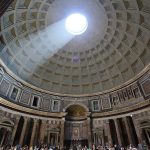
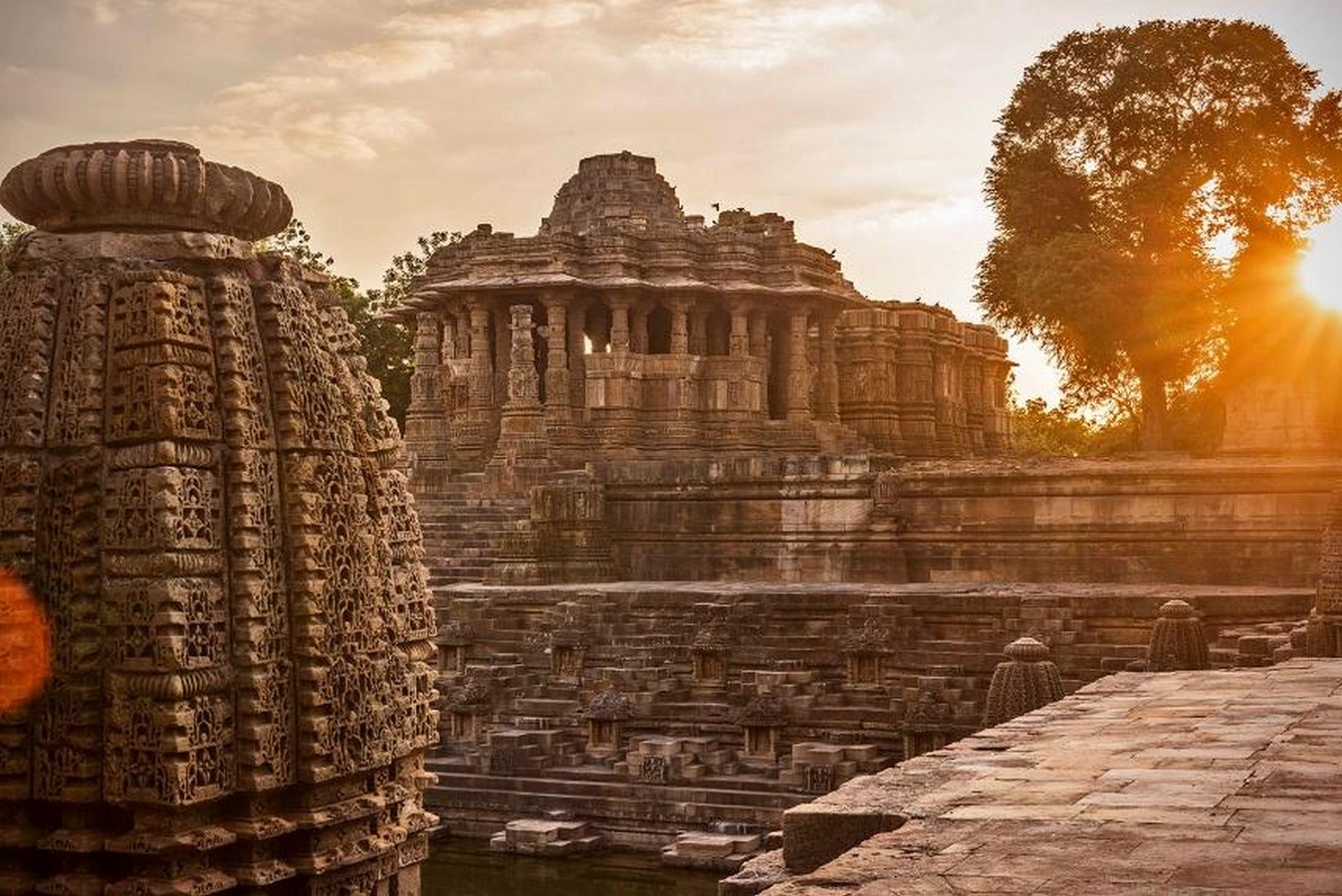
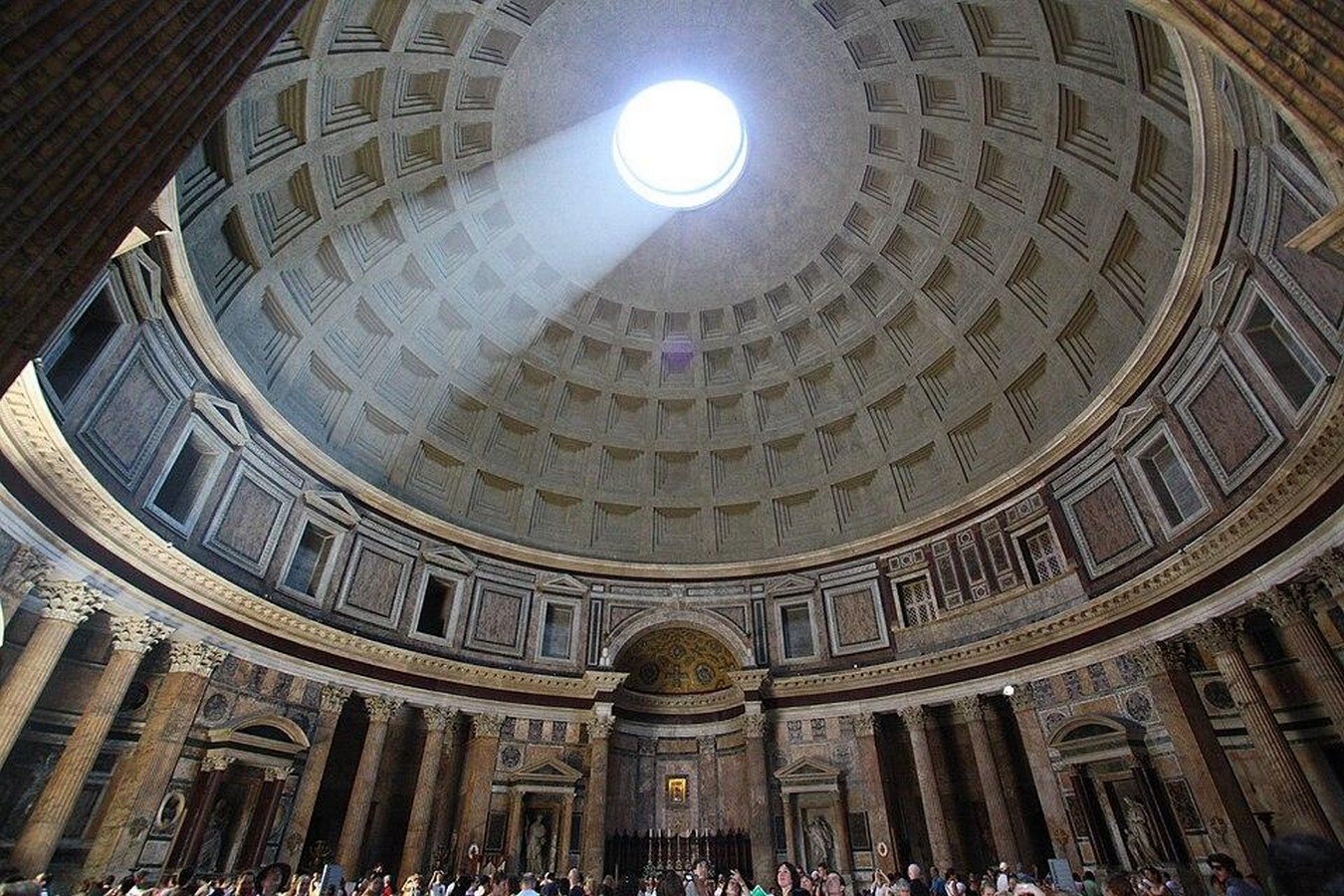
Ancient architecture evolved its monumentality by seeking light. Light was the most accessible form of divinity, brought in to inspire awe. The design of the Pantheon in ancient Rome revolved around the 9-meter-wide opening, the oculus, at the centre of its dome. This massive aperture wasn’t intended for ventilation but rather to serve a higher purpose. It was designed to make light appear as a physical entity, inching across the wall with the passage of time. This represented their connection between heaven and earth.
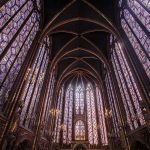
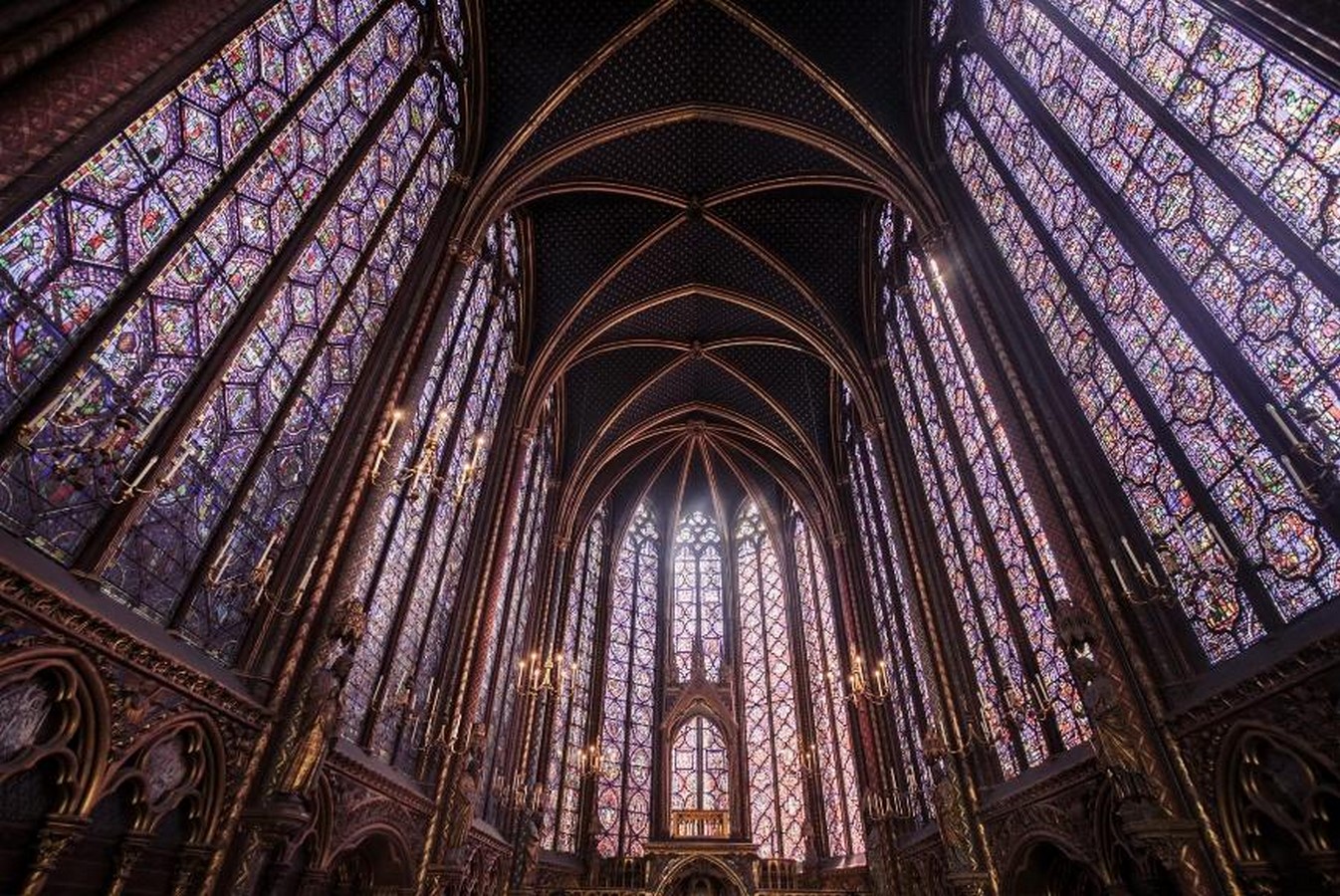
In the Gothic Era, iconic structural innovations emerged from the desire to replace dark, windowless stone walls with expansive curtains of glass. Out of these structural innovations, the most prominent one was the innovation of the flying buttress (Friends of Notre-Dame, 2022). The glass windows were stained to “colour” light, transforming it into a medium of coveted divinity. This created an enchanting atmosphere inside the building, inspiring awe.
The Learned Game
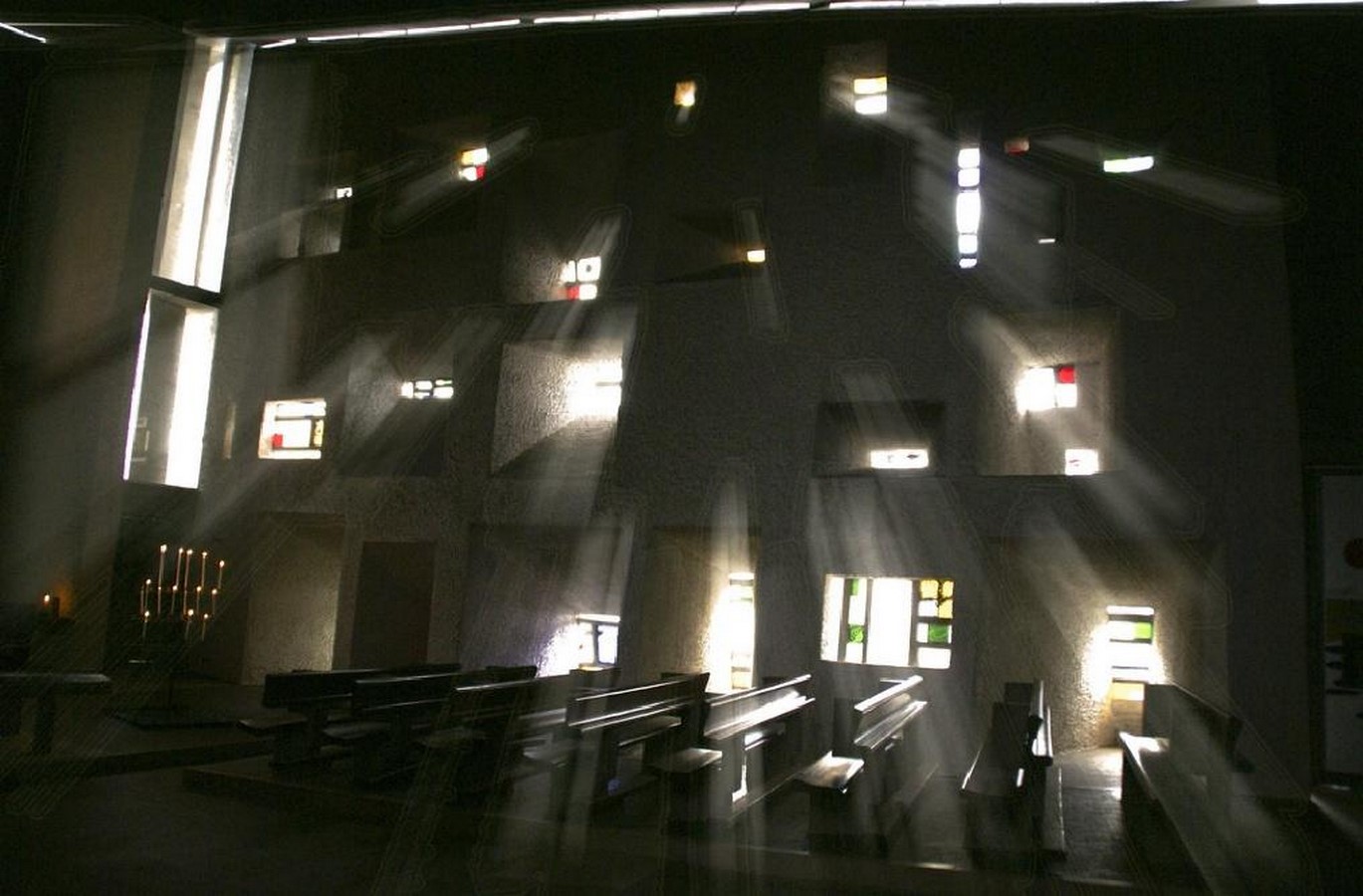
When Le Corbusier declared, “Architecture is the learned game; correct and magnificent of forms assembled in the light” (Goodreads, 2021), and Louis Kahn went a step ahead, boldly stating, “the sun never knew how great it was until it hit the side of a building” (Goodreads, 2024), they were mirroring the shift in perception of light amongst modernist architects. In the modernist era, light stood for truth, hygiene and a clarity of thoughts. Light began informing how a building must be composed. Buildings began to be built “inside out”, with the quality of light dictating decisions about material palettes, structural codification and building orientations.
Sculpting the Intangible
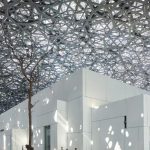
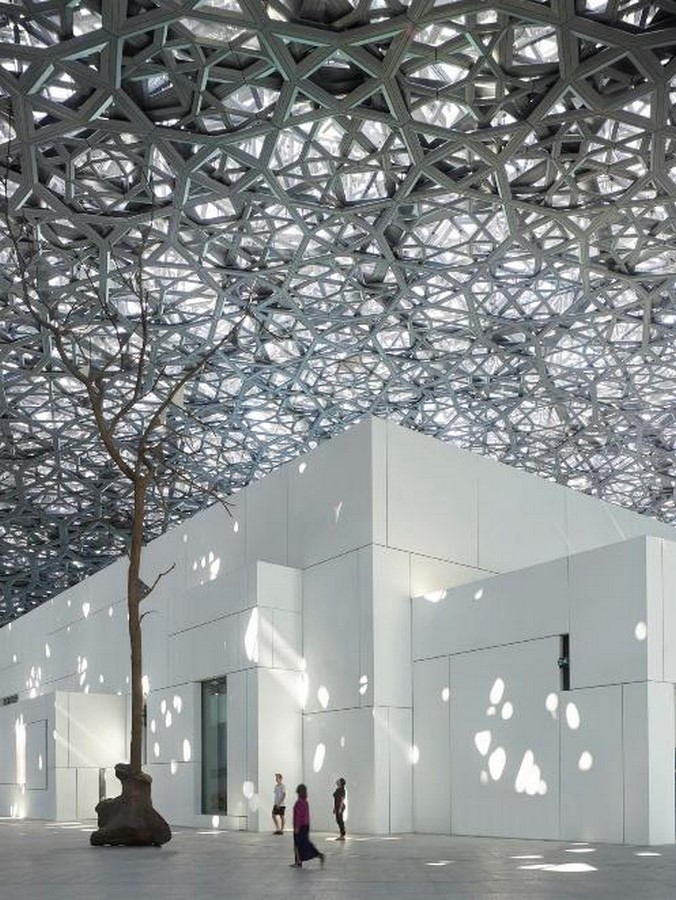
With the onset of the 21st century, it has become easier to treat light with a much greater precision. We have broadened our scope from simple windows to include kinetic façades, solar pipes, smart glass, and more. One of the eminent recent examples is perhaps Jean Nouvel’s Louvre Abu Dhabi. The breathtaking “Rain of light” effect created by multiple layers of geometrical patterns filters the light into a myriad of dappled spots, simulating the sunlight filtered through palm fronds in an oasis (Archdaily, 2017).
This sets a remarkable precedent for how we handle light in future. The materiality of the light here changes with the hour, the weather and the season, making the building new for the beholder every time. The light becomes a dynamic, breathing part of the architecture. It makes light a lively, constantly evolving kit of parts in an architectural tool kit.
Sustainability and Well-being
In a world combating the climate crisis, natural light holds the key to reducing power consumption. Light thus has value beyond aesthetics, serving as a core facet of any sustainable design. Passive solar design uses light and, as an extension, heat to warm spaces. It also utilises shading devices to block the same. Light has associations with the human circadian rhythm as well. This biological function is linked to the temperature of light’s colour. Morning light rich in blue waves triggers alertness, while the warmer dusk light readies the body for rest (van Ellen et al., 2021).
Such buildings, known as circadian-responsive buildings, are being designed keeping in mind this biological imperative. By incorporating light wells, internal courtyards, and reflective surfaces, we can harness the healing benefits of natural light into our urban cores. This approach can significantly enhance the mental health and productivity of the occupants. Therefore, light can be considered a “health material”.
The Eternal Material
Light is a material that is both ancient and futuristic. It is the connection between prehistory and modernity. Remaining a constant, ever-renewable resource at the disposal of creative minds. Today, we explore light as more than just a substance that enters a building. It is something one can mould; it fills volumes, enhances spaces, and chisels shadows. It is not merely an absence of darkness but rather a tangible, modifiable material. A successful architectural project goes beyond aesthetics; it considers how light transforms the essence of a space on a random afternoon.
References:
Archdaily (2017). Louvre Abu Dhabi / Ateliers Jean Nouvel. [online] ArchDaily. Available at: https://www.archdaily.com/883157/louvre-abu-dhabi-atelier-jean-nouvel [Accessed 25 Dec. 2025].
Friends of Notre-Dame (2022). The Flying Buttresses of Notre Dame de Paris Cathedral. [online] Friends of Notre-Dame De Paris. Available at: https://www.friendsofnotredamedeparis.org/cathedral/artifacts/flying-buttresses/ [Accessed 25 Dec. 2025].
Gajbhar, P., Behere, A. and Zende, P. (2025). Phenomenology of Light in Architecture: Experiencing Space Through Luminous Intuition. | IJIRT |, [online] 12(1), pp.3379–3384. doi:https://doi.org/2349-6002.
Goodreads ed., (2021). A Quote by Le Corbusier. [online] Goodreads.com. Available at: https://www.goodreads.com/quotes/104695-architecture-is-the-learned-game-correct-and-magnificent-of-forms [Accessed 25 Dec. 2025].
Goodreads (2024). A quote by Louis I. Kahn. [online] Goodreads.com. Available at: https://www.goodreads.com/quotes/1066493-the-sun-never-knew-how-great-it-was-until-it [Accessed 25 Dec. 2025].
van Ellen, L.A., Bridgens, B.N., Burford, N. and Heidrich, O. (2021). Rhythmic Buildings- a framework for sustainable, adaptable architecture. Building and Environment, 203(108068), p.108068. doi:https://doi.org/10.1016/j.buildenv.2021.108068.