The Shift in How Architects Design
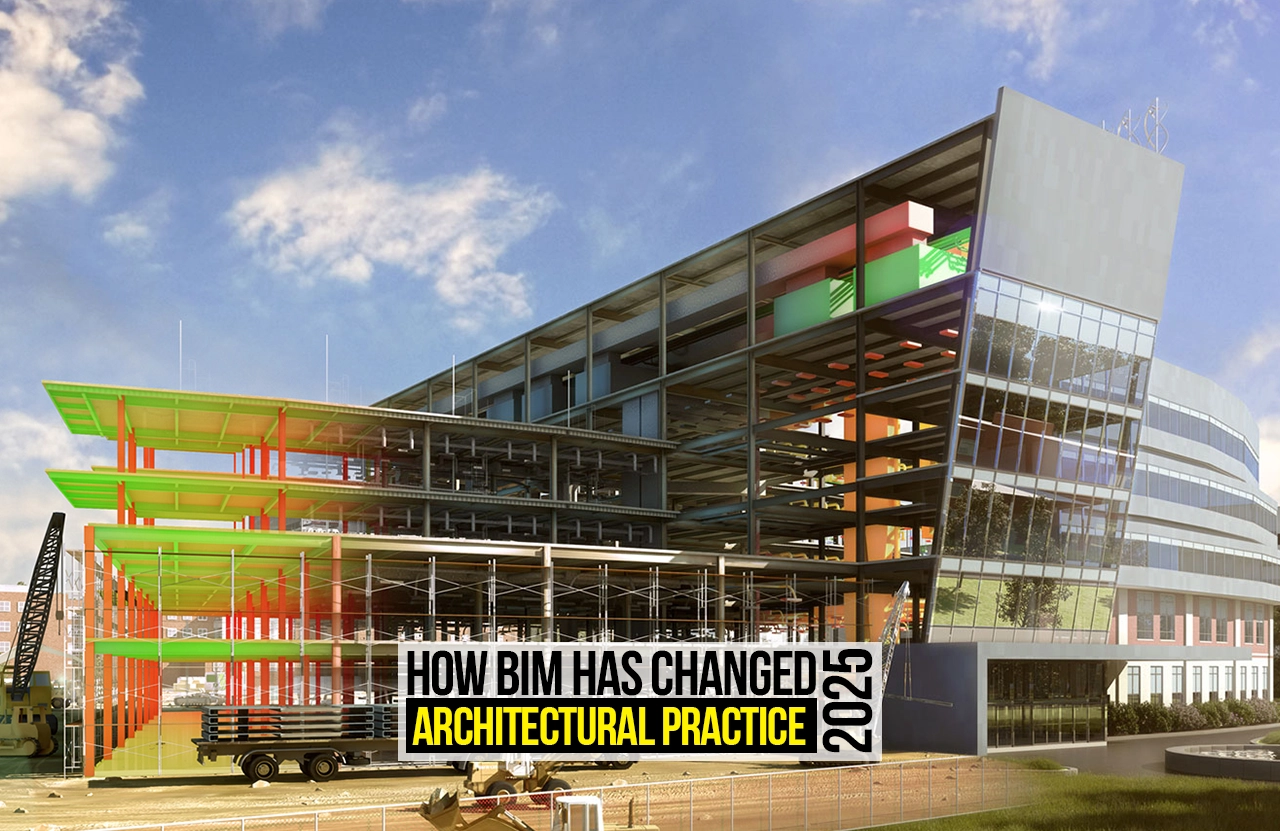
The field of architecture tends to keep changing continuously as much as its tools, yet there are tools that enhance efficiency, as well as transform the thinking process of architects. One of such tools is Building Information Modelling or BIM. Currently, BIM is not only used in big companies, but it has become a common part of building design, changing how buildings are planned, checked, coordinated and built. It has given an interdisciplinary approach to design ideas, data and responsibility.
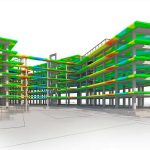
In the past, architectural drawings were mainly perceived as representations. The description of a structure in terms of plans, sections, and elevations specified how the building would appear, while numerous aspects of behaviour, such as environmental performance, construction complexity and long-term maintenance, were to be determined later. BIM has changed this into a simulation process with a model that has combinations of geometry, data, and performances for architects to design. Therefore, even at the very beginning of the design process, the use of spatial arrangements, materials, energy, maintenance, and cost is what will design the future effects of the building. The design process has now become less hypothetical and more informative without hampering the creative freedom.
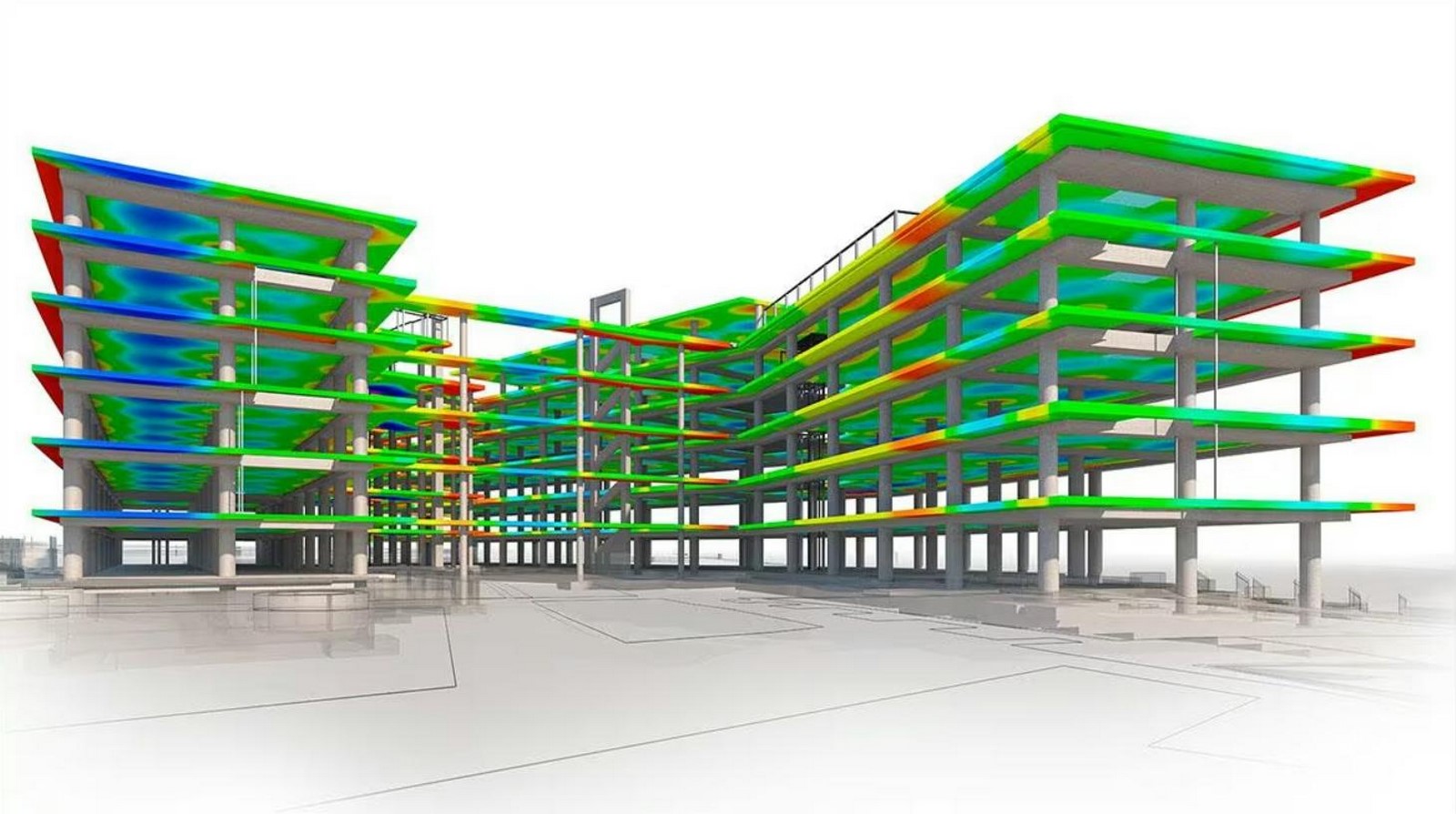
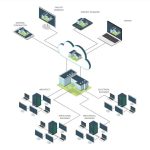
This adaptation has also transformed the way architects work with other professionals. The classical process, which is the architect followed by the consultants and lastly the contractors, has changed more into a parallel process. Structural engineers, service consultants, and construction teams can communicate using the same model and thus differences, and inefficiencies will be exposed early, and not at the site. The building is turned into a negotiating field and not units of fragmented documents exchanged across disciplines. This leads to increased coordination and fewer mistakes, making construction less to do with making corrections and rather implementing decisions that have already been tested on computers digitally.
Digital Interpretation of The Behaviour of The Building
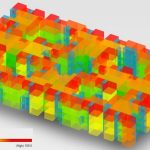
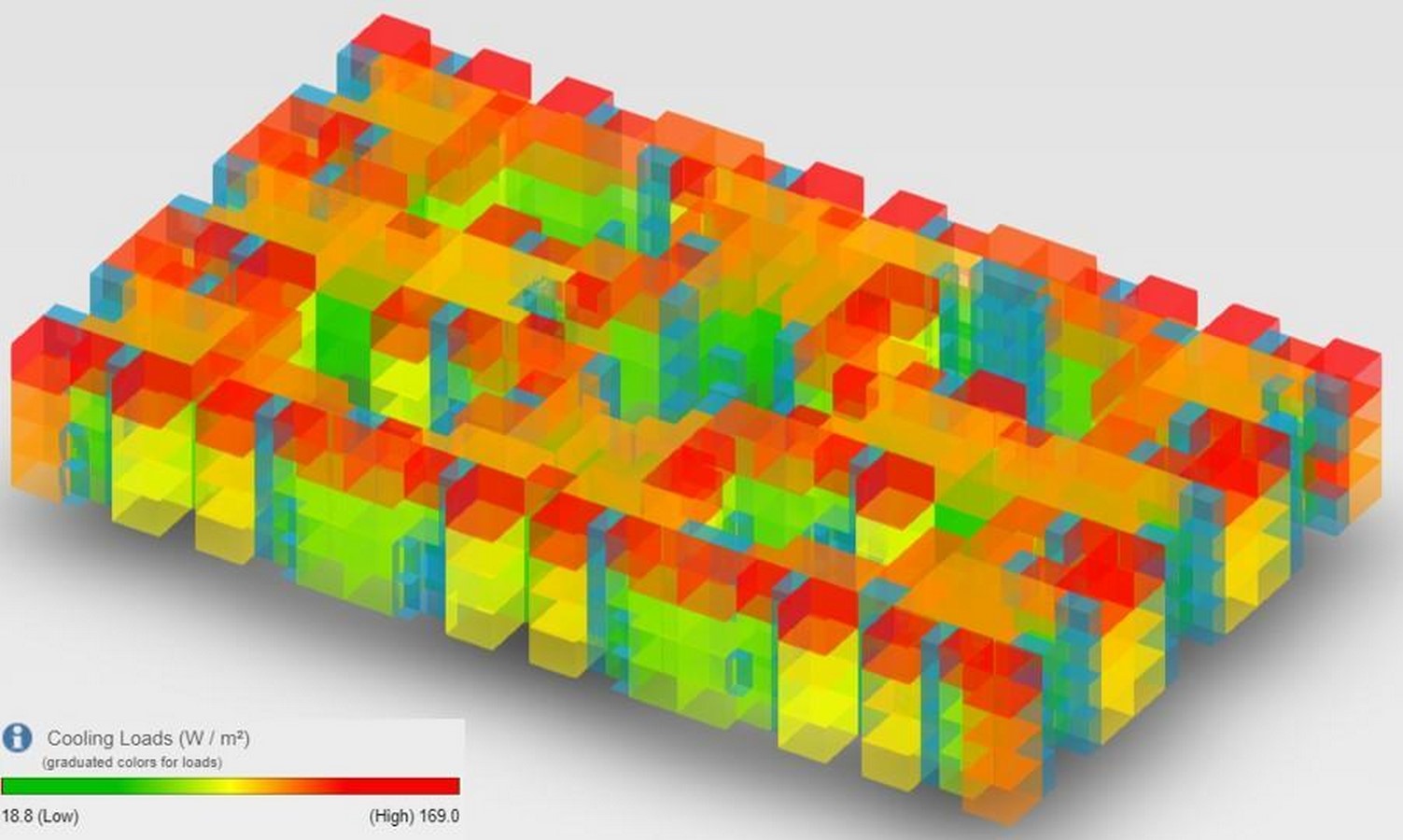
Another critical change is how sustainability and performance is incorporated into design. By 2025, there will be no more sidelining the sustainability of construction; it all will be implemented in every phase. BIM enables architects to consider daylight, energy-use, material impact, and carbon footprint during the actual design process. The model doesn’t give automatic sustainability, yet it gives clarity about the design choices before the site work starts. The responsibility of architects then increases more than just for the appearance of a building, but also for the behaviour of the building in climate, economy, and ecological context.
The role of an architect has grown along with this responsibility. Architects have evolved from merely creating forms to becoming coordinators, integrators and long-term thinkers. They are structuring systems, relations and results along with spaces. BIM has encouraged a more expansive view of architecture, of how the design intent connects with the technical feasibility and social impact.
Architecture Beyond Space and Time
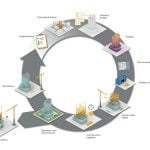
The most significant change is the fact that buildings do not end at completion. They still remain in existence as digital assets that are applicable in managing facilities, maintenance, adaptation, and even future demolishment through BIM. Architecture is now covering time as well as space. A building is no longer just a physical object; instead, it is a living system that develops, grows old and adapts to the changing demands.
This will also lead to architectural value getting passed to the people. Rather than determining the success of a building at the handover date, architects are more conscious of the performance of buildings in later years – how much energy they use, how easily they can be modified, how well they mature, and how comfortably they are used. This time aspect of the project is revealed by BIM. It enables a designer to consider not only how a building is completed but also how it is going to survive.
Coming from these changes, there can be deep-rooted social and cultural consequences. Buildings are not fixed structures anymore, but they are dynamic frameworks that can adapt with the expansion, contraction and alteration as per communities. This way, BIM can help in a more resilient kind of architecture- one that is accommodative of uncertainty and prepares for it rather than avoiding it. The digital model is referred to as an aid of technology for later architects, engineers and caretakers for future designs.
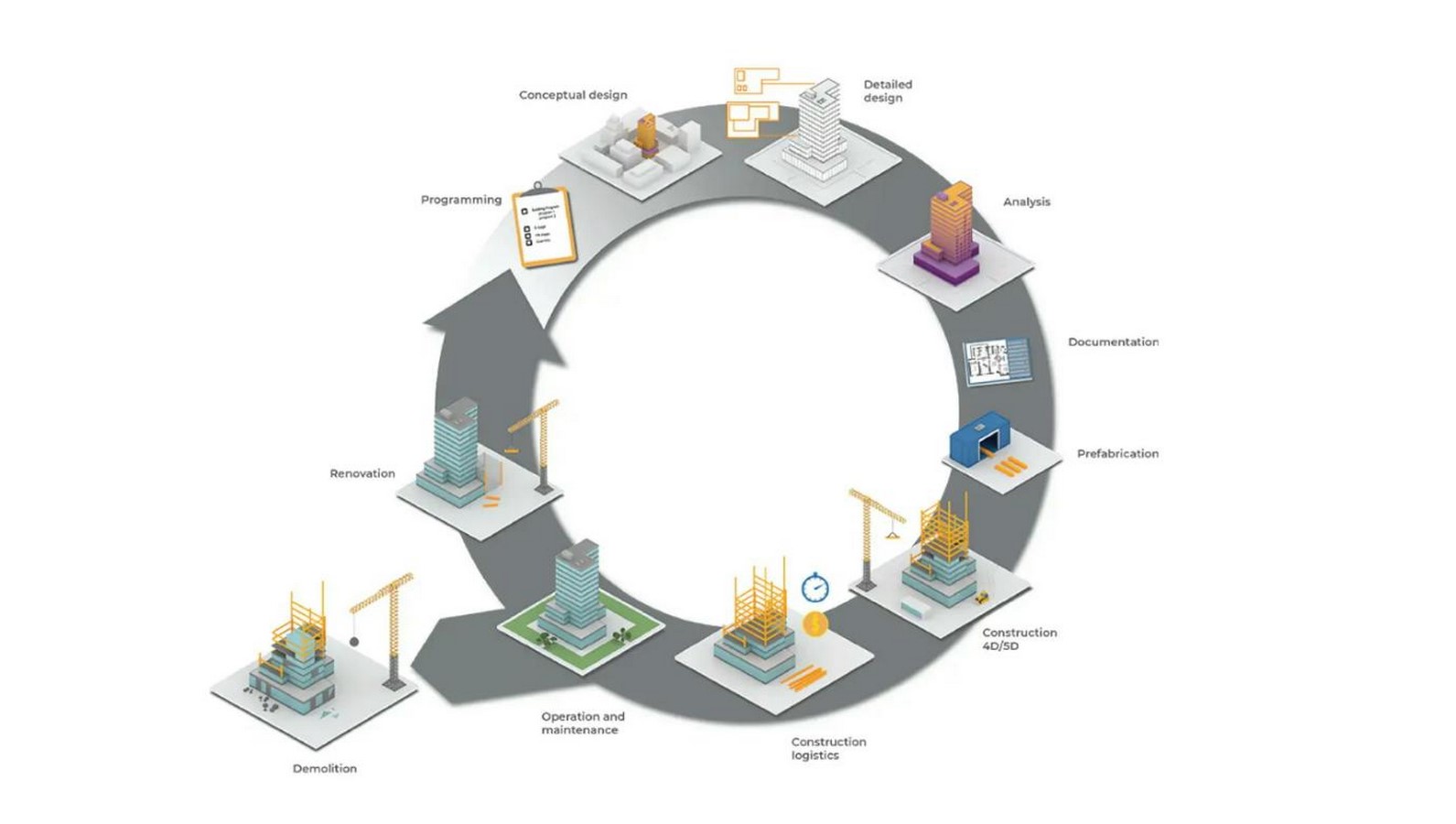
This change is, however, accompanied by a sense of responsibility. The excessive use of the software can cause a risk of flattening human experiences into numbers and performance indices. Not all things important can be measured, and not all things measurable are important. There is a risk that architecture becomes rationalised instead of affectionate, or efficient with, no sign of generosity. Architecture is a profession which needs judgement, empathy, and imagination, which no model by itself can provide. BIM can be used to inform decisions, but it cannot replace values. It is able to demonstrate outcomes, yet not priorities.
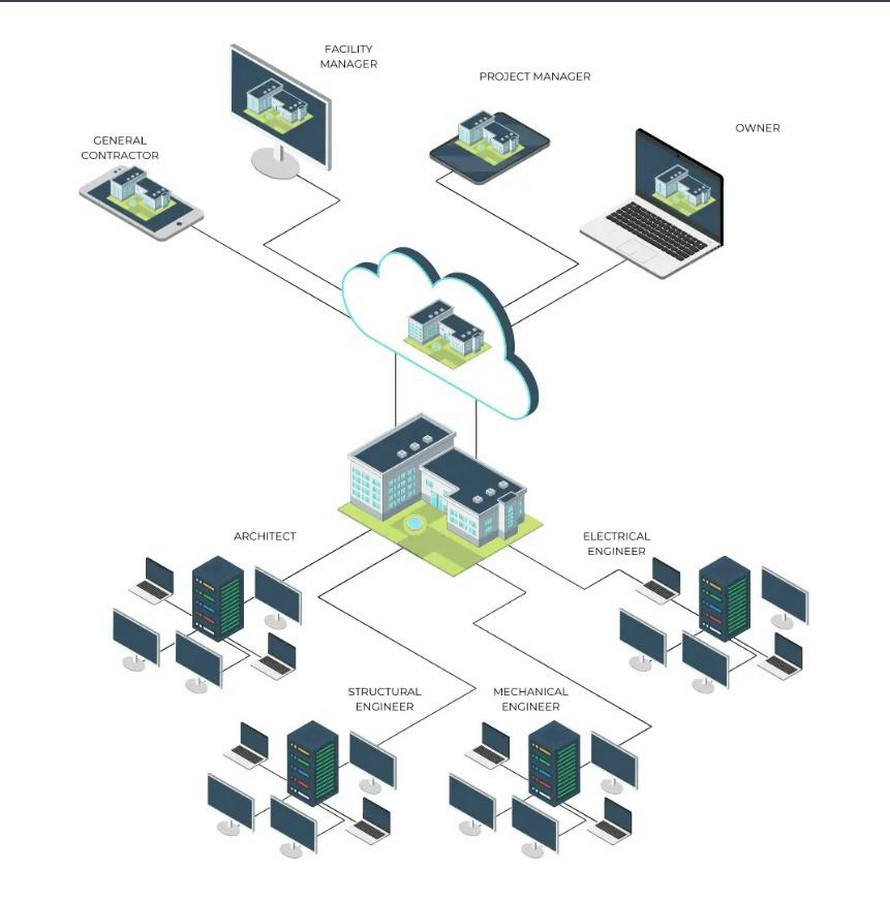
BIM can be considered a tool for reframing architecture. The profession has evolved not only in making drawings but also in understanding them; spaces are not just represented, but their future outcomes are predicted, while working as a team. It not only changes the process of design for individuals but also influences the way they think about design.
References:
- Buildext Extended Building Industry- BIM : Available at : https://buildext.com/en/bim/
- Buildext Extended Building Industry- Shattered heaven, or the reality of BIM : Available at : https://buildext.com/en/bim-reality-shattered-heaven/
- Autodesk – Levels of Development: Enabling coordination and collaboration : Available at : https://www.autodesk.com/in/solutions/bim-levels-of-development
- Kaarwan – How can BIM Tools Contribute to Sustainable Building Design?: Available at : https://www.kaarwan.com/blog/architecture/bim-tools-for-sustainable-building-design?id=473