When we are standing at a busy road intersection, with honks, glaring road lights, concrete, and a continuous flow of screens, we are hardly aware of our bodies asking us to perform little tasks of endurance. These small incidents of stress are easy to miss, but they tell us something significant about how the cities shape our concentration, emotions, and our interrelations with others. Hence, rethinking a new form of urban design based on well-being is not just about emotions, but acknowledging the fact that the outcomes of planning decisions are psychologically visible.

Urbanisation vs Psychological Health
Opportunities and strains are both concerns of urban cities. The public health organisations have articulated their ideas to conclude that urban form influences the entire spectrum of health outcomes, which include air quality, noise, and mental health. WHO shows that transport, housing, and green space are significant determinants of health in urban areas and that the planning decisions can either increase or decrease the risk.
The Psychological Impact of Urban Environments
Consider the human nervous system as a client for any design brief; it will require cycles of attention, renewal, orientation, and communication. According to psychological research, directed attention and reduction of stress are restored by natural environments; this is the core of Attention Research Theory that explains why experiences with nature, even in small doses restores the mental capacity. Designing towards health therefore, involves the creation of conditions in which citizens are able to shift between dedicated work to restoring comfort.
Space Planning Supporting Well-being
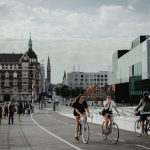
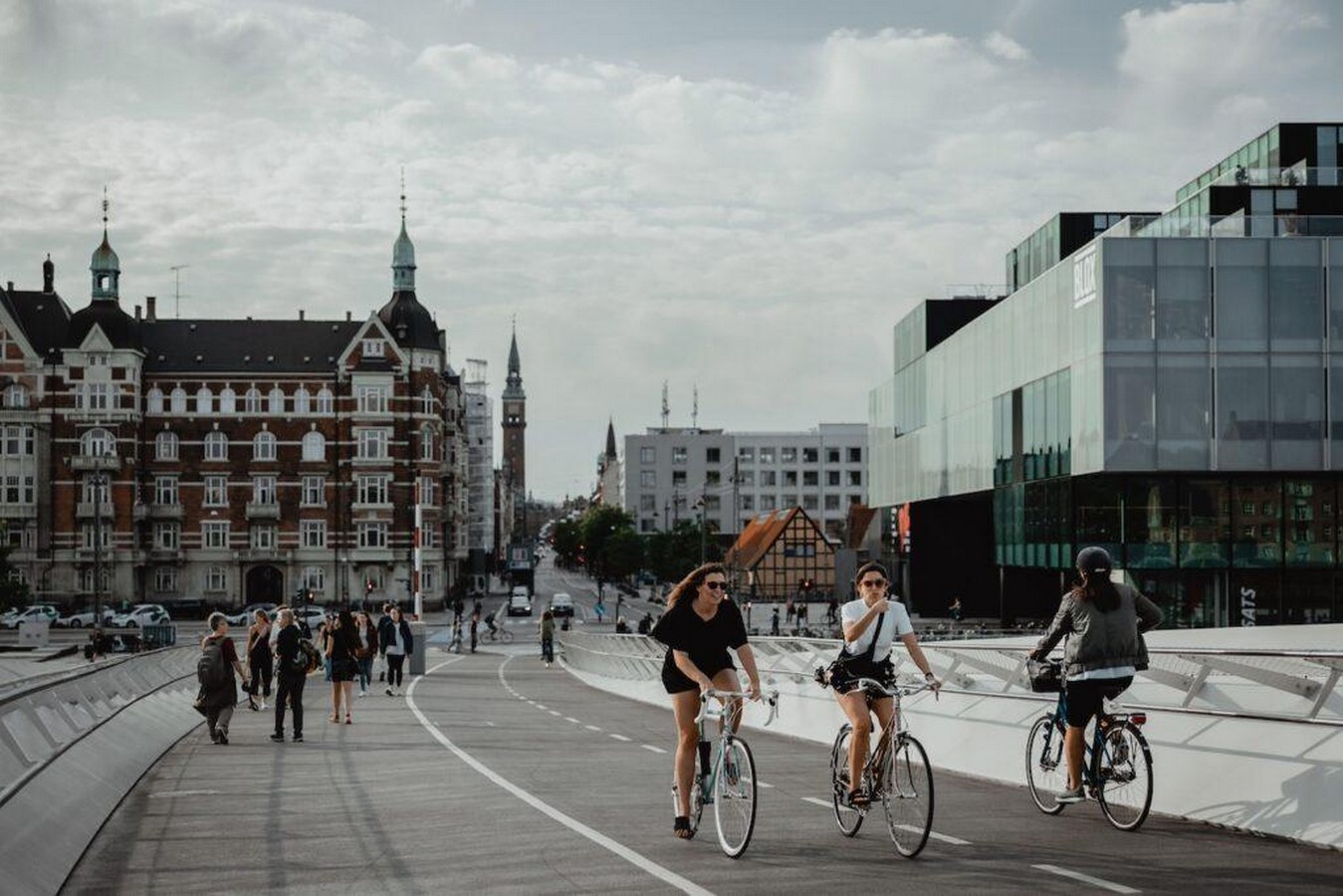
- Rationalising human moments, rather than only measuring and assessing traffic flow. Lanes that are designed for serving the automobiles with higher speeds make it difficult to allow human lingering. Wider pavements, pocket green parks, and relaxed traffic areas are the design solutions that promote incidental social contacts, which are the little interactions that form a community. Copenhagen has made a lot of investment in the city’s walking and cycling infrastructure. This illustrates the role of the well-planned transportation system in transforming the mode of living of people in the urban areas, as it motivates them to live an active life that makes them happy and healthy, reducing stress levels.
2. Creating widespread and sensory green spaces. Big parks are important, but so are small areas of vegetation, the lining of trees along a street and noticeable fauna. The recent studies of monitoring the lives of people in different cities show that small, biodiverse green areas and sounds of nature can be significantly beneficial in lifting mood and decreasing loneliness. Thinking of green spaces with these minor benefits makes urban greenery both a luxury and a necessary infrastructure.
3. The sensory environment of a city. The overload of the senses in cities like glare, harsh reflections, mechanical noise and crowded signages impose cognitive load. The focus on streetscapes can be made less stressful with the use of proper materials, the planting of trees that soften the sightlines and the use of trees or facades that absorb noise. They do not just happen to be aesthetic choices; they result in better mental well-being.
International Approaches to Human–Centred Design
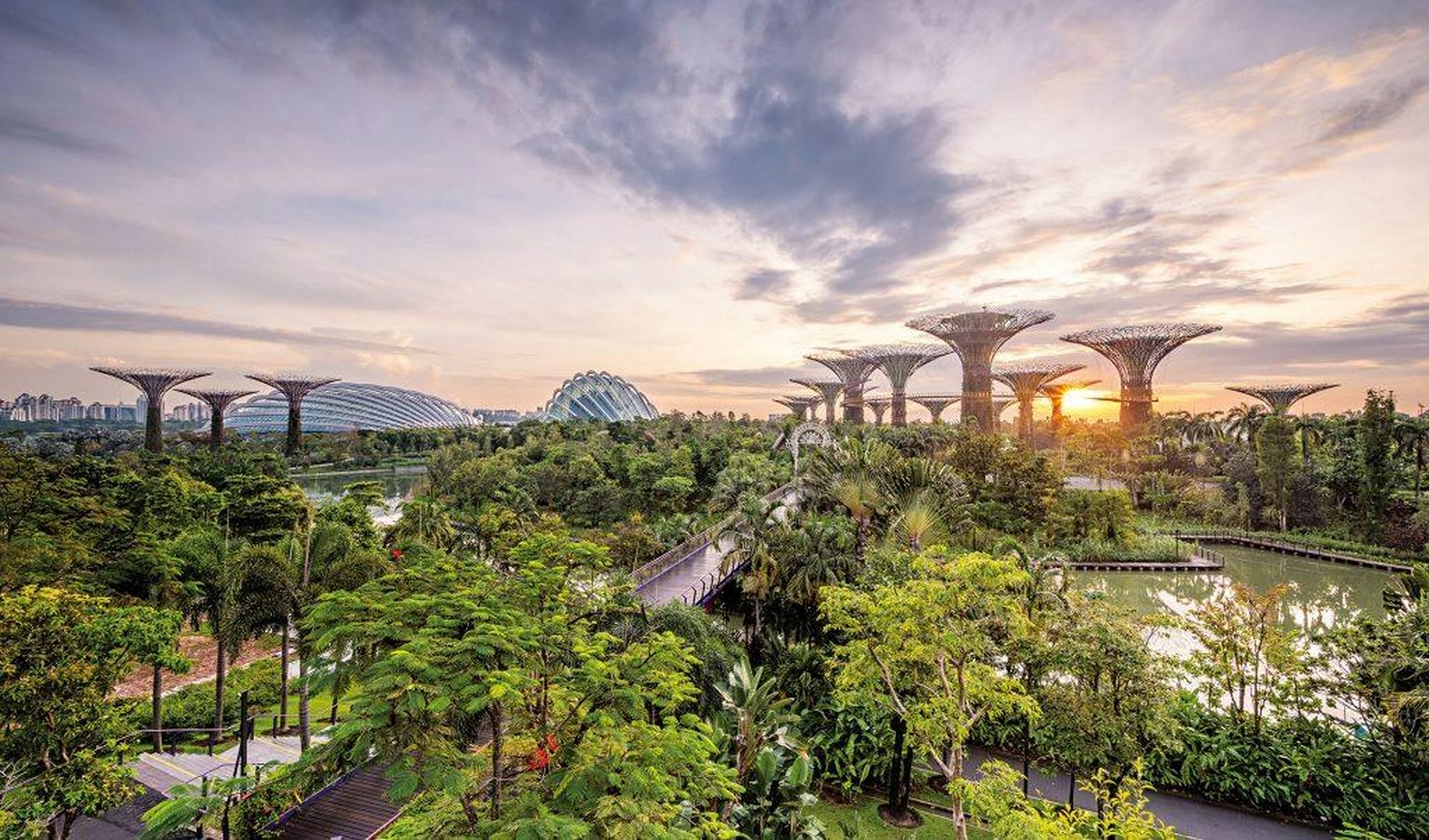
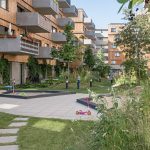
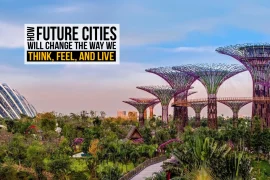
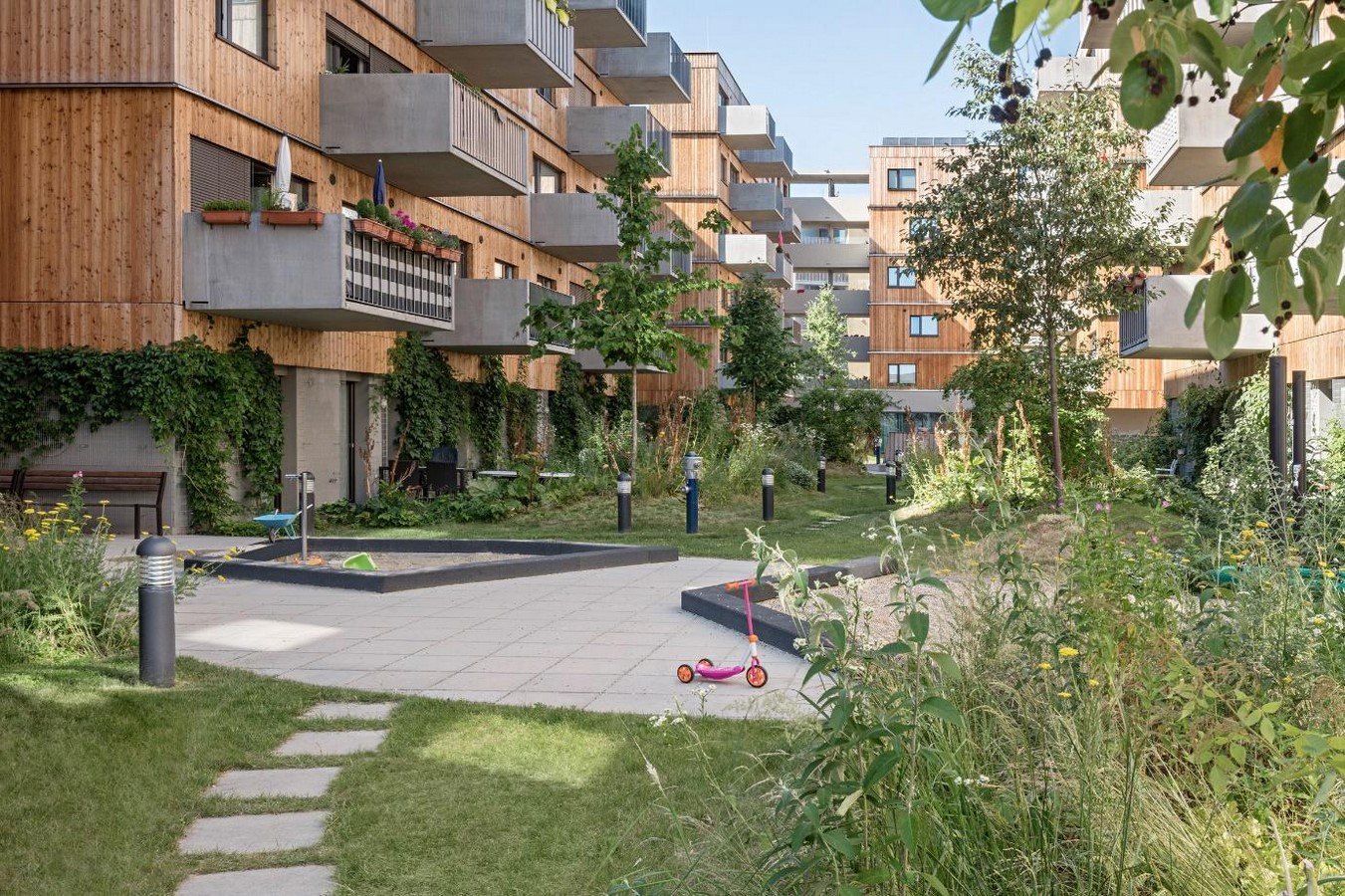
Singapore has carefully sought to have the concept, “City in a garden”: green roofs, vertical landscapes and interconnected parks are integrated in the planning of the city rather than being just extensions, enhancing the microclimate and daily psychological comfort to the communities. A similar lesson is taught by Vienna, where the integration of elements in historic municipal public housing and courtyard design provides social infrastructure that acts as common meeting areas for society, as well as intimate gatherings, all opposing the notion of isolation. These design decisions define behaviours and anticipations, leading to a healthy lifestyle.
Well-Being as an Urban Performance Indicator
Metrics of congestion, land use and emission are already used in cities. Psychological outcomes like the measure of perceived noise levels, access to small green areas, time spent in active transportation, and social connections acquired by the respondents should be part of the new generation of urban planning. The process of data collection does not necessarily have to be intrusive; pilot and momentary research conducted via apps has already produced results in various projects of deferred scales. The theoretical approach to well-being as a consequence creates the responsibility and gives an opportunity for funding human-centred approaches.
Policy Frameworks to Spatial Practice
A structure can be defined by policies, but it is the little design elements that count. A bench in the appropriate location, a covered doorway, a tree which provides shelter to a bus stop through its canopy, a two-metre cycle track – all these are action plans that bring policies into life. Architects and planners must collaborate with the professionals in public health sectors, with local communities, and even neuroscientists in order to experiment with which small details can give a large psychological payoff.
The Restructuring of Urban Life
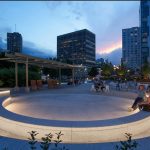
Consider the same busy road junction, which is characterised by vehicular priority, pavements, and ongoing response to sensory stimuli. If this space is slightly redesigned by the addition of green areas, wider walkways, slower vehicular pace, and places to rest or pause, it won’t make urban life weak; it will rather restore the spatial priorities. This is not an idealistic and ornamental change, but an infrastructural one. The built environment hinders the occurrence of cognitive conflict, making it a system that supports the state of psychological balance.
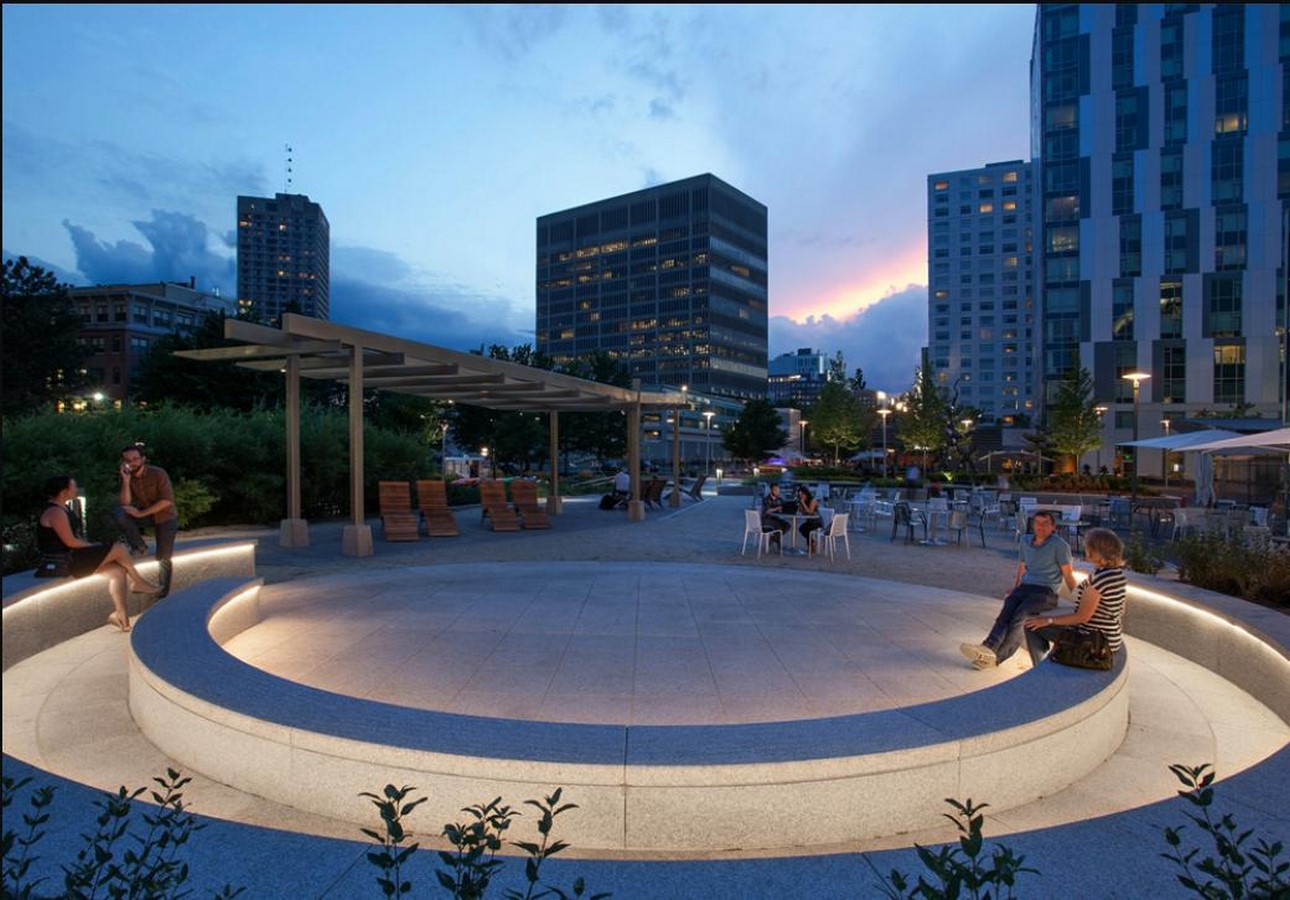
The development of cities with the focus on well-being is not just a secondary objective. It is not only an ethic, but also a practice that turns everyday urban practices into a community health intervention. Treating the nervous system as a legitimate client results in the creation of a city that does not just support life but makes it more livable.
References:
- World Health Organization, ( Urban Health ) , Available at – https://www.who.int/health-topics/urban-health#tab=tab_1
- World Health Organization, ( Guidance on Environmental Noise ), Available at – https://www.who.int/tools/compendium-on-health-and-environment/environmental-noise
- City of Copenhagen- Bicycle Strategy, Available at – http://www.spokes.org.uk/wp-content/uploads/2010/04/1109-Bicycle-account-2010-Copenhagen.pdf
- Singapore Green Plan- City in Nature, Available at – https://www.greenplan.gov.sg/key-focus-areas/city-in-nature/
- City of Vienna- Social Housing, Available at – https://socialhousing.wien/