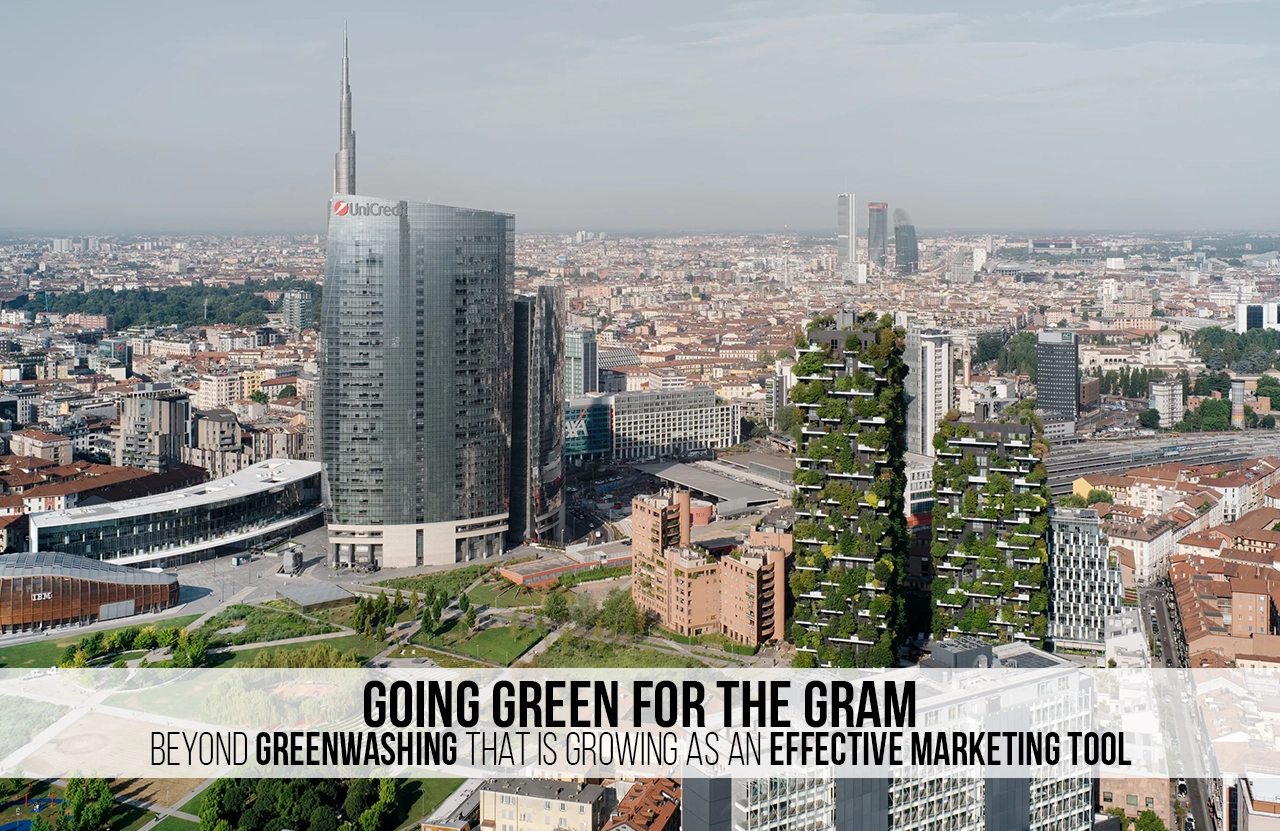
Developers and architecture projects require capital, investors, and a public reputation of positivity revolving around it to sustain operations until the project is complete. In the current decade, interior designers and visualisers are tasked to work closely with the branding teams of large, ambitious projects to build at least the illusion of a dream that their project will capture hearts by becoming a project that will impact the people and the environment in a way no other building has ever before.
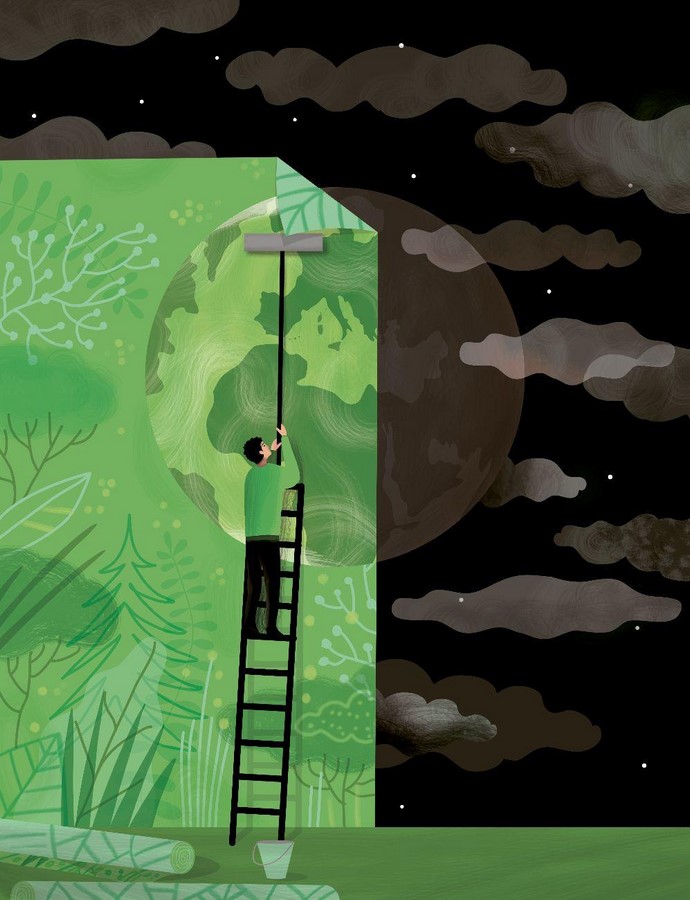
Any architecture enthusiast scrolling through social media or browsing the web would be tempted to click on a building integrated with nature or with a green building certification rather than on a building that professes no such features.
But it is important to think beyond the moment of surprise of seeing so much green on a modern concrete-glass building. Would that building truly be sustainable, or does it just have a lot of trees to show for? Does the green building certification really prove its impact on the environment, or is it just the eco-friendly brand it is trying to build to garner public affection?
As the climate change crisis intensifies by the day, harsh scrutiny upon such terms and prospects will only increase in the coming years.
Embodied Energy in Materials and Extra Operational Energies
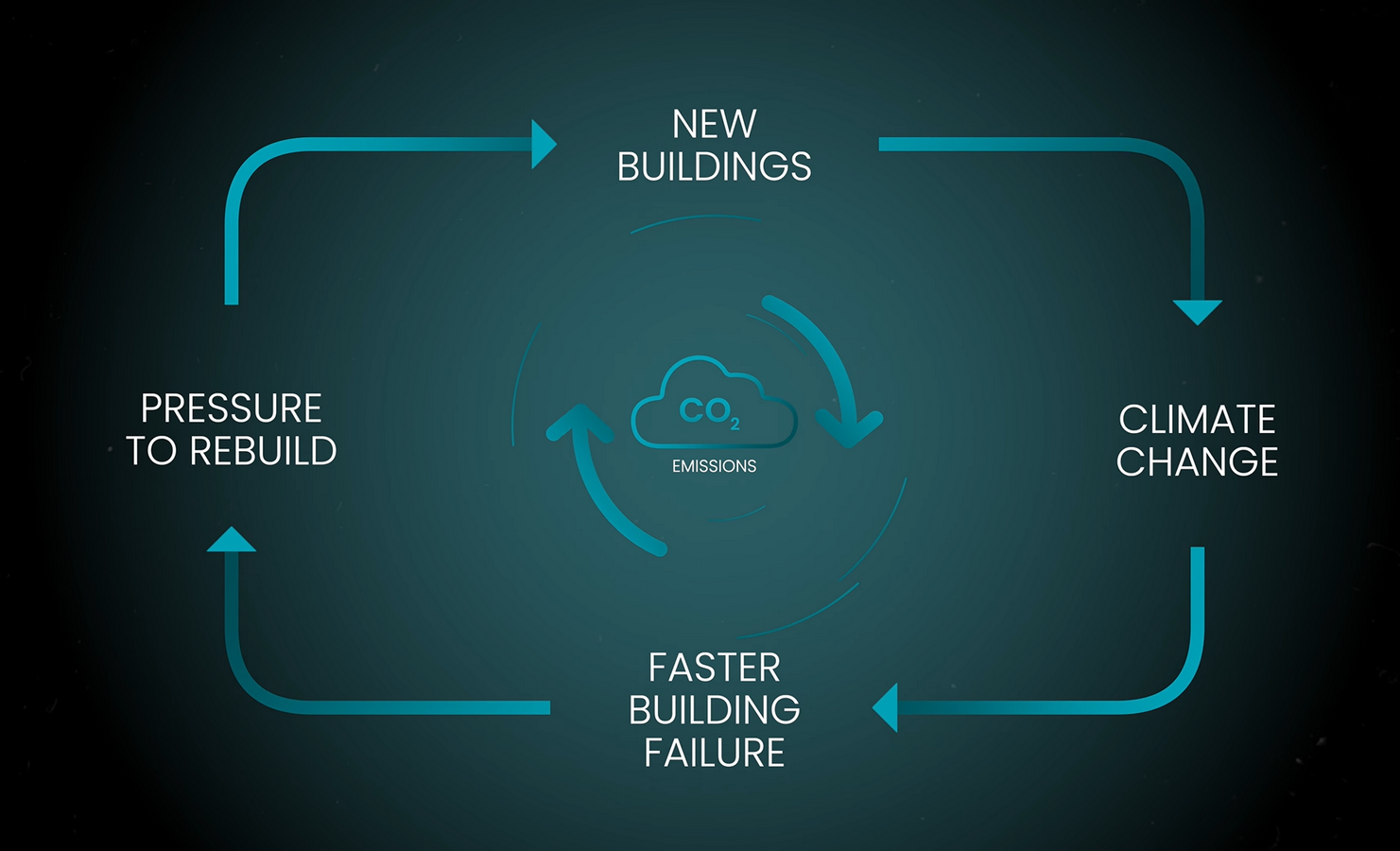
As long as the practice of architecture is still alive, it would mean that the global amount of built floor area would only constantly keep increasing. More floor area means more carbon emissions. Talking about built land, which actually only occupies around 1% of the total land area of planet Earth, urban areas alone are responsible for a whopping 70% of the global CO2 emissions, including cars. These are all well-known ideas and facts, and there have been calls for shifts in industry standards, be it on an educational level or at a legal level, to make more decisions that favour the environment.
These are rewarded by global acclaim, awards, and green certifications, which both investors and clients seek in the built projects they wish to support. But what exactly is being rewarded? For example, how do buildings with glass envelopes get a LEED certification, especially in Indian summers, which rely on air conditioning even in these certified buildings? The IGBC allows upto 60% of the building envelope to be covered in glass, provided it is of high-end specifications. However, glass traps heat, and more heat would mean an increased amount of air conditioning for user comfort. A study conducted for glass walls in tropical climates of India includes in its conclusion that ‘It is seen that this energy consumption increases almost linearly with glazed area, for all types of glazings, for all climates, and for all orientations.’(Pandey, 2018) To add, the embodied energy of glass increases considerably when used as double or triple glazing or when inert gases like argon replace the air gap to further improve performance.
There are mainly 2 types of energy or carbon use when it comes to construction, which is a good aspect to measure in order to rate its impact on the environment.
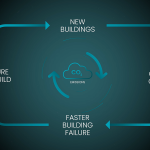
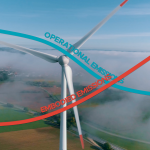
Embodied energy is the carbon footprint of a building before it is built, and encompasses the greenhouse gases emitted during the construction process. This includes activities like: extraction and production of materials, transportation of materials, manufacturing, etc. The operational carbon footprint of a building is the sum of all the carbon produced over the lifetime use of the building, which could easily be 50 or more years. This includes operations like lighting, heating, ventilation, cooling, or air conditioning.
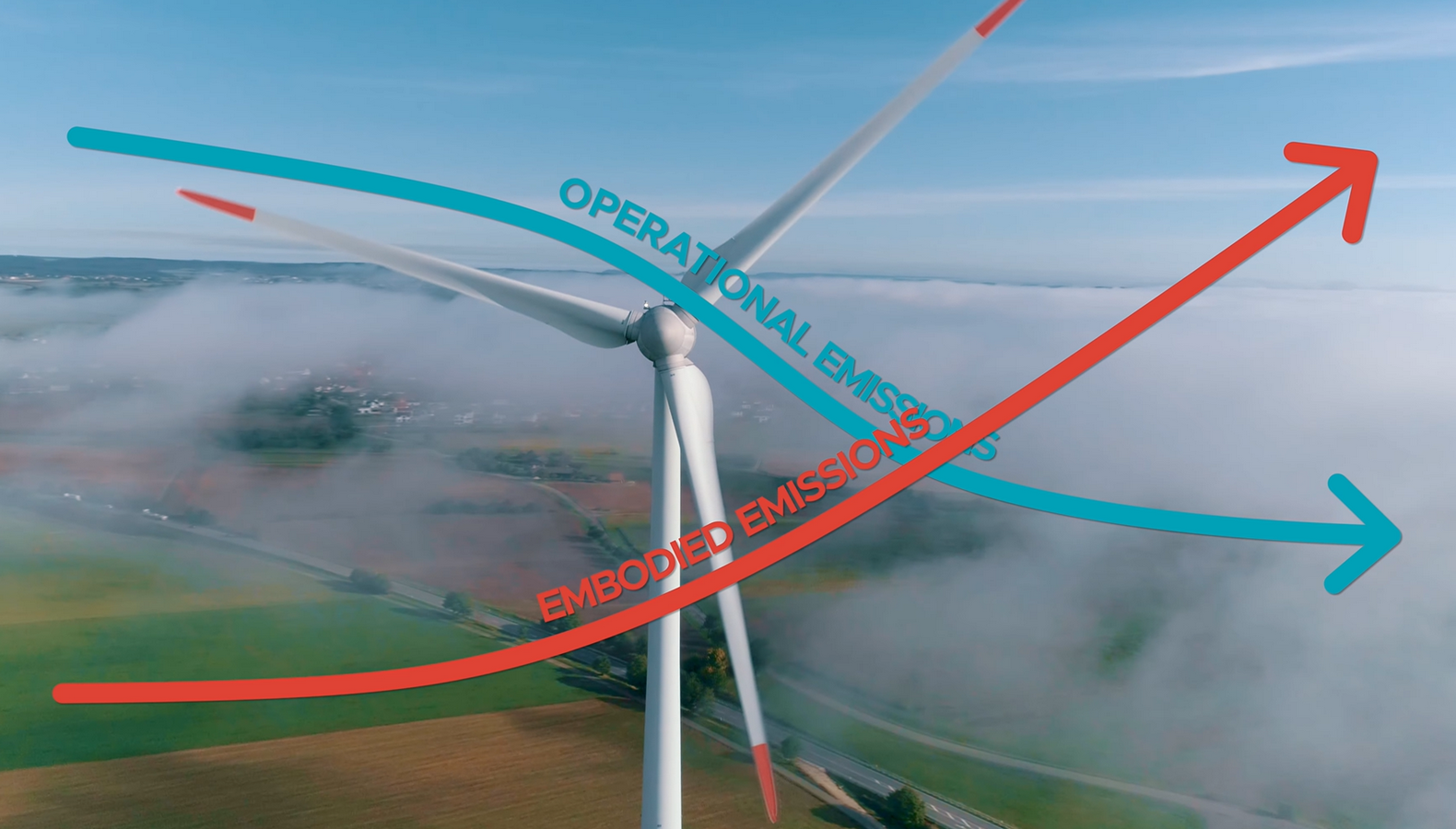
True Impact of Constructing Buildings to Hold Vegetation
With the above information in hand, it is possible to decode the concept of greenwashing in the literal sense, the misuse of plants in so-called sustainable projects. Seeing trees and plants in and around a space does have a significant positive impact on mental health. General social studies have reported that people working in environments with greenery face less stress and negative emotion than those working in concrete jungles. However, this may not be used as proof of a positive impact on the environment.
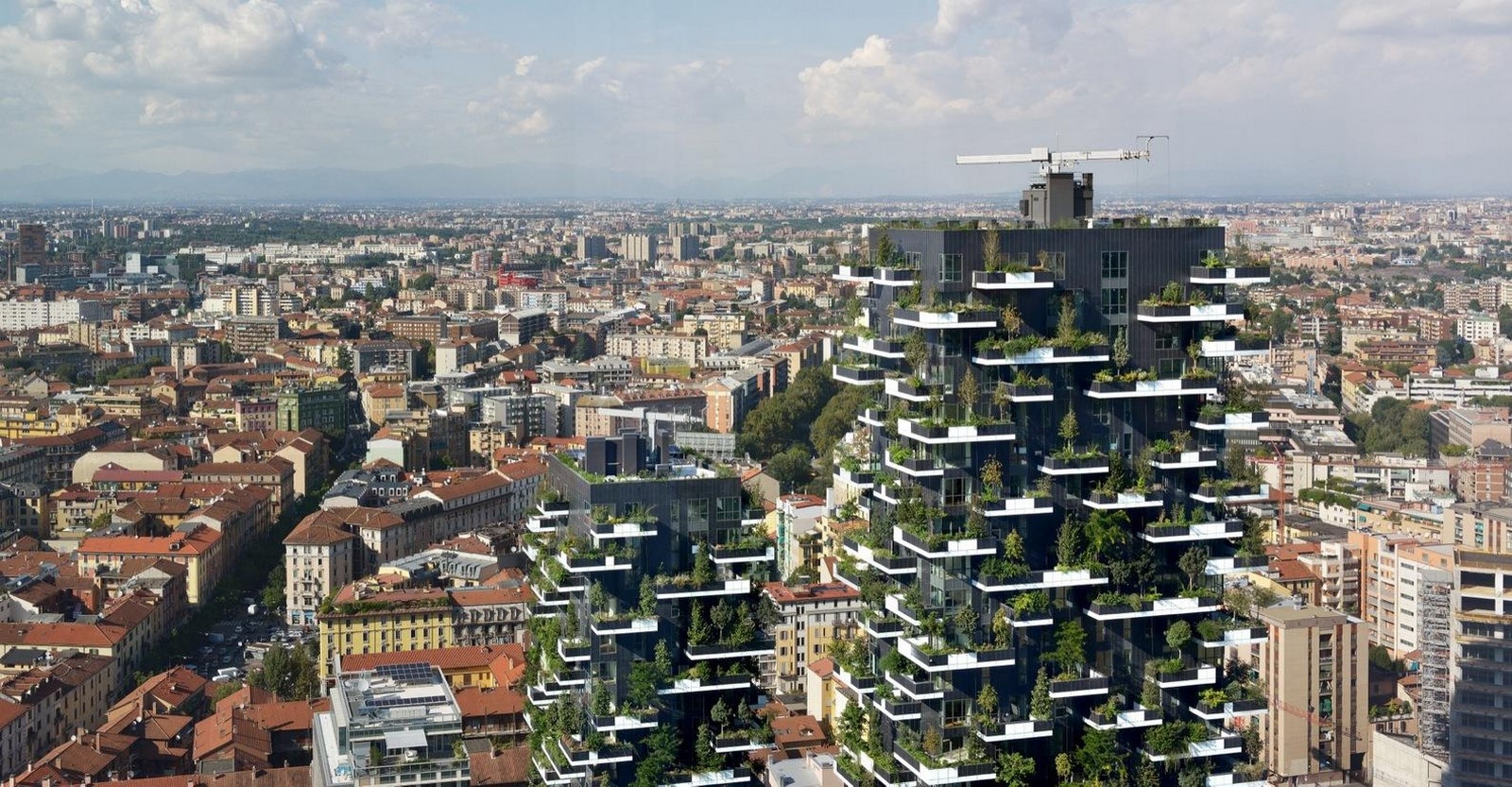
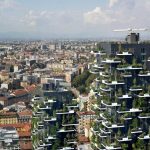
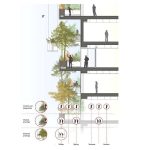
One of the first leaders in green architecture that contributed to this boom of greenwashed cities was the Bosco Verticale in Milan. It features 28cm thick balconies that are 3.5m wide, and the overall structure is reinforced with steel to support the extra load of the vegetation. It also includes various types of built-in planters, also designed using concrete and steel cages. It received a LEED Gold certification in 2014 for incorporating 21,000 plants and trees for the reduction in energy consumption, improvement in air quality, and its contribution to urban biodiversity, as it has become a habitat for various birds, butterflies, and other smaller creatures.
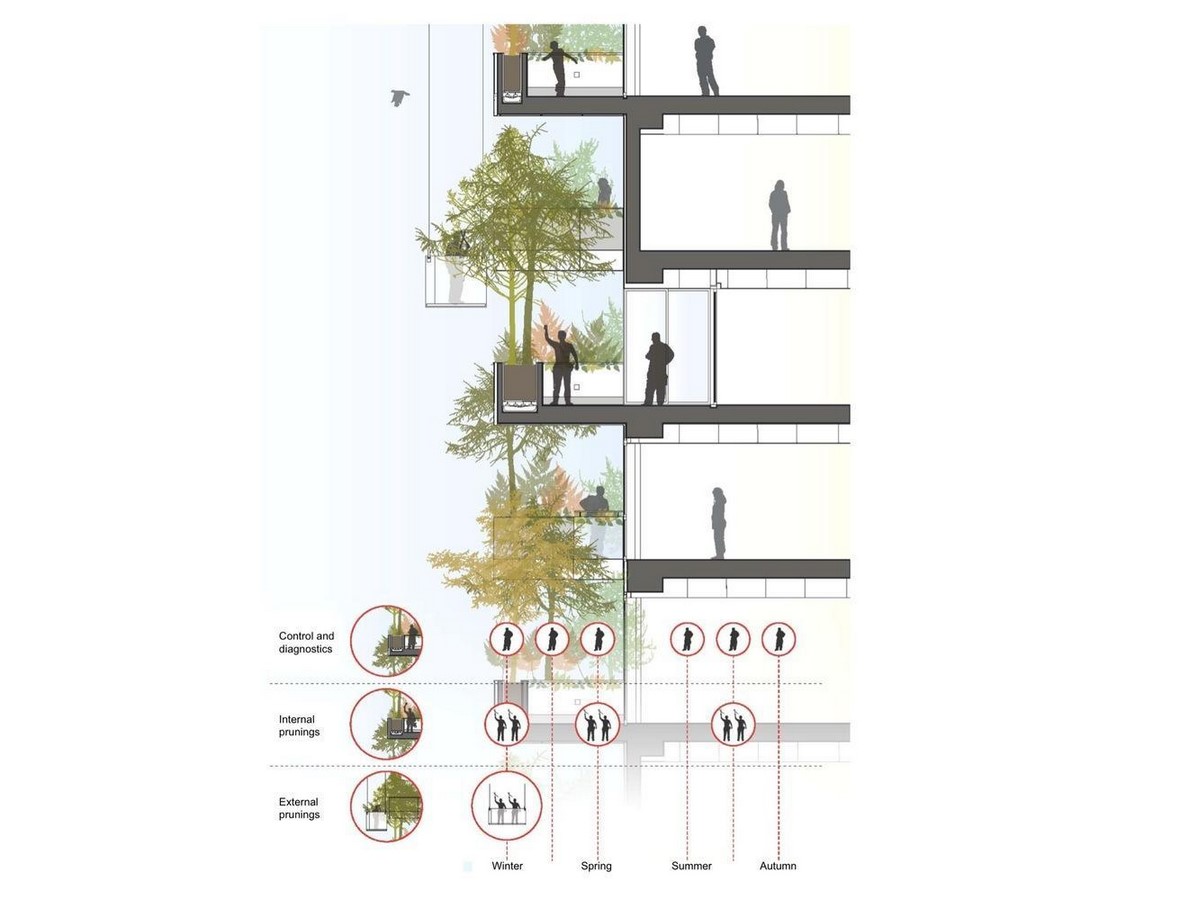
Similar projects have popped up later on, but none of them cut close to the Bosco Verticale. The robust concept of vertical forests used here in Milan trickled down into other future architects and developers, and just over a couple of years, greenwashed buildings and renders were everywhere.
Even if done right, such buildings require a sturdier foundation, more concrete, thicker slabs, and added interior systems and materials to accommodate this vegetation. As all this is done using cement, which contributes to 7% of global emissions, it was found that the embodied energy of constructing a ‘green’ building currently stands to be more than its relatively decreased operational energy. Having extra concrete and steel to transport and construct with can definitely add up to a greater amount of energy. Moreover, upkeep of the biodiversity, extra safety, and fire considerations also add up to more capital and operating costs.
If the building operates as planned for a long duration, it might ultimately be less detrimental than a conventional concrete structure that has been in service for the same time period. However, is such an extended timeframe worth the additional embodied carbon footprint it carries?
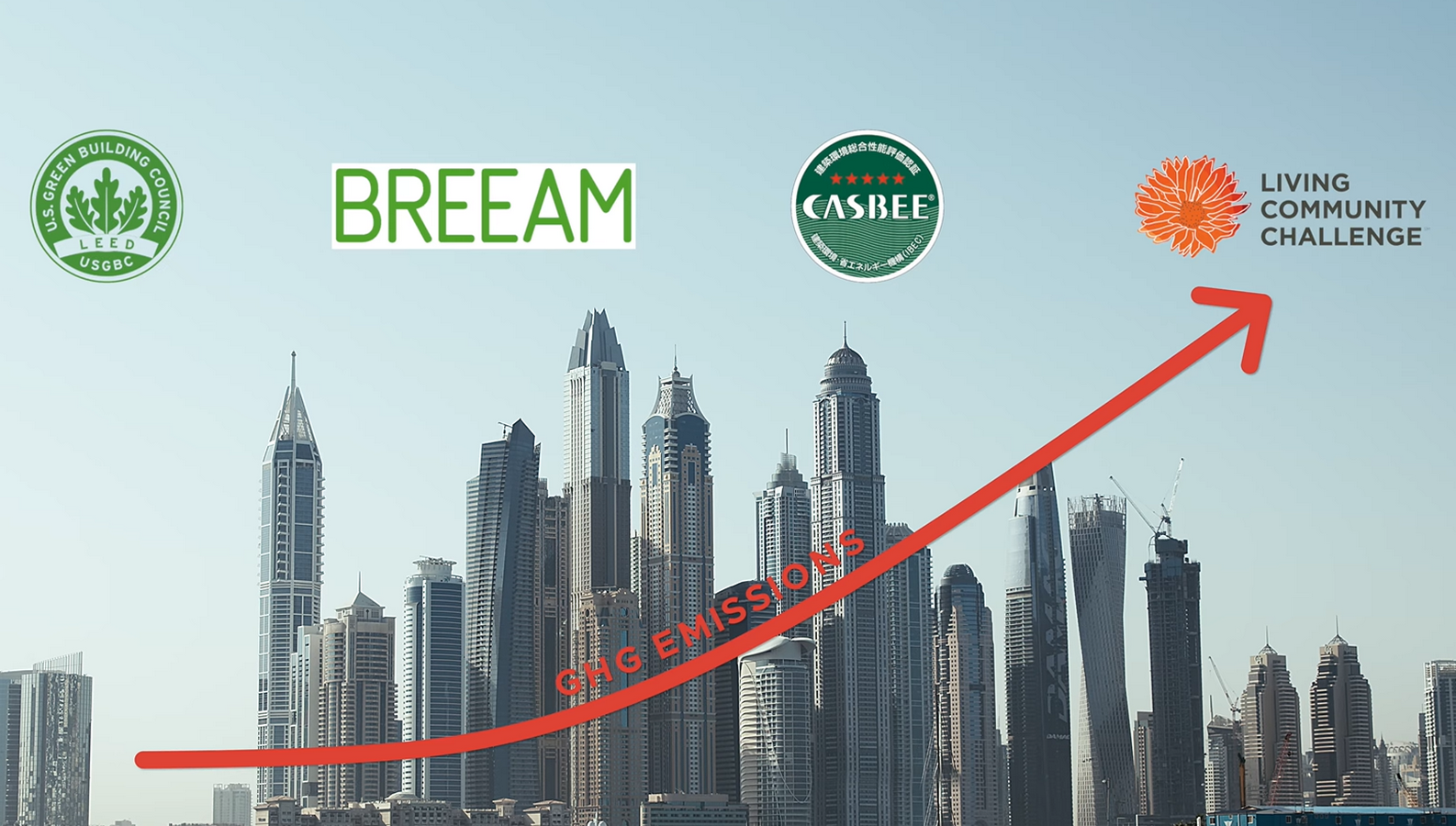
And this is the case for buildings that greenwash their buildings in the best way. However, a large percentage of ongoing projects that are currently in market do it just for the earned media value; built projects fail to meet the standards set by the CGI renders. So it can be well concluded that constructing a building to hold vegetation may cause more harm than not.
More organisations need to fill the verification gap between certified buildings and verify their actual impact over time. As technology develops, engineers may need to rethink the use of materials for skyscrapers, especially. Can wooden or hybrid material skyscrapers be built? Is it possible to rebrand sustainability from just being green to being more focused on operational efficiency?
Overall, large reputable organisations that people look up to and trust tend to celebrate the illusion of sustainability, leading the general public to do and teach the same to budding architects. While time may reveal the results of existing green buildings, perhaps the field as a whole can be more encouraging to engage in deeper research and innovate other forms of sustainable architecture, too.
REFERENCES LIST:
The B1M Limited (2023) Tree-Covered Skyscrapers Aren’t Actually That Green, YouTube. Available at: https://www.youtube.com/watch?v=wFNDfSa7Ak8 (Accessed: 01 February 2026).
Carroll, A. (2025) Embodied carbon vs. operational carbon, One Click LCA. Available at: https://oneclicklca.com/en/resources/articles/embodied-carbon-vs-operational-carbon (Accessed: 01 February 2026).
Pandey, S. (2018) ‘Selection of Suitable Glazing Selection for Glass-Curtain Walls in Tropical Climates of India’, American Journal of Sustainable Cities and Society, 1(7). doi:https://rspublication.com/ajscs/jan18/6.pdf.
Narain, S. (2014) The myth of green building, CSE India. Available at: https://www.cseindia.org/the-myth-of-green-building-5541 (Accessed: 01 February 2026).
Narain, S. (2013) A green facade, Centre for Science and Environment. Available at: https://www.cseindia.org/a-green-facade-4896#:~:text=This%20implies%20that%20a%20building,heat%20gain%20of%20a%20building. (Accessed: 01 February 2026).
Singh, D. (2012) Reflections on Glass, Down To Earth. Available at: https://www.downtoearth.org.in/environment/reflections-on-glass-39703 (Accessed: 01 February 2026).
Sanchez, D. (2015) Bosco Verticale / Boeri studio, ArchDaily. Available at: https://www.archdaily.com/777498/bosco-verticale-stefano-boeri-architetti?ad_medium=gallery (Accessed: 01 February 2026).