Historic buildings are living archives that embody the social, cultural, and political narratives of the societies that created them. Architects encounter a profound design challenge which goes beyond structural engineering and spatial programming when they engage in adaptive reuse, the practice of giving a new purpose to an existing building while preserving their historical and architectural characteristics. Every intervention is an act of preserving memories, as the repurposed structure acts as a palimpsest, a layered script for contemporary designers to balance preservation, interpretation, and narratives. This article explores how adaptive reuse serves as a language through which collective memory is conveyed.
The Palimpsest as Architectural Metaphor
The metaphor of palimpsests provides a potent framework for understanding the concept of adaptive reuse. Architects of the contemporary world deal with the existing structures that bear scars, marks and traces of past uses and histories, similar to how the monks of the medieval period scraped away texts to produce new manuscripts on the same parchment. This framework defines adaptive reuse as an act of layering and a deliberate interweaving of the present with the past to recognise the multiple temporal identities of the building. “Palimpsests narratives” is a concept in adaptive reuse projects, which lays emphasis on the successful interventions which work towards creating a dialogue between the old and new materials, forms and functions rather than making an attempt to erase or hide the historical narrative it carries.
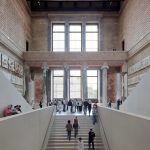
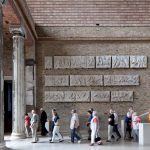
These structures tend to accumulate evidence of their own narratives through joist pockets in masonry walls, filled-in doorways, remnants of previous ornamental details and weathered surfaces, which all testify to the former uses and occupants. These physical manifestations of the layering are evident in the structures which have gone through abandonment and historical trauma. The architect’s engagement in the process of adaptive reuse is majorly about their decisions about which traces are meant to be preserved, emphasised or allowed to fade into obscurity. This decision-making process is fundamentally an ethical negotiation of which aspects related to the building’s history deserve to be made visible to contemporary urban life, as the decision-making process is more than just pure technical considerations. The Neues Museum, located in Berlin, is a great example of this approach. The architect David Chipperfield has purposefully retained the visible evidence of bombing damage from the Second World War in the process of restoration, along with the newly reconstructed elements. This process has created a visual timeline within the building itself.
Design as Interpretation and Reinterpretation
Architects practising adaptive reuse require them to act as the interpreters of memory, rendering the physical structures with new narratives that serve contemporary users while honouring past identities. The interpretative work is an amalgamation of strategic decisions about materiality, viability, and spatial hierarchy. As new components are introduced during the process of adaptive reuse interventions, architects are faced with a fundamental choice about whether the new intervention should harmonise subtly with the existing or should it form a purposeful contrast, which brings visibility to the distinction between historical and contemporary layers.
The Neues Museum project adapts a strategy of using white concrete for the new structural additions and recycled bricks, which generates a difference in the visual perspective between existing elements and the reconstructed portions. This strategy allows the audience to “read” the complex history of the structure without the aid of historical expertise.
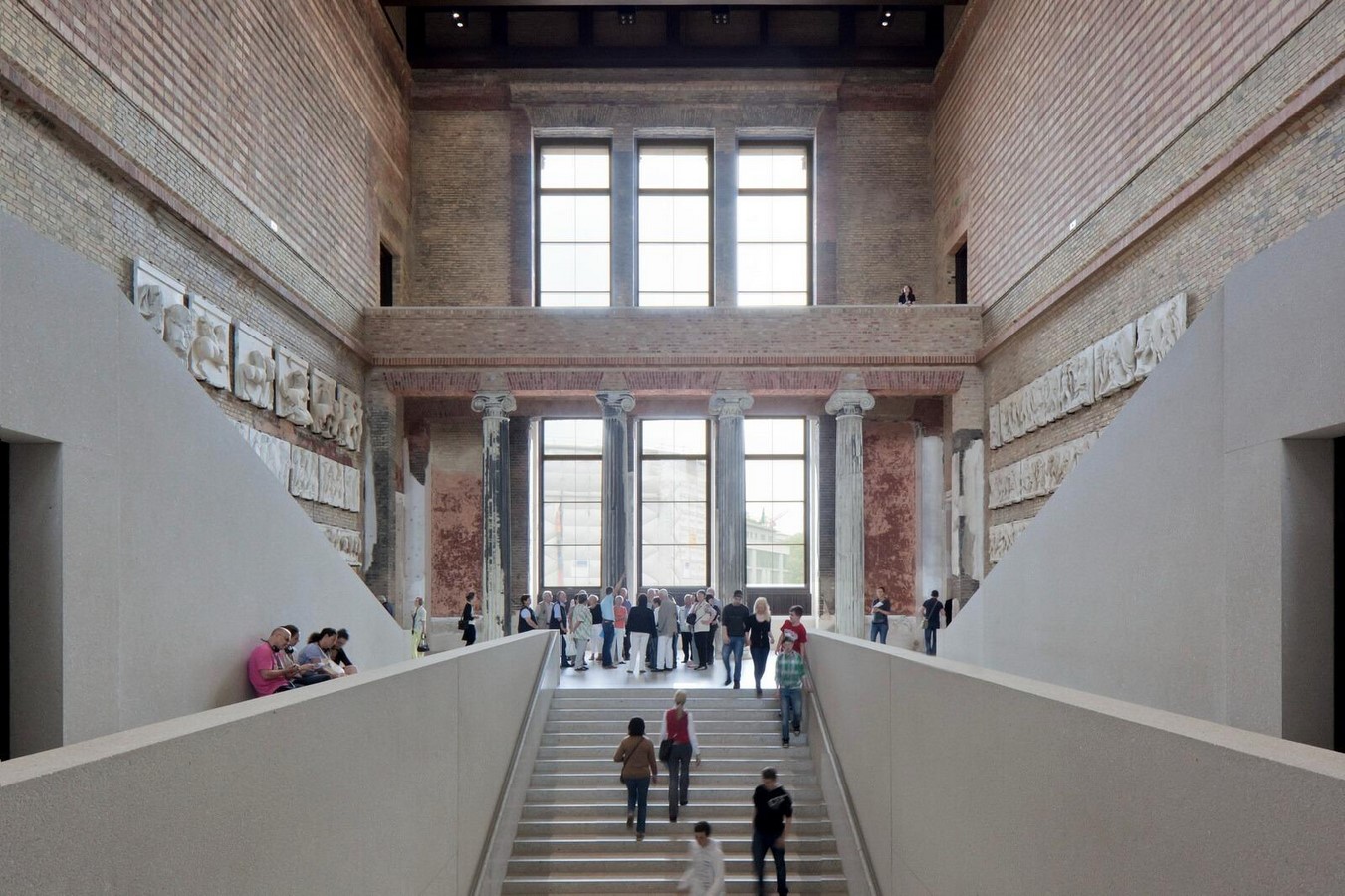
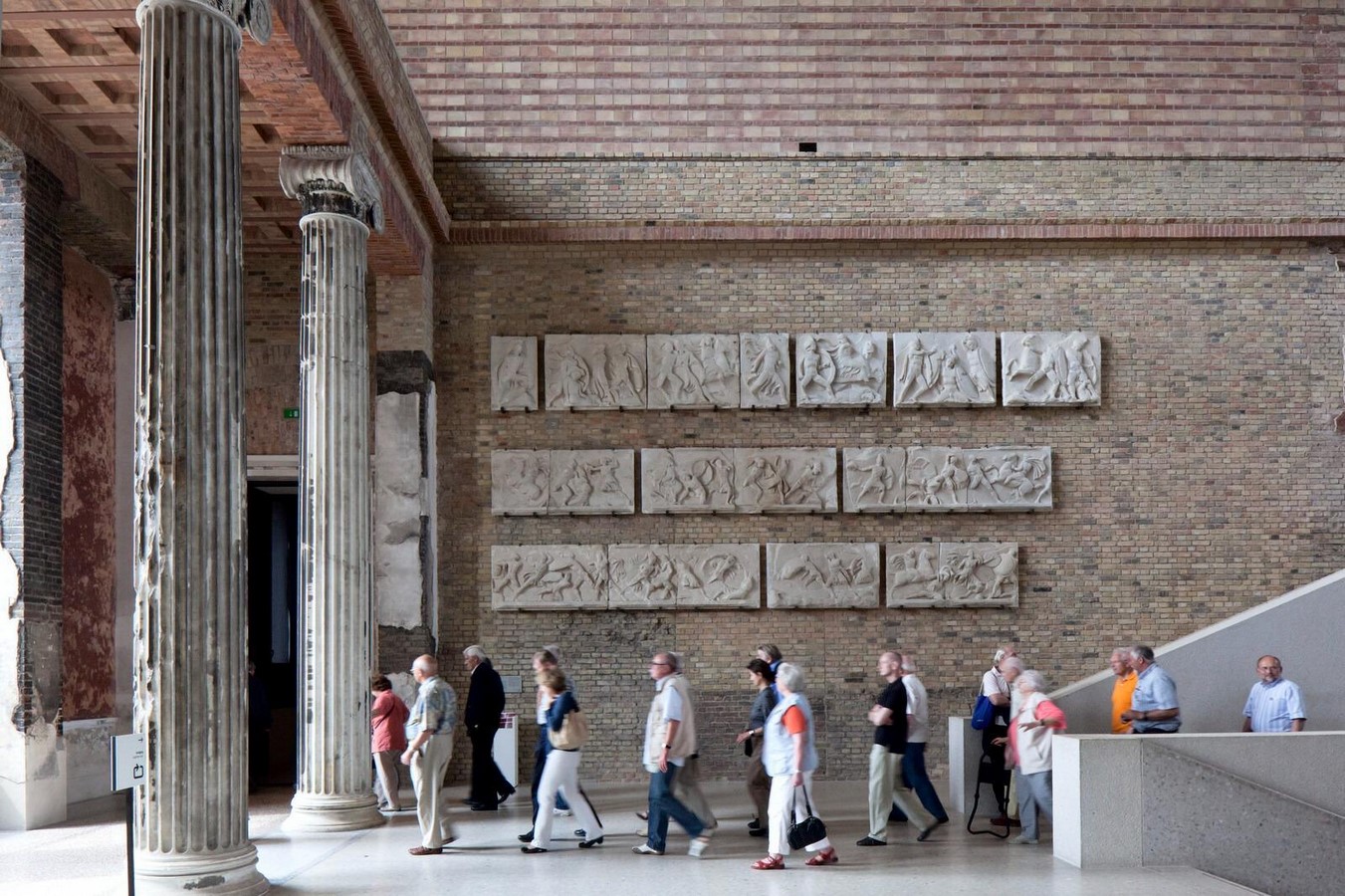
This kind of approach is against the impulse to replicate the original and the temptation to impose a completely new aesthetic. Therefore, an adaptive reuse project acts as a physical document, with materials functioning as a kind of architectural language which communicates temporal information. The restoration of a building, thereby, is transformed into a palimpsest-in-action, where the various temporal layers are kept legible and visible to its audience.
However, not all projects of adaptive reuse hold on to this transparency. Some practitioners engage with “strategic forgetting”, which is a process of purposefully eliminating or masking the edgy aspects of the past of the structure, which in turn enhances public acceptance and makes way for fresh marketing narratives. By presenting projects in a positive way, this strategy can increase finance and community support, but it also raises serious ethical concerns about who has the right to tell history and whose memories are being suppressed. The choice of highlighting certain historical narratives while suppressing or eliminating others is an exercise of power that needs to be openly recognised and discussed in the community.
Whose Memory Counts? Community and Contested Narratives
The process of stakeholders negotiating with stories that the reimagined building will convey is often an important aspect of adaptive reuse projects. Very frequently, the adaptive reuse initiatives are largely shaped by architects, developers, and heritage professionals, with lesser influence from communities whose memories and identities are embedded in these spaces. The social and cultural narratives of long-term residents may be erased while architectural heritage is preserved as a result of institutional gatekeeping, especially those from marginalized communities.
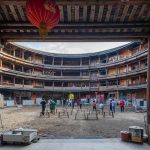
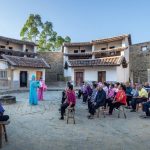
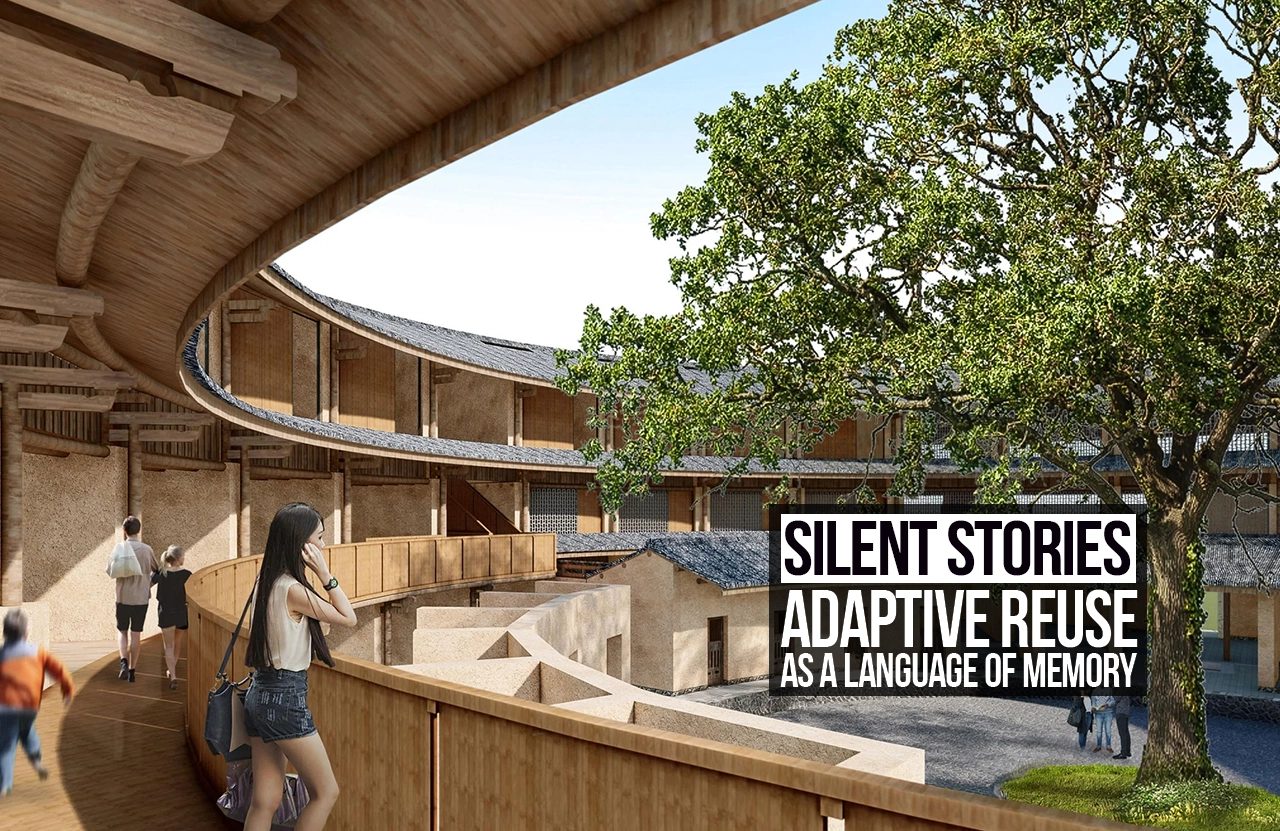
The Fujian Tulou adaptive reuse project, located in rural China is an example of an alternative approach in which the architects have worked closely with the local communities to transform abandoned heritage buildings into modern public spaces integrated with cultural values. By keeping the local craftspeople in the center of focus throughout the restoration process and integrating traditional building technologies with modern materials, the project fostered a sense of unity in the community and also supported the economic revitalization along with restoring the role of the building as a symbol of local identity.
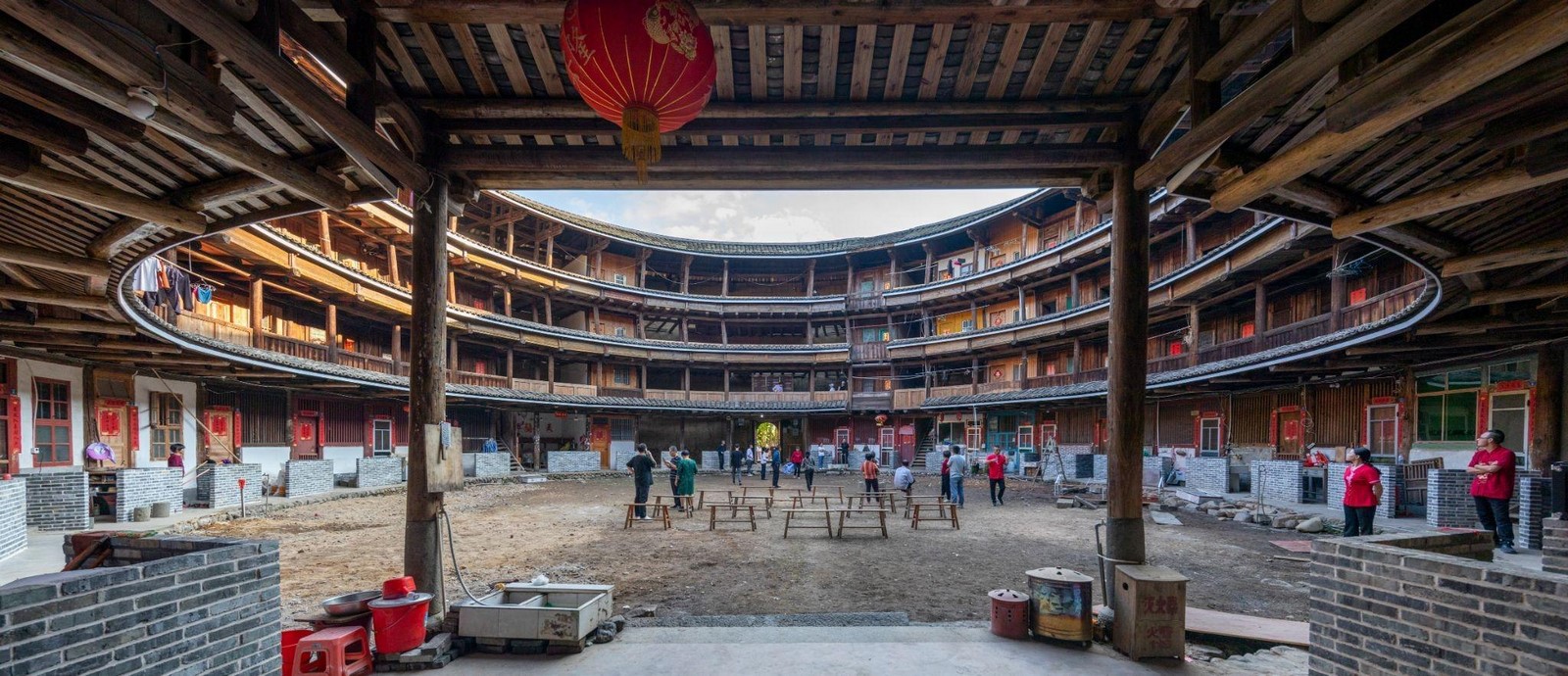

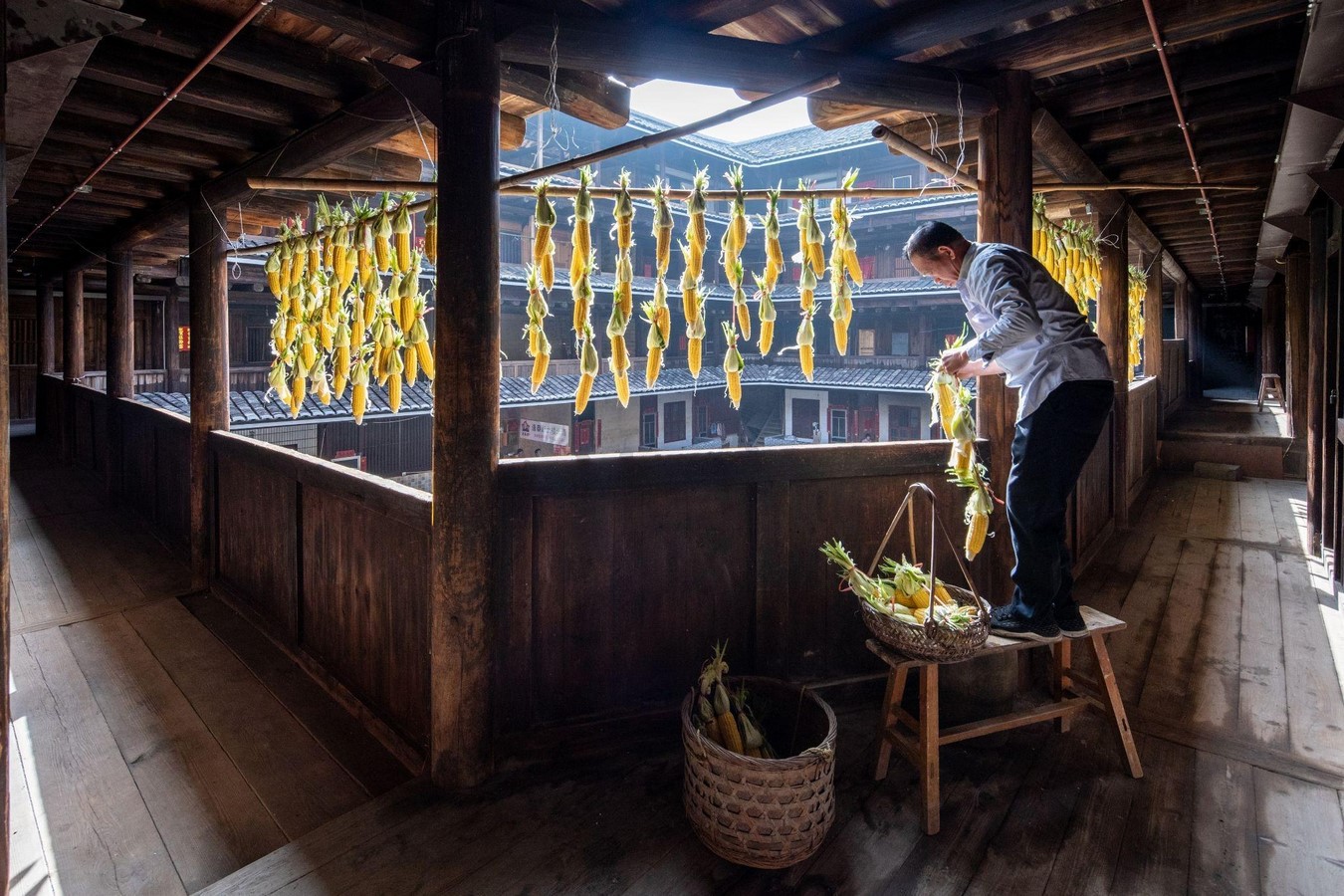
This model of “community engagement” showcases how adaptive reuse can function as a tool for reinforcing collective memory and social cohesion, rather than just imposing external narratives.
However, there is a substantial chance that adaptive reuse initiatives will have unforeseen impacts. Gentrification sometimes accompanies urban revitalisation driven by historical preservation, uprooting the very communities whose history is celebrated by these buildings. A neighbourhood’s cultural and historical significance may be turned into a commodity, drawing wealthy immigrants whose spending habits and financial standing significantly alter the social structure. In such situations, the building’s architectural legacy is meticulously preserved, and adaptive reuse might conversely aid in the erasure of the living communities whose histories are actually embedded in these locations.
Towards Inclusive Memory-Making
Historic structures convey a language of an accumulated experience, the work of long-gone craftsmen, the hopes of populations that formerly inhabited them, and the traumas evident in the masonry’s marks and lack of ornamentation. Architects take on this responsibility when they work on adaptive reuse projects; they act as the protectors of architectural memory and the bridge between the past and present. The ethical debate about whose history should be preserved and how modern users would inherit, understand and possibly change the stories ingrained in these locations is the main obstacle, not technical restoration.
The most successful adaptive reuse designs recognise that memory is a disputed territory, that buildings carry many histories, and that design decisions necessarily favour certain narratives while marginalising others. Rather than imposing professional authority, these programs enable people to collaborate on interpretation. Instead of provisioning with illusional consistency, they preserve observable signs of historical complexity. They recognise that maintaining architectural legacy while uprooting live communities is a type of erasure, although one that occurs more slowly and quietly than destruction.
Adaptive reuse has a future in the expanded horizons of the conversation that goes beyond architectural preservation. It inclines towards wider issues of social justice, community continuity and democratic engagement in defining the physical environments in which collective memory is created and challenged. Historic structures contain the ability to serve as sites of social cohesion, cultural pride, and shared belonging while focusing on the voices of those whose memories these buildings house rather than playing the role of mere monuments to professional expertise or as vehicles for speculative profit when adaptive reuse becomes truly inclusive. In this view, the silent stories inscribed in ancient structures are finally given the democratic voice they deserve.
References:
Sreya, S. & Jothilakshmy, N. (2019) ‘From ruins to renewal: Palimpsestic narratives in adaptive reuse’, International Journal of Novel Research and Development, 8(11), pp. 145–152.
ArchDaily (2011) ‘Neues Museum Berlin / David Chipperfield Architects, Museum Island’, ArchDaily. Available at: https://www.archdaily.com/127936/neues-museum-david-chipperfield-architects-in-collaboration-with-julian-harrap
Chipperfield, D. (2024) Neues Museum restoration approach and materials strategy. Berlin: David Chipperfield Architects (project documentation).
Li, W., Zhang, Q., Md Ali, Z. & Zainal Abidin, N. (2025) ‘A decision-making model for the adaptive reuse of architectural heritage’, npj Heritage Science, 13(1), Article 21.
Holcim Foundation (2023) ‘Fujian Tulou – Adaptive reuse by Xu Tiantian / DnA_Design and Architecture’, Holcim Awards 2023 Gold Prize, Asia-Pacific Region. Available at: https://www.holcimfoundation.org
Castles, A.R. (2022) Heritage, adaptive reuse, creative economy: Gentrification and displacement. PhD thesis. James Cook University.
Montagnani, J. (2025) Adaptive reuse for sustainable urban future: Stakeholder engagement and circular governance. PhD dissertation. [University name not specified].
Zhang, Q., Md Ali, Z. & Zainal Abidin, N. (2025) ‘Sustainable adaptive reuse of historic buildings: Development of a framework from systematic review’, npj Heritage Science, 13(1), Article 13.