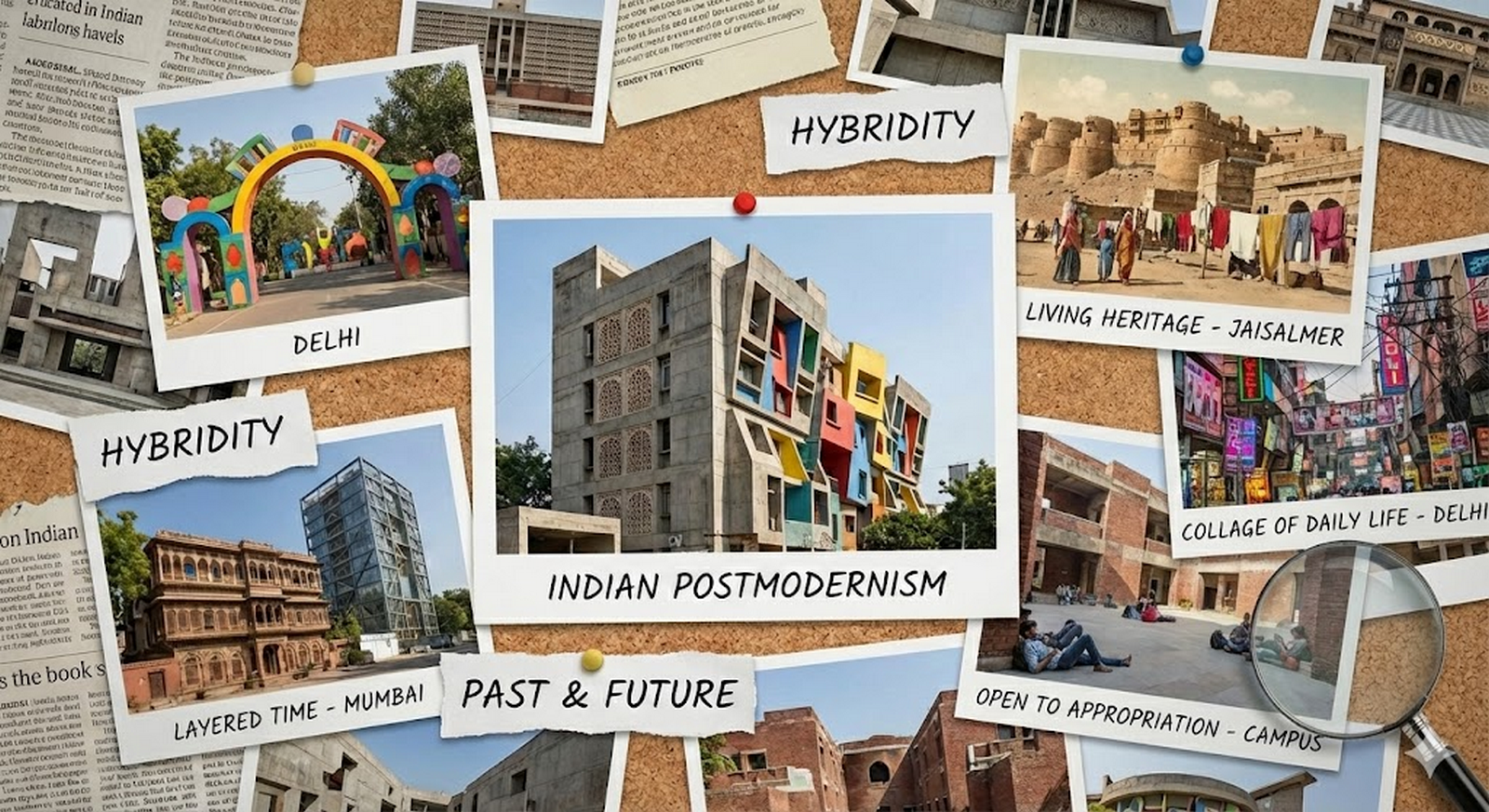
Postmodernism did not arrive in India as a declared movement. It filtered in quietly, settling into campuses, housing colonies, cultural centres, and the expanding edges of cities. In Indian Architecture, postmodernism rarely appears as a sharp stylistic break. Instead, it behaves like a layered dialogue between memory, climate, daily life, and imported ideas. Understanding this dialogue requires looking closely at the place, because in India, architecture is rarely abstract. It is lived, negotiated, and constantly reinterpreted.
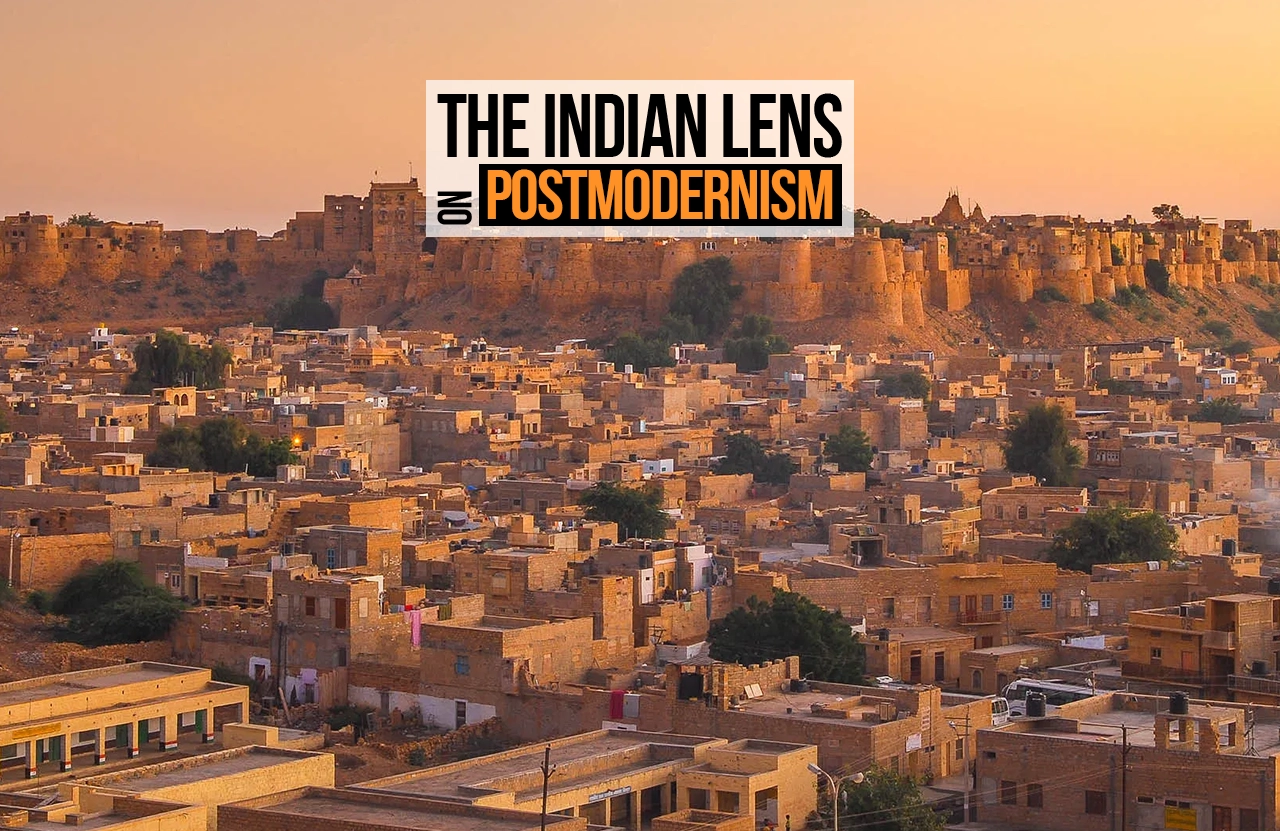
Begin with a fort, not as a monument but as a living setting. Inside Jaisalmer Fort, narrow lanes twist between homes, temples, guesthouses, and shops. Stone balconies lean over the street, catching light and shadow throughout the day. Laundry dries against walls carved centuries ago. The fort reveals a comfort with overlap. Sacred and ordinary life coexist. Past and present occupy the same physical space. This condition feels aligned with postmodern thinking, yet it existed long before the term. Indian Architecture has long accepted multiple meanings without forcing them into a single narrative.
This acceptance explains why postmodern ideas did not feel entirely foreign. Rather than rejecting modernism outright, many Indian buildings softened its rigidity. In residential neighbourhoods built during the late twentieth century, concrete boxes gained arches, columns, tiled façades, and playful colours. A house in Ahmedabad might combine a modern plan with ornamental railings inspired by older havelis. These gestures are not ironic quotations. They are expressions of identity and aspiration. Architecture becomes a public statement, not just a functional shell.
Climate quietly shapes these choices. Heat, dust, and monsoon rain demand shade, thickness, and ventilation. When postmodern forms ignored these realities, buildings struggled. Glass façades overheated. Symbolic gestures felt detached from daily comfort. In contrast, buildings that merged symbolism with climate-responsive planning endured. Indian Architecture does not separate meaning from performance. A shaded corridor is practical and social. A courtyard is climatic, cultural, and communal.
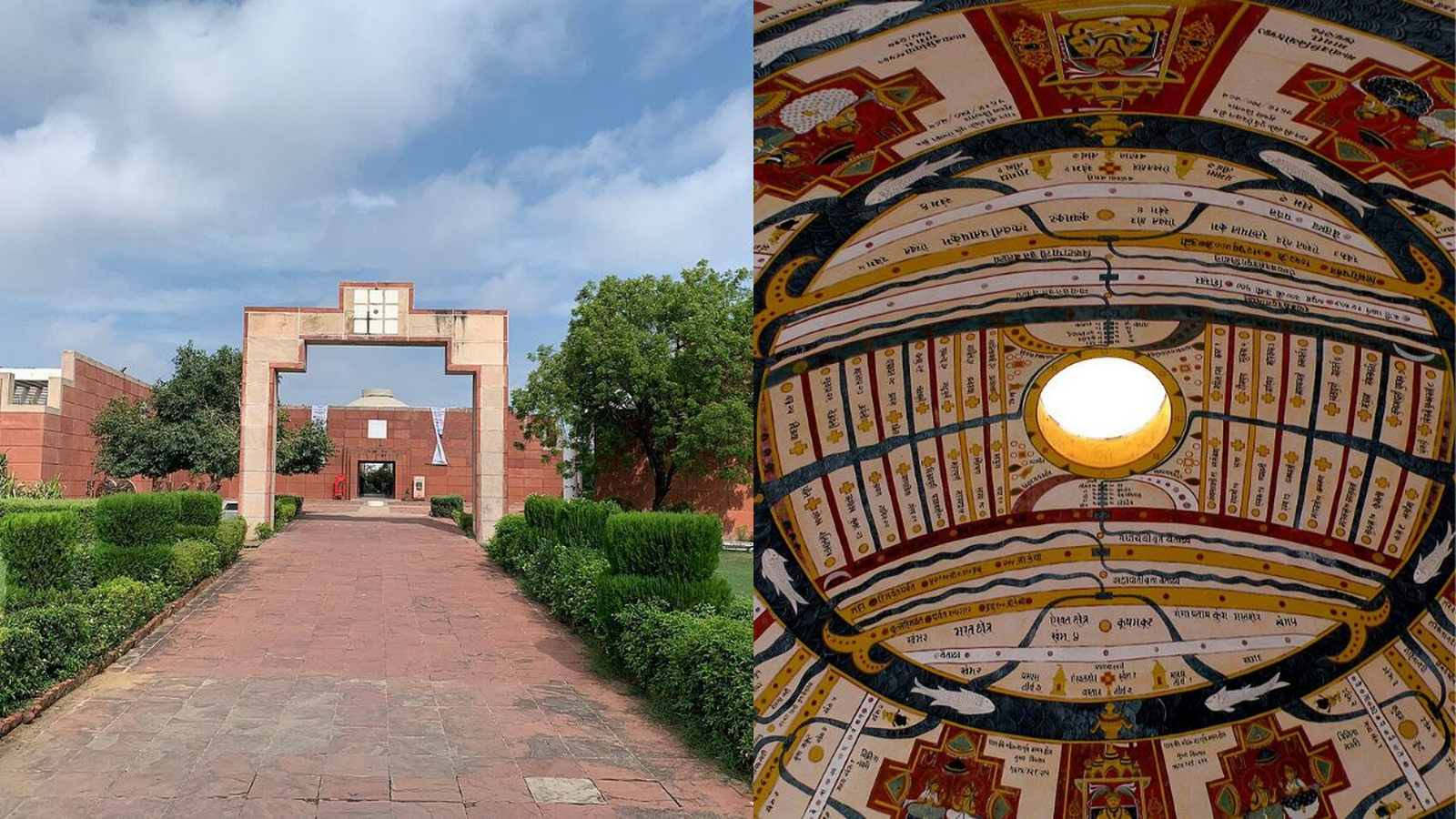
The Jawahar Kala Kendra in Jaipur offers mindful teaching. At first glance, its geometry feels intellectual. Move through it slowly, and the experience unfolds in sequence. Entry courts open into shaded paths. Colours deepen as walls enclose space. Light becomes measured rather than overwhelming. The building references Jaipur’s historic mandala while functioning as a contemporary cultural centre. The past is not recreated. It is reorganised. This act of translation, rather than imitation, defines the Indian lens on postmodernism.
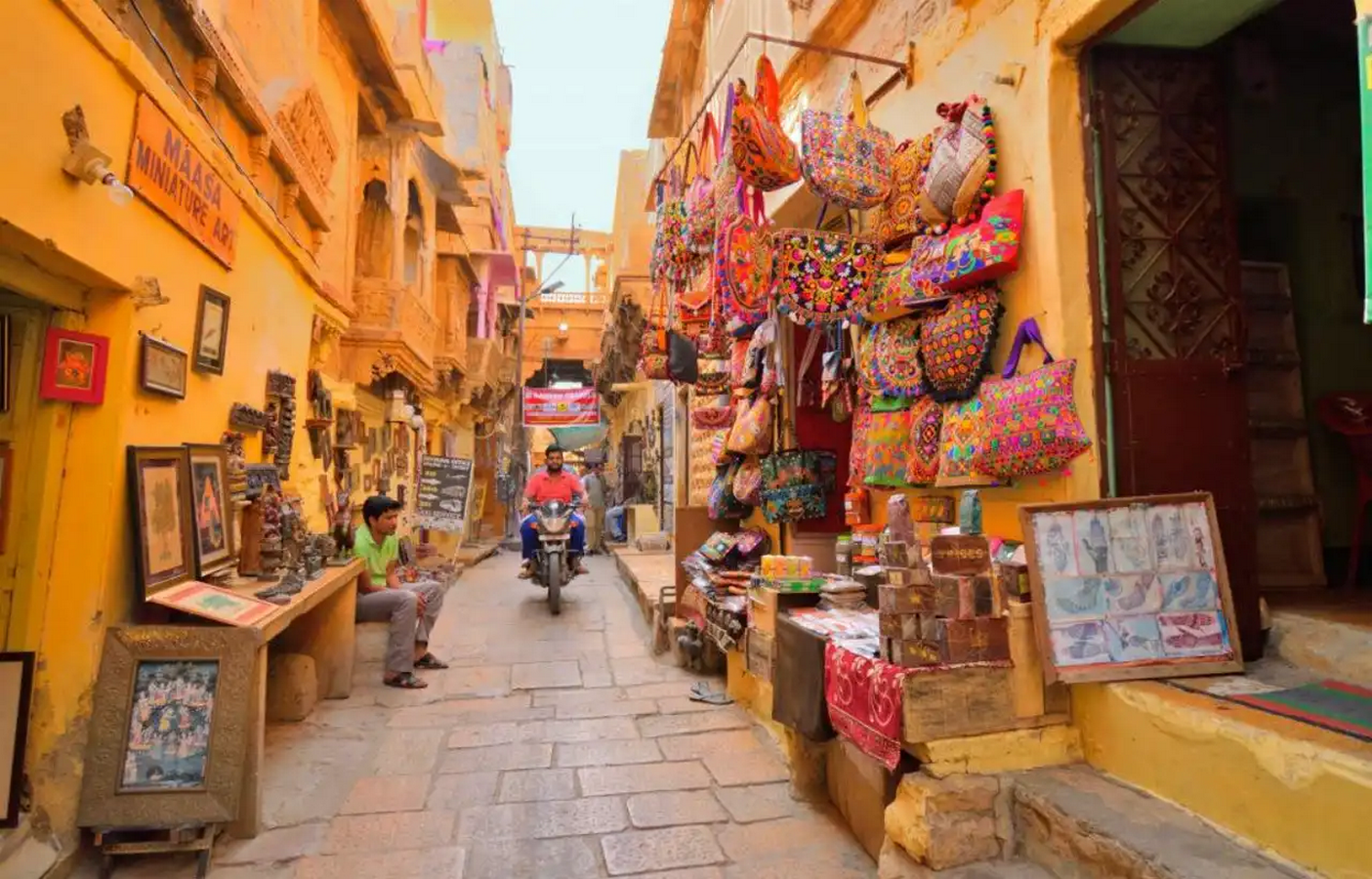
Markets offer another kind of evidence. Walk through a street market in Delhi or a small town bazaar in Maharashtra. Permanent shops sit beside temporary stalls. Religious icons share space with film posters and neon signage. Wires crisscross overhead. The scene may appear chaotic, yet it follows a social logic. Each layer answers a need. Postmodern ideas of collage and fragmentation appear here not as theory, but as necessity. Density and informality produce spaces that are flexible and expressive.
Memory and decay further complicate the picture. Colonial era buildings often stand partially restored, partially altered. A courthouse gains a glass extension. A bungalow becomes an office with added floors and signage. These interventions are rarely seamless, yet they reveal an important attitude. Time is allowed to show. Indian Architecture tends to accumulate rather than erase. This acceptance of visible change aligns with postmodern resistance to singular, polished narratives.
University campuses built in the late twentieth century show how these ideas play out at a larger scale. Buildings cluster around courtyards. Circulation spills outdoors. Decorative references appear alongside exposed concrete. These spaces encourage pause, gathering, and informal use. Students sit on steps not meant for seating. Corridors become social spaces. The architecture allows interpretation. Postmodernism here is less about visual complexity and more about openness to appropriation.
Observing such places requires slowing down. The experience unfolds in stages. First, building mass. Then its colour. Then the shade on the ground. Then sound and movement. Finally, the small details that were never drawn on a plan. Writing about Indian Architecture benefits from following this sequence. It mirrors how space is actually encountered and keeps the argument grounded in experience rather than abstraction.
Criticism often labels Indian postmodern buildings as inconsistent or confused. Such judgments usually apply external standards too rigidly. Inconsistency, in this context, can signal responsiveness. Indian cities are shaped by festivals, informal economies, social hierarchies, and unpredictable growth. Architecture that allows adjustment and reinterpretation often performs better than architecture that demands control.
Looking ahead, rethinking the future site in India means recognising these patterns rather than dismissing them. Forts teach how memory and daily life coexist. Streets reveal how people claim and modify space. Cultural buildings show how symbolism and climate can work together. These are not stylistic lessons alone. They are lessons in attention.
As sustainability, identity, and equity become pressing concerns, the Indian lens on postmodernism raises deeper questions.
Can architecture remain flexible without becoming careless?
How can new buildings acknowledge memory without turning it into decoration?
What does it mean to design for multiple interpretations rather than a single ideal user?
And most importantly, are architects willing to listen to places as they are, rather than as they wish them to be?
These questions do not offer immediate answers. They linger, much like the layered spaces they emerge from. Perhaps that lingering is the real contribution of postmodernism in Indian Architecture. It invites reflection, slows judgment, and reminds us that the future of site thinking may depend less on certainty and more on curiosity.