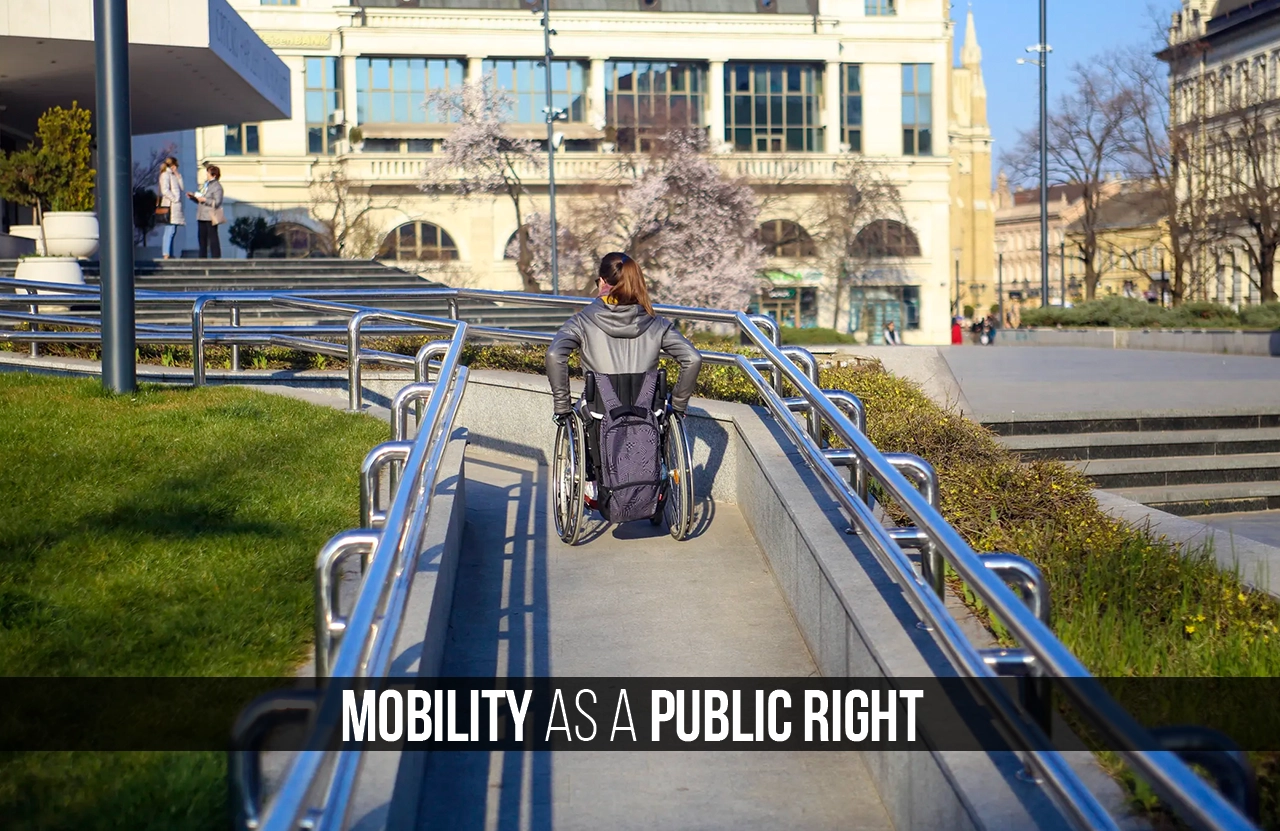
Among the most basic and fundamental rights that people in society exercise, mobility is one of the key aspects that represent freedom. Mobility, however, seems very simple but has a very valuable role in the everyday life of people. Its restrictions can really contain the development of both the individual and the community. The more mobile the city is, the more it can make the place more accessible and prosperous. So, it is one of the leading indicators of infrastructure development.
Mobility can expand horizons and bring opportunities to people in the city. Markets, goods and services, people, and jobs become accessible, which enhances the quality of life and the overall growth of the city. Since transportation and related infrastructures govern the overall mobility of a city, shortcomings in these sectors add challenges, enabling people and goods to move sustainably, making the place prone to poverty and inequality, congestion, and limited public capacity. Hence, innovations in these sectors are constantly necessary to promote mobility and safeguard this fundamental right.
Equity and Inclusive Access
Equity and inclusivity can never be outlined when topics regarding fundamental public rights are addressed. Public transport and mobile infrastructures must be designed and built to make sure that, regardless of physical ability, economic status, gender, or age, every citizen can move around conveniently in the city. Lack of inclusivity leads to social disparities and differences that limit access to goods and services such as healthcare, education, employment, and other essentials, excluding communities or groups. So, for equal opportunity and public participation, the disadvantaged should be provided with assistance in places needed for swift access. Universal design standards in streets, tactile paving in footpaths to assist the visually impaired, subsidized fares for low-income groups such as students, priority seating in public transportation and spaces, child- friendly spaces are a few examples that can be incorporated.

Walkability, Safety, and Universal Design
Walkability is a major characteristic of urban mobility and a fundamental public right. Designing cities that prioritize pedestrians provides not just efficient travel but also safety, health, and social inclusion. Walkable streets foster active transportation, minimize dependency on personal vehicles, and contribute to sustainable urban development. Walkability is the quality of a place with diverse functions within walking distance, well-connected and accessible spaces for every person, a green natural environment, and safe streets to walk.
Walkable cities are characterised by a high concentration of mixed-use buildings, street connectivity with short block lengths and few cul-de-sacs, and important landmarks that create good legibility and good public amenities accessible to all users. To develop sustainable mobility guidelines, it is essential to understand the street types and urban quality parameters for creating safe, comfortable, and accessible streets. According to urban design principles, a walkable city prioritizes pedestrian-friendly infrastructure, safety, accessibility, and connectivity. These guidelines directly support the concept of mobility as a public right:
- Diversity: Mixed- use buildings provide different activities within a local environment that reduces the necessity of long-distance mobility.
- Connectivity: Good street connections created by short block length, visible short links, many intersections, and fewer dead ends.
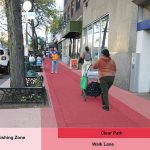
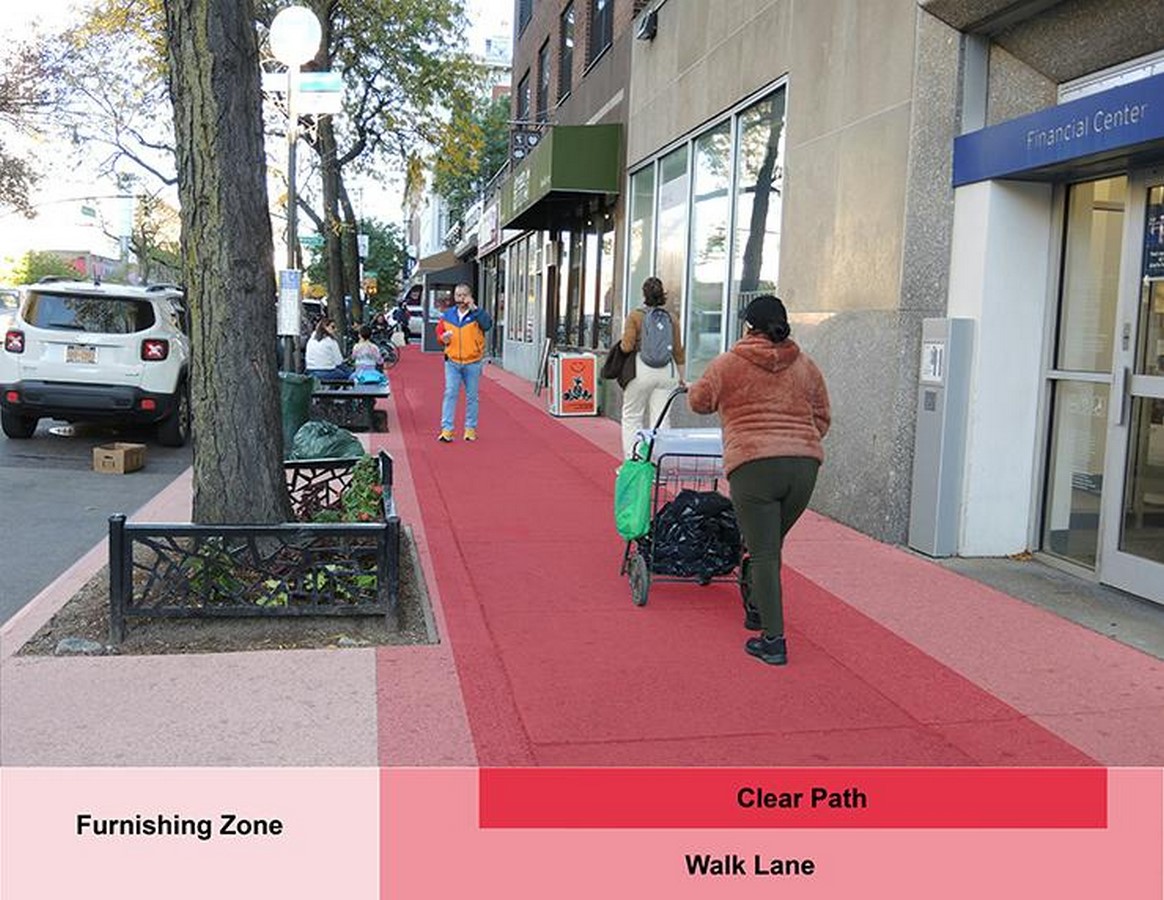
- Sidewalks and urban furniture: Wide sidewalks ensure safe and comfortable movement for all pedestrians, making mobility accessible to all. Also, benches, shade, and rest areas make walking feasible for longer distances.
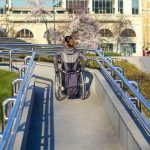
Also, universal design is crucial in establishing truly inclusive walking communities. It ensures that streets, sidewalks, crossings, and public transit are accessible, safe, and usable by everyone, including individuals with disabilities, the elderly, children, and parents with strollers. Incorporating ramps, tactile paving, audible signals, and elevators while desigining allow all citizens to move independently and safely. By integrating Universal Design into pedestrian infrastructure, cities reinforce the principle that mobility is a public right, not a privilege, and promote social inclusion, dignity, and equal access for all urban residents.
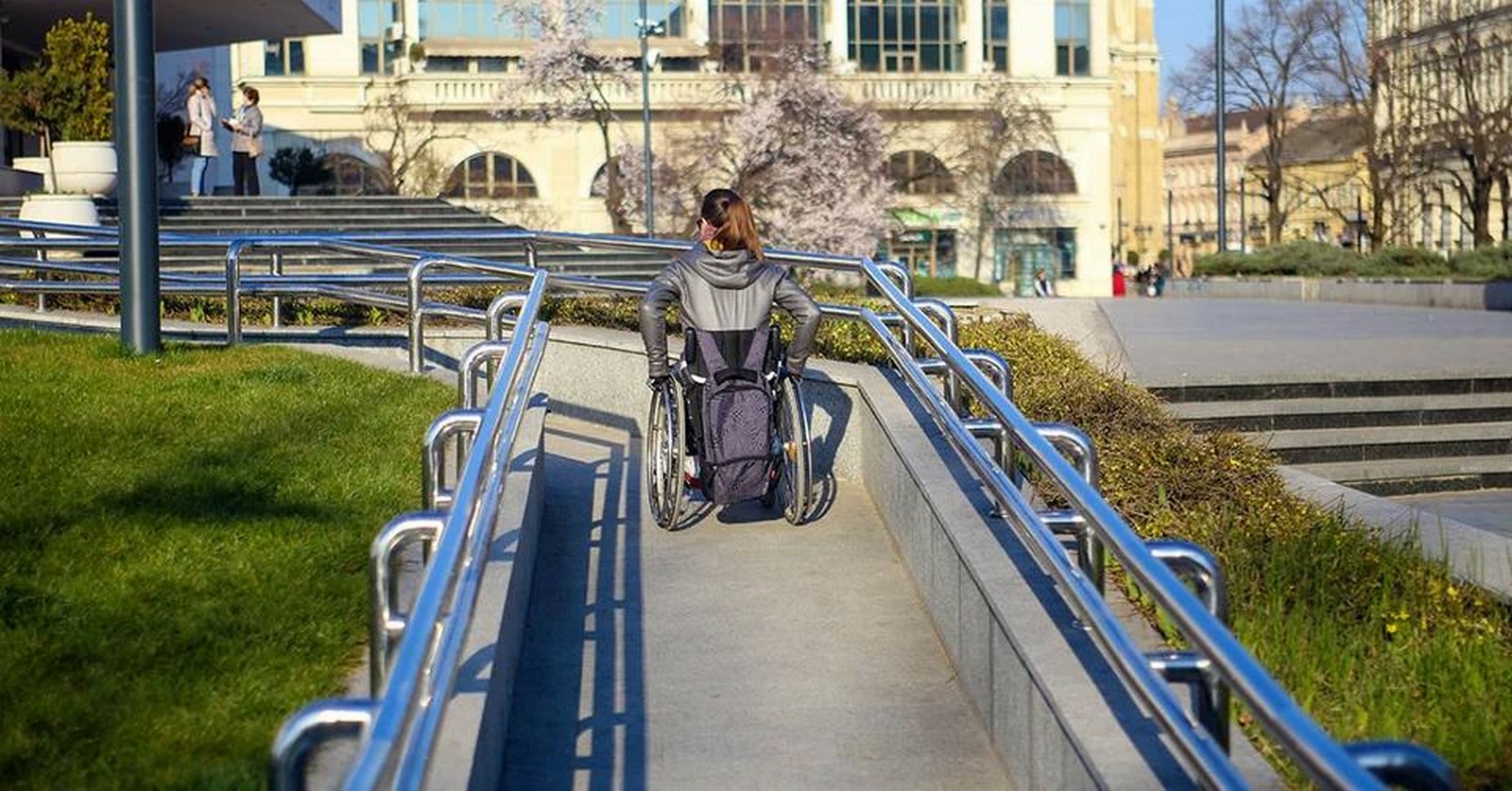
Mobility is not just a means of moving; it is a fundamental public right that shapes how people live, work, and connect in a city. Designing streets and public spaces that are safe, navigable, and adaptable ensures that everyone, regardless of age, ability, or background, can participate fully in city life. Integrating pedestrian-oriented planning, inclusive infrastructure, and thoughtfully connected neighborhoods allows people to reach schools, workplaces, markets, and public services with ease. Such an approach reduces barriers, strengthens community ties, and supports environmental sustainability by encouraging active transportation.
Also, urban policy plays a key role in protecting mobility rights by creating frameworks that make accessibility, safety, and equity a legal and practical reality. Policies shape the transport system, govern landuse and public space, and influence how streets, transit hubs, and buildings support or hinder movements. These policies enable architects to design spaces that connect the public to services and opportunities, and make the city accessible by reinforcing mobility.
Reference:
unhabitat.org. (n.d.). 11.2 Transport system | UN-Habitat. Available at: https://unhabitat.org/11-2-transport-system.
Porębska, A., Rizzi, P., Otsuki, S. and Shirotsuki, M. (2019). Walkability and Resilience: A Qualitative Approach to Design for Risk Reduction. Sustainability, 11(10), p.2878. doi: Porębska, A., Rizzi, P., Otsuki, S. and Shirotsuki, M. (2019). Walkability and Resilience: A Qualitative Approach to Design for Risk Reduction. Sustainability, 11(10), p.2878. doi:https://doi.org/10.3390/su11102878.
Dreamcities.org. (2021). Walkability in Urban Spaces in Nepal | Dream City. [online] Available at: https://dreamcities.org/walkability-in-urban-spaces-in-nepal/