Understanding Digital Twins in the Urban Context
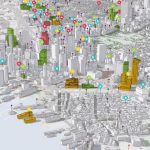
With the growing complexity of cities, conventional instruments of planning have difficulties keeping up with the speed of urbanization, climate changes, and changing social demands. Digital twins have played out as a daring technology in city planning in this context. A digital twin refers to the animated, simulated model of a real-life city or urban environment that constantly incorporates real-time sensor, satellite, and administrative data. Digital twins, as opposed to the master plans or the static models, develop together with the city, and offer planners the opportunity to simulate the scenarios, test interventions, and make evidence-based decisions.
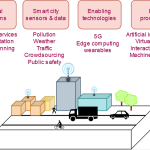
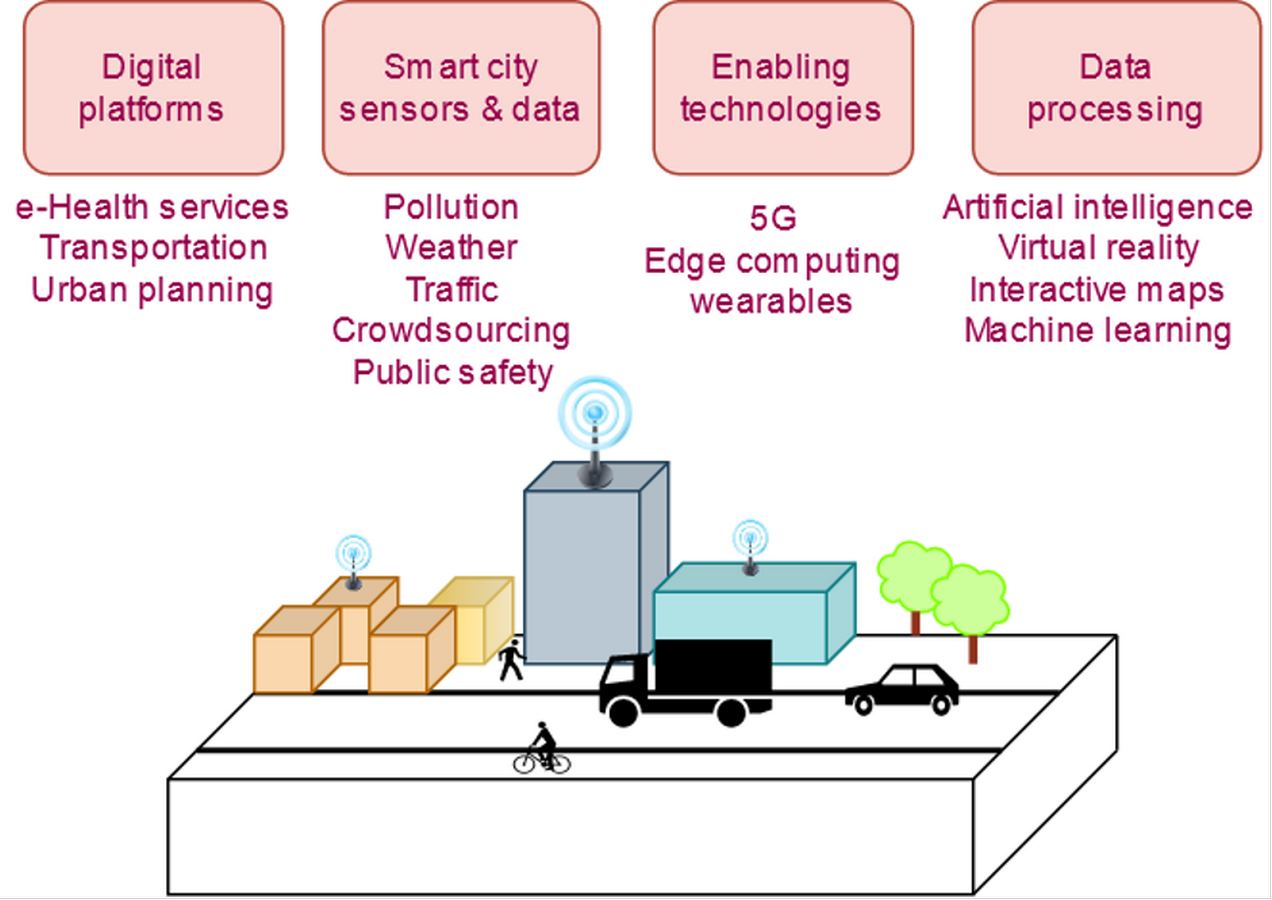
Fundamentally, a digital twin helps to fill the divide between the virtual and the real worlds. It is an integration of Geographic Information Systems (GIS), Building Information Modelling (BIM), Internet of Things (IoT) sensors, artificial intelligence, as well as data analytics to form a living model of urban environments. This integration allows the planners to see not just the shape of the city, but its behavior, the movement of people, the use of energy, how infrastructure works and how the environment will react to change.
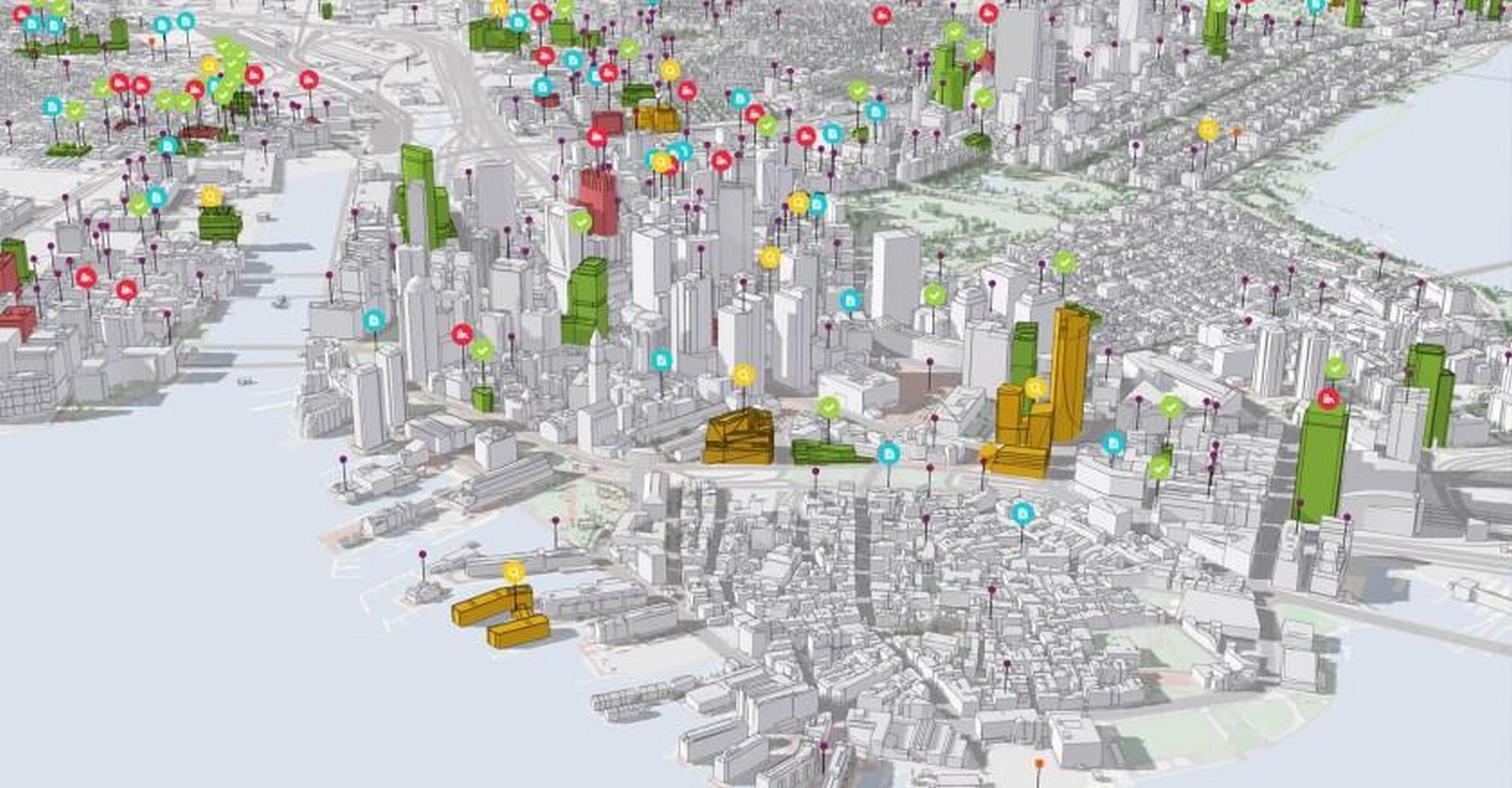
Urban Planning and Design Applications.
Scenario simulation is one of the most important types of digital twins used in urban planning. The planners are able to experiment on the effects of the new developments, transport corridors, zoning alterations or the spaces that are open to the people and then they can construct it. An example is the simulation of a proposed high-rise by a digital twin to determine its effect on wind movement, access to daylight, traffic congestion, or comfort of pedestrians. This predictive power lowers the expensive errors, minimizes the planning time, and enhances more sustainable decisions regarding designs.
Digital twins are also important in planning transport and mobility. Using data on real-time traffic, public transport usage and pedestrian movement, planners will be able to study congestion trends and assess intervention options like new bus routes, cycling infrastructure or congestion pricing. These simulations assist cities to transition to multimodal, low-carbon mobility systems and enhance accessibility and effectiveness.
Infrastructure Management, Environmental Resilience.
Digital twins in the context of environmental and climatic resilience provide potent means in solving emergent issues in urban settings. Cities are able to simulate floods, heat islands, air pollution, and consumption of energy during various climatic conditions. Planners are able to determine the effect of green infrastructure, more tree cover or reflective materials in reducing the urban heat or measure the performance of coastal defenses during extreme weather events. This predictive and adaptive capacity enhances the resilience of the city and promotes long-term sustainability objectives.
Digital twins also promote urban services and infrastructure management. Predictive maintenance and operational efficiency can be achieved through real-time monitoring of water networks, energy grids and waste systems, as well as buildings. This informational insight to urban planners is that development in the future is based on capacity of the infrastructure and not on straining the existing systems.
Governance, Participation and Ethical concerns.
In addition to technical efficiency, digital twins can change the governance and participatory planning. Digital twins enable citizens, policymakers, and any other stakeholder to comprehend the planning proposals better by visualizing complex data in easy to understand and interactive formats. Such transparency will aid in making informed citizenship and a more representative process in decision-making.
However, challenges remain. The quality and availability of data in cities and especially in developing settings differ greatly. The problem connected to the issues of data privacy, cybersecurity and governance should be handled with care. There is the over-dependence on technology as well, with planning being over-technocratic and unrelated to social reality. Digital twins must thus act as decision-support systems and it must be supported by human judgment, community knowledge and policy frameworks.
Challenge towards digital twin adoption in smart cities.
In addition to technical efficiency, digital twins can change the governance and participatory planning. Digital twins enable citizens, policymakers, and any other stakeholder to comprehend the planning proposals better by visualizing complex data in easy to understand and interactive formats. Such transparency will aid in making informed citizenship and a more representative process in decision-making.
The Future of Digital Twins in Urban Planning.
In the future, it is possible to expect the increased integration and adaptability of digital twins. The future systems would tend to tie together building-scale models and city-wide and regional networks so that planning on a holistic scale can be considered across scales. The current progress in artificial intelligence and cloud computing is going to enhance the accuracy of prediction and interdisciplinary collaboration.
Finally, digital twins are a transition towards proactive city management and are no longer reactive. They enable cities to learn in the environment of real time, react to uncertainty, and plan ahead. Digital twins can assist in creating smarter, more resilient, and more responsive cities as long as their implementation is done responsibly.
Citations:
- Tampere University, n.d. Digital twin concept in urban scenarios: Smart cities. Available at: https://projects.tuni.fi/a-wear/news/digital-twin-concept-in-urban-scenarios-smart-cities/ [Accessed 7 December 2025].
- Hooli, M., n.d. Digital twins and urban planning: Designing smarter, more inclusive cities. European-American Journals. Available at: https://www.ea-journals.org [Accessed 7 December 2025].