Historic environments embody cultural memory, local identity, and architectural ingenuity. Yet they also exist in a state of perpetual vulnerability to climate change, urbanisation, pollution, overcrowding, and natural ageing. As conservationists confront increasingly complex challenges, technology is emerging not as a replacement for heritage practice, but as an essential ally. The conversation is no longer about choosing between innovation and preservation; it is about orchestrating a symbiotic relationship where smart systems enhance the responsibility of tradition.
The integration of digital tools such as sensors, artificial intelligence, environmental monitoring, and building information modelling has transformed the way we understand, document, and protect heritage structures. These tools allow experts to intervene more precisely, more responsibly, and with greater foresight. From predicting structural fatigue to mapping deterioration, technology empowers conservation strategies that are proactive rather than reactive. Importantly, it does not undermine traditional craftsmanship; instead, it supports artisan knowledge by providing scientific evidence and real-time data.
Through case studies and design examples, it illustrates how innovation can safeguard authenticity, extend lifespan, and ensure that cultural landmarks remain resilient for generations to come. The future of preservation lies not in resisting technology, but in using it wisely.
Intelligent Monitoring: Preserving Structures Before Damage Occurs
One of the most transformative contributions of smart systems to heritage preservation is real-time structural monitoring. Historically, conservators relied on periodic inspections, which revealed damage only once it became visible. Today, intelligent sensors embedded discreetly within heritage buildings track humidity, vibration, temperature fluctuations, foundation shifts, and material stress, allowing experts to anticipate deterioration long before it becomes a threat. These systems also deliver an unprecedented degree of accuracy. By analysing years of environmental data, engineers can identify subtle behavioural patterns that would otherwise go unnoticed. This predictive approach makes conservation more sustainable, reducing the need for invasive physical inspections and minimising disruption to the building fabric.
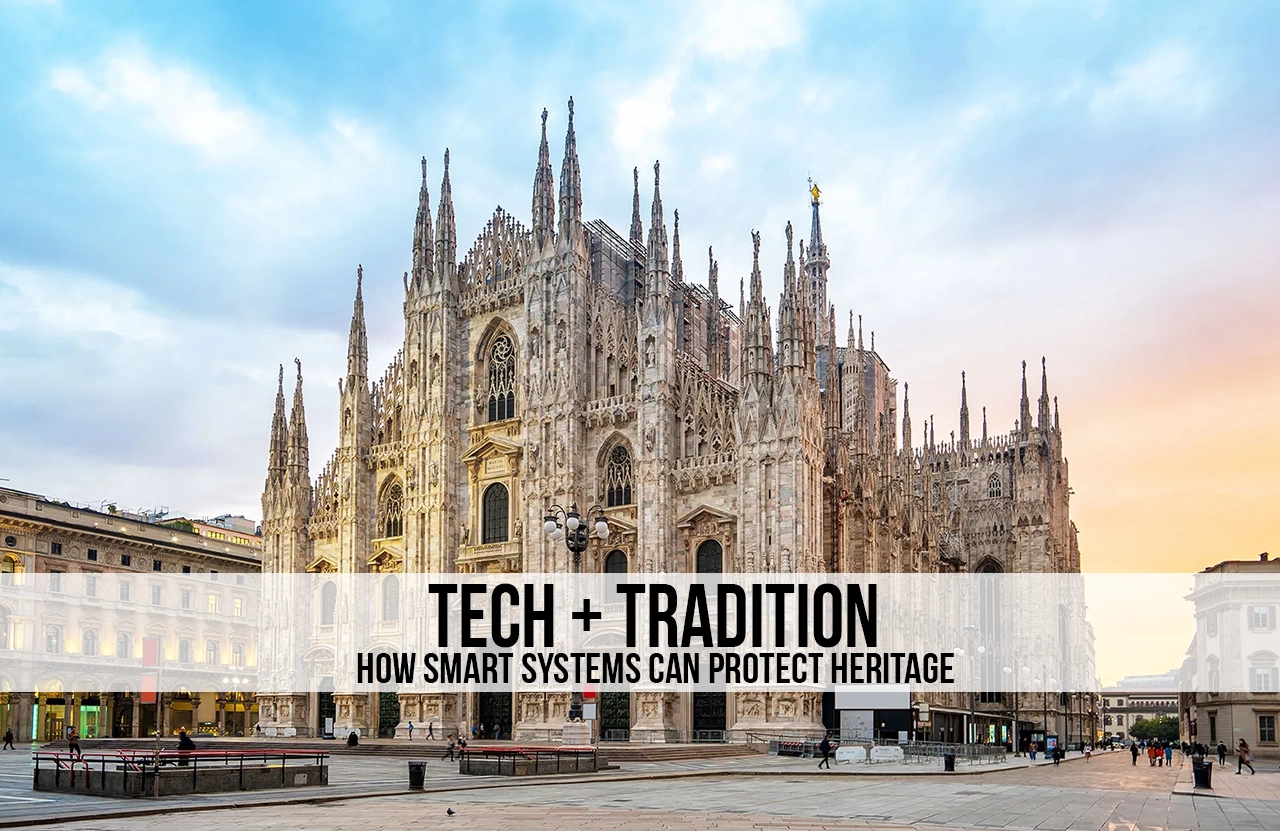
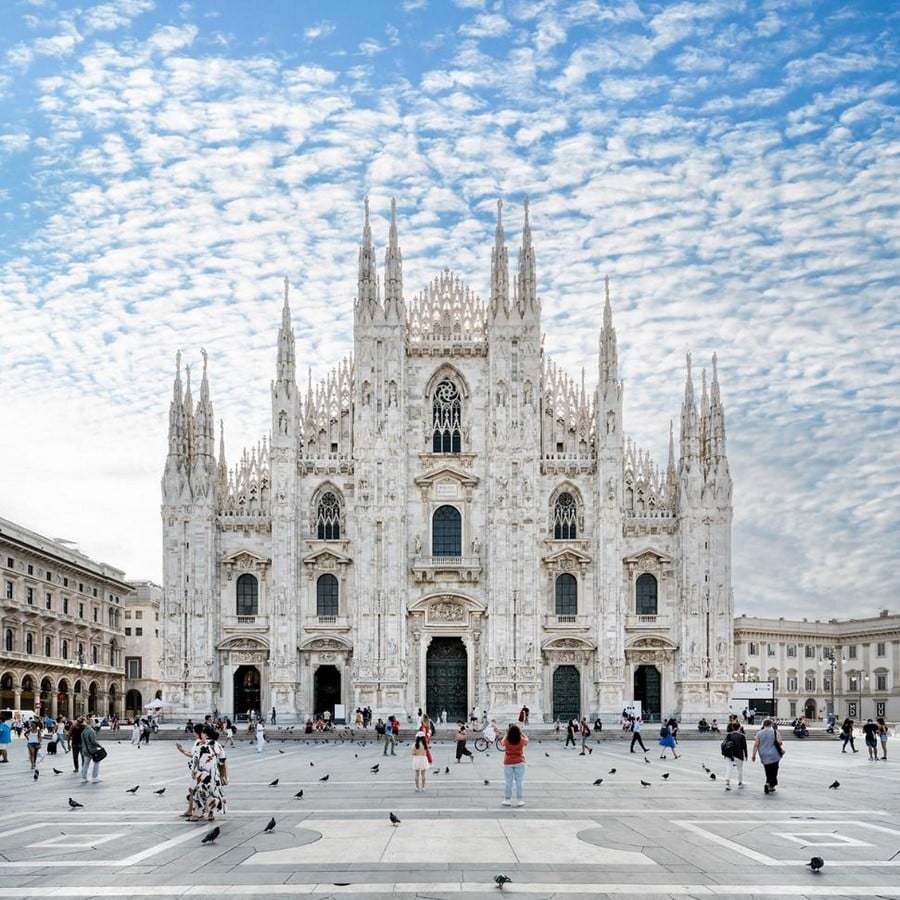
The Milan Cathedral employs a sophisticated network of sensors that monitor marble deformation, micro-cracks, and atmospheric acidity. The data feeds into a central digital platform, enabling engineers to schedule precise maintenance interventions. This system has significantly reduced long-term stone erosion and improved resource planning, demonstrating how technology can complement centuries-old craftsmanship.
Digital Documentation: Protecting Heritage Through Virtual Memory
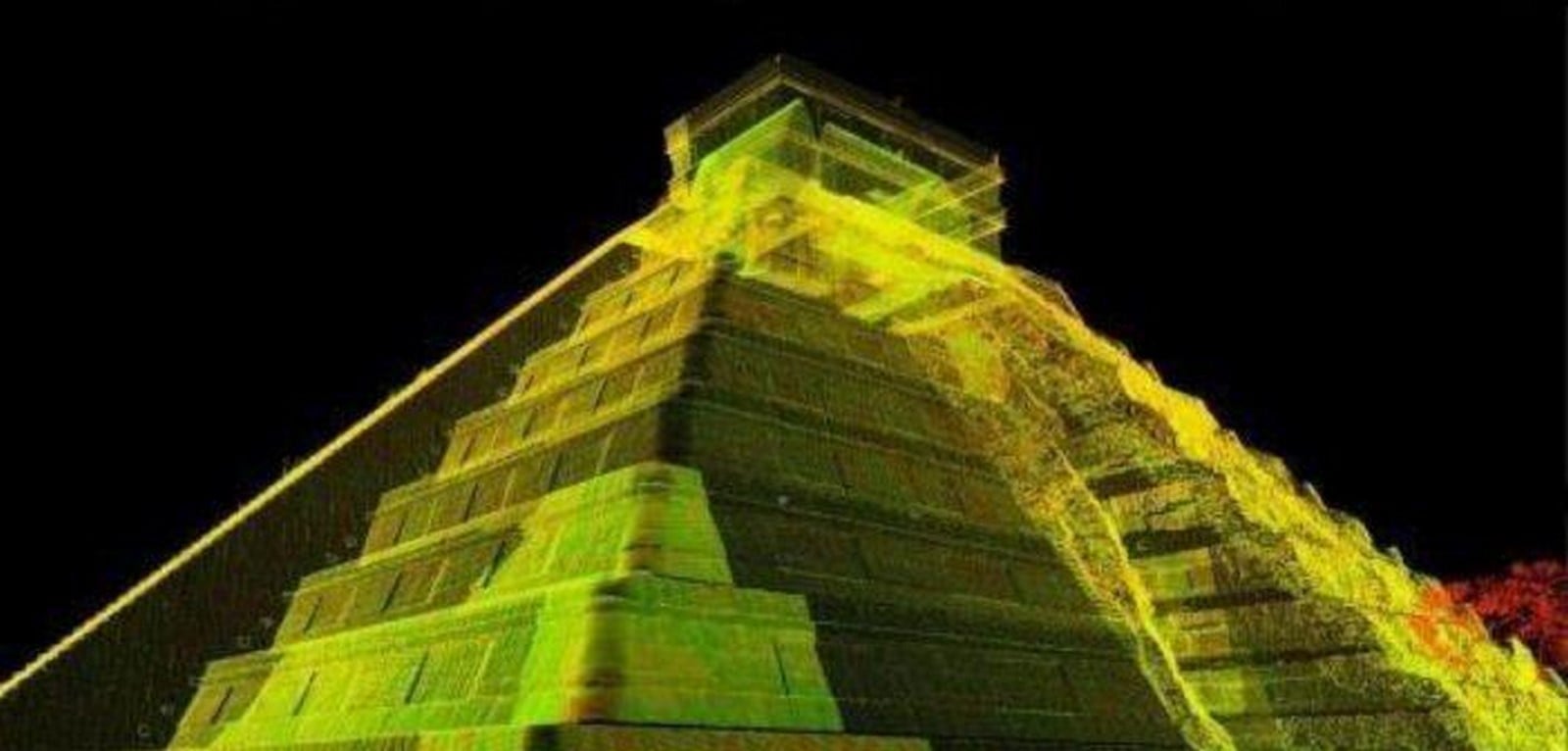
Digital documentation has transformed how we record and understand heritage contexts. Techniques such as 3D laser scanning, photogrammetry, and LiDAR mapping allow conservationists to produce precise, high-resolution models of historical environments. These digital replicas become invaluable tools in serving as archives, research frameworks, and reconstruction references in the event of damage. Beyond preservation, digital models make heritage accessible to broader audiences. Museums and archaeological sites increasingly use augmented reality (AR) and virtual reality (VR) to allow visitors to explore otherwise inaccessible or fragile areas. This reduces physical strain on heritage sites while enhancing cultural education. Importantly, digital documentation also supports traditional craft by providing artisans with highly accurate references of damaged ornamentation, stonework, or timber detailing.
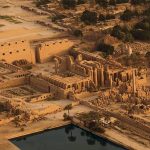
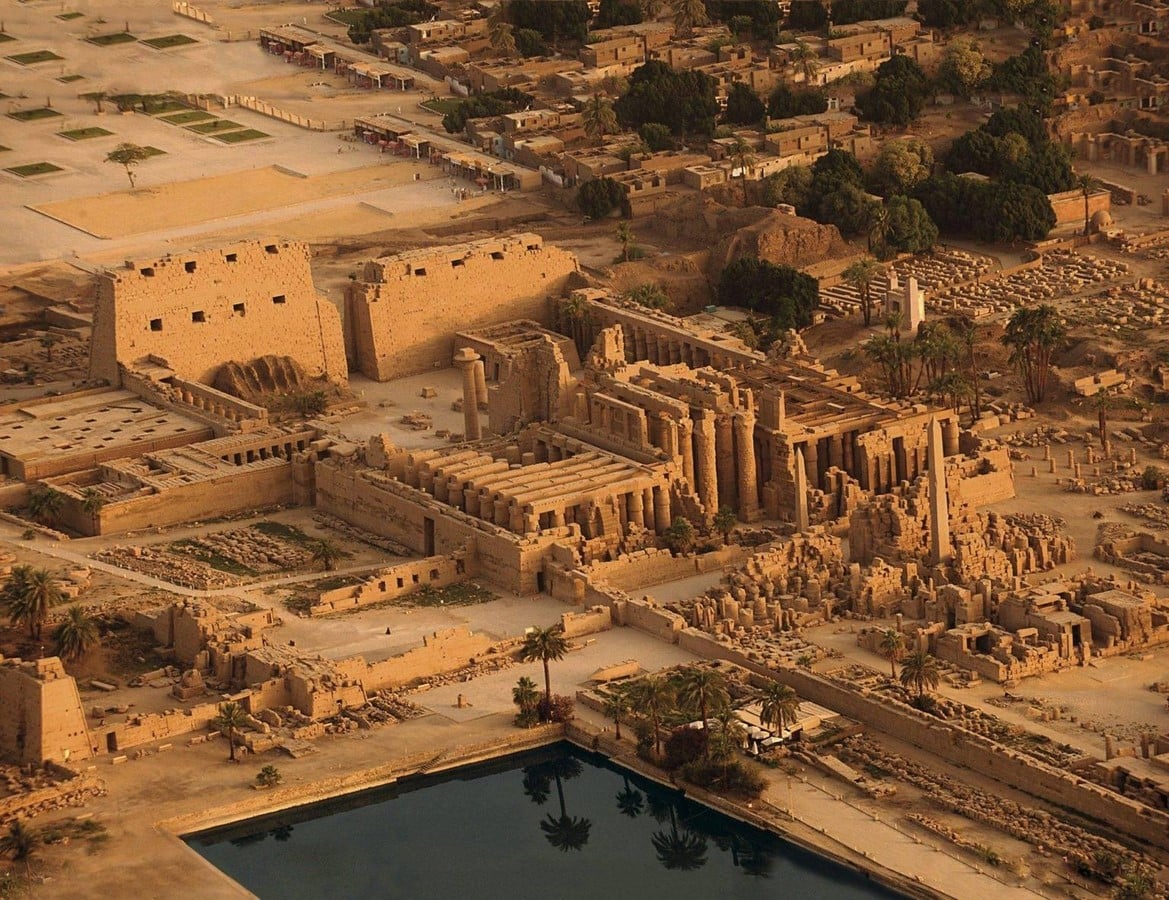
The ancient Karnak temple complex in Egypt has been mapped using LiDAR and 3D scanning to create an exhaustive digital model of its architecture, inscriptions, and surface wear. This model supports global research collaboration and assists conservators in studying erosion patterns, structural settlement, and past restoration mistakes. The digital archive is now considered one of the most comprehensive virtual reconstructions of an ancient site.
Smart Environmental Control: Balancing Conservation and Human Use
Many heritage buildings today function not only as historical artefacts but also as active public spaces. Balancing conservation requirements with visitor comfort is a delicate task, especially when mechanical systems introduce risks like excessive drying, condensation, or temperature imbalance. Smart environmental controls provide a nuanced solution. Using automated climate-control systems that respond dynamically to occupancy levels, external climate conditions, and material sensitivity, conservators can maintain stable indoor environments without over-reliance on intrusive machinery. These systems reduce the risk of mould, timber warping, pigment fading, and salt crystallisation, which are common threats to historical interiors. Intelligent lighting systems also reduce UV exposure while ensuring visually appropriate ambience.
The British Museum in London employs a centralised smart environmental management system that constantly adjusts humidity, ventilation, and lighting across its galleries. Sensitive rooms, particularly those housing manuscripts, textiles, and ancient wooden artefacts, use adaptive climate algorithms that balance visitor flow with conservation needs. This integration allows the museum to host millions of visitors each year while maintaining stringent preservation standards.
AI-Led Conservation: Predictive Maintenance and Risk Modelling
Artificial intelligence is pushing heritage conservation into a new era of insight and efficiency. Through machine-learning algorithms, AI can analyse data from sensors, weather models, historical records, and material studies to predict when failures or deterioration will likely occur. This intelligence enables conservation teams to allocate resources strategically, reducing costs while improving outcomes. AI also plays an expanding role in pattern recognition, helping experts identify structural cracks, surface erosion, biological growth, or material inconsistencies far earlier than the human eye could detect. Coupled with drones, robots, and automated image capture, AI can survey complex or hazardous environments with minimal intervention at the site.
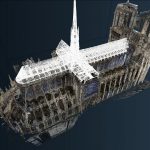
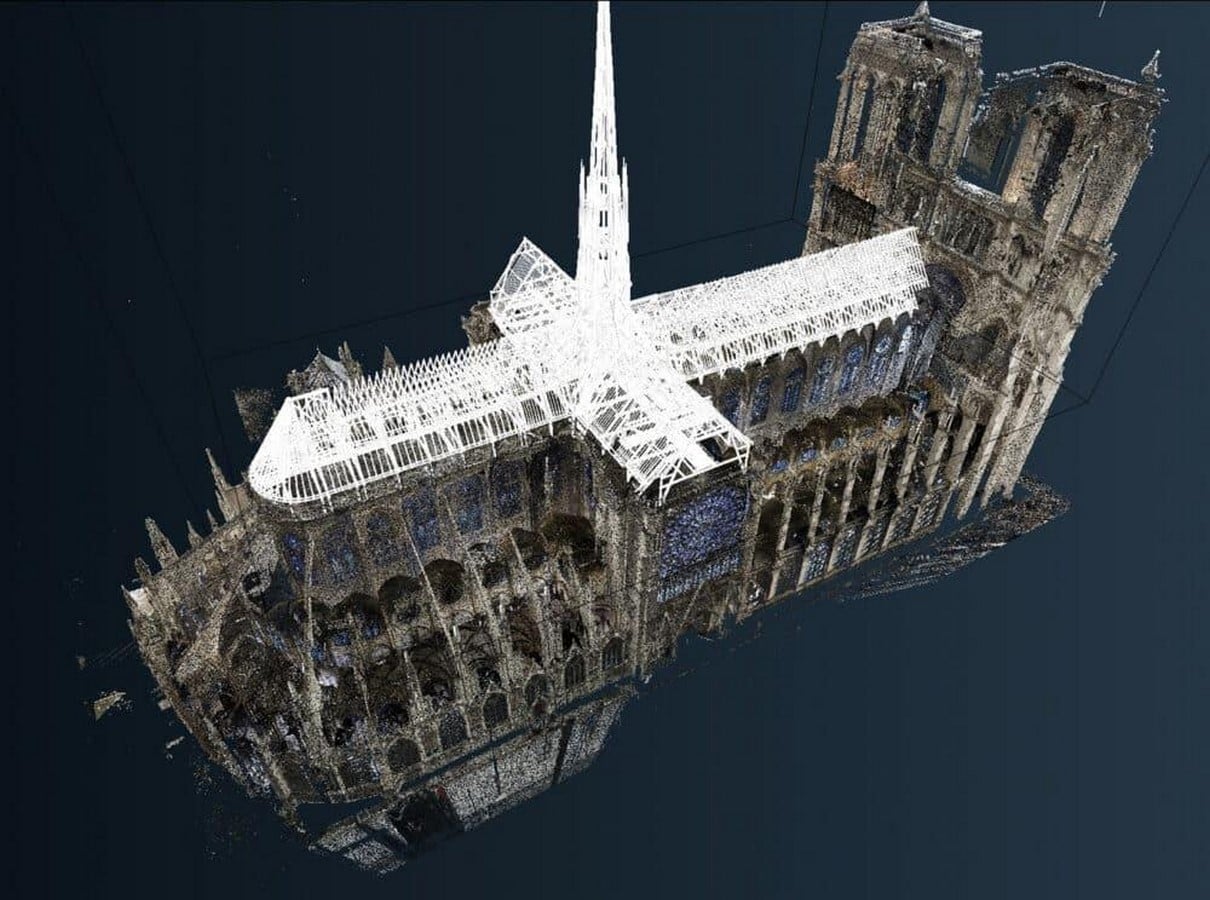
Following the devastating 2019 fire at Notre-Dame Cathedral, Paris, AI systems were used to assess stone stability, map surface fractures, and reconstruct missing vault geometry. Machine learning helped classify which structural elements could be salvaged and which required reinforcement. The digital data has been vital in coordinating artisans, engineers, and conservation experts during the cathedral’s restoration, demonstrating AI’s emerging role in heritage resilience.
The relationship between technology and tradition is no longer oppositional. Instead, it marks the emergence of a new conservation paradigm where innovation strengthens authenticity rather than diluting it. Smart systems like sensors, AI platforms, or digital duplicates allow conservators to work with greater foresight, precision, and sensitivity. They lighten the physical burden on fragile structures, offer more sustainable maintenance strategies, and reduce risk through early detection. Yet technology should never replace traditional knowledge. Craftspeople, historians, and conservation experts remain essential interpreters of heritage significance. Smart systems are tools that expand their capabilities, enabling them to preserve cultural memory in an increasingly unpredictable world. The goal is not to mechanise heritage, but to ensure its survival while respecting its material and cultural integrity.
As cities modernise and environmental threats intensify, the integration of technology becomes not a luxury but a necessity. When innovation is guided by respect for history, the result is a powerful synergy. It ensures the world’s most treasured places continue to inspire future generations. Tech and tradition, together, offer a path toward heritage that is both resilient and alive.