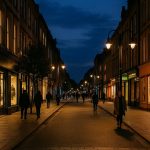
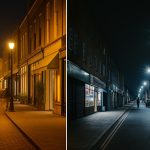
As dusk settles, the city transforms. Familiar streets take on new shadows, sounds amplify, and the urban landscape, once bustling, can begin to feel unwelcoming, particularly for women. The traditional response to safety concerns after dark has often leaned heavily on increased policing or harsh, glaring lights that create more anxiety than comfort. However, a growing understanding of urban design suggests a more nuanced and empathetic approach: one that harnesses the power of intentional nighttime urban design to foster a genuine sense of comfort and security. This article unpacks how thoughtful design, rather than surveillance, can reclaim the night for everyone.
The Psychology of Light: Beyond Illumination
Lighting is arguably the most critical element in shaping our perception of safety after dark, yet its application is frequently misguided. Simply flooding an area with bright, white light can be counterproductive, creating harsh shadows and an institutional feeling that can heighten anxiety. The key lies in understanding the colour and quality of light.
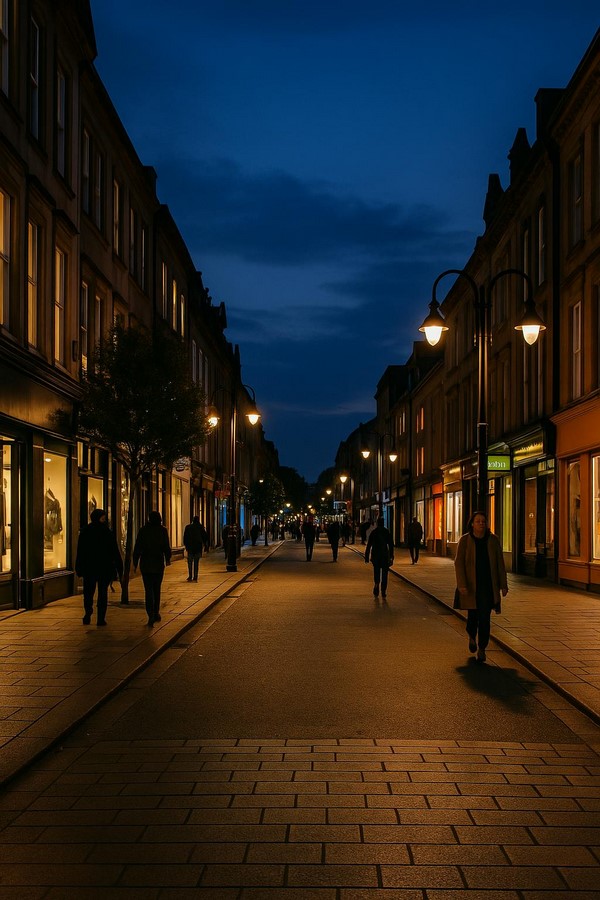
Warm light colours, typically in the range of 2700K to 3000K (Kelvin), are often associated with comfort, domesticity, and a welcoming atmosphere. Unlike colder, bluer lights (4000K+), which can mimic daylight and create a clinical, exposed feeling, warm light helps people feel more at ease. It enhances natural skin tones, making faces appear healthier and more approachable, which in turn encourages social interaction.
Equally important is vertical illumination. It’s not enough to simply light the ground; human faces, street signs, and architectural details at eye level must be adequately lit. This allows for clear facial recognition, a fundamental human need for feeling safe in social spaces, and aids in wayfinding. Overly bright overhead lights that don’t cast enough light upwards can create a “cave effect” where the ground is bright but everything above eye level is shrouded in darkness, making people feel vulnerable. Thoughtful fixture placement and controlled light distribution are essential to avoid glare, which can blind pedestrians and obscure potential threats, negating any perceived benefit of brightness.
Designing for “Eyes on the Street” and Active Frontages
The concept of “eyes on the street,” famously articulated by urbanist Jane Jacobs, posits that busy, well-used streets are inherently safer due to natural surveillance. After dark, this principle remains paramount, and it is here that active frontages and carefully considered edge conditions play a crucial role.
An active frontage means that buildings directly engage with the street, often through shops, restaurants, or residential windows. These spaces create a constant, albeit passive, human presence, allowing people inside to see and be seen. Closed-off facades, blank walls, or expansive car parks at street level create dead zones that feel deserted and insecure after dark. Designing for transparency and interaction at ground level, even with small retail units or community spaces that remain open into the evening, contributes to a vital, active streetscape.
Edge conditions refer to the boundaries between public and private space. Abrupt, harsh edges like high walls or dense, unmanaged shrubbery can create hidden areas where people feel exposed. Instead, permeable and well-maintained edges, such as low fences, clear landscaping, or ground-floor windows, extend the zone of informal surveillance. Clear sightlines are non-negotiable; designers must eliminate potential hiding spots or overgrown areas that might conceal individuals or create uncertainty for pedestrians.

The Tactile City: Materials and Wayfinding
Beyond light and active spaces, the physical fabric of the city also contributes significantly to after-dark comfort. Reflective materials used in pavements, building facades, and even street furniture can subtly enhance ambient light, reducing the need for overpowering illumination while brightening the environment. Materials like polished concrete, light-coloured pavers, or subtle metallic finishes can help bounce light into darker corners, creating a more uniformly lit and less intimidating space.
Wayfinding becomes particularly critical after dark when visual cues are reduced. Clear and consistent signage, illuminated maps, and distinct landmarks help individuals orient themselves and reduce feelings of disorientation and vulnerability. The texture and material of pathways can also play a role, making paths feel secure underfoot and distinct from surrounding areas. Even small details, such as strategically placed art installations or distinctive street furniture, can serve as memorable anchors that contribute to a sense of place and comfort.
Furthermore, integrating small late-night anchors, such as a well-lit cafe, a corner shop, or a cultural venue with extended hours, can inject life and perceived safety into a neighbourhood. These provide points of respite, gathering, and natural human presence, helping to extend the vitality of the city deeper into the night without requiring heavy policing.

Designing for Dignity After Dark
Creating safe and comfortable night cities is not about instilling fear or implementing excessive control. It is about thoughtful, human-centred design that understands how light, space, and materials shape our emotional and psychological experience of the urban environment. By prioritising warm, vertical illumination and ensuring a soft, inviting glow, urban designers can empower individuals to reclaim the night. This is achieved through simple, actionable steps like minimising glare with shielded fixtures, fostering active frontages and ground-floor transparency, and maintaining clear sightlines to eliminate hidden corners. Furthermore, by utilising reflective materials and light-coloured surfaces, designers can enhance ambient brightness subtly, while also establishing clear wayfinding through well-lit, consistent signage. Ultimately, the strategic placement of late-night anchors such as small, well-managed businesses creates a sense of continuous human presence. Designing for after-dark comfort is about dignity and inclusiveness. It acknowledges that a city’s vibrancy is measured not only by its daytime activity but by how safe and welcoming it feels to all its citizens, at all hours. By embracing these design principles, we can build cities where the night is not a barrier, but an opportunity for connection and comfort.

References:
Carmona, M. (2019). Public Places, Urban Spaces: The Dimensions of Urban Design. 3rd ed. London: Routledge.
Gehl, J. (2011). Life Between Buildings: Using Public Space. Washington, D.C.: Island Press.
Jacobs, J. (1961). The Death and Life of Great American Cities. New York: Random House.
Office for Metropolitan Architecture (OMA). (2020). Night Urbanism: The Design of the 24-Hour City. [Online]. Available at: (Note: This is a placeholder as OMA publishes various reports; a specific report on “Night Urbanism” would be highly relevant if found).
Philips Lighting. (2018). The Effect of Light on Well-being. [Online]. Available at: (Note: Philips and other lighting manufacturers often publish white papers on this topic).
The Women’s Design Service. (2000). Designing for Women: A Good Practice Guide. London: The Women’s Design Service. (Note: A historical but relevant reference for early insights into gender-sensitive design).