Purpose of this Article This article proposes Osmotic Architecture as a climate-responsive framework for rethinking human comfort in buildings. Drawing from the biological principles of endosmosis and exosmosis, it argues…


Purpose of this Article This article proposes Osmotic Architecture as a climate-responsive framework for rethinking human comfort in buildings. Drawing from the biological principles of endosmosis and exosmosis, it argues…

In many homes, the kitchen is not just a room where food is prepared. It is where the day begins and often where it ends. Conversations happen while cutting vegetables,…

Barbican was built on the ruins of World War II. A city within a city, envisioned to create a new urban identity for Londoners. The Barbican today houses three tower…

Architecture has the power to influence emotions, create safe spaces, and ultimately shape human connections. Therefore, when practised wisely with strategic focus on uniting communities, the built environment can reshape…

Cities often highlight their tallest towers, widest highways, and newest transit systems as symbols of progress. Yet these elements rarely define how people experience daily life. The real pulse of…

Origami comes to life in the Parisian streets at the Hexagone Balard, the Ministry of Defence’s headquarters. Here, architectural ambitions manifest in folded metal and shimmering glass. The building’s striking…

Architecture has never been a stand-alone element of the environment. It’s meant to keep evolving in response to the ongoing influences of local, cultural, societal, and political traits of the…

Urbanization is hitting India at a fast pace, which, arguably, is becoming increasingly difficult for cities to cope with, causing problems of limited space and resources, and most importantly, environmental…

When we think about architecture’s relationship with nature, our minds usually stop at sustainability: shiny panes of energy-efficient glass, low-carbon concrete mixes, or solar panels discreetly perched on rooftops. All…
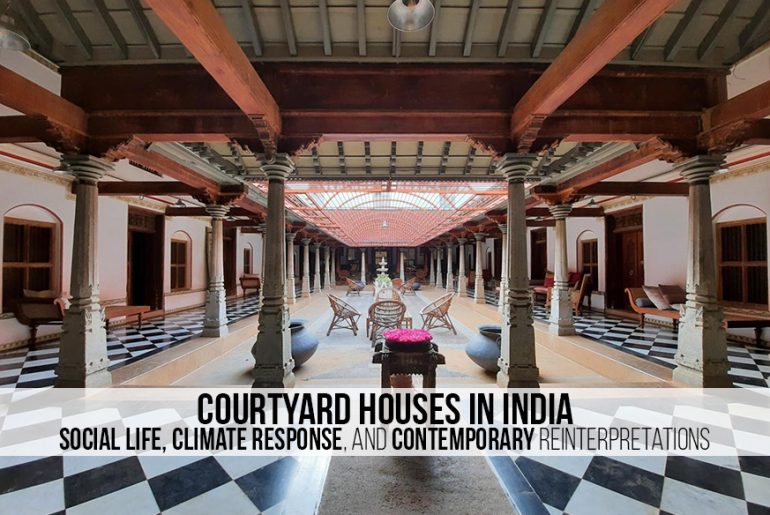
Indian architecture weaves space into the very essence of a structure, where the built and unbuilt interact as dynamic polarities, each enhancing the presence of the other. This intersection gives…

Architecture is an active record of the human past. Architectural styles reflect not only aesthetic choices but also technological advancements, philosophical doctrines, social structures, and climatic adaptations. Each period of…

The buildings and monuments we see around us give us a reflection of the styles, values, and beliefs that they carry. From the past to the present, the changes in…