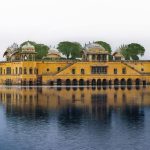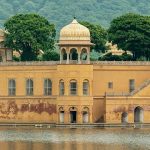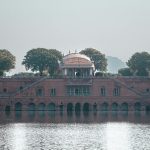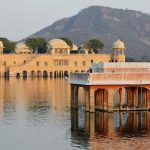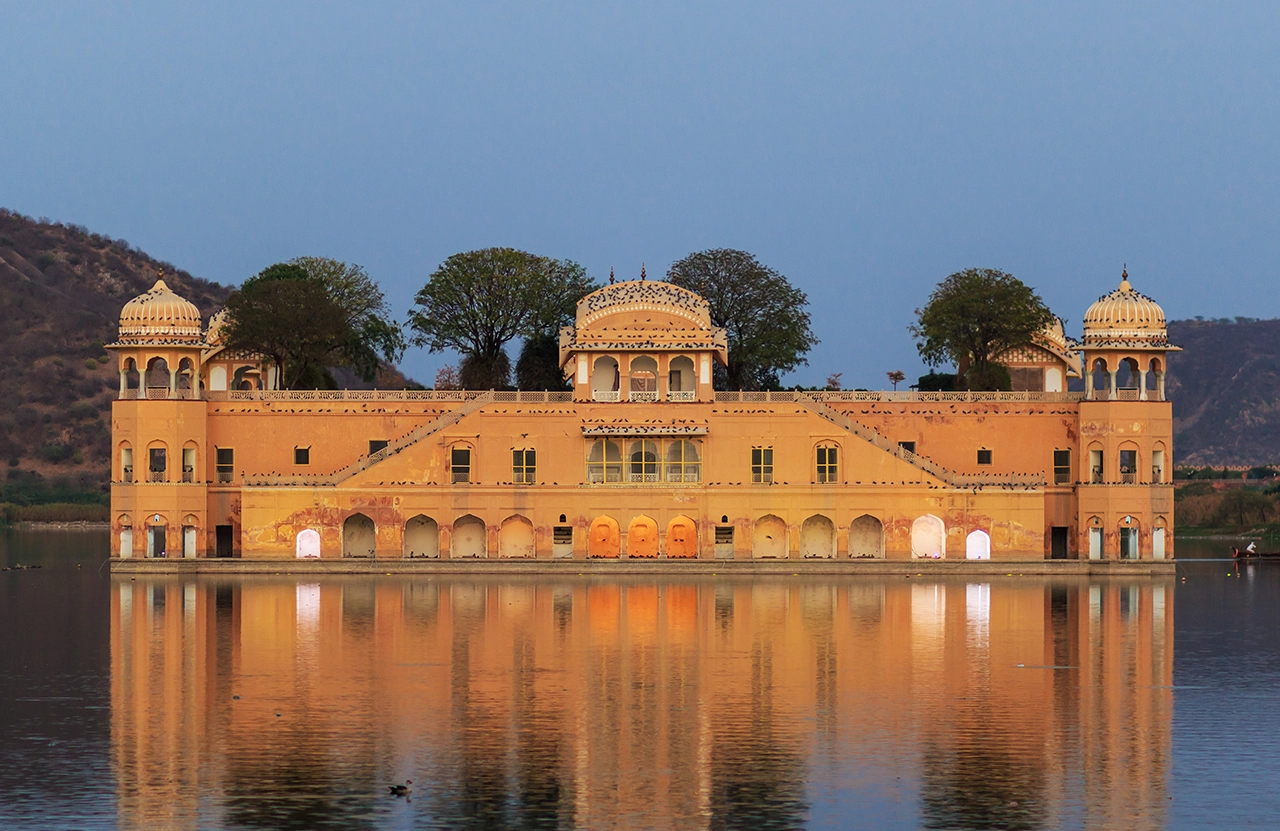
Jal Mahal, built in the 1750s by Maharaja Madho Singh I, served as a pleasure palace and a royal duck hunting lodge, rather than a residence. Literally translating to “Water Palace,” its 4 out of 5 floors are submerged in the lake throughout the year. Situated in the centre of Man Sagar Lake, the Jal Mahal makes a strong architectural statement that connects Rajput pride, Mughal influence, and modern urban ecology. This case study looks at the Jal Mahal not just as a monument, but it examines how it has served as a socio-political anchor that has influenced Jaipur’s urban landscape for centuries.
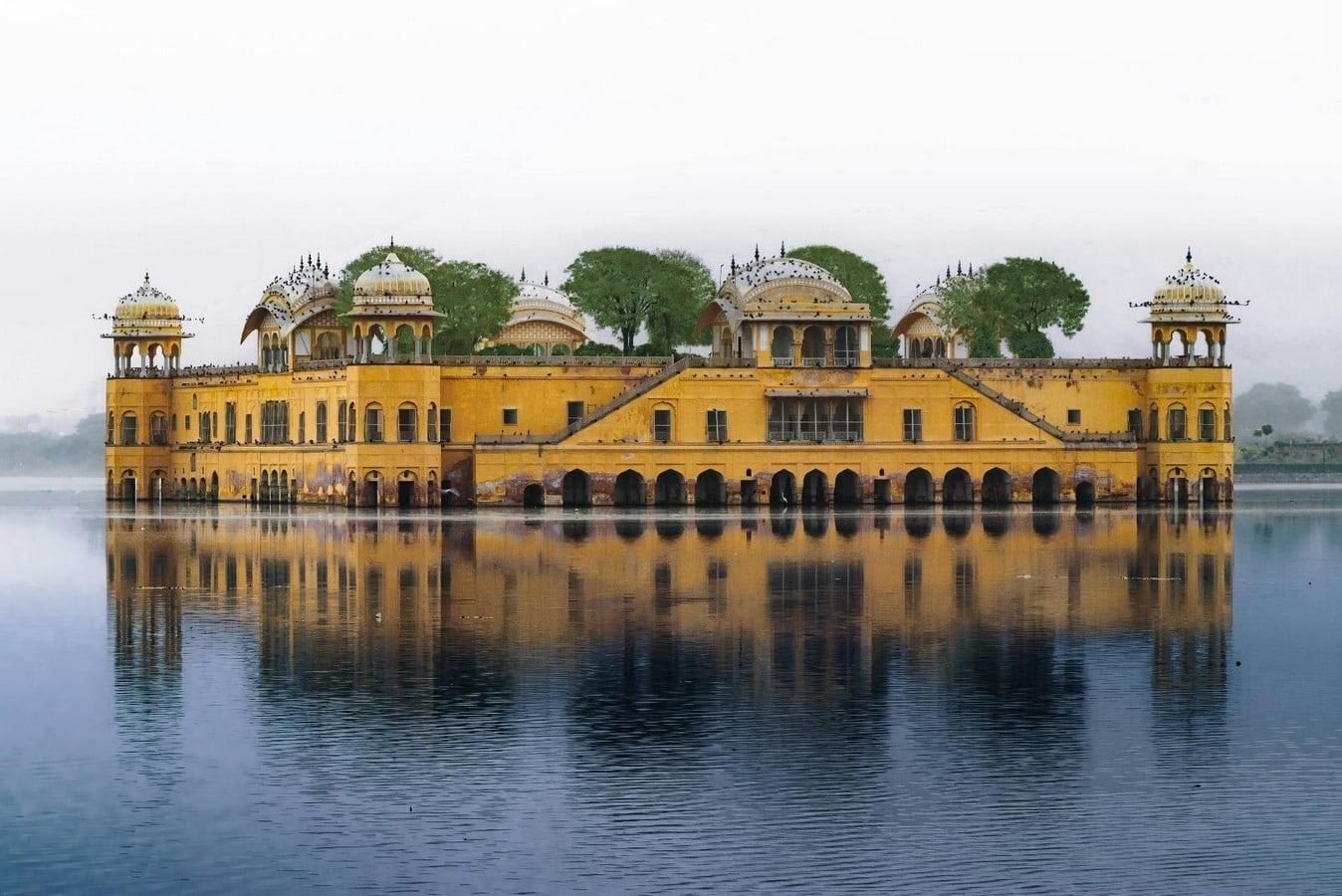
Architectural style of Jal Mahal
Jal Mahal represents the fusion of Rajput and Mughal styles, applicable to the cultural fusion during the 18th century under the rule of Rajputs allied with Mughals. The structure is largely made of red sandstone, with an accurate dry stonework in the visible top story, which is done through trabeated systems, with horizontal beams supported on pillars, and corbelled chhatris (dome pavilions). A remarkable point is that when the lake is full, four stories are underwater, and only the top story is visible. This needed advanced waterproofing in the 18th century, with a special mortar mixture of lime, sand, and surkhi (crushed bricks), which has been able to resist water pressure for the last 250 years.
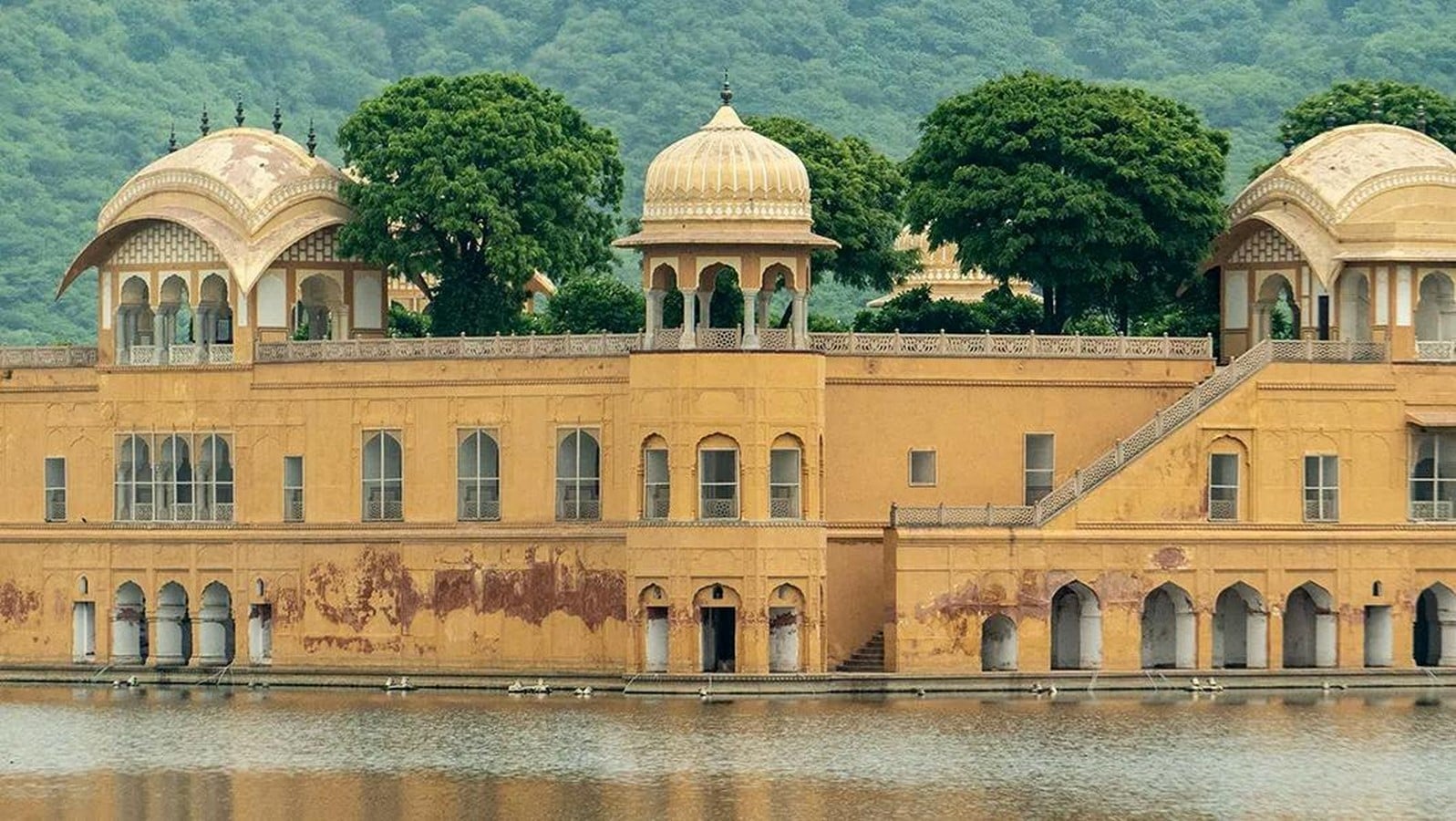
The architectural style represents the symmetry and fort-like stability of Rajputs, combined with the Mughal delicacy of jalis (lattice screens), arches, and balconies, which symbolized the political transactions during the reign of Sawai Jai Singh II. The structure was designed to withstand the harsh climate of Rajasthan, with natural cooling due to proximity to water, and with scaled proportions that contributed to stability, as its broad base resists overturning, symbolizing the ingenuity of the period’s hydro-architecture.
Social and Political Importance of Jal Mahal
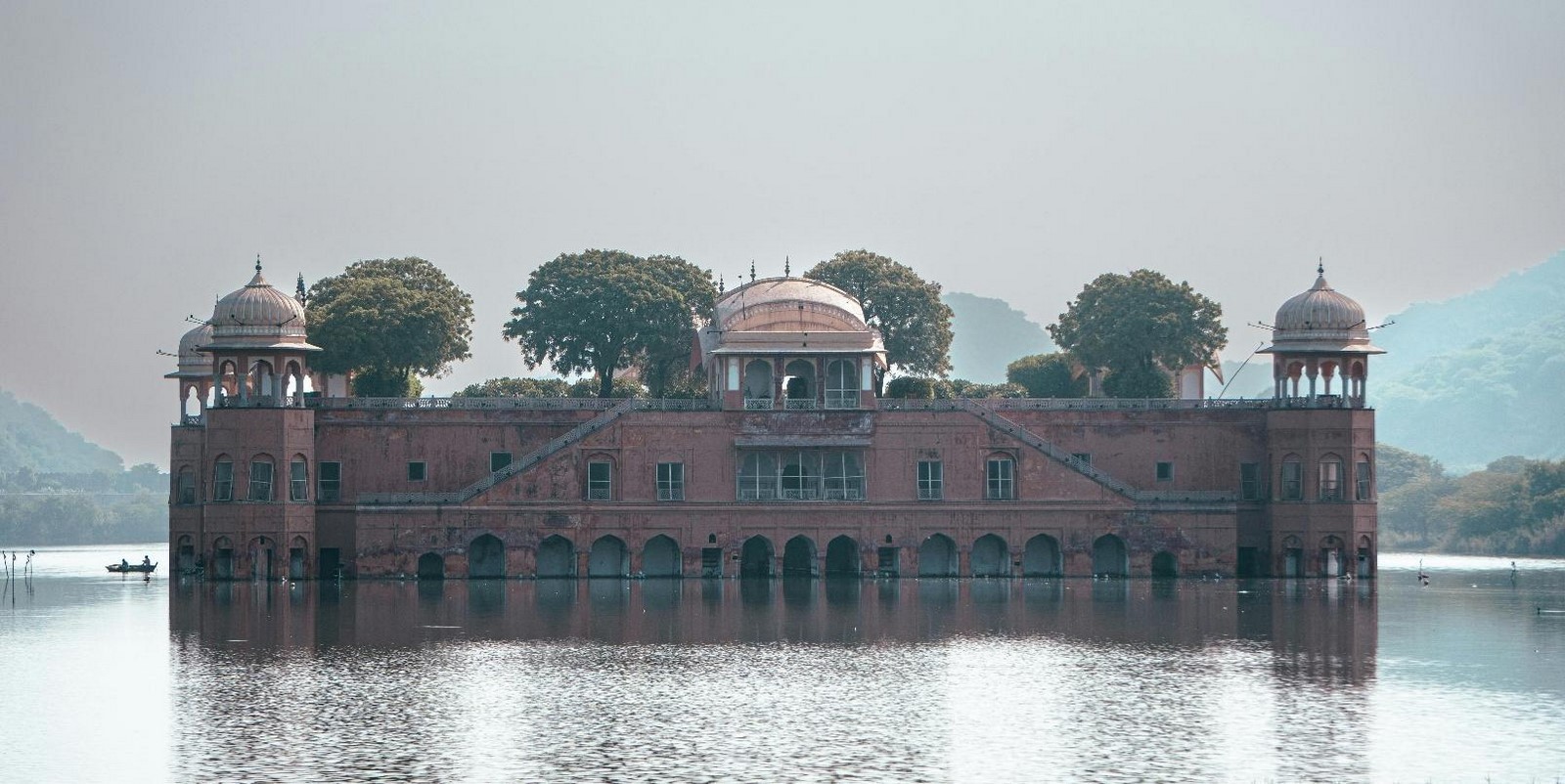
Jal Mahal served as a royal leisure spot that represented the Kachwaha power. It promoted the arts and demonstrated water management in a region prone to famine. The palace held events that reinforced social hierarchies through hunts, gatherings, and picnics. Politically, it represented Rajput shifts after aligning with the Mughal Empire. Along with Amer, Jaigarh, and Nahargarh, the palace created a cultural and defensive corridor. Local craftsmen and the community through lake-irrigated agriculture and festivals.
Today, Jal Mahal is a cultural icon that boosts heritage tourism, even without interior access. Restoration helps it fit into the modern identity and supports folklore, events, and eco-education. The nearby bazaars, amphitheatres, and hotels support local economies as Jaipur grows. Jal Mahal represents a sustainable approach to heritage, balancing the risks of commercialization with efforts to revive biodiversity.
Impact of Jal Mahal on Urban Fabric
Jal Mahal is situated between the centre of Jaipur and Amer Fort, on Jaipur-Amer Road. It symbolizes the northern boundary of Jaipur. Jal Mahal prevents the expansion of Jaipur by having a 300-acre lake with the Aravalli hills around it. Prior to the restoration, the pollution caused by nalas such as Brahmpuri affected groundwater and health. After the restoration in the 2000s, they diverted sewage, cleared silt, and developed nesting islands. This helped restore wetlands and support wildlife.
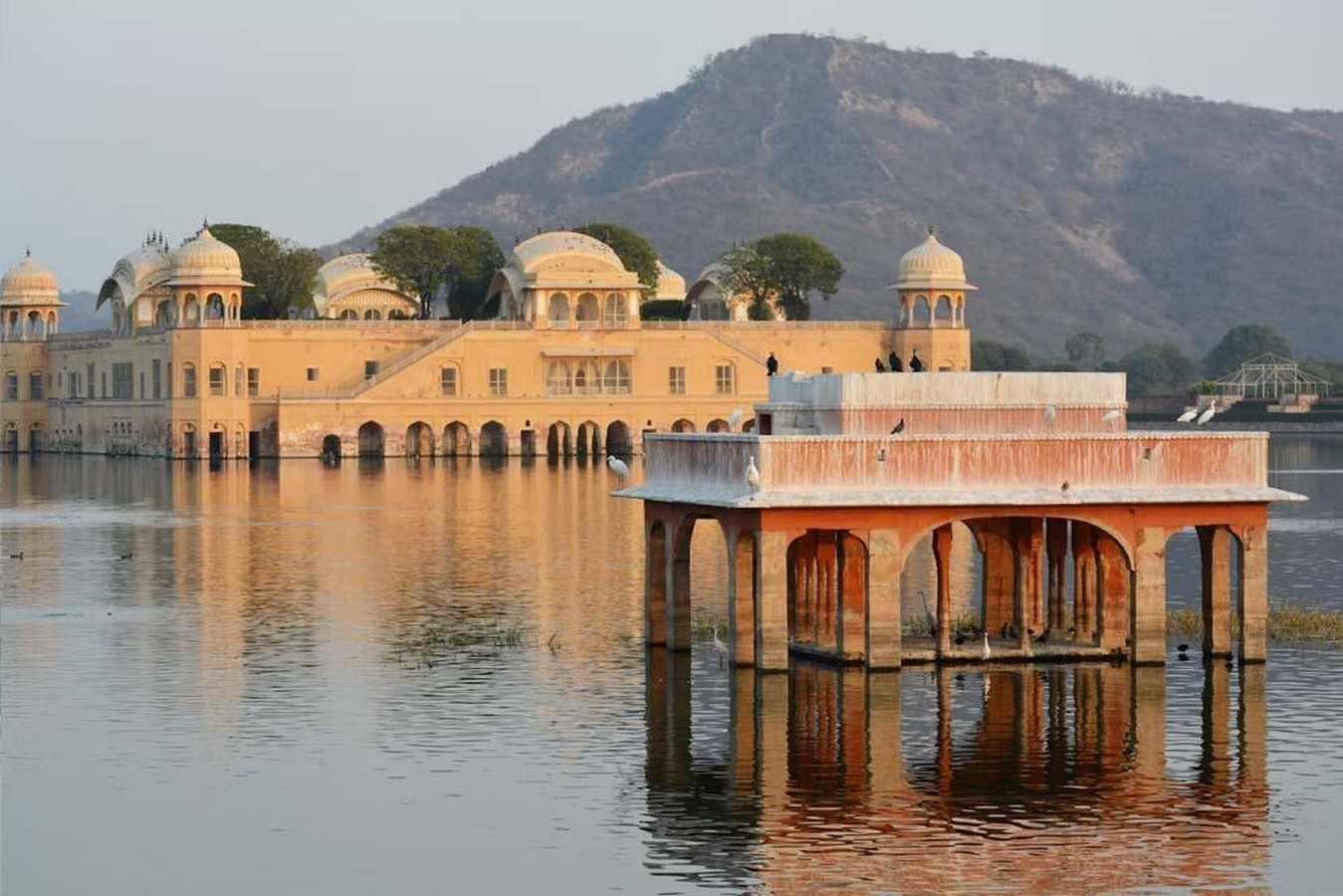
The Jal Tarang project, which covers 100 acres, includes the development of walkways, craft markets, hotels, and cultural villages. It also resulted in a 22% rise in foreign visitors and increased handicraft sales. It increases the visibility of Jaipur’s skyline from Nahargarh, supports green spaces, and is an example of Jaipur’s resilience. It transformed a polluted area into a vibrant spot that integrates heritage and nature, contributing to the decrease in erosion caused by deforested land. However, there are still issues such as microplastics from stormwater, but the project increases Jaipur’s attractiveness globally as the pink city’s gem.
Restoration of Jal Mahal
For several decades in the latter part of the 20th century, Jal Mahal was left to decay. The lake was used as a dumping ground for the city’s sewage, and the lower floors of the palace were affected by seepage and decay.
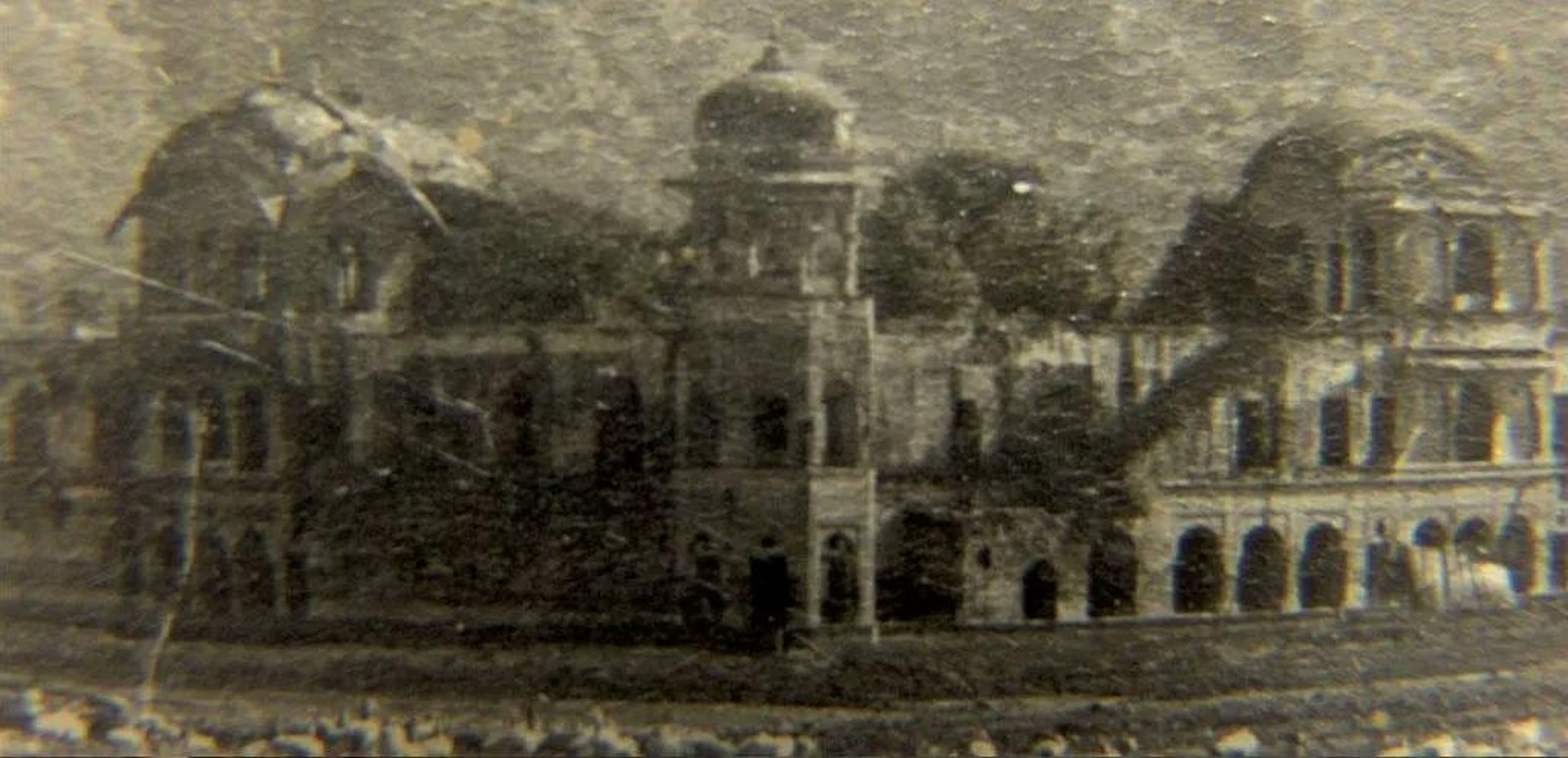
The renovation project that began in the early 2000s marked a turning point. It was more than just a restoration of stones. It was a political and environmental message. The lake was dredged, a water treatment plant was set up, and artisans were employed to restore the stucco work using traditional materials. This highlighted the fact that our perception of heritage has changed. Heritage is no longer just a monument; it is an ecosystem.
The Jal Mahal is more than just an architectural structure; it is a conversation between the land and the water, the monarchy and the people, and the past and the future. Historically, it was a representation of the power of the Rajputs. Today, it symbolizes the strength of the city.
The Jal Mahal’s influence on the cityscape is immense, shaping the traffic flow, the conservation of the Aravalli slopes, and the viability of the tourism sector. As Jaipur develops into a bigger city, the Jal Mahal is a witness that silently reminds us that heritage is not just about what we construct but also about how we live with nature.