The future of remote work in the architectural and design industry lies in the hands of the employees. It depends on what architects are willing to fight for and the kind of work-life balance they want. The past, especially in architecture school, is full of grinding hustle culture. But is that really necessary anymore? The pandemic has given every field a taste of what a remote office life could be like, and some firms chose to continue that life while others reverted to the old ways as soon as they could.
More Voices
In the architectural and design industry, remote work theoretically means architects could be located anywhere in the world. Therefore, firms can focus on hiring the people they need, like experts, even if they’re not nearby. It also allows women, who have often had to choose between family and career, greater freedom to grow in their profession. Overall, the switch to remote and digital work can provide more opportunities for potential architects and benefit the firm’s success by allowing them to hire the best candidate for the job, regardless of geography.
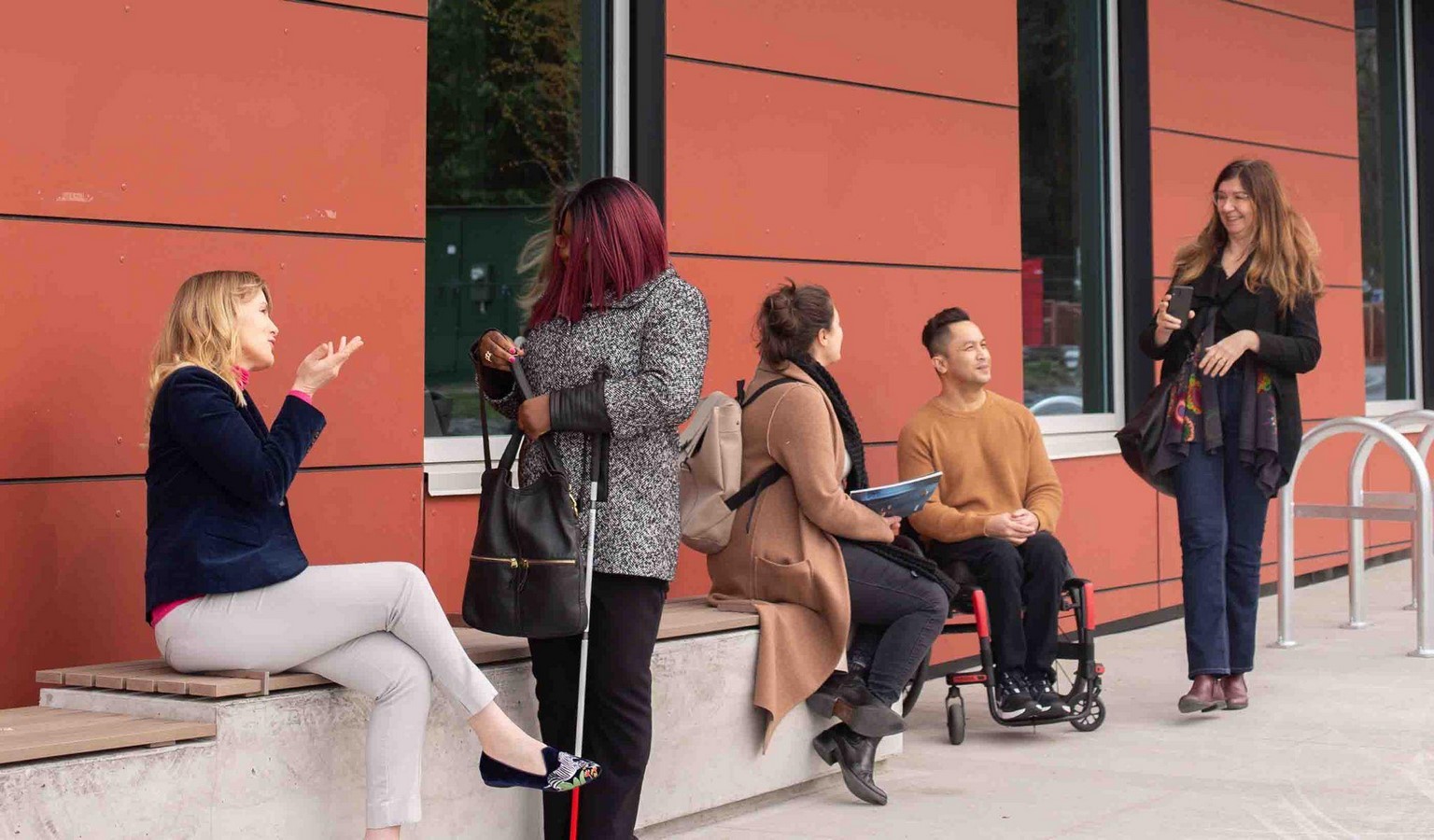
One of the greatest benefits of allowing remote work in the architectural and design industry is the opportunities it creates for those with disabilities to join the profession. Something like an invisible illness or mobility issues can be hard to navigate by itself, let alone trying to make an income. And rather than giving up their passion for architecture, the flexibility of remote work could alleviate some of the burdens people with disabilities face in getting to the office in person. Architecture can only thrive when more perspectives join the conversations.
Job Satisfaction
The architectural and design industry would be nothing without its people. The designers are what make this field work. When the employees are unhappy, either one of two things can happen. They stop caring and put less effort into their work. The architects no longer do their best because they feel it’s not worth it. Their bosses notice or even worse, the clients do, and maybe they decide to go another direction. Or, they can quit. An architect can leave and find another job at a firm that appreciates them more.
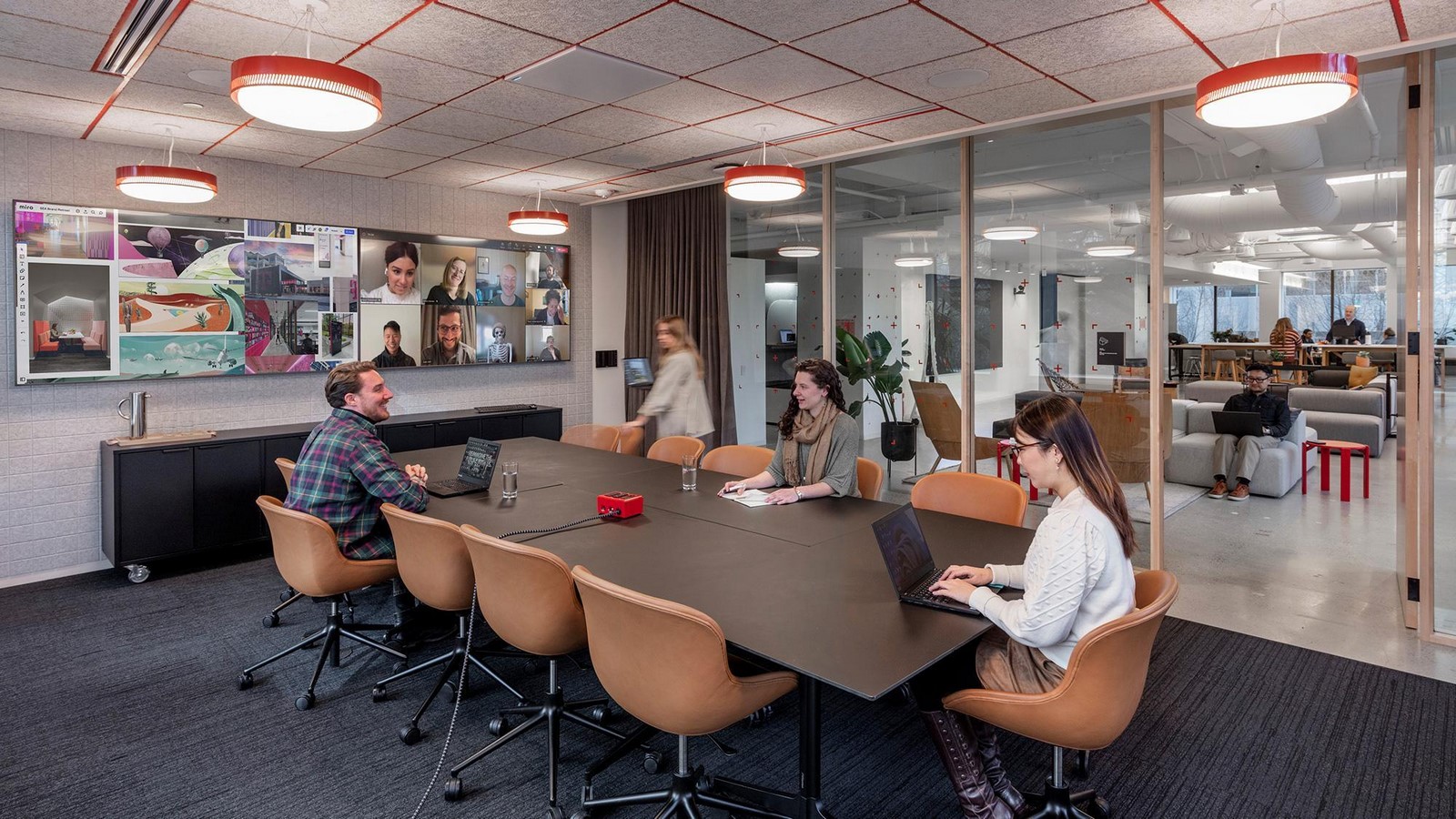
In the architectural and design industry, firms that offer remote work flexibility can improve employee satisfaction. Maybe an employee is struggling because they have to look after a sick family member, but they can’t afford to take time off. Working remotely can help solve this issue, as they can take short breaks throughout the workday to check on their family instead of hovering by their cellphone in the office. Commutes are another daily stressor employees face, which is eliminated when they don’t have to go to the office. Lastly, there’s the simple factor of the choice. People like to feel they have some control over their decisions, and being able to decide for themselves whether to go into the office or stay home can greatly benefit their mental health in the long run, thus improving job satisfaction.
Improving Technology
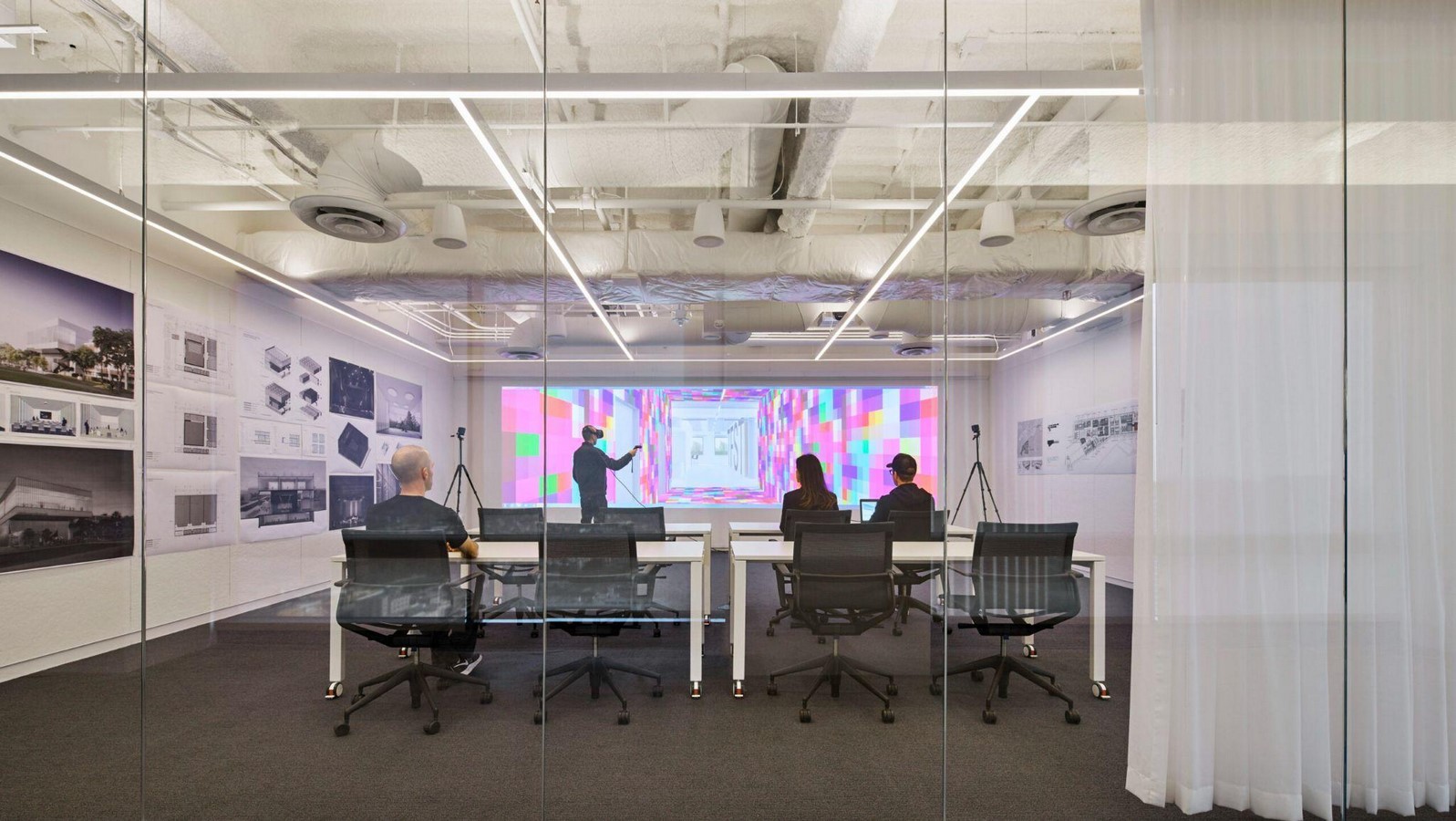
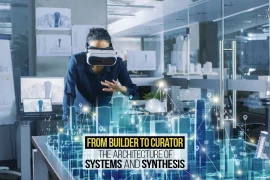
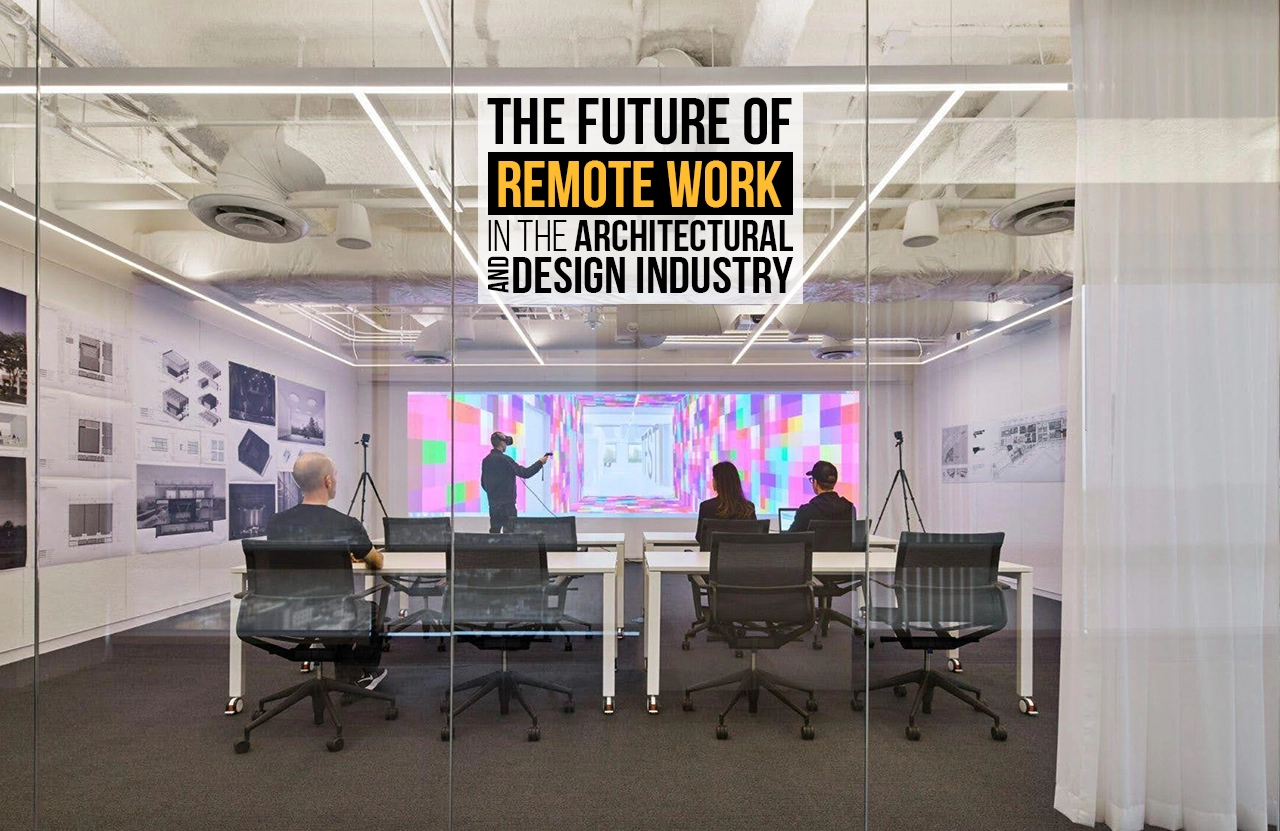
It’s safe to say that the technology that continues to improve will only benefit the architectural and design industry in the long term. From digital design programs to communication methods, architecture is always trying to stay up to date. Common BIM programs like Revit or Archicad can implement cloud-based systems that allow employees to share and work on drawings simultaneously, regardless of location. There is also VR technology that allows users to envision walking through designed spaces. While these new technological advancements might initially be expensive to use, as they become more commonplace, they will become less costly for the firm.
Collaboration
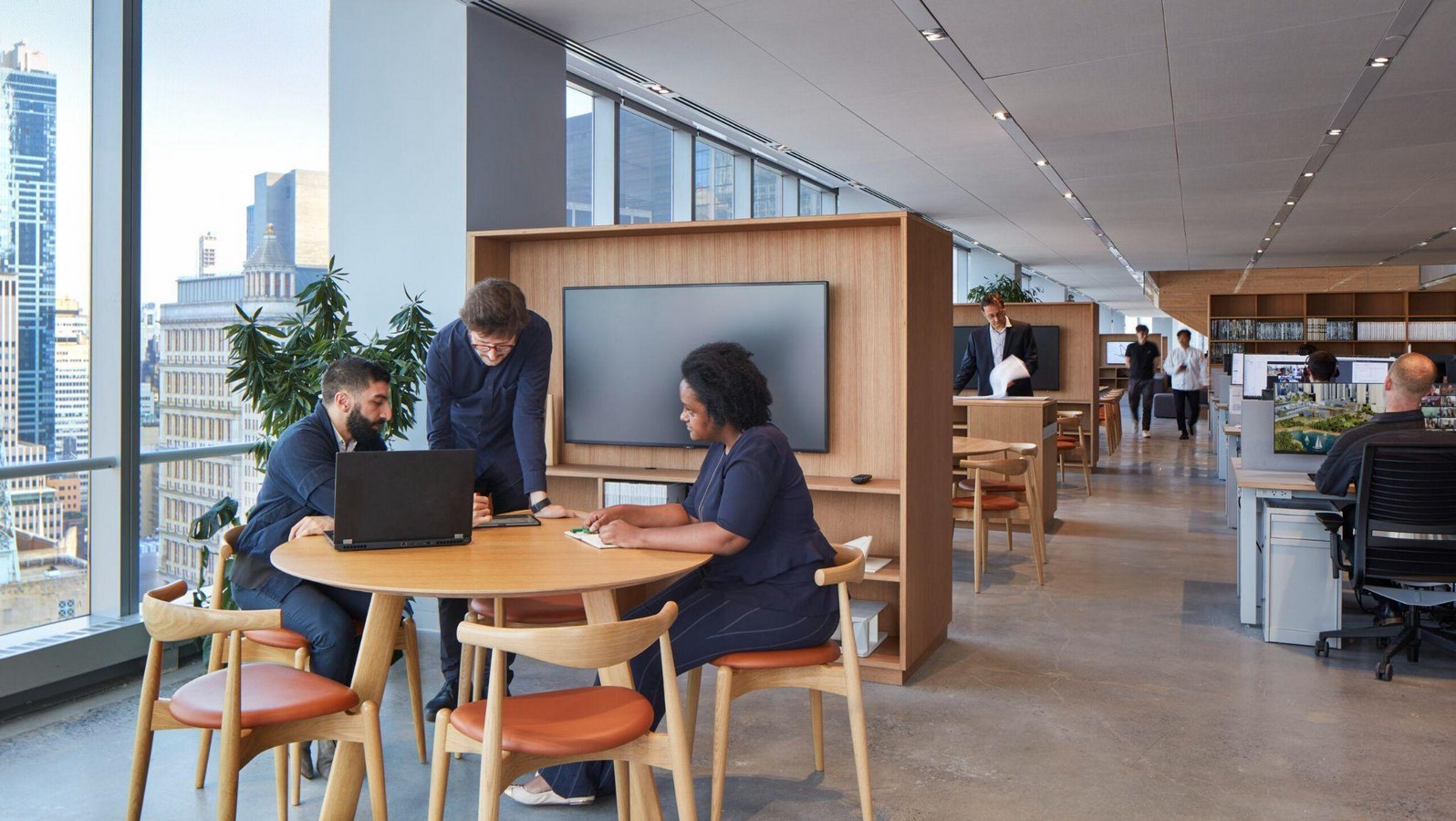
Despite the many benefits of working remotely in the architectural and design industry, the main drawback is the lack of collaboration. Yes, it’s still possible to communicate through Zoom meetings, email, and direct messaging, but nothing beats the feel of in-office work, especially during those early years for new emerging professionals. There is so much to learn that architecture school doesn’t teach students about the real working world. Learning through osmosis in an office setting is more beneficial than sitting at home alone using spare time to scroll on a phone rather than chat with a more experienced colleague.
The Future is Flexibility
In the end, the future of remote work is flexibility. Architects are humans, not robots. The architectural and design industry will thrive if given the chance to treat its employees like people and let them choose what works best for their situation. Architects who are given a choice in where and how they work will have greater job satisfaction, leading to less turnover and better work production for the firms. Architects can make this change if they want to. It’s up to them to determine the future of remote work in their field.