Vincent van Gogh remains one of the most enigmatic and influential figures in the history of Modern Art; a pioneering visionary whose work laid the very foundations of modernist thought and emotional expression is his field. Yet, during his short lifetime, he never received any appreciation or validation from his peers, and very few even understood the depth of his masterpieces while he was alive.
He lived for a very short period, from 1853 to 1890, and dedicatedly practised art for an even smaller period of time, mainly during the final decade of his life. All his masterpieces, that we know of today, came from this short phase of his life only. It is said that he painted vigorously, almost every other day during these years, finishing canvases that we regard as masterpieces today, in just a few hours.
Van Gogh’s life, although short, was a tough and tormented one and for him, art was never about creating masterpieces but like a therapy or an escape from his reality. For him, these exercises of painting daily objects and scenes around him, including himself, were a way of intense emotional expression and hence, these paintings became a sort of window into his mental and emotional state of mind then. These paintings carry great meaning to them, if understood deeply. In this article, an attempt would be made to uncover how one could establish a link between his self-portraits and architecture and in a way, curate an experience out of a 2D painting.
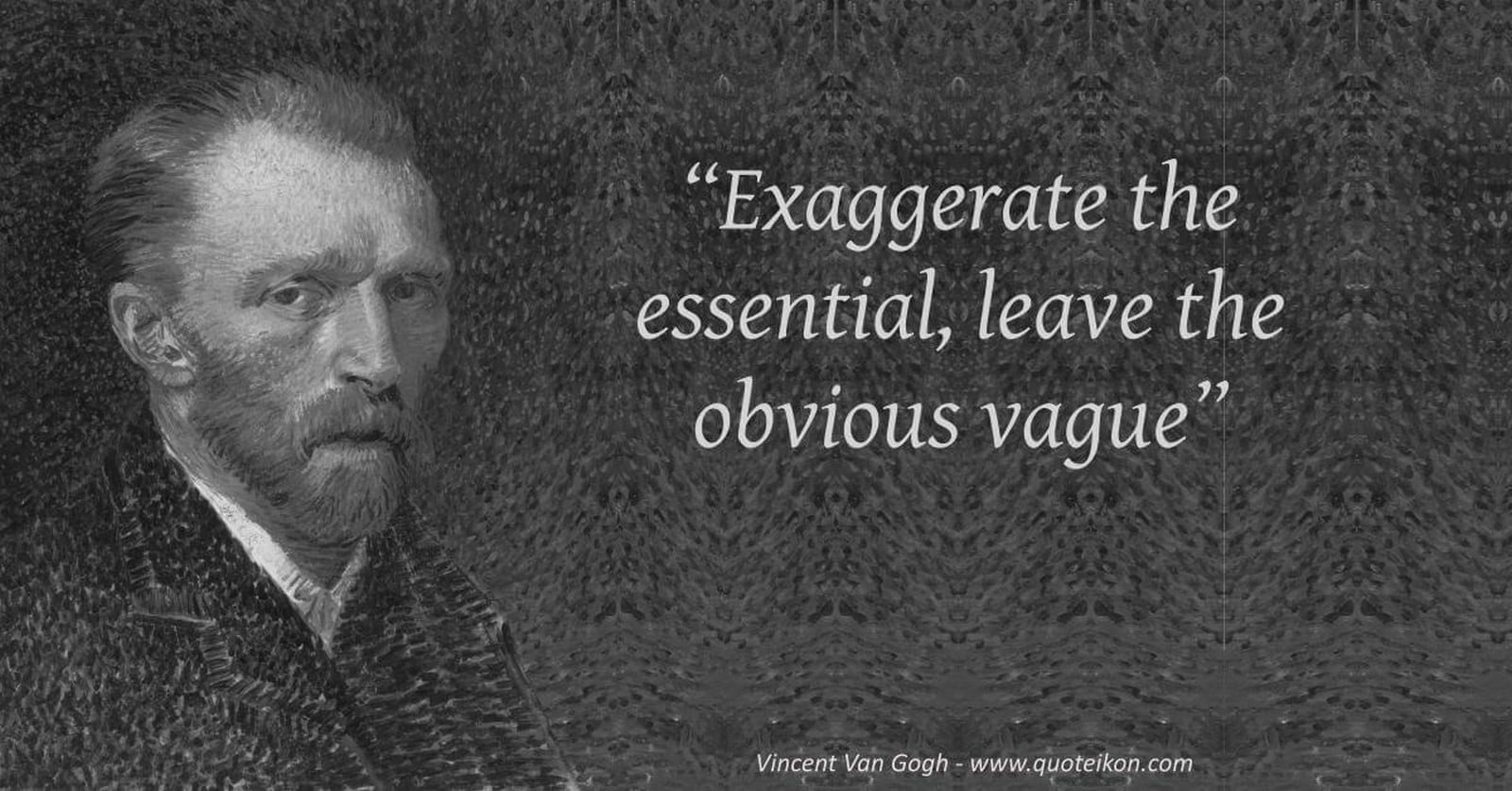
Knowing the man in the portrait.
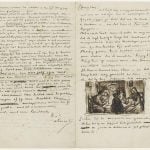
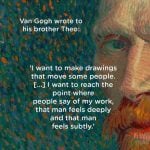
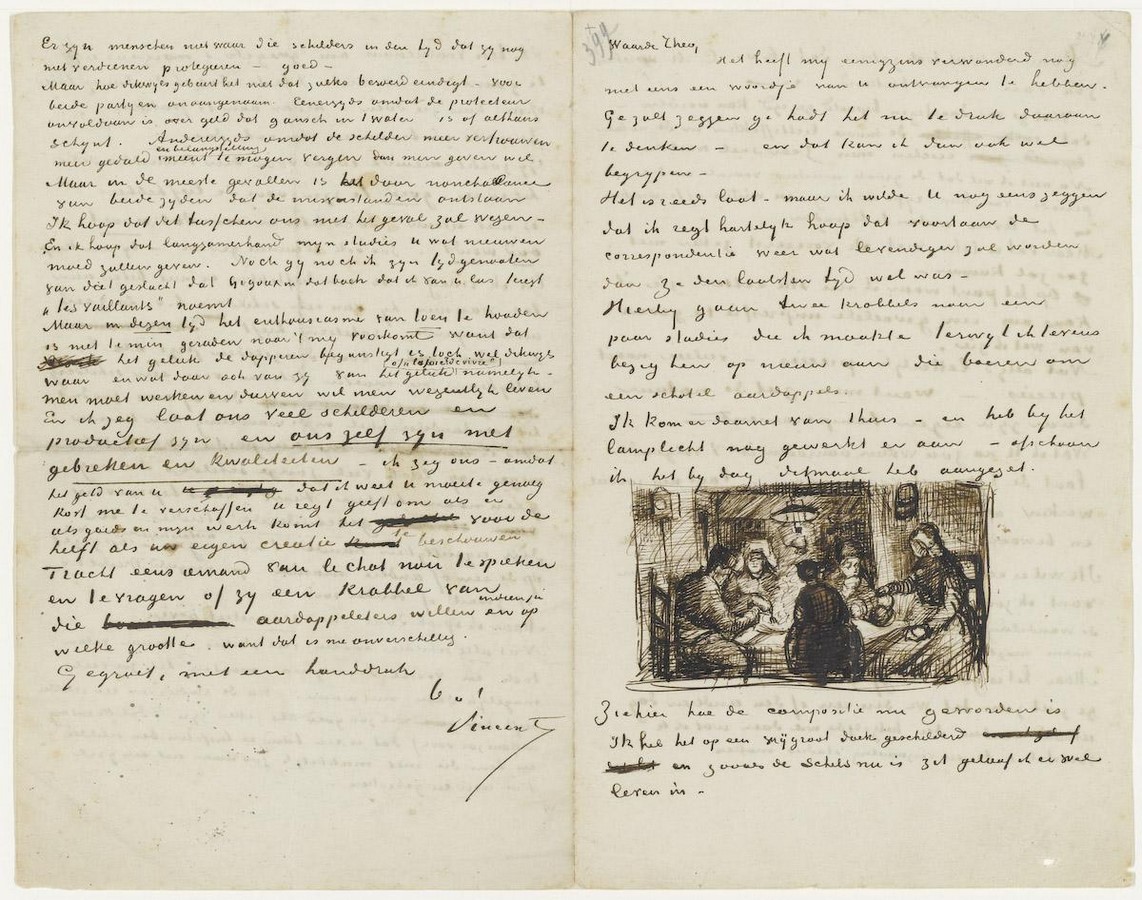
Vincent was an artist at core, a deeply sensitive person, and someone who was way ahead of his time intellectually and professionally. This also led him to be a misfit in society, in general, but he always found both emotional and financial support in his brother, Theodore van Gogh. Vincent expressed a lot of his feelings and emotions in the letters he wrote to his brother regularly. These letters have been instrumental in understanding the artist and his struggles and aspirations better.
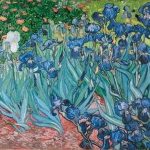
Vincent is believed to have faced multiple harrowing mental health disorders. Modern scholars believed he could have been facing what we now call ‘bipolar disorder’ with attacks of epilepsy. Due to the failures he faced in his career and relationships at the time, he was also in a depressive state of mind for a major part of his last few years. He often wondered about his place in this world and always felt different and misunderstood. Despite such a mental condition, it is important to note that Vincent was an incredibly intelligent, well-read and articulate person with fluency in 4 languages and a deep knowledge of Art History. Most of the prime of his life was spent in isolation in a mental asylum in Southern France called Saint Remy’s. It is believed that he benefited from this period of isolation, where he was constantly surrounded by only the things he loved, which were his Art and nature. He painted a lot of landscape, flowers, trees and fields during his walks through the surroundings at Saint Remy’s. At the time, he also believed that it was only his fervour for art that could save him from his struggles and help him recover.
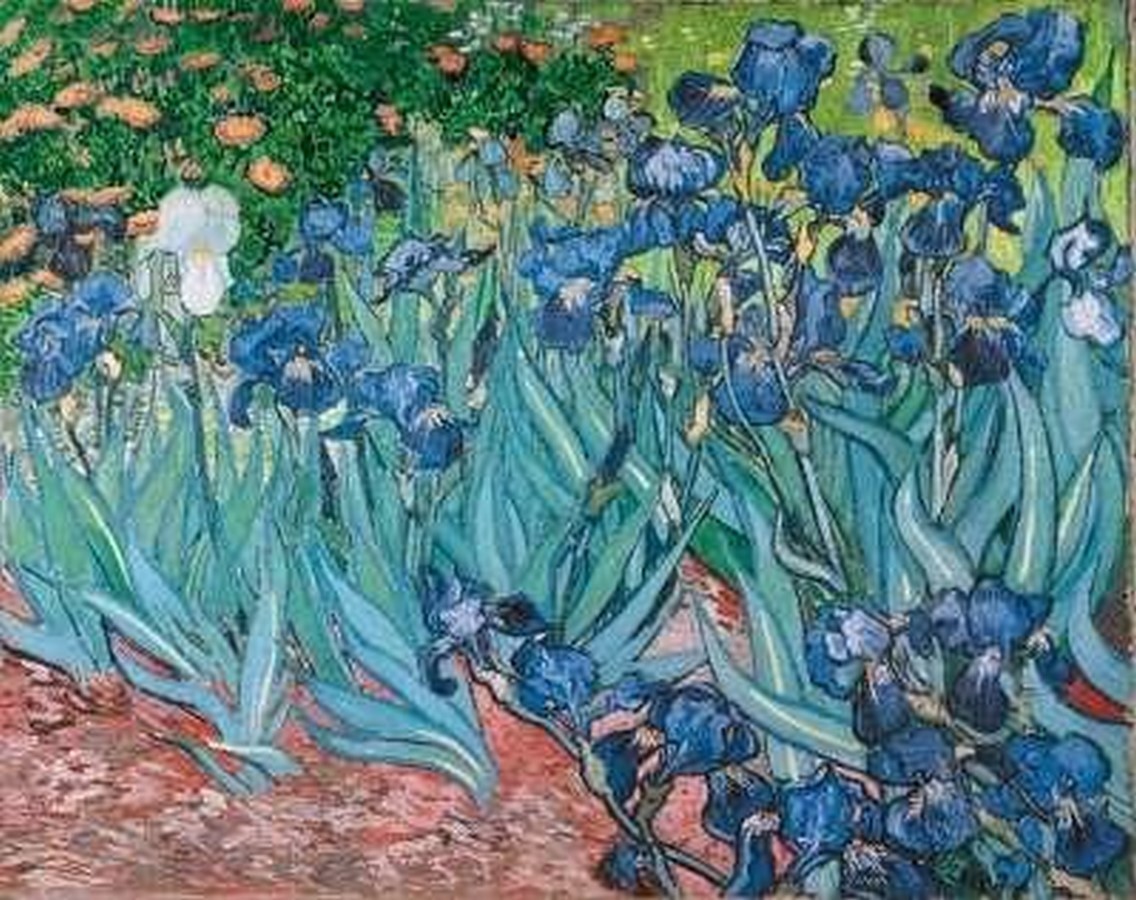
Van Gogh’s capacity to paint was staggering. In a career spanning only a decade, he produced approximately 2100 artworks, out of which about 860 were oil paintings on canvas. During his stay at Saint Remy’ alone, he painted about 150 paintings, most of which later became masterpieces in his collection. This relentlessness might also suggest how much painting helped him on a personal level and how desperately he tried to keep his mind away from his troubles and torments.
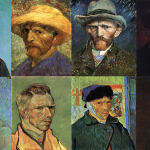
One striking fact to note is that out of all the artists that the modern art world recognizes today, none of them have created so many self-portraits of themselves over the span of their respective careers, like Van Gogh. He is documented to have painted himself over 35 times in only the last 4 years of his life! And these are only from among his famously known works. He also writes about this to his brother in a letter;
“Portraits excite me to the depth of my soul. They make me feel the infinite more than anything else”
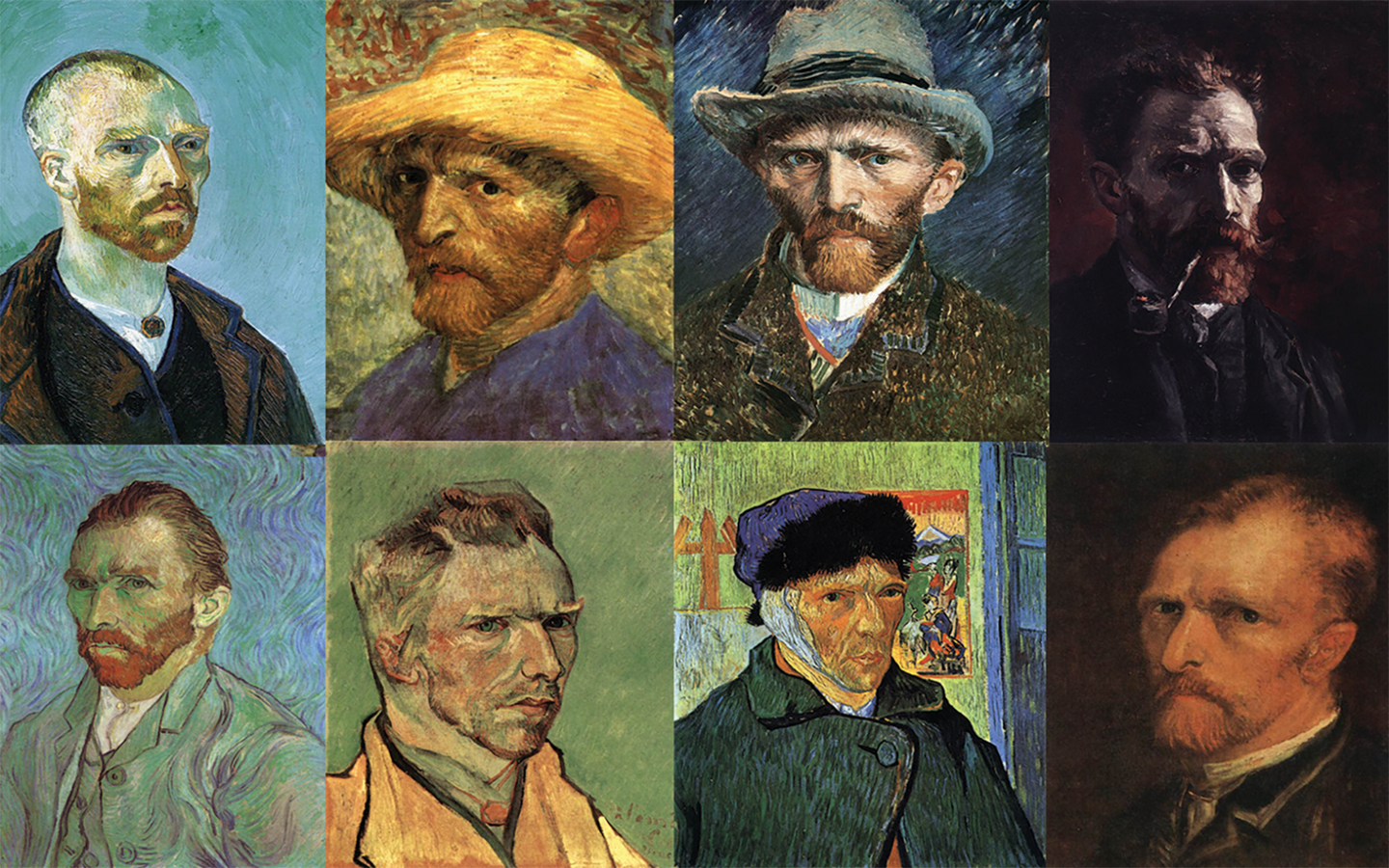
Hence, we understand how much portraits meant to him, and it was never just about painting himself or someone in front of him, but about capturing his moods and emotions in a raw and unfiltered manner, such that it would even be evident to the viewer of the painting. He also writes to his sister Willemien, in the context of painting self-portraits;
“People say—and I’m quite willing to believe it—that it’s difficult to know oneself…”
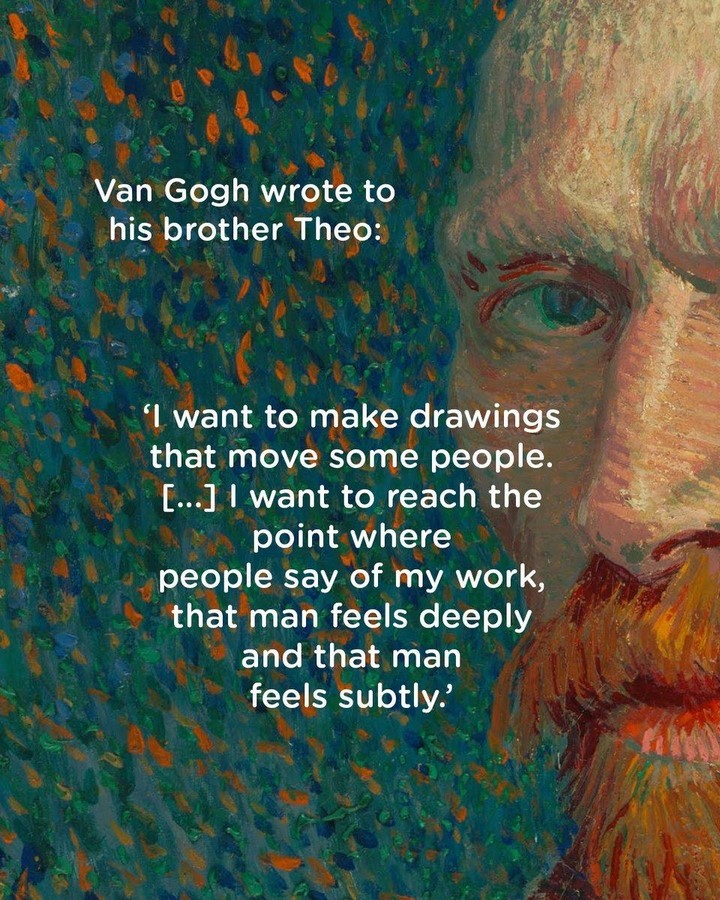
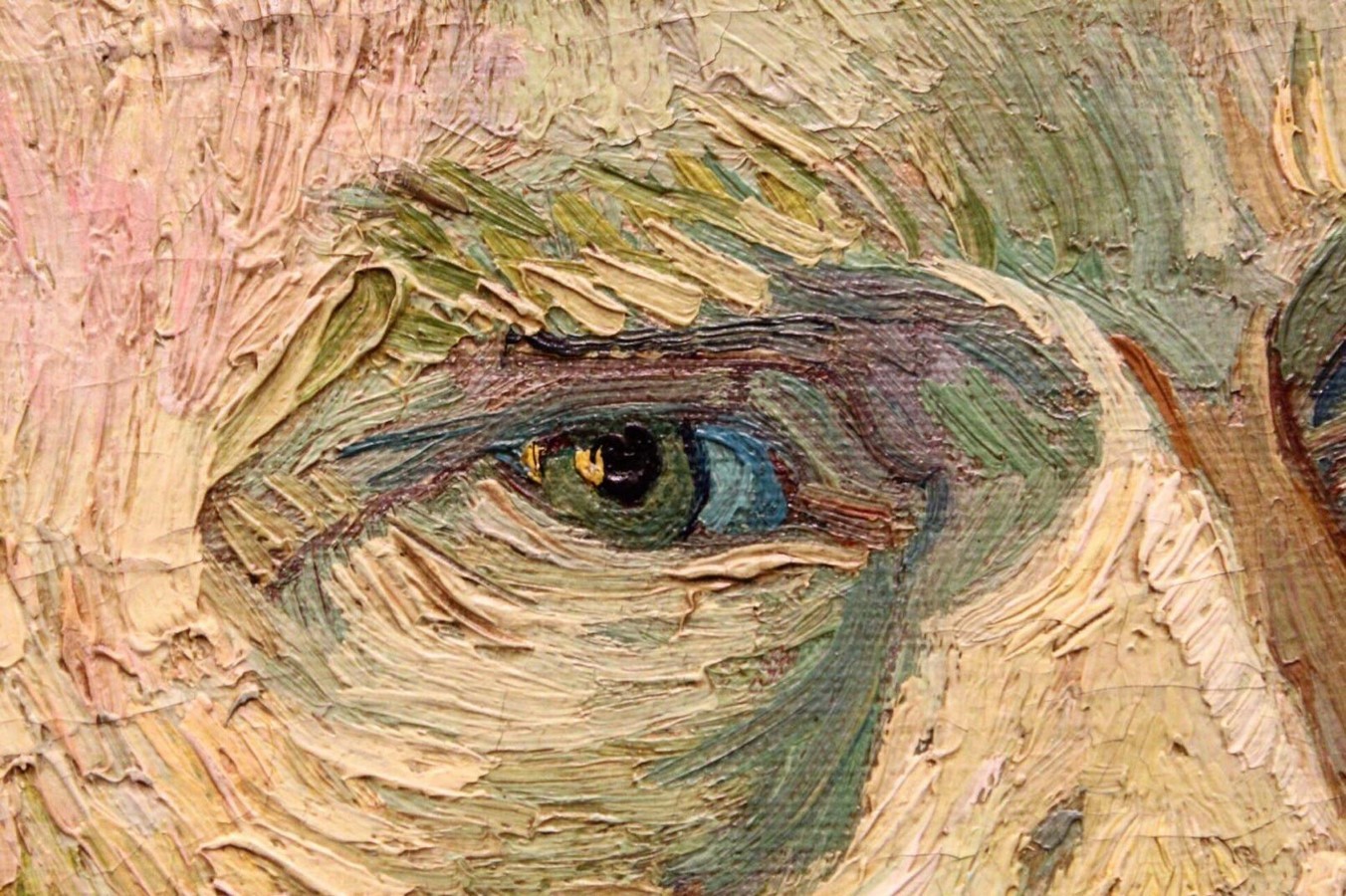
It was about taking a peek into the soul of the person being painted. In the case of himself, it was about finding and knowing himself while expressing his emotions as vividly and deeply as possible through a medium which could not directly convey emotions as he wished. This led to him developing his style, rather unknowingly, using bold, swiggly strokes and thick impastos of colour. A minute and detailed study of his paintings has revealed a great deal about the methods and materials he used to paint. One could clearly make out the ‘hurried-ness’ or vigour expressed in certain paintings where he uses his palette knife directly to apply paint on canvas as if it were ‘butter’!
Self-portrait as an Architectural Experience
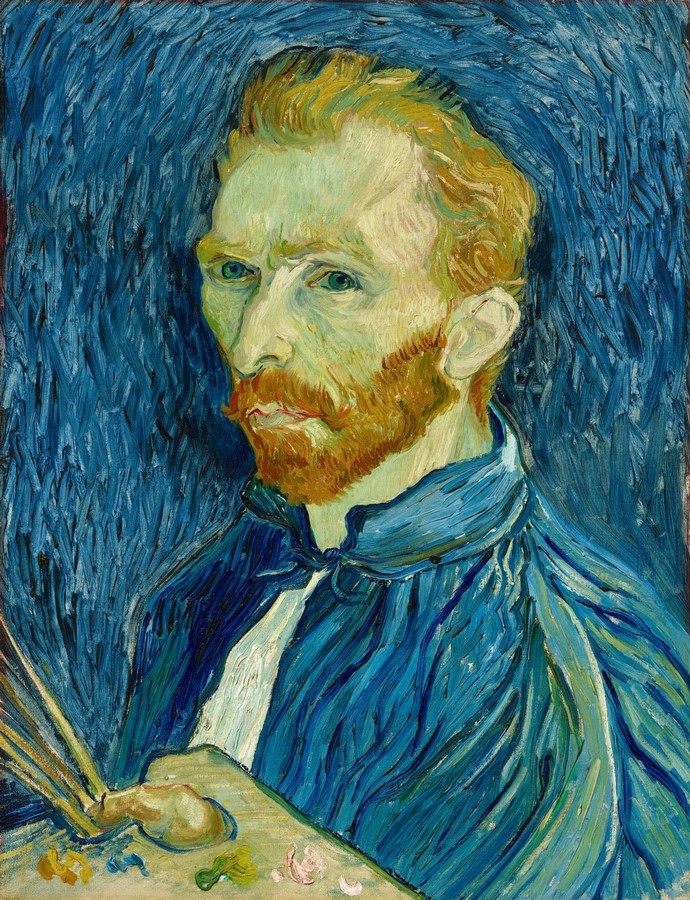
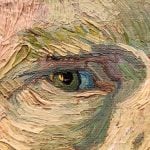
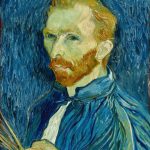
Now that one understands the artist and the person behind the paintings, one can deep dive into his paintings, decoding them even from an architectural point of view. Let’s discuss his last self-portraits. There is a debate among art circles and scholars on which was the last self -portrait Van Gogh made. Some believe it is the one where he paints himself without a beard in September of 1889. This is the painting he actually gifts his mother later that year. Some also believe that his last self-portrait is the one where he paints himself as an artist, in a painter’s smock with a palette in one hand. We shall discuss this painting in detail here. His gaze in this painting is much more determined and lively than in the other self-portraits he made, which conveyed a sense of grief and vulnerability through his eyes and overall body language. His body and head are a bit off-centre on the canvas and may even feel distorted in size. The background somehow enlivens the surroundings, making it feel like it’s enhancing the overall image. Although the entire painting is blue, the blue of the surroundings doesn’t merge much with the blue of the smock that Van Gogh is wearing. The orange and rust colours in his beard and hair are in stark contrast to the overwhelming blue theme of the portrait.
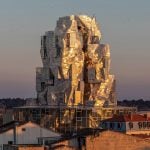
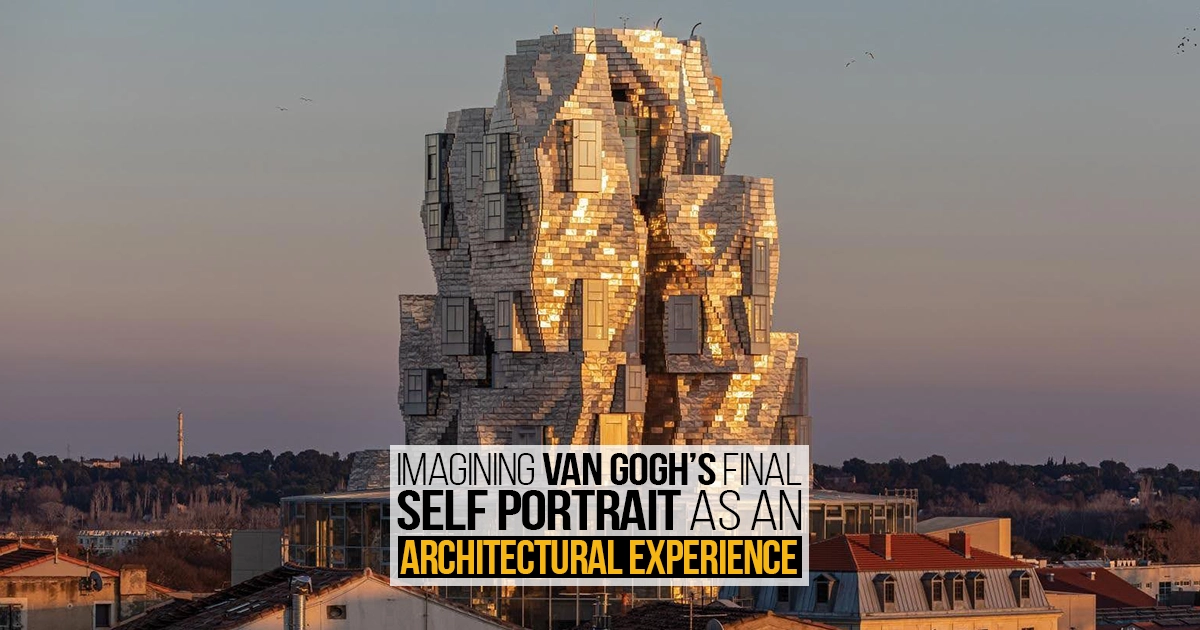
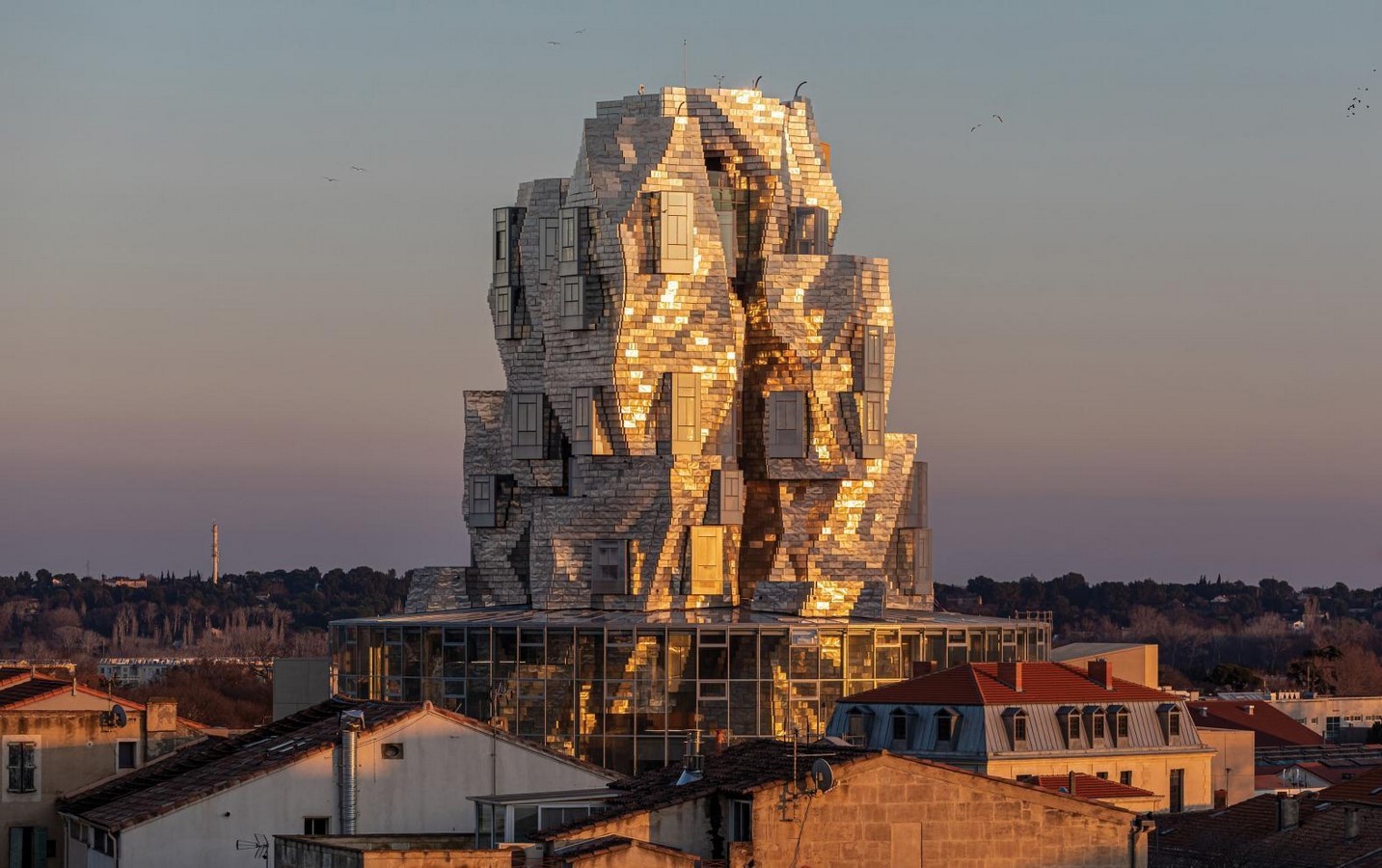
This was the first direct interpretation of the self -portrait. On studying the painting from an architectural viewpoint, one must take into account the textures, the volume represented in the image, the strokes and the energy contained in them, the role of light and shadows in the image, and the structure and geometry of form. On first look, architecturally speaking, one could find themselves within a volume that defies conventional symmetry and focuses on the play of massing. One encounters the ‘facade’ of the background, and this comes into attention because of the way it envelopes the user or the built mass, creating an aura-like element with a kinetic feel to it. This overall kinetic appearance, on a closer look, reveals a complex structural system made up of multiple smaller members (paint strokes), which contribute individually to form a cohesive and complete whole. This may remind one of the Eiffel Tower, where the iron members up close may seem haphazard but create a magnificent, harmonious built form from a distance. Further, the stark contrast of colours reminds one of the architectural dichotomy of space. The oranges are like the closed spaces or ‘shelters’ in a way, in a vast expanse of open spaces. There is a gradation one can see of how the closed spaces slowly transform into the open spaces, and this gradation gives rise to the semi-open spaces, which are of great importance architecturally. The closed spaces are held together by a central axis of focus centred around the gaze of Van Gogh. The ‘spaces’ depicted by his eyes are like the main anchors of the architectural program, tying the built form together. Surrounding them are the circulatory spaces, the directionality of which is established by the movement of the brush strokes, which are also transitory in nature. These are all well-lit but lead to the darker, more private, closed spaces. Hence, the architecture of the self-portrait of Van Gogh is one which has a complex kinetic structure, unconventional yet composed massing and a variety of transitory spaces, lit differently according to function by a controlled inflow of light. Frank Gehry designed a structure called the Luma Arles, the inspiration for which had been the paintings of Van Gogh, especially ’The Starry Night’. According to Gehry, the way in which the painter captured and depicted light in his paintings was something he yearned to do in his design for the Luma. And truly, if today one looks at the structure, he is bound to find it much in sync with how Van Gogh’s paintings appeared as a whole. The structure is able to capture light in fragments, which shifts throughout the day, appearing in motion via the facade design.
Just like Antoni Gaudí, as an artist cum architect, created buildings that evoked a sense of organic growth and movement, Van Gogh’s last portrait is like a living structure. It is an asymmetrical, unconventional monument built from a “series of small elements or materials brought together”. As an architectural experience, Vincent’s last self-portrait is not a place of rest, but a space of profound transition. It is a painting that manages to express the “contrasting emotions of being lost and hopeful at the same time,” much like the Garden of Exile in the Jewish Museum Berlin by Daniel Libeskind. It invites the visitor to experience the infinite within the confines of a single, highly-charged room, leaving us to wonder at the vision of a man who could build a world of such intensity while his own world was drawing to a close.
References:
- Courtauld (2022) Discover Van Gogh’s self-portraits with Dr Karen Serres at The Courtauld Gallery. [Online Video] Available at: https://www.youtube.com/watch?v=yYvK2uJ_H00 [Accessed 5 April 2026].
- Great Art Explained (2021) Vincent Van Gogh’s The Starry Night: Great Art Explained. [Online Video] Available at: https://www.youtube.com/watch?v=48SPlL7W_yE [Accessed 6 April 2026].
- Dixit, G. (2022) Vincent Van Gogh as an Architect – RTF | Rethinking The Future. [Online] Available at: https://www.re-thinkingthefuture.com/fun-architecture/a7058-vincent-van-gogh-as-an-architect/ [Accessed 4 April 2026].
- National Gallery of Art (2026) Self-Portrait, 1889, Vincent van Gogh. [Online] Available at: https://www.nga.gov/collection/art-object-page.106382.html [Accessed 5 April 2026].
- Wikipedia Contributors (2026) Portraits of Vincent van Gogh. [Online] Available at: https://en.wikipedia.org/wiki/Portraits_of_Vincent_van_Gogh [Accessed 4 April 2026].
- The Art Newspaper – International art news and events. (2021). Interview | Frank Gehry on LUMA Arles: ‘I kept thinking about what the light was like for Van Gogh’. [online] Available at: https://www.theartnewspaper.com/2021/06/23/frank-gehry-on-luma-arles-i-kept-thinking-about-what-the-light-was-like-for-van-gogh. [Accessed 6 April 2026].