The ever-evolving world compels us to adapt to the latest trends constantly. From rapid urbanization to technological progress, the demand for resources continues to rise, necessitating continuous upgrades. Architects bear the responsibility of creating sustainable environments within urban landscapes, meeting the needs of an expanding world.
This essay investigates the evolution of global architecture and speculates on its future direction. Join us on a voyage through history, discovering the revolutions that shaped architectural trends and evaluating the key factors determining tomorrow’s built environment.
Contribution of Modelling Software to the field
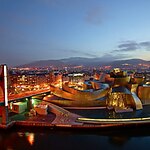
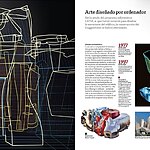
The Guggenheim Museum Bilbao by Frank Gehry set a new standard for global trends by being a landmark museum and revitalizing the city’s economy. Its iconic structure was made possible by the computer modeling program CATIA, which facilitated efficient construction by visualizing complex curves and forms.
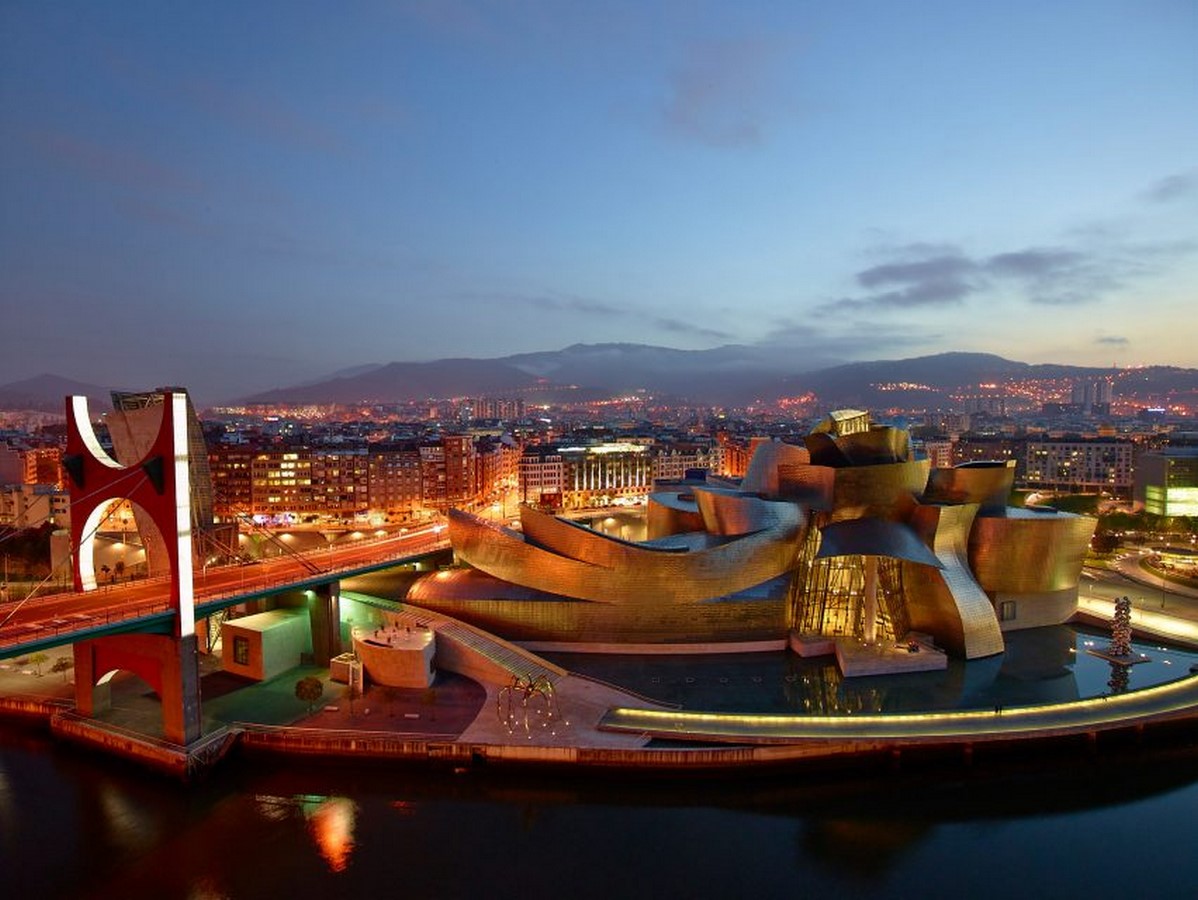
It optimized cladding panel numbers and streamlined cost estimation for the project, typically a cumbersome task at this scale. Humanizing architecture and valuing people’s experiences enables us to create buildings that are adaptive to changing times while being free of historical restraints.
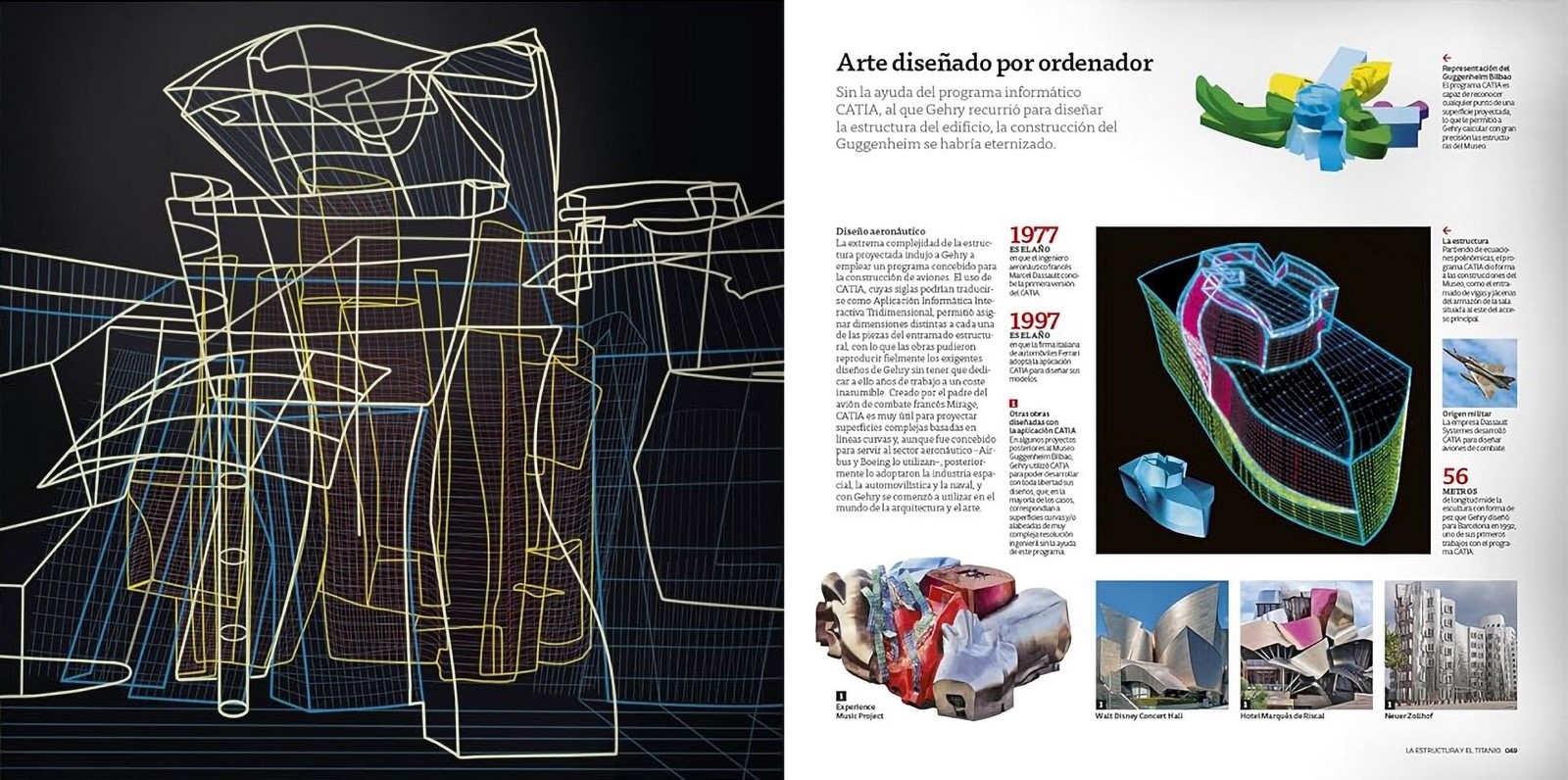
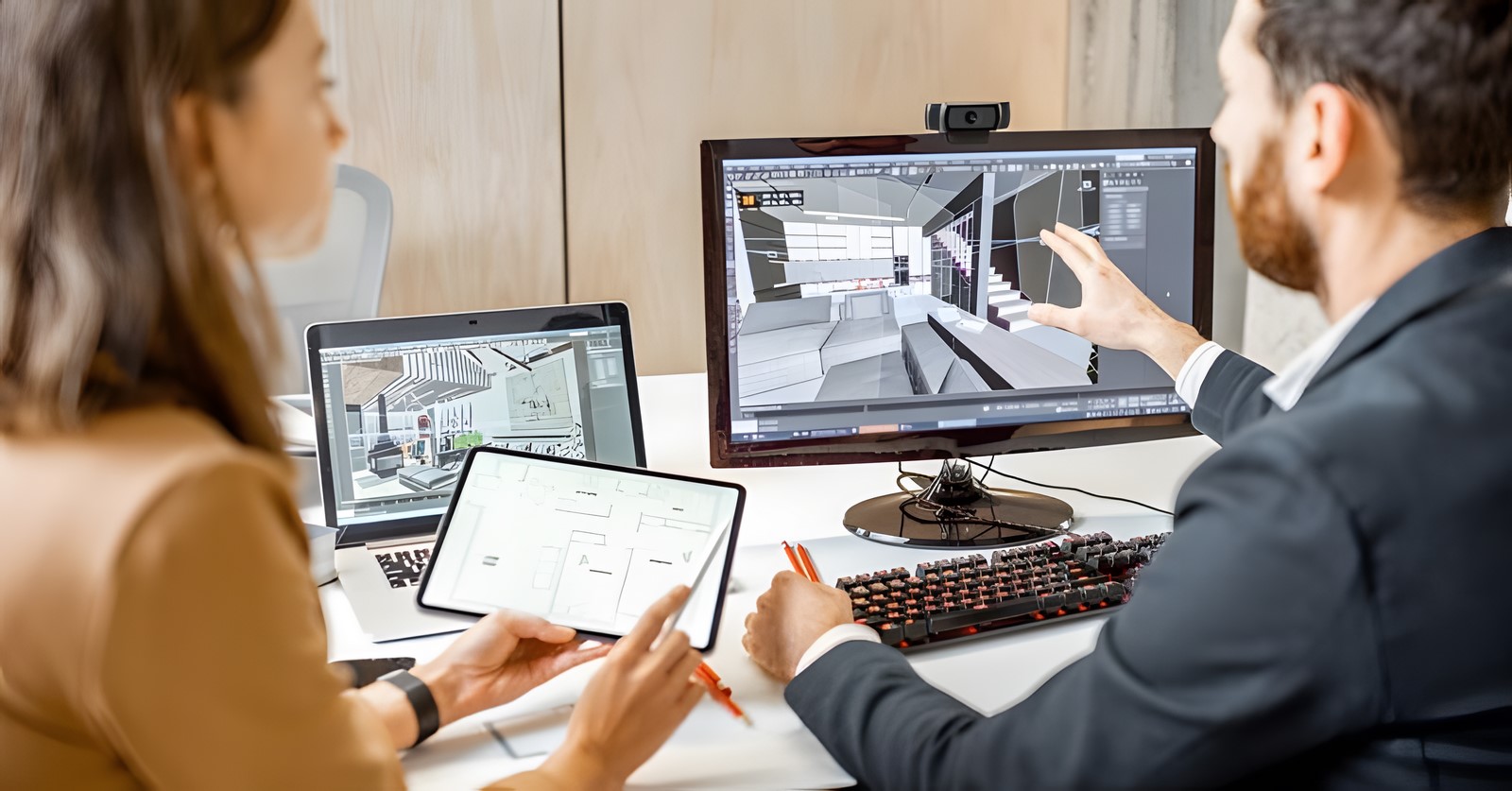
These programs extend beyond design and planning, simulating load actions and radiations to optimize materials, fenestrations, and costs. Their versatility aids in project management, construction management, post-construction facilities, and building life cycle assessment, making them invaluable for users of BIM (Building Information Modeling) in this field.
Vertical Development
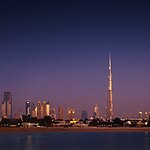
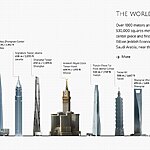
The world’s tallest building is Burj Khalifa, at 828 meters (2,717 ft), designed by Skidmore, Owings, and Merrill, combining advanced technology with local culture and blending seamlessly with its desert surroundings.
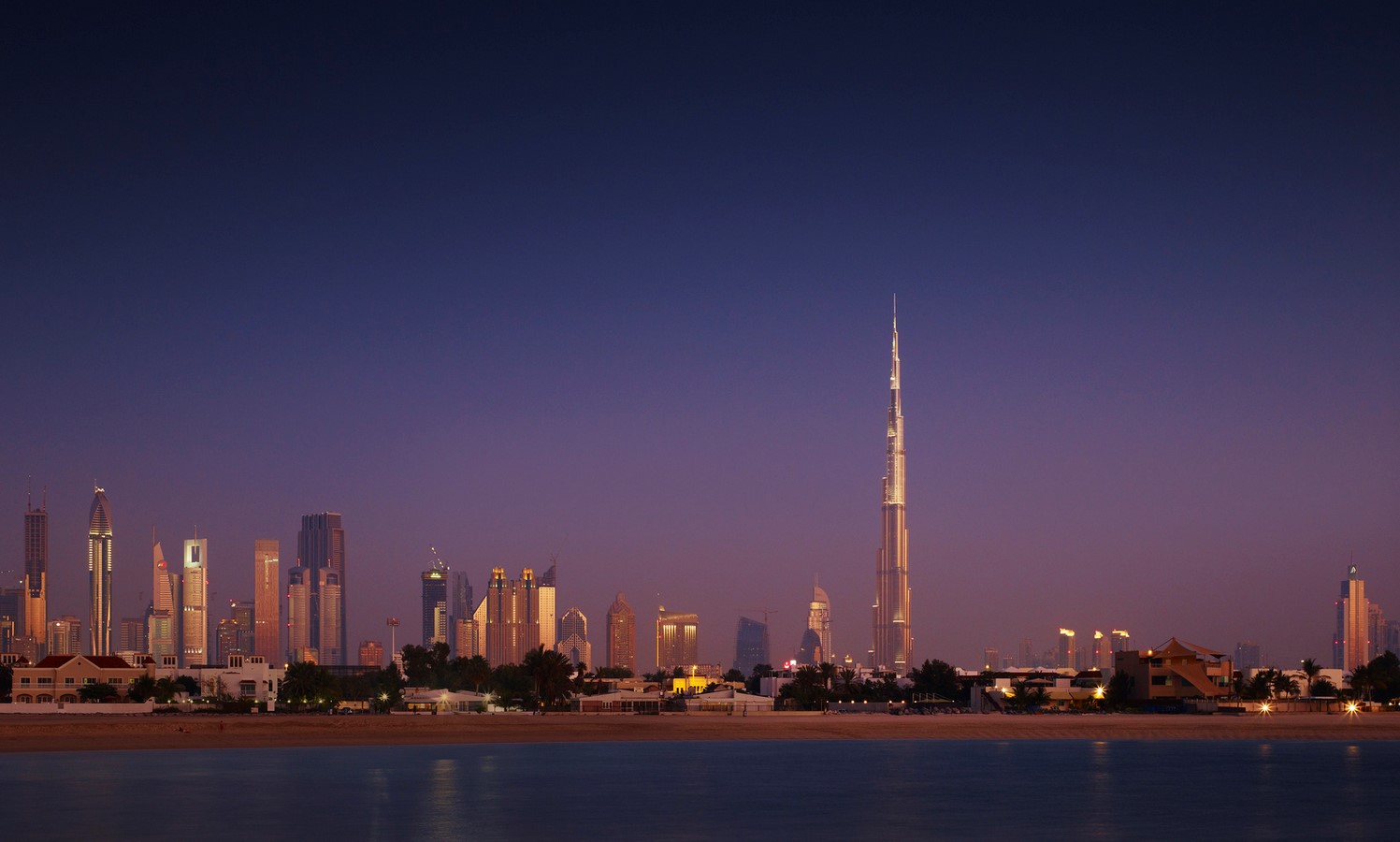
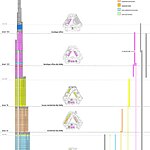
Inspired by Islamic architecture and local flora, the Burj Khalifa’s reinforced concrete structure, with glass cladding, spirals upward from a buttressed core to a distinctive spire. The innovative design includes a “sky-sourced” ventilation system and condensate recovery for minimal environmental impact. Constructed in challenging desert conditions, it demonstrates engineering resilience, ensuring durability against wind and seismic forces.
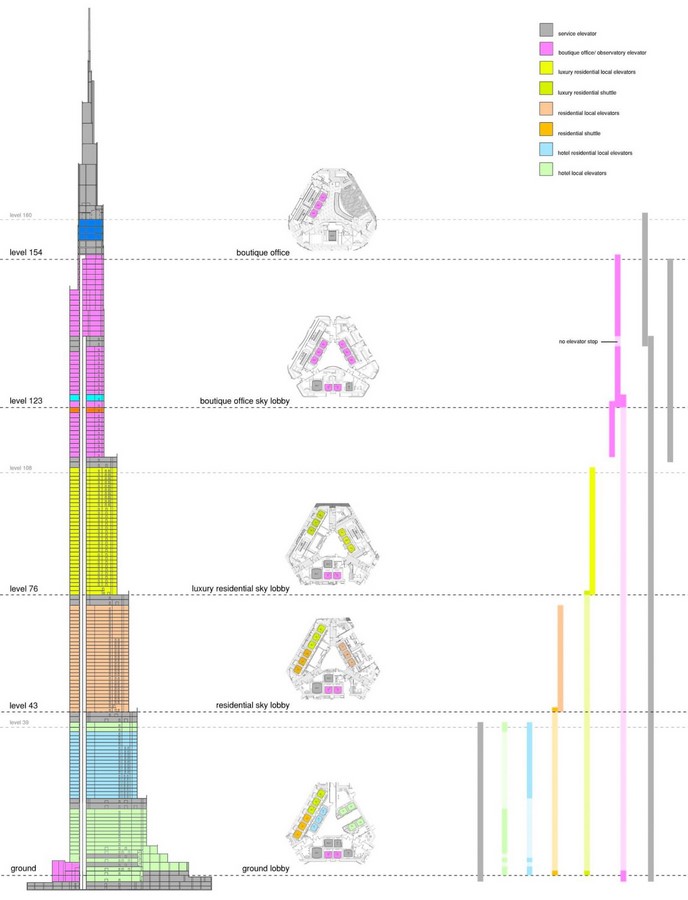
Without these advancements in technology, this tremendous elevation and panoramic views would not be possible. It is not just an architectural masterpiece but also a popular tourist destination and an expanding business and residential district, reflecting Dubai’s wealth and technological advancement.
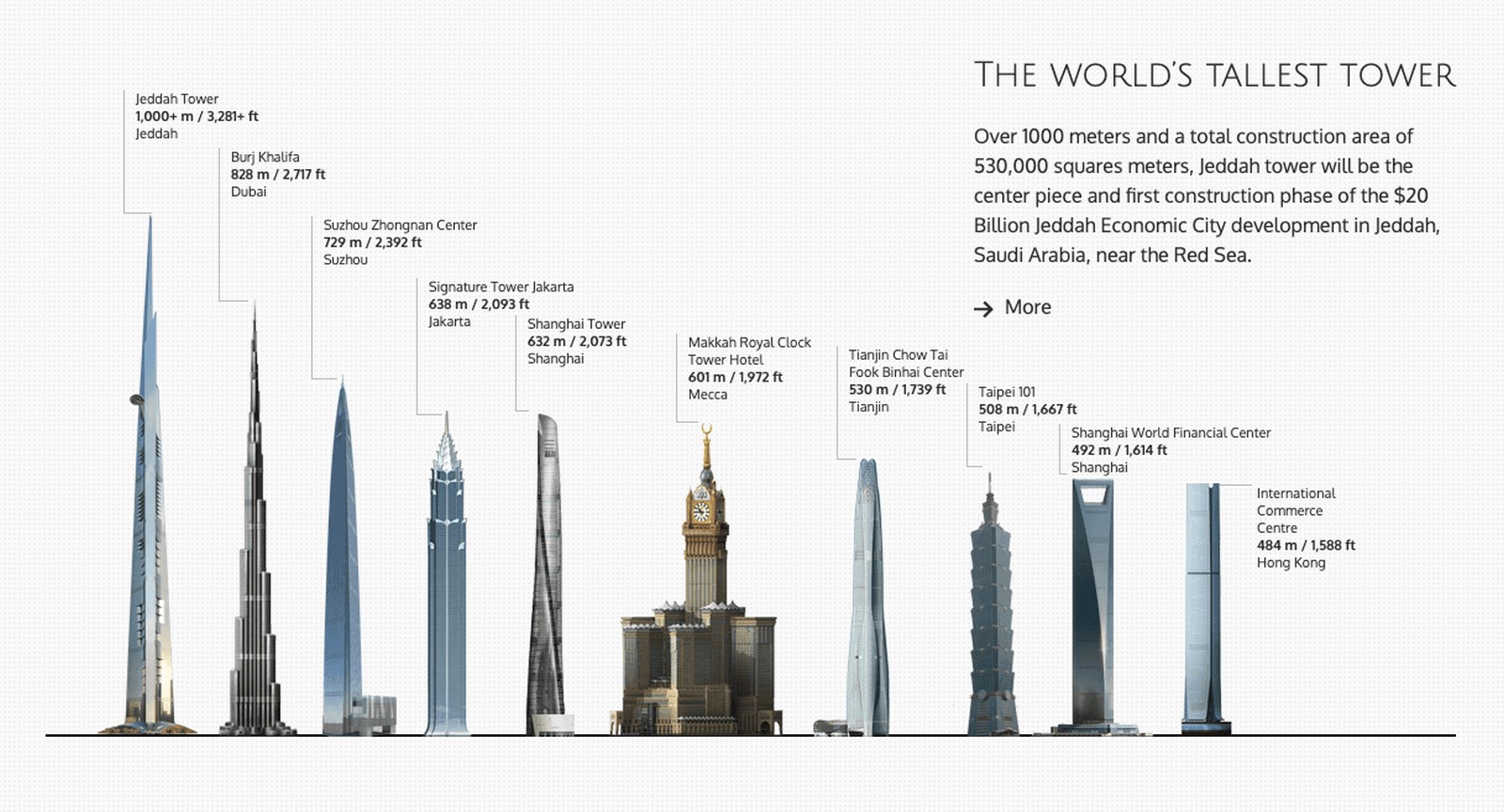
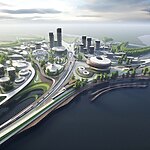
The world expects the next tallest skyscraper to be the Jeddah Tower, which will rise roughly a kilometer tall. Population growth, urban overcrowding, and rapid urbanization are propelling vertical construction, altering city skylines, and opening the way for the establishment of vertical cities to fulfill future demands.
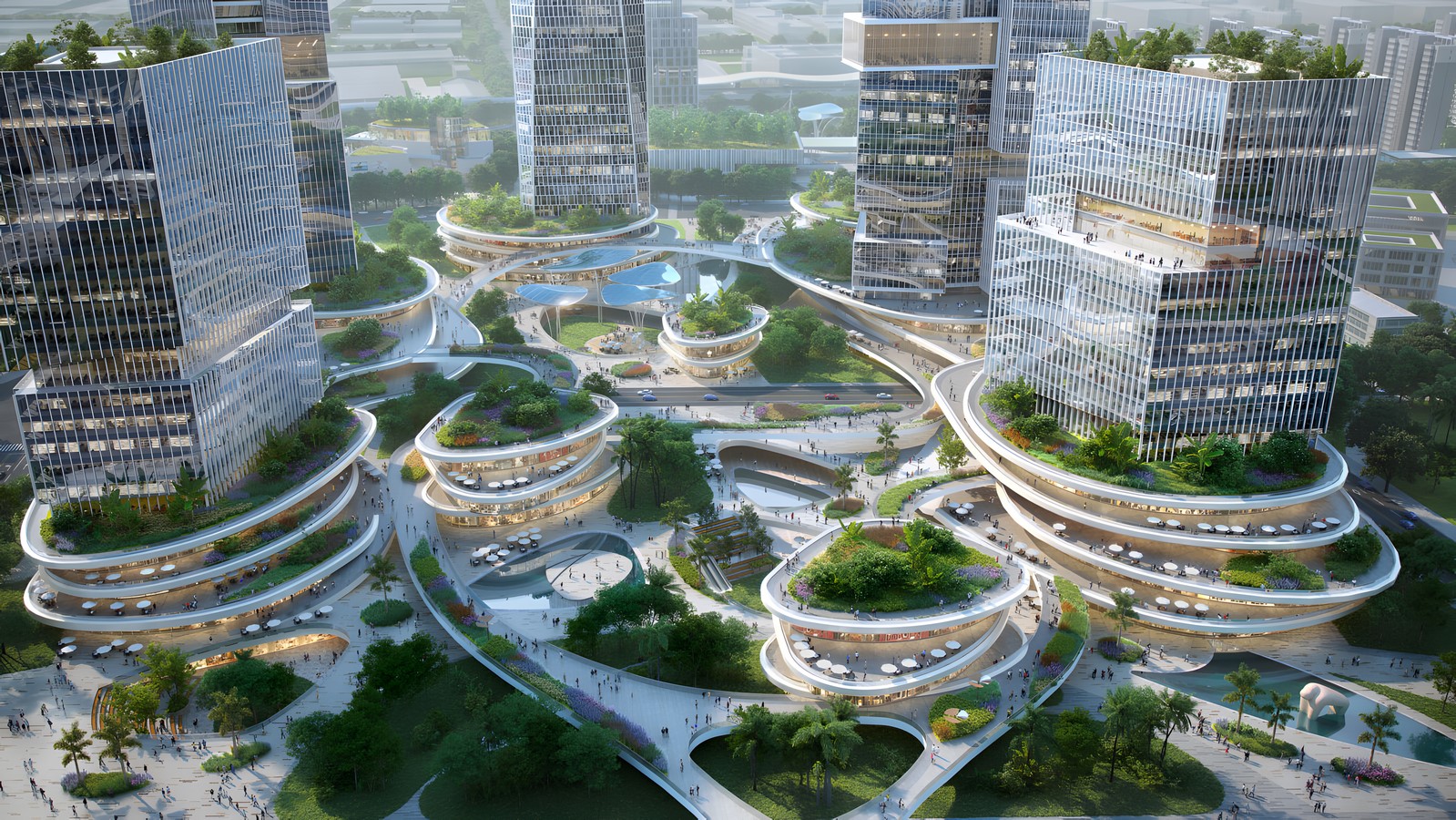
Floating Architecture
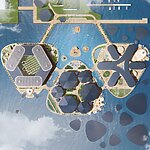
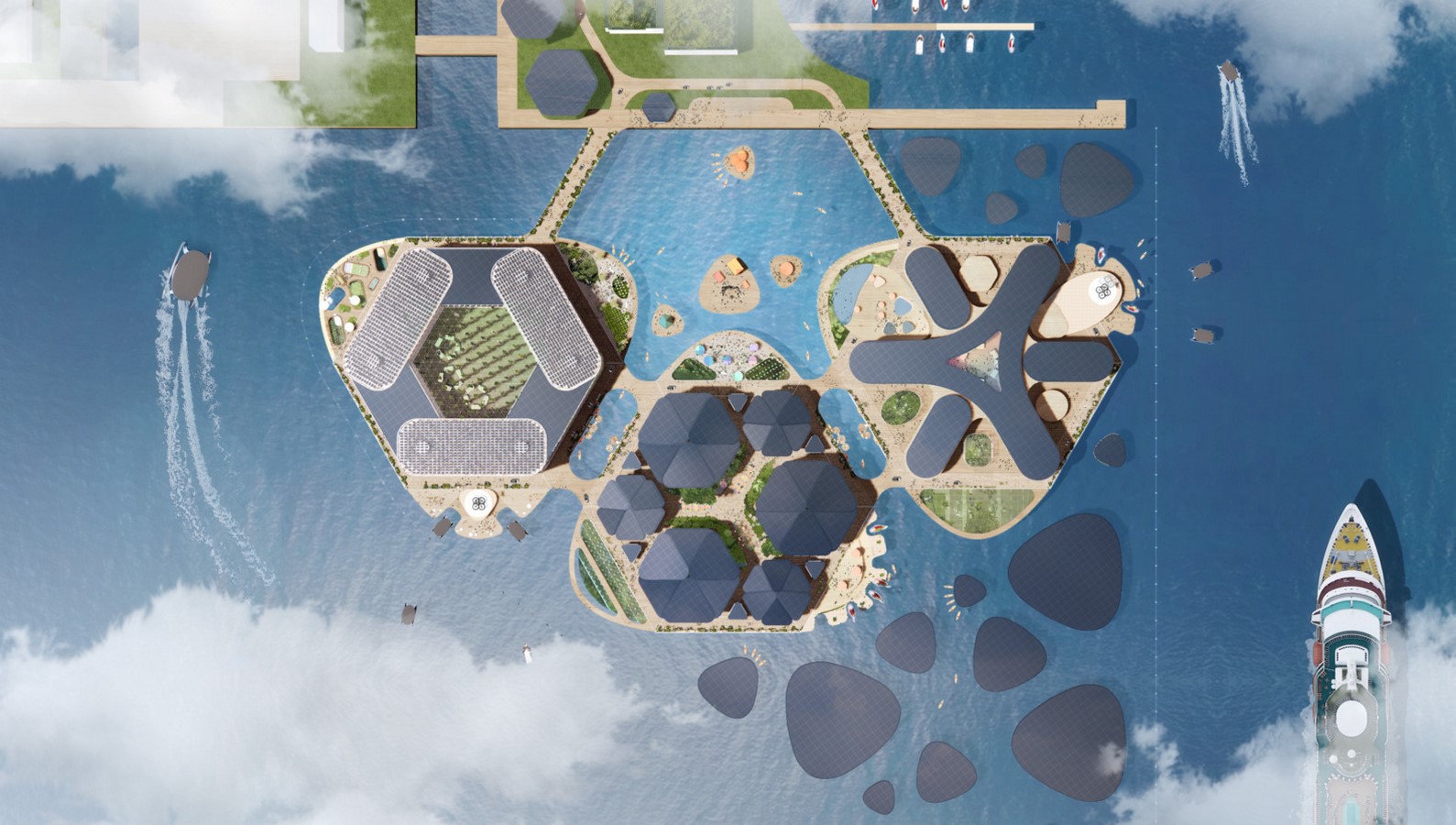
Rising sea levels pose a danger to the livelihoods of 410 million people. Architects suggest floating cities like Oceanix City, inspired by historical water communities like Kampong Ayer, as a sustainable solution to urban congestion and land constraints.

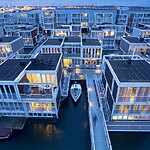
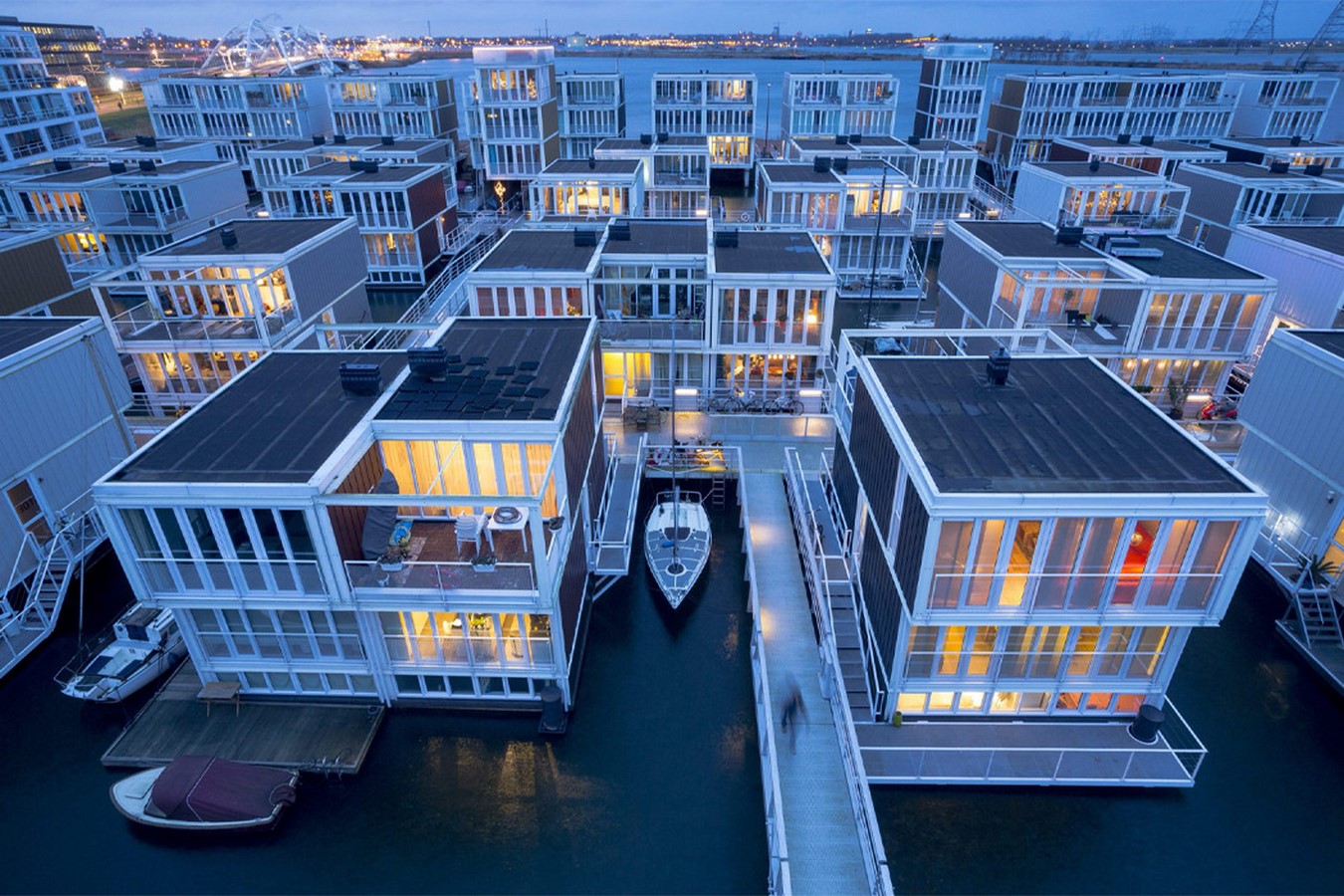
Challenges include feasibility, cost, and environmental impact, yet projects like Waterbuurt in Amsterdam demonstrate progress. Learning from indigenous communities, amphibious settlements offer a model of resource-sharing and harmonious coexistence with nature. With over 1 billion people facing inadequate infrastructure by 2050, the transition to aquatic lifestyles presents a promising solution amidst climate uncertainties.
Sustainable Environment
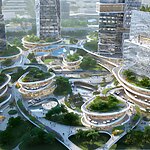
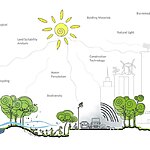
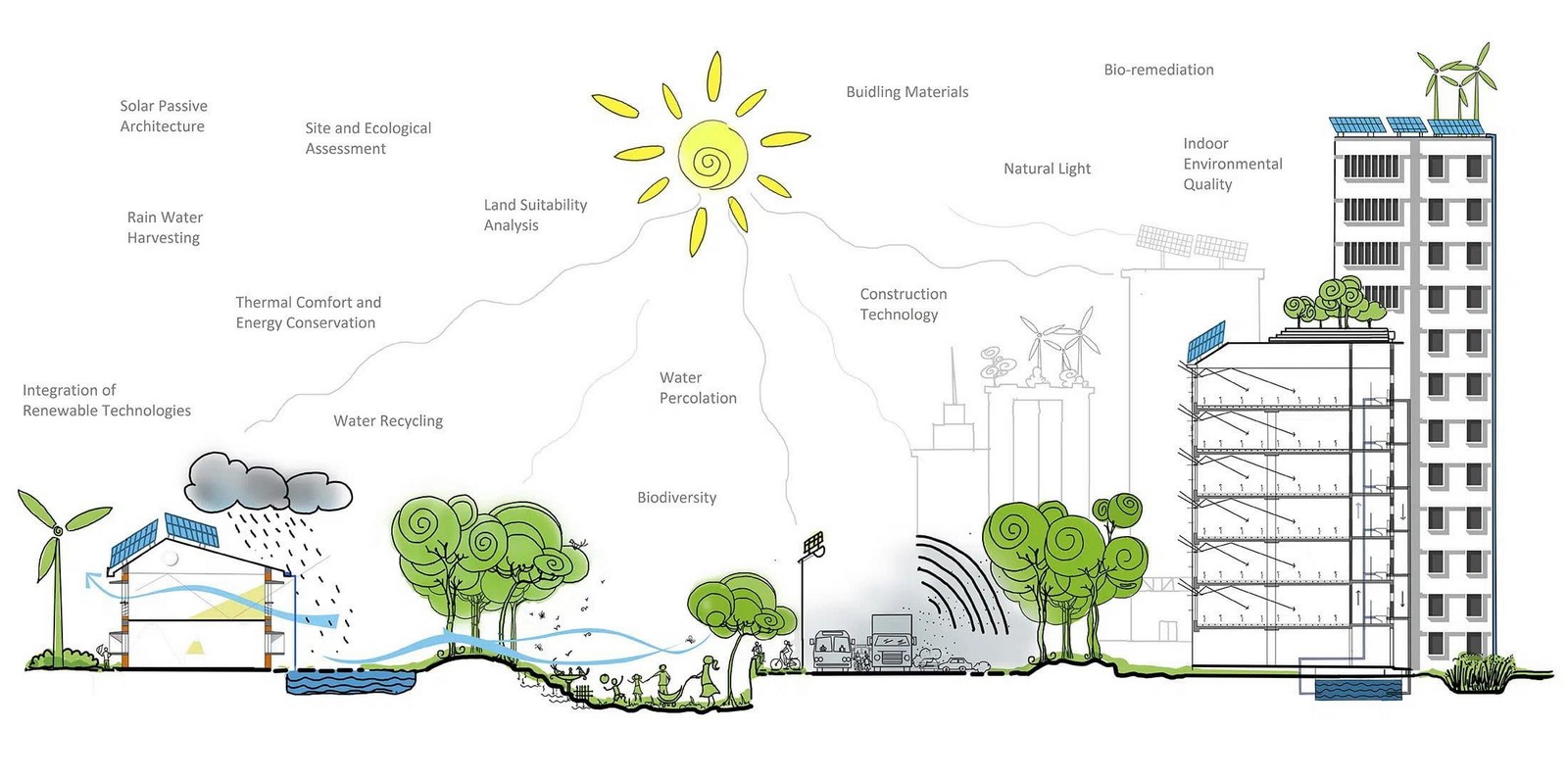
Green architecture addresses issues such as pollution, urban heat islands, and resource strain holistically. Sustainability includes smart design solutions for efficient environments, which lower energy bills while conserving resources. Beyond basic survival, the green building symbolizes a critical transition for a healthier world and a brighter future for humanity.
Artificial Intelligence
The Metaverse, Artificial Intelligence (AI), and Virtual Reality (VR) are transforming architecture by enabling new kinds of design, visualization, and collaboration. Architects are increasingly using these technologies to speed up the design process, improve customer communication, and create immersive environments.
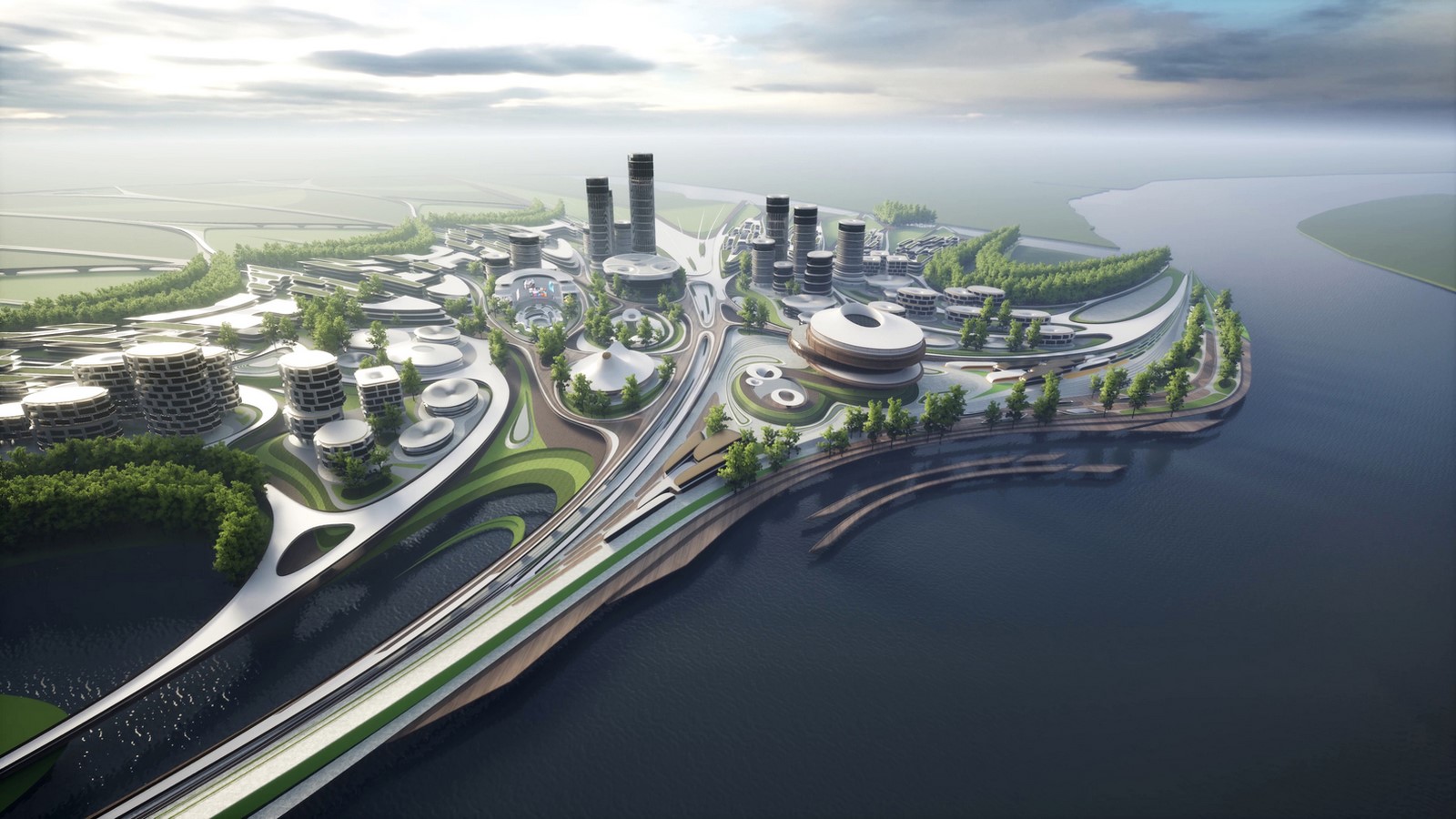
Looking ahead, the future of architecture will see even deeper integration of these technologies. AI algorithms will become more sophisticated, allowing architects to create intricate designs based on specific requirements and limits.
Architects cannot be replaced by Artificial Intelligence
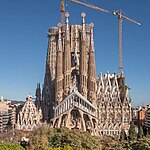
Many architects expect that AI will take over the industry and replace architects to create great, efficient designs; however, this is not the case. There are examples of new technologies and innovations that attempt to compete with architects’ design ideas but fail to resonate. One such example is Antoni Gaudi’s Sagrada Familia.
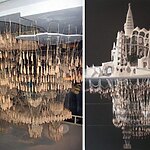
This project, which he worked on until he died in 1926, is still ongoing despite several challenges. Gaudi used plaster models and a system of strings and weights hanging from the ceiling plan to build and understand the design and loading. This inverted model allowed him to calculate the proper angles for the columns, vaults, and arches.
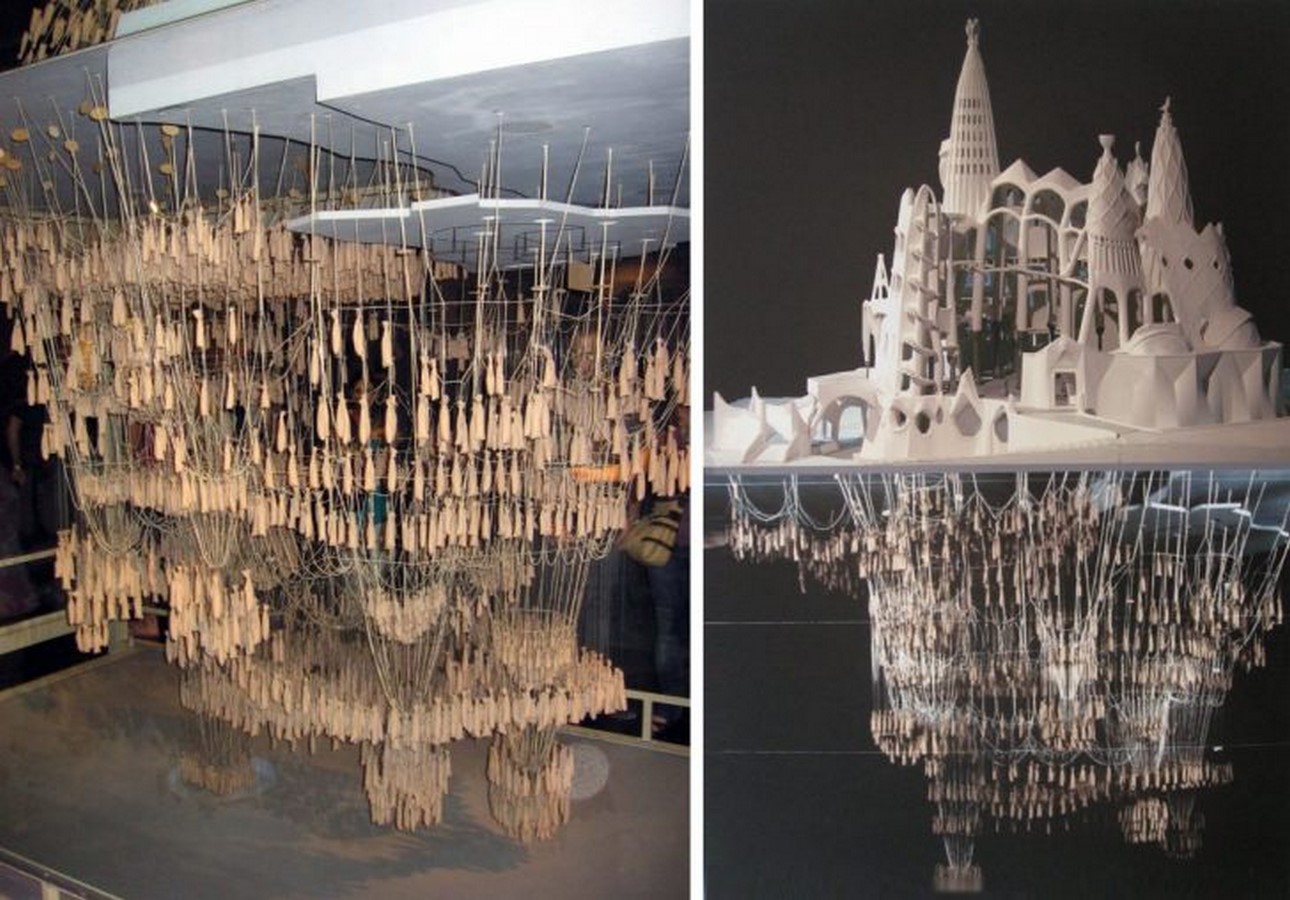
In recent decades, the Sagrada Familia has embraced modern digital design and construction technology. Architects and craftsmen utilize Rhinoceros, Cadds5, Catia, and CAM to analyze complicated geometry and envision the entire project. Plaster models are still utilized as design tools, but they are now created using a 3-D printer to speed up the process.
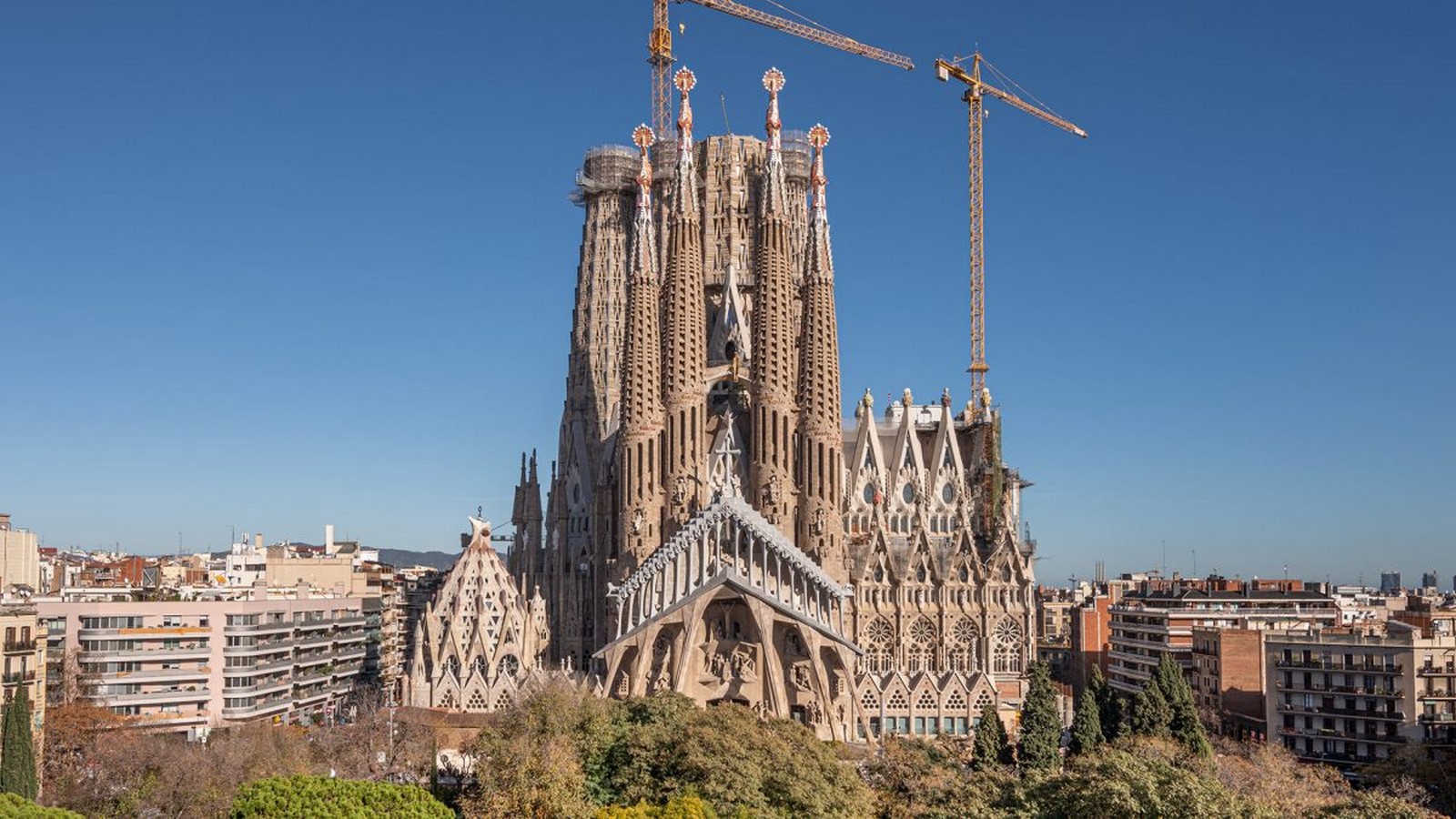
By just looking at it one can find the difference between original design and subsequent addition. The true essence of Gaudi’s ideology often fails to resonate in the final design.
In conclusion, the future of architecture is rapidly evolving into a harmonious blend, where architects play a pivotal role in skillfully integrating urbanization and new developments to prioritize sustainability, leveraging technological advancements for support.
We can only predict what may occur, but architects are the master chefs in charge of cooking a delectable globe with the essential proportions of ingredients determined by unforeseeable events and changes that will shape the world.
Harvard Citation Style Guidelines:
Griffiths, A. (2022). Frank Gehry’s Guggenheim Museum Bilbao is ‘the greatest building of our time’. [online] Dezeen. Available at: https://www.dezeen.com/2022/05/18/frank-gehry-guggenheim-museum-bilbao-deconstructivism/.
www.nomads.usp.br. (n.d.). Diálogos (geométricos) com a cidade. [online] Available at: http://www.nomads.usp.br/virus/virus14/index.php?sec=4&item=14&lang=en.
The Guggenheim Museums and Foundation. (n.d.). How Analog and Digital Came Together in the 1990s Creation of the Guggenheim Museum Bilbao. [online] Available at: https://www.guggenheim.org/articles/checklist/how-analog-and-digital-came-together-in-the-1990s-creation-of-the-guggenheim-museum-bilbao.
Arch2O.com. (n.d.). The Guggenheim Museum Bilbao | Frank Gehry. [online] Available at: https://www.arch2o.com/guggenheim-museum-bilbao-frank-gehry/.
RTF | Rethinking The Future. (2021). Guggenheim Museum Bilbao by Frank Gehry: United the Critics, Academics, and the General Public. [online] Available at: https://www.re-thinkingthefuture.com/case-studies/a2743-guggenheim-museum-bilbao-by-frank-gehry-united-the-critics-academics-and-the-general-public/.
archdaily (2017). Burj Khalifa / SOM. [online] ArchDaily. Available at: https://www.archdaily.com/882100/burj-khalifa-som.
Jeddah Tower. (n.d.). Jeddah Tower: The tallest tower in the world. [online] Available at: https://thejeddahtower.org/.
Floating Cities of the Past and Future. (2022). ArchDaily. [online] 14 Nov. Available at: https://www.archdaily.com/992148/floating-cities-of-the-past-and-future.
Gordon, A. (2015). BUOYANT CITY: Amsterdam. [online] Alastair Gordon. Available at: https://alastairgordonwalltowall.com/2015/02/03/buoyant-city-amsterdam/ [Accessed 16 Feb. 2024].
King, C. (2019). Cathedral | Christian church. In: Encyclopædia Britannica. [online] Available at: https://www.britannica.com/topic/cathedral-Christian-church.
Rennie Jones (2013). AD Classics: La Sagrada Familia / Antoni Gaudí. [online] ArchDaily. Available at: https://www.archdaily.com/438992/ad-classics-la-sagrada-familia-antoni-gaudi.
www.youtube.com. (n.d.). How The Burj Khalifa Was Built. [online] Available at: https://www.youtube.com/watch?v=GVCR0uZLIkU&t=314s [Accessed 16 Feb. 2024].
www.youtube.com. (n.d.). Floating Cities, the LEGO House, and other architectural forms of the future | Bjarke Ingels. [online] Available at: https://www.youtube.com/watch?v=ieSV8-isy3M&t=14s [Accessed 16 Feb. 2024].
www.youtube.com. (n.d.). The World’s Biggest Floating Cities Planned For Construction. [online] Available at: https://www.youtube.com/watch?v=B26xq6iU9Hg [Accessed 16 Feb. 2024].
www.youtube.com. (n.d.). 10 Predictions for the Future of Architecture. [online] Available at: https://www.youtube.com/watch?v=ruT_Jw5gKrU [Accessed 16 Feb. 2024].
ArchDaily. (2023). What is the Future Role of Architects in the Age of AI and Data? [online] Available at: https://www.archdaily.com/995781/what-is-the-future-role-of-architects-in-the-age-of-ai-and-data.
Thapa, A. (2022). What does the future for architecture and architects look like. [online] Times of India Blog. Available at: https://timesofindia.indiatimes.com/blogs/voices/what-does-the-future-for-architecture-and-architects-look-like/.
ArchDaily. (2023). Architects vs. AI: Who Will Design the Future? [online] Available at: https://www.archdaily.com/1006681/architects-vs-ai-who-will-design-the-future.
RTF | Rethinking The Future. (2021). What the future holds for Architecture. [online] Available at: https://www.re-thinkingthefuture.com/narratives/a5951-what-the-future-holds-for-architecture/.