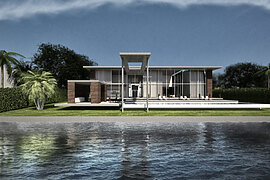
M.Arch. in Landscape Design – Best Architecture Masters Degree Programs after B.Arch
Embarking on a Master of Architecture (M.Arch.) in Landscape Design opens up a realm of possibilities for individuals passionate about shaping the environment. This advanced degree not only hones architectural skills but also delves deep into the art and science of crafting sustainable, aesthetically pleasing outdoor spaces. In this comprehensive guide, we will explore the course content, highlight universities offering this program, discuss the benefits of pursuing an M.Arch. in Landscape Design, and shed light on the diverse career options that await graduates.
Understanding the M.Arch. in Landscape Design
Course Content
The M.Arch. in Landscape Design curriculum is meticulously crafted to provide a holistic understanding of landscape architecture. Students delve into subjects such as:
1. Site Planning and Analysis:
- Comprehensive study of analyzing and planning outdoor spaces.
- Understanding topography, climate, and ecological systems.
2. Ecological Design:
- Integration of sustainable practices in landscape architecture.
- Focus on biodiversity, conservation, and environmentally friendly design.
3. Urban Greening:
- Strategies for incorporating green spaces into urban environments.
- Balancing aesthetics with functionality in city planning.
4. Advanced Technology in Landscape Architecture:
- Utilization of cutting-edge tools and software for design and analysis.
- Incorporation of 3D modeling and simulation.
5. Cultural Landscape Preservation:
- Preservation and adaptive reuse of culturally significant landscapes.
- Understanding the historical context of outdoor spaces.
Universities Offering M.Arch. in Landscape Design
Prospective students can choose from a plethora of reputable institutions globally. Some renowned universities providing this program include:
1. Harvard University – Graduate School of Design:
- Emphasizes innovation and sustainable design.
- Collaborative learning environment with renowned faculty.
2. ETH Zurich – Department of Architecture:
- Internationally recognized program with a focus on research.
- Strong emphasis on landscape ecology.
3. University of California, Berkeley – College of Environmental Design:
- Integrates landscape architecture with environmental planning.
- Offers diverse elective courses for specialization.
4. University of Melbourne – Melbourne School of Design:
- Strong connection to the vibrant design community in Australia.
- Emphasis on hands-on, practical learning.
5. Technische Universität München (TUM) – School of Architecture:
- Comprehensive program covering landscape planning and design.
- Opportunities for international exchange programs.
Benefits of Pursuing M.Arch. in Landscape Design
1. Specialized Expertise:
- Gain in-depth knowledge in landscape architecture, setting yourself apart in the industry.
- Develop a strong foundation for addressing contemporary environmental challenges.
2. Global Perspectives:
- Choose from a variety of international programs to broaden your cultural and professional horizons.
- Collaborate with students and professionals from diverse backgrounds.
3. Hands-On Learning:
- Engage in practical projects, site visits, and internships to apply theoretical knowledge in real-world scenarios.
- Develop a portfolio showcasing your skills and creativity.
4. Networking Opportunities:
- Connect with industry professionals, alumni, and faculty for mentorship and career guidance.
- Attend conferences, workshops, and events to stay updated on industry trends.
Career Options After M.Arch. in Landscape Design
Armed with a master’s degree in landscape design, graduates can explore a range of fulfilling career options:
1. Landscape Architect:
- Design outdoor spaces for residential, commercial, or public projects.
- Work on projects ranging from parks and gardens to urban plazas.
2. Urban Planner:
- Contribute to city planning by incorporating green spaces and sustainable design principles.
- Address urban challenges through thoughtful spatial planning.
3. Environmental Consultant:
- Advise on environmentally friendly practices for construction and development projects.
- Ensure compliance with ecological regulations.
4. Academician/Researcher:
- Contribute to the field through academia or research positions.
- Explore innovative solutions to emerging challenges in landscape architecture.
Conclusion
Embarking on an M.Arch. in Landscape Design is a transformative journey that equips individuals with the knowledge and skills to shape the world around them. The combination of theoretical learning, hands-on experience, and global perspectives prepares graduates for diverse and rewarding career paths in the ever-evolving field of landscape architecture. If you are passionate about creating sustainable, visually appealing outdoor spaces, consider enrolling in an M.Arch. in Landscape Design program and take the first step towards a fulfilling career in green architecture.