Keetwonen, Amsterdam – Architectural projects made out of recycled materials
Nestled in the vibrant cityscape of Amsterdam, Keetwonen stands as a pioneering example of sustainable architecture, showcasing the innovative use of recycled materials in urban living. This article explores the intricacies of Keetwonen, unravelling its groundbreaking design, construction methodologies, and the significant impact it has on reshaping the landscape of recycled architectural projects.
Architectural Design: Reinventing Urban Living with Sustainability
Keetwonen represents a revolutionary approach to urban living, reinventing traditional housing with a focus on sustainability. The architects meticulously crafted a residential complex that not only addresses the growing urban housing demand but also champions environmental responsibility. The design seamlessly integrates recycled materials into a contemporary urban setting, creating a harmonious balance between modern aesthetics and sustainable principles.
Innovative Use of Recycled Materials
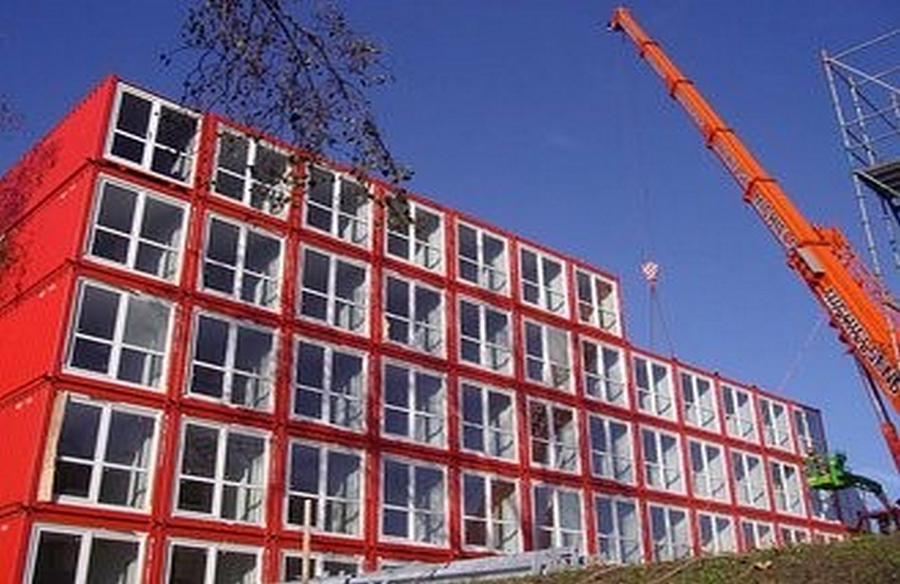
At the core of Keetwonen’s architectural brilliance lies a commitment to environmental responsibility through the innovative use of recycled materials. Shipping containers, often discarded after their initial use, take center stage in the construction, showcasing the transformative potential of repurposed elements. The architects’ choice of recycled materials not only contributes to sustainability but also introduces a unique industrial charm to the urban landscape.
Construction: Transforming Containers into Urban Residences
The construction of Keetwonen exemplifies the transformation of shipping containers into fully functional urban residences. Expert craftsmanship and cutting-edge technologies converged to convert these containers into modular living spaces, challenging the conventional norms of urban housing. The project redefines construction practices, emphasizing efficiency and sustainability in equal measure.
Challenges and Solutions
Converting shipping containers into habitable spaces presented unique challenges, but the architects of Keetwonen navigated them with precision. From addressing insulation concerns to ensuring structural integrity, rigorous testing and adherence to international standards underscore the commitment to creating a residential complex that stands as a paragon of recycled architecture.
Sustainable Features: Redefining Urban Sustainability
Keetwonen is not just a housing complex; it’s a testament to redefined urban sustainability. From energy-efficient systems to water-saving technologies, every sustainable feature is meticulously incorporated to minimize the ecological footprint of the project and contribute to a more sustainable urban lifestyle.
Environmental Impact
Quantifying the environmental impact of Keetwonen reveals compelling statistics. The use of recycled materials significantly reduces the demand for virgin resources, leading to a substantial decrease in carbon emissions associated with traditional construction. The incorporation of sustainable features further solidifies the project’s commitment to a greener and more sustainable urban future.
Community Impact: A Sustainable Community in the Heart of Amsterdam
Beyond its architectural significance, Keetwonen plays a pivotal role in fostering a sustainable community within the heart of Amsterdam. The residential complex serves as a model for sustainable urban living, inspiring residents and neighboring communities alike. Educational programs and community initiatives hosted within Keetwonen showcase a holistic approach to community development, underscoring the transformative power of sustainable architecture.
Empowering the Community
Keetwonen stands as a living testament to the transformative power of architecture in fostering community development. By engaging with the local community through various initiatives, the architects have empowered individuals and families, creating a positive ripple effect that extends beyond the confines of the residential complex.
Future Implications: Shaping the Urban Landscape of Tomorrow
The success of Keetwonen holds implications beyond its immediate context, serving as a trailblazer for future sustainable urban endeavors. Its impact challenges architects and urban planners globally to prioritize sustainability in their designs for a more eco-conscious urban future.
Influence on Architectural Practices
The influence of Keetwonen extends far beyond Amsterdam. Architects and developers worldwide are taking note of its success, prompting a shift towards more sustainable practices in urban architecture. The integration of recycled materials in urban projects is becoming a prevailing trend, marking a transformative phase in the industry’s approach to sustainable urban living.
Conclusion: Keetwonen – A Blueprint for Sustainable Urban Living
In conclusion, Keetwonen in Amsterdam is not merely a residential complex; it’s a blueprint for sustainable urban living that resonates with both architectural brilliance and environmental conscientiousness. From its innovative use of recycled materials to its impact on community and environmental well-being, every facet of this project reflects a commitment to creating urban spaces that not only meet housing needs but also contribute positively to the environment and society. As cities grapple with the imperative of sustainable urban living, Keetwonen stands as a beacon of inspiration, showcasing the transformative potential of architecture in fostering a greener and more socially conscious urban future.