Embracing Flexibility in Modern Interior Design
In today’s fast-paced business environment, the demand for adaptable and multifunctional spaces has never been higher. Companies face the challenge of optimizing their work environments to accommodate fluctuating team sizes, evolving workflows, and the increasing integration of technology. Flexible interiors, enhanced by smart modular furniture and the Internet of Things (IoT), offer an innovative solution that transforms static spaces into dynamic, responsive environments.
This shift towards flexibility is not merely a trend but a strategic approach to improve productivity, employee satisfaction, and space utilization. According to a report by Steelcase, 90% of employees believe that the office environment affects their productivity, and 70% express a desire for more adaptable workspaces to suit different tasks. To meet these needs, businesses are turning to solutions that combine modular design principles with IoT-enabled technology.
Flexible interiors allow spaces to evolve alongside organizational needs. For example, a conference room can double as a collaborative workspace or a quiet zone within minutes. This adaptability reduces the need for costly renovations and allows companies to respond quickly to operational changes. Moreover, flexible interiors foster creativity and collaboration by providing environments that support various work styles and activities.
The integration of smart modular furniture and IoT is key to achieving this level of flexibility. Modular furniture provides the physical framework for change, while IoT technologies add intelligence and automation to the environment. Together, they enable spaces that are not only adjustable but also context-aware and user-centric.
The Role of Modular Furniture in Flexible Interiors
Modular furniture serves as the backbone of flexible interior design. Unlike traditional fixed furniture, modular pieces can be easily reconfigured, expanded, or reduced based on changing requirements. This adaptability allows organizations to repurpose spaces quickly without extensive renovations or costs.
For example, modular desks and seating can be arranged to support individual work, collaborative meetings, or informal social areas. Storage units can be repositioned to create open spaces or private zones. The inherent versatility of modular furniture means that spaces remain relevant and functional over time, which is crucial in today’s ever-evolving office landscapes.
Integrating smart technology into modular furniture elevates its functionality. Sensors embedded in desks or chairs can monitor usage patterns, occupancy, and environmental conditions, providing valuable data that management can use to optimize space allocation and energy consumption. This is where the convergence of modular design and IoT becomes a game-changer.
Organizations increasingly prioritize furniture that can adapt to multiple functions. A recent study revealed that 65% of companies plan to increase investment in modular office furniture to support hybrid work models. This trend underscores the importance of flexibility in the modern workspace and the role modular furniture plays in meeting these evolving demands.
Industry Expertise Drives Innovation
Successful implementation of smart modular interiors requires specialized knowledge across design, technology, and business operations. Companies seeking to adopt these solutions often collaborate with experienced partners who understand the complexities involved.
An example of such expertise is Integritek’s industry experience, whose extensive background in IT consulting and infrastructure management helps organizations seamlessly integrate smart technologies into their physical environments. Their experience ensures that technological deployments align with business objectives and user needs, minimizing disruptions and maximizing return on investment.
Similarly, understanding the nuances of IoT device management and integration is critical. Learning about Keytel Systems offers valuable insights into effective IoT solutions, including deployment strategies, security considerations, and system scalability. This expertise supports businesses in harnessing IoT’s full potential within modular, flexible interiors.
Leveraging IoT for Intelligent Space Management
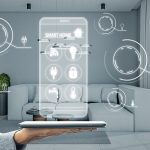
The Internet of Things connects physical objects to the internet, enabling real-time data exchange and automation. In flexible interiors, IoT devices can communicate with modular furniture components, lighting, HVAC systems, and security to create seamless, adaptive environments.
For instance, smart meeting rooms can automatically adjust lighting and temperature based on occupancy detected by IoT sensors. Furniture can signal availability or maintenance needs, streamlining facility management. Employees can reserve workstations or collaboration zones via mobile apps that interface with IoT-enabled furniture, ensuring efficient use of shared spaces.
This level of integration not only enhances user experience but also supports sustainability goals by reducing energy wastage and optimizing resource allocation. Research by Cisco estimates that IoT applications in smart buildings can reduce energy consumption by up to 30%, translating to significant cost savings and environmental benefits.
Moreover, IoT systems can collect continuous data on space usage, helping organizations make informed decisions about layout changes or resource allocation. For example, during peak hours, additional workstations can be activated or lighting adjusted to enhance comfort and productivity. The ability to respond dynamically to user needs creates a more efficient and enjoyable environment.
Designing for the Future: Trends and Considerations
As flexible interiors become mainstream, several emerging trends are shaping their evolution:
– Personalization: IoT-enabled furniture can adapt to individual preferences, adjusting ergonomics and environmental settings automatically, improving comfort and well-being.
– Hybrid Workspaces: The rise of remote and hybrid work models necessitates spaces that can quickly transform to support varied activities, from focused solo work to collaborative brainstorming.
– Sustainability: Modular furniture designed for durability and recyclability, combined with IoT-driven energy efficiency, aligns with corporate sustainability commitments.
– Data-Driven Design: Continuous data collection through IoT facilitates evidence-based decisions on space planning and resource allocation, enhancing operational efficiency.
According to a survey by McKinsey, 80% of organizations plan to increase investment in smart building technologies within the next five years, reflecting a growing commitment to flexible, tech-enabled work environments. This momentum drives innovation in both modular furniture design and IoT applications.
Incorporating these trends requires a holistic approach that balances aesthetics, functionality, and technology. Designers and facility managers must collaborate closely to create environments that not only meet current demands but are also future-proof.
Overcoming Challenges in Smart Modular Interiors
Despite the clear benefits, integrating smart modular furniture and IoT in flexible interiors presents challenges that organizations must address:
– Interoperability: Ensuring that various IoT devices and modular components communicate effectively demands adherence to standards and robust system architecture.
– Privacy and Security: Collecting data through IoT sensors raises concerns about user privacy and cybersecurity, necessitating stringent policies and protective measures.
– Cost and ROI: Initial investments can be significant, so businesses must carefully evaluate the long-term value and operational savings enabled by smart flexible interiors.
– User Adoption: Technology and design changes require user training and engagement to fully realize benefits.
Proactively managing these issues is essential. Strategic planning, partnering with knowledgeable vendors, and fostering a culture of adaptability can smooth the transition to smart modular interiors. Additionally, involving end-users early in the design and implementation process increases acceptance and ensures that solutions meet real needs.
Conclusion
Flexible interiors powered by smart modular furniture and IoT technology represent the future of workspace design. These adaptive environments support evolving business needs, enhance employee experience, and promote sustainability. By leveraging industry expertise and embracing emerging trends, organizations can create spaces that are not just functional but intelligently responsive.
As the workplace continues to transform, investing in flexible, technology-integrated interiors will be a key competitive advantage. Businesses that prioritize adaptability and innovation in their environments will be better positioned to thrive in an ever-changing landscape. The fusion of modular design and IoT is not just a technological evolution-it is a fundamental shift in how we conceive, create, and inhabit our workspaces.