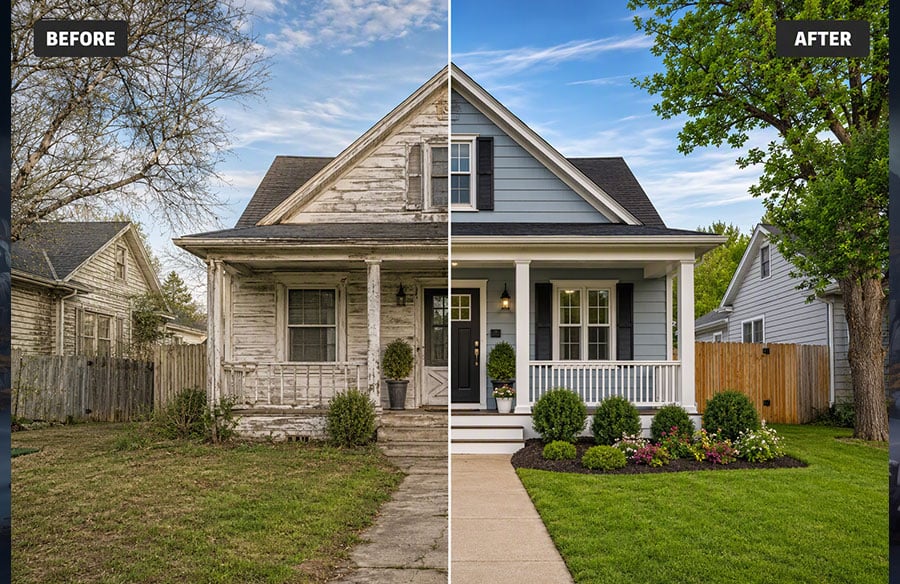
When something in an aging home starts to fail, you need to ask three things. Fix it if the problem is small and that part can still be used for some time. Upgrade it when it still works, but you feel it does not give you the safety, comfort, or better use you want now. Replace it if you have to fix the same thing again and again, or you cannot get the parts you need, or if it is now a real danger to people in the home.
Older homes are full of charm and have strong structures. There is often a good feel to the neighborhood, too. But in these houses, things like the roof, furnace, water heater, garage door, and wiring were put in at different times. Because of this, each part has its own time to wear out. They do not stop working at the same time.
That is very true in a place like Broken Arrow, Oklahoma. The weather in this area can be tough, with hail, ice storms, strong spring storms, and long, hot summers. All of these things can cause wear and tear to homes every year. This guide talks about the main systems in an aging home. It will help you know what to do for each one.
How to Judge What an Aging Home Needs
Age and Expected Lifespan
- Every system has a usual life. When you know when yours was put in, you can tell how much longer it might work.
- Look at labels, receipts, reports from checks, or serial numbers to find out when it was put in.
- A thing close to the end of its normal life is often a better choice to change than to fix.
Repair History and the 50 Percent Rule
- If you see the same problem over and over, it may mean that the item is wearing out in general.
- A lot of contractors say if fixing something costs more than half the price of getting a new one, and it’s already old, then buying a new one might be the best choice.
- Keep a simple note of all the repairs you do, so you can see if there are any patterns as time goes on.
Safety and Efficiency Come First
- Anything that can lead to injury, fire, flooding, or gas exposure needs to be dealt with fast.
- Old gear usually uses more energy than new ones. This makes monthly bills go up.
- Rules for buildings and safety get updated over time. Old systems might not have the safety features now found in new ones.
Roofs, Windows and Siding
The outside of an aging home faces a lot from the sun, wind, and hail. If you find the damage early, you can often do a simple fix. This may help you avoid a big and costly replacement.
When a Roof Needs Repair vs. Replacement
- A few shingles that are missing or have cracks after a storm can often be fixed.
- If you see many curls, bare spots, or lots of granules in the gutters, your roof might be close to needing a full replacement.
- Asphalt shingle roofing usually lasts about 20 to 30 years. Hail can make them wear out faster. After a big hailstorm, it is a good idea to have someone check your roof, even when you do not see any problems from the ground.
Window Repair or Upgrade
- Broken latches, old seals, and drafty sashes can be fixed.
- Fog between two sheets of glass means the seal is broken. The glass unit has to be replaced in that case.
- Frames that are rotting, glass that is cracked, or single-pane windows that feel very drafty are signs that you should put in new windows.
Beyond function, new windows can dramatically alter a home’s aesthetic, improving curb appeal and interior light quality. Modern window designs also offer superior insulation, contributing to a building’s overall energy performance and occupant comfort.
Siding Damage After Storms
- Small hail dents in metal or cracks in vinyl might not look so bad, but holes and loose panels let water in.
- Soft spots, bubbling paint, or mold on siding can show that moisture is getting behind it.
- If damage is over a large area, replacing the siding can be better than just patching it.
Heating, Cooling, and Water Heaters
These systems keep working most of the time quietly. You may not notice them until one day, they stop working. If you know how long these usually last, you can plan ahead. That way, you will not deal with a sudden breakdown during a heat wave.
HVAC Lifespan and Warning Signs
- Central air conditioners can last about 12 to 15 years. A furnace might last longer if you take care of it.
- The long and hot summers in Oklahoma make air conditioners work for many months in a row.
- If you see higher energy bills, feel different temperatures in each room, hear odd noises, or need repairs often, your system may be getting old.
Efficiency Upgrades Worth Considering
- A smart thermostat helps stop lost heat or cool air. You do not need to put in a new system.
- Sealing ducts that leak can make rooms feel better. It helps in spaces that do not feel cool.
- If you need something new later, pick a unit that saves power. It can lower your bills every month for many years.
Doors, Openers and Moving Systems
Anything that moves will wear out more quickly than parts that do not move. Doors and openers in an older home often get noisy, sag, or move slowly before they stop working.
Entry Doors: Adjust, Reseal or Replace
- A door that sticks or drags might just need the hinges tightened or moved a bit.
- Old weatherstripping and door sweeps can be fixed easily, and these changes don’t cost much.
- When wood is rotting, frames are cracked, or the door won’t lock right, it is good to get a new one.
Garage Door Springs, Cables and Hardware
- Standard torsion springs can last for about 10,000 cycles up and down. Many families use up all those cycles in less than ten years.
- You might hear a loud bang from the garage. A door could feel very heavy, there might be frayed cables, or you might see the door hanging at a slant.
- The springs and cables are under a lot of tension. Do not try to fix these on your own. When these parts are worn or broken, it is best to get Garage Door Repair done by the experts.
- If your door has panels with cracks, rust holes, or is bent out of shape, replacing the door could be better than fixing each problem by itself.
Garage Door Openers: Fix or Upgrade?
- Most garage door openers work for about 10 to 15 years. How long they last can depend on how you use and take care of them.
- Some usual problems are worn gears, bad sensors, or trouble with the remote. Many times, you can fix these with opener repair.
- If your opener was made before 1993, it may not have the safety feature that makes it go back if something is in the way. These should be replaced to be safe.
- New garage door openers can be quieter because of belt drives. They may have battery backup and can send alerts to your phone if the door is left open.
Plumbing and Electrical Red Flags
Some things in an aging home can wait until you have the budget or the right season. But small issues with plumbing or anything electrical often cannot wait. A small plumbing or electrical problem can get worse fast and might even lead to water damage or a fire.
Plumbing Warning Signs
- Low water pressure in the whole house can mean there are old and corroded pipes.
- Water stains on your ceilings or walls, or a water bill that goes up for no clear reason, can show you there is a hidden leak.
- Slow drains in more than one place at the same time might mean there is a problem in the main sewer line.
Electrical Warning Signs
- The lights flicker, circuit breakers trip many times, or outlets feel warm. These need to be checked fast.
- A burning smell near outlets or the electrical panel is a sign of trouble. This is an emergency.
- Two-prong outlets or not enough outlets in the kitchen or bathroom mean the wiring is old.
Older Materials Worth Replacing
- Galvanized steel pipes are found in many older homes. They can rust from the inside as time goes by.
- Polybutylene pipe was used in a lot of homes put up between the late 1970s and the mid-1990s. This type of pipe is known to break without warning.
- Aluminum branch wiring and some older electrical panels can have safety issues. You should get a licensed electrician to check them out.
The choice of internal materials, from piping to wiring, fundamentally impacts a building’s longevity, safety, and environmental footprint. Architects and designers increasingly prioritize durable, sustainable, and efficient systems to ensure a structure’s long-term viability and adaptability.
These are just a few things people see in older homes, especially when it comes to pipes and wiring.
Making the Call: Costs, Timing and Professionals
Once you find out what problems there are, the next thing to do is make a plan on how and when to fix them. If you do things at the right time and get the right help, you can save money. This also helps keep your stress low.
Average Costs to Keep in Mind
- In 2025, remodeling data across the country shows that replacing a garage door costs about $4,672 on average. You can get back about 268 percent of this amount when you sell your home.
- The data also says that putting in a new steel entry door costs around $2,435.
- Most times, repairs cost less right away. So, you should look at how much repairs will be, along with how old the item is and how much longer it will last, before you pick what to do.
Planning Around Oklahoma Seasons
- Get heating systems checked in early fall. Get air conditioners serviced in early spring. Do this before the busy season starts.
- Have your roof inspected after the spring hail season ends. This helps you find any damage before summer storms come.
- Check garage doors, seals, and openers before winter. Cold weather makes the springs and moving parts work harder.
Caring for a Home That Has Earned Its Years
An aging home does not always bring unexpected problems. If you know the age of the systems in your home and pay attention to warning signs, you can handle things as they come. Think about if you should repair or replace something before deciding. This helps you feel more in control of your money and the safety of your home. A bit of planning makes big problems feel smaller, so you can take care of them as normal jobs instead of emergencies.
If your garage door makes too much noise, feels heavy, or takes a long time to open, it can be a good idea to get it looked at. A small issue can lead to bigger trouble later.