Long before the glass walls of modernism, the schoolhouse was created as a model for discipline. Early educational architecture was designed to provide oversight rather than inspiration. By embracing the rigorous symmetry and hefty masonry characteristic of the age, these buildings served as ‘civic anchors’ that stressed institutional power above individual liberty. Every corridor was a conduit, and each classroom was a compartment, resulting in a spatial hierarchy that precisely laid the stage for the industrial age.
The Factory Model: Late 1800
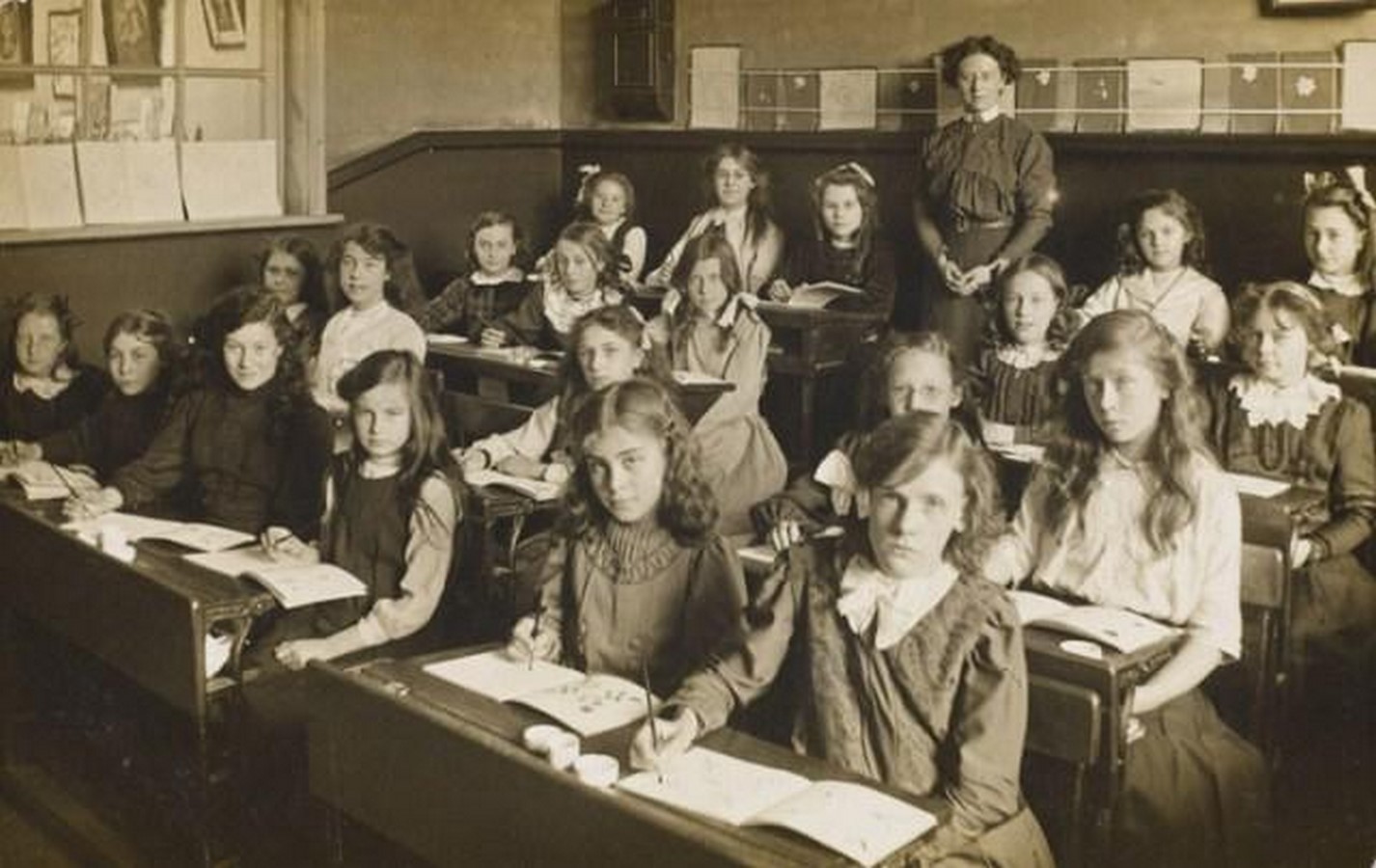
Conventional school systems, which we all see today, are a product of the industrial revolution, which led to societal transformation back in those days. Prior to the Industrial Revolution, schooling was a restricted source or medium for the elite class, while the working classes were deprived of it because of the status difference in society. But as the number of factories increased, there was a growing need for skilled laborers; hence, the need for an efficient and standardized education system became a necessity. The concept behind this model was accessibility and equality, hence prioritizing mass education, including a large group of students at a standardized pace. This model was influenced by the Prussian education system, which was largely influenced by the Prussian army, which was known for inculcating highly disciplined and organized standards among citizens who were in the future supposed to serve the state.
As a result, the Factory Model of education adopted key principles from the Prussian system, including standardized curriculum, grade levels, and teacher-centric instruction, all seen as efficient tools for preparing students to meet the demands of an
An increasingly industrialized society, which ultimately had an impact on designing such spaces. Though this type of system was needed by society back in the 18th – 19th century, the question that remained was whether this system proved efficient for modernised or developing society and users, who were mostly students.
If we look deep into this model, it has a lot of Architectural and structural shortcomings, such as a rigid layout, a uniform size of classroom to accommodate a large group, and rows of benches resembling a factory, with large, never-ending, narrow corridors leading to poor building design, as it lacks ventilation and poor lighting. There was no scope for modification on the basis of project-based or collaborative learning. While the factory-inspired architecture supported discipline and efficiency, it often stifled learning potential. Students were confined to passive instruction, and the buildings themselves were ill-suited for fostering creativity, critical thinking, or individualized instruction. Over time, educators recognized that the physical environment needed to support diverse learning styles, leading to more flexible and student-centred school designs in the 20th century.
The Hygiene Revolution: George Widdows (1871-1936)
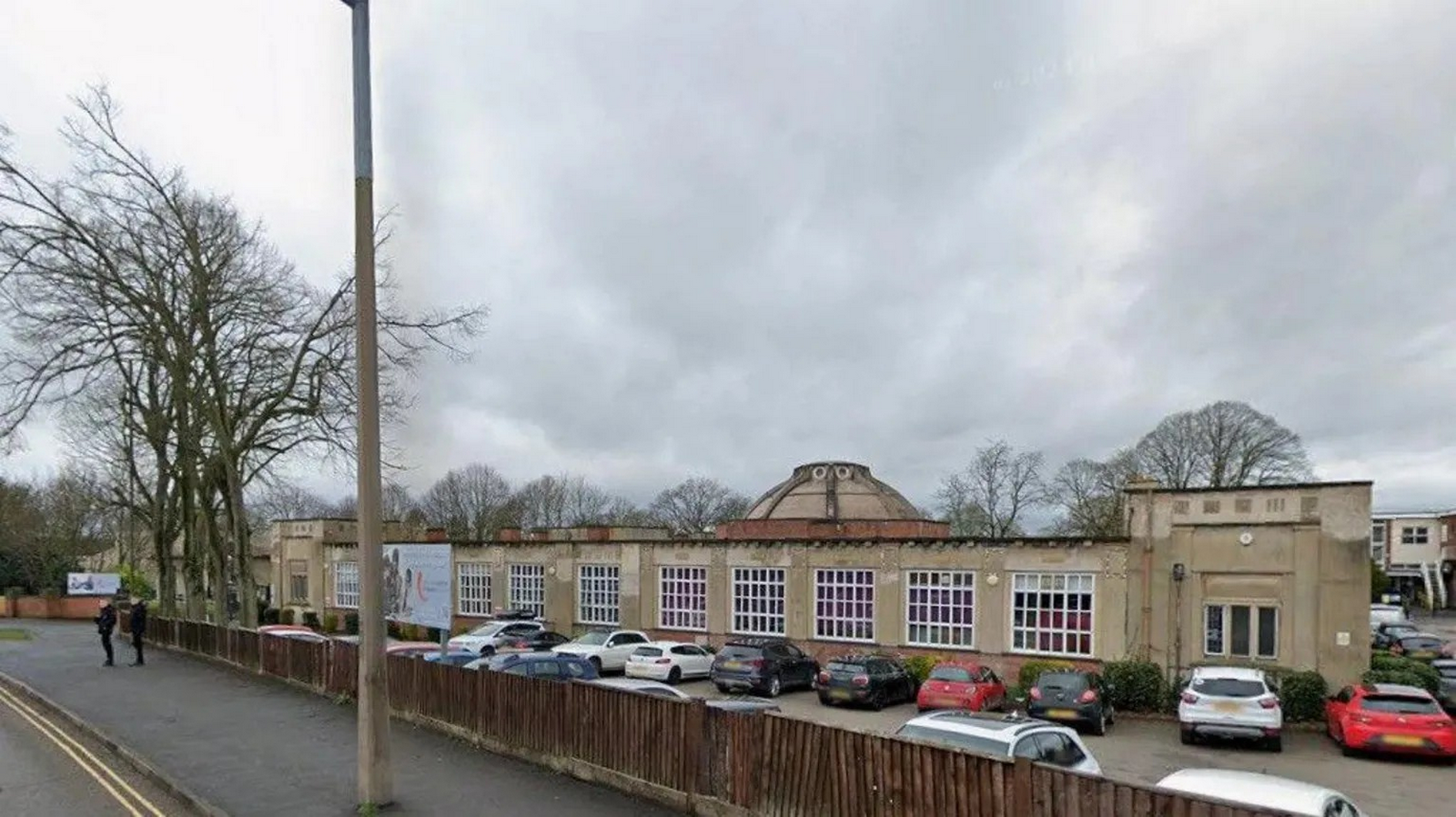
George Widdows (1871-1946) was an English Architect who played a crucial role in revolutionizing School design by shifting the focus from a uniform, rigid “Factory-Style” of structure to an environment that prioritized children’s health, well-being, and hygiene. After county governments were given control over schools in 1902, Widdows, a native of Norwich, was appointed as an architect to Derbyshire’s education committee in 1904. With the help of his medical officer, Sidney Barwise, and two deputy architects, C. A. Edeson and T. Walker, he served as Chief Architect for Derbyshire County Council from 1910 to 1936. During that time, he created seventy schools that were regarded as cutting edge and modern.
Widdows famously revised the architectural hierarchy in School design, in which Pupils were first and foremost important, followed by teachers, gardens, and buildings. He was the first one of the period to introduce healthy classroom features.
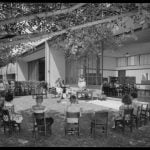
Key architectural features in Widdows School design included centrally placed verandas and courtyards surrounded by classrooms, which made sure that students had access to fresh air while moving between lessons with covered corridors. He introduced cross ventilation for fresh air movement by designing windows on sides, ensuring constant air movement and welcoming natural light. He designed wide internal corridors that could be used as space for exercise during inclement weather. Despite being expensive, Widdows insisted on using high-quality, locally sourced, traditional materials and aesthetic design layout to create a mentally stimulating environment. He often used Neo-vernacular style in his design works.
The schools in Derbyshire back in the days were recognized as some of the best and revolutionary school designs according to Historic England, and were quite popular in the Western world.
The Functionalist Revolution: Walter Gropius (1883-1969)
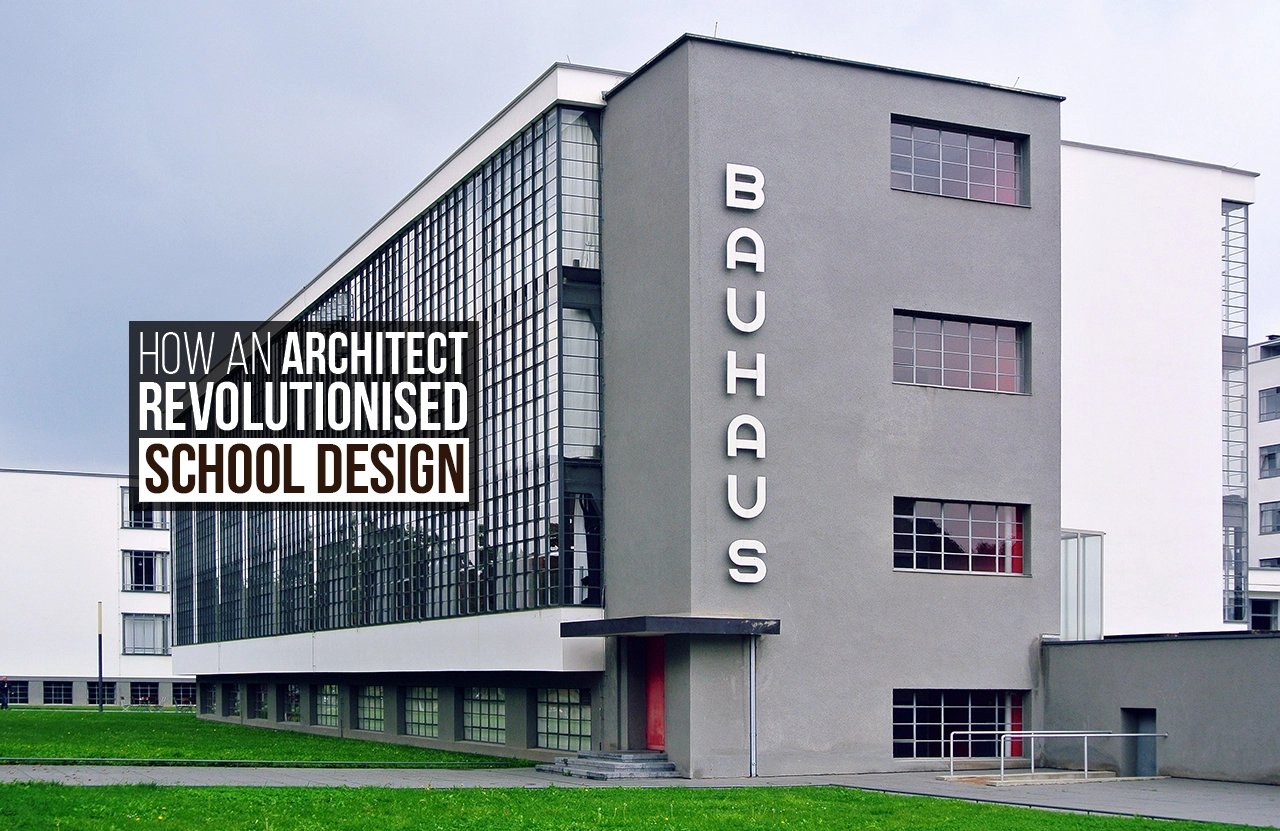
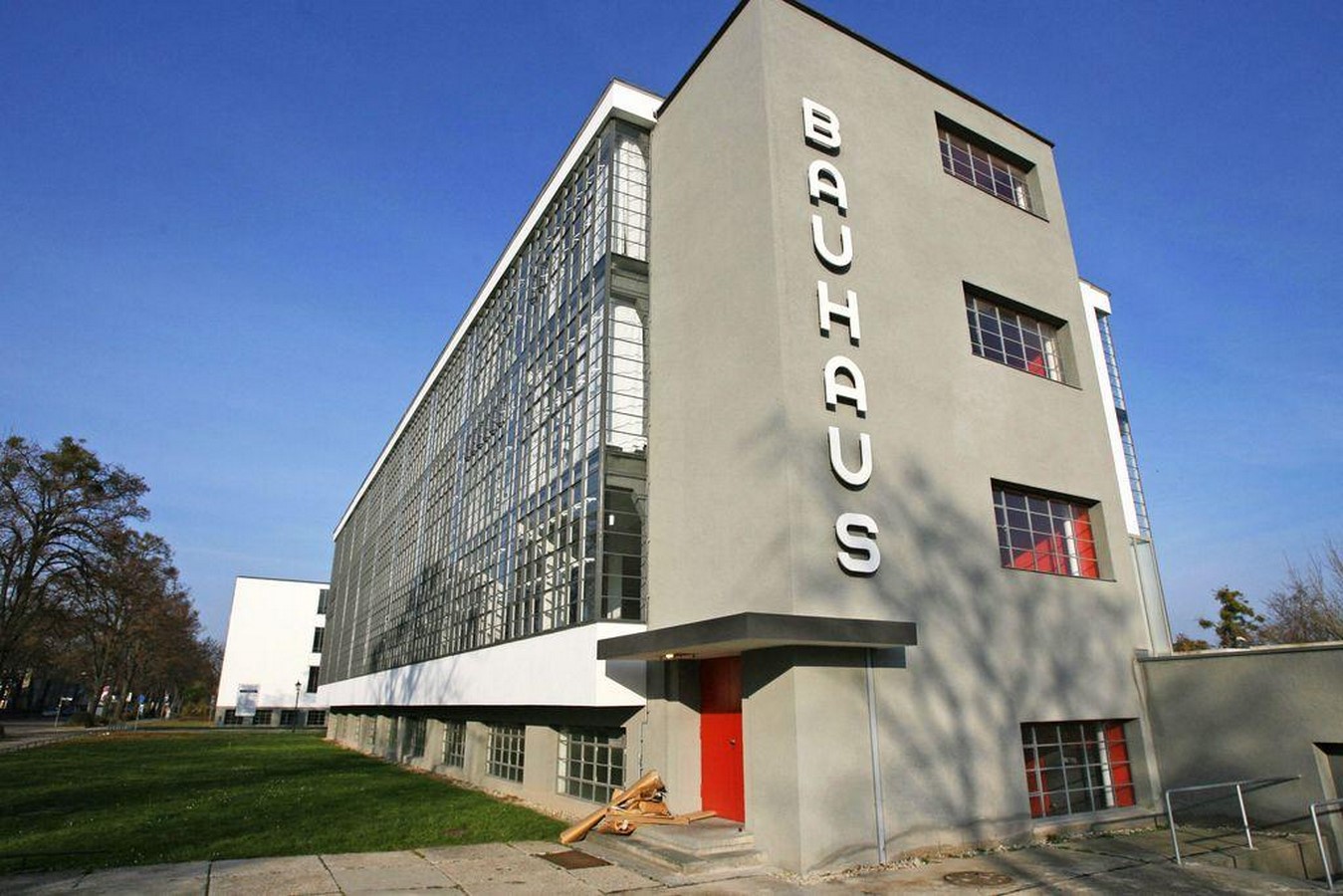
Walter Gropius (1883-1969) was a German Architect and the founder of the Bauhaus School. He revolutionized school design by introducing the international style. His approach was to move away from ornate historic buildings to functional spaces and industrial efficiency. Before starting employment with Peter Behrens in 1907, he studied in Munich and Berlin. He was appointed director of the Staatsliches Bauhaus Weimar in 1919. He created a new school and houses for the Bauhaus when it relocated to Dessau in 1925. The building’s dynamic International Style composition, asymmetrical layout, pure white walls with horizontal windows, and flat roof set it apart as a monument to the Modernist movement. Gropius’ design was a departure from the 19th-century manufacturing paradigm, emphasizing open and interdisciplinary cooperation.
At the Bauhaus, he moved structural columns inside the structure, allowing the exterior to be made completely of glass. These curtain walls flooded the classroom and workshops with natural light, which helps in increasing students’ focus. It made the learning process visible to the public. He abandoned traditional symmetrical building layout and followed the principle of form follows function. He arranged the school into distinct wings as per their function. The workshop wing has massive glass windows for creative work; while on the other hand, the classroom wing consists of comparatively smaller ribbon windows for a more concentrated space. All these wings were connected by a bridge comprising an administration unit. Provided a literal pathway between theory and practice. This asymmetrical design ensured every room received a specific amount of light and ventilation as per its function.
He believed that the building itself should act as a teaching tool. So every detail in structure, from walls, lettering, and fixtures, was designed and crafted by the school’s own students and faculty, turning the space into a teaching lab.
The Indoor Outdoor Revolution: Richard Neutra (1892-1970)
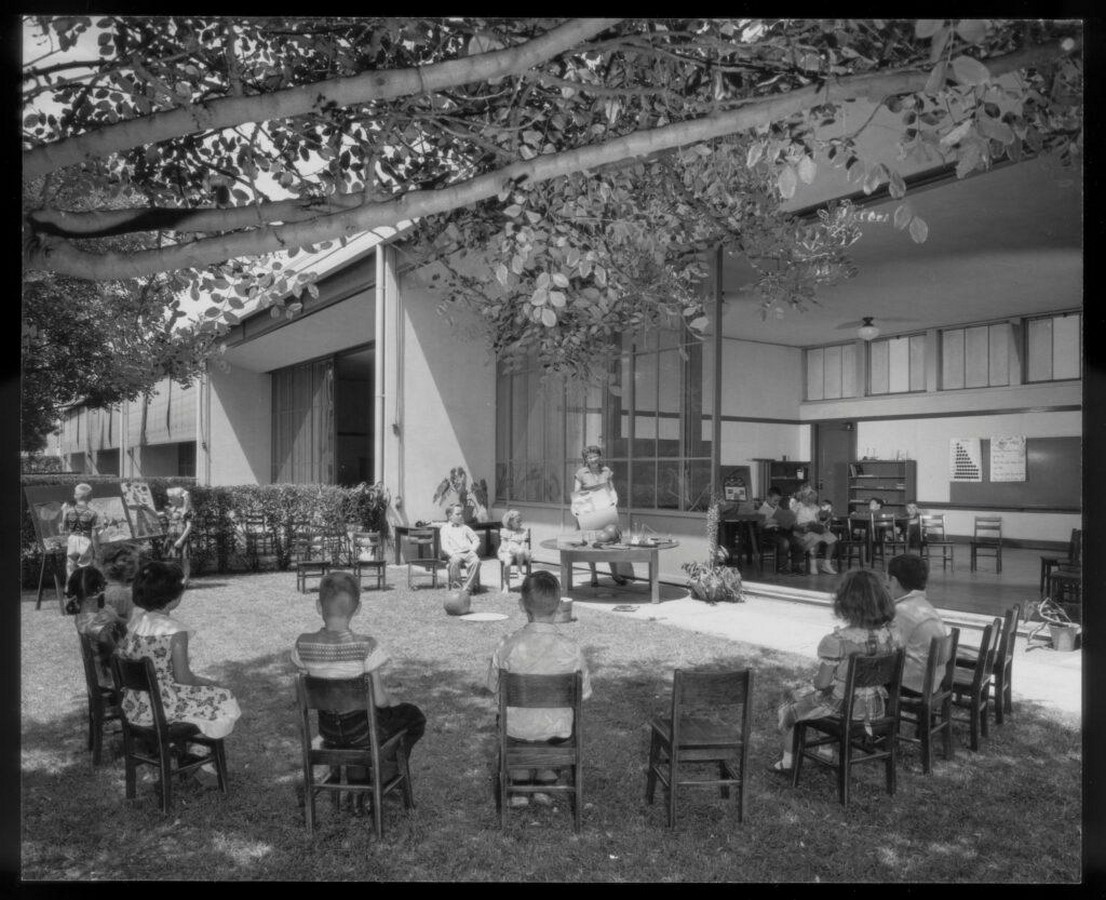
Richard Neutra (1892-1970) was a Jewish-Austrian Architect who brought “California Modern” aesthetics to school design. He broke the physical barrier between the indoor classroom and the outdoor world. Neutra’s philosophy of Biorealism argued that buildings should be designed in harmony with biological and psychological needs. He was a strong believer in the idea that nature doesn’t distract one from study but is a requirement for it.
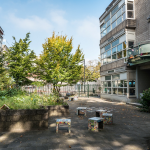
In Corona Avenue School in Los Angeles, he replaced solid exterior walls with floor-to-ceiling sliding doors. This allowed an entire classroom to literally spill out in to private garden hence incorporating nature with built structure. He moved away from dark internal hallways to external walkways so that each classroom has windows positioned in such a way as to allow cross ventilation. He also used natural materials like wood, stone, and glass to provide a sensory-rich environment that reduced students’ stress and improved focus. By playing with classrooms shape he created natural nooks for different types of learning spaces without the need for permanent walls.
Neutra shifted the architect’s role from a builder of monuments to a spatial pedagogue. He championed the art of lightweight modules and flexible furniture, allowing schools to grow and adapt.
The Social Revolution: Herman Hertzberger (1932)
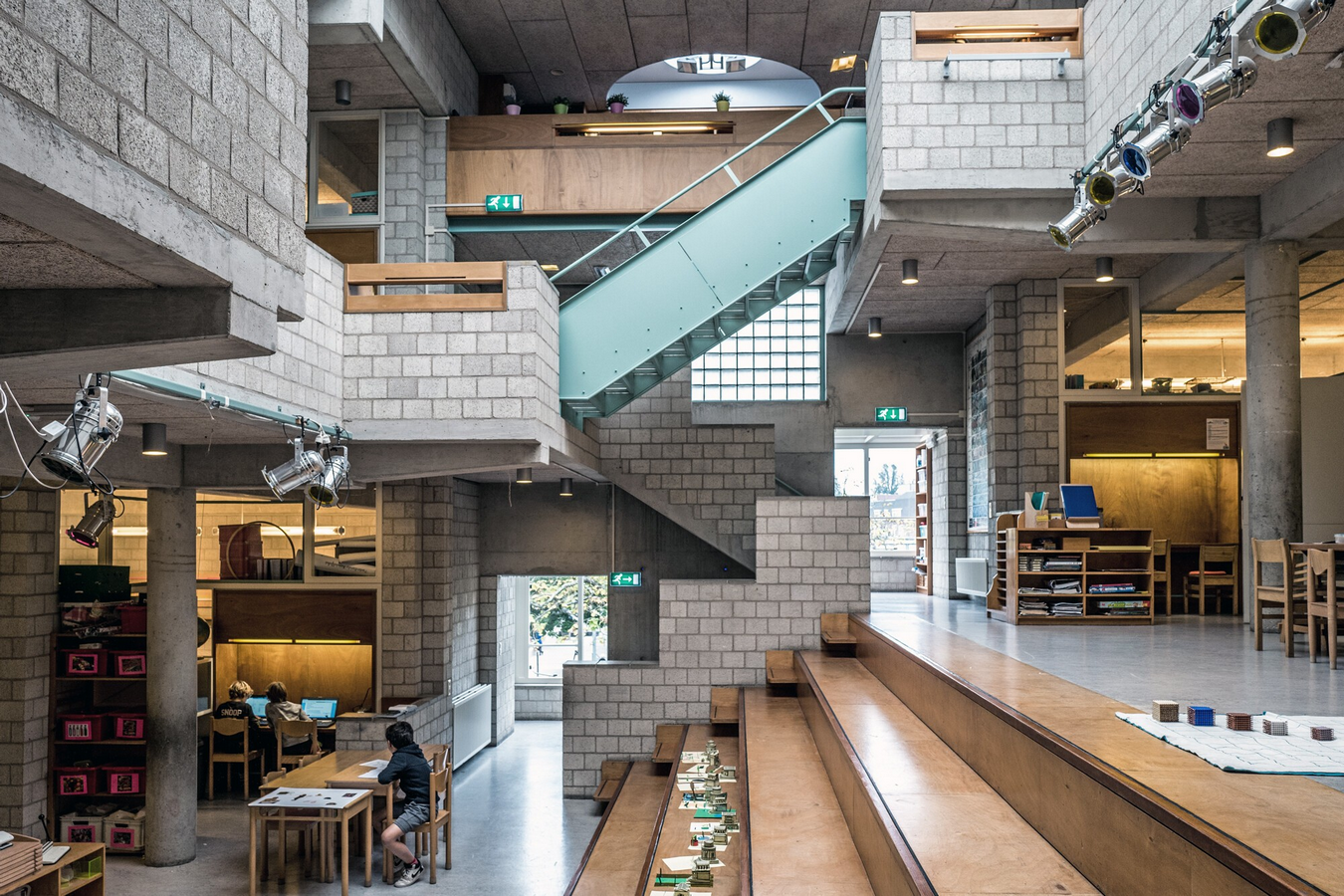
Herman Hertzberger (1932), a Dutch Architect revolutionized School design by reimagining school not as an institution but as a micro city or urban landscape. He challenged the modern ideology of form following function by creating a structural framework that would allow students and teachers to define how they want to inhabit or adapt a particular space. His work shift institutional focus from rigid teacher led classrooms to a social student-driven space.
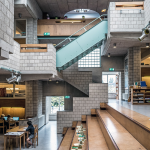
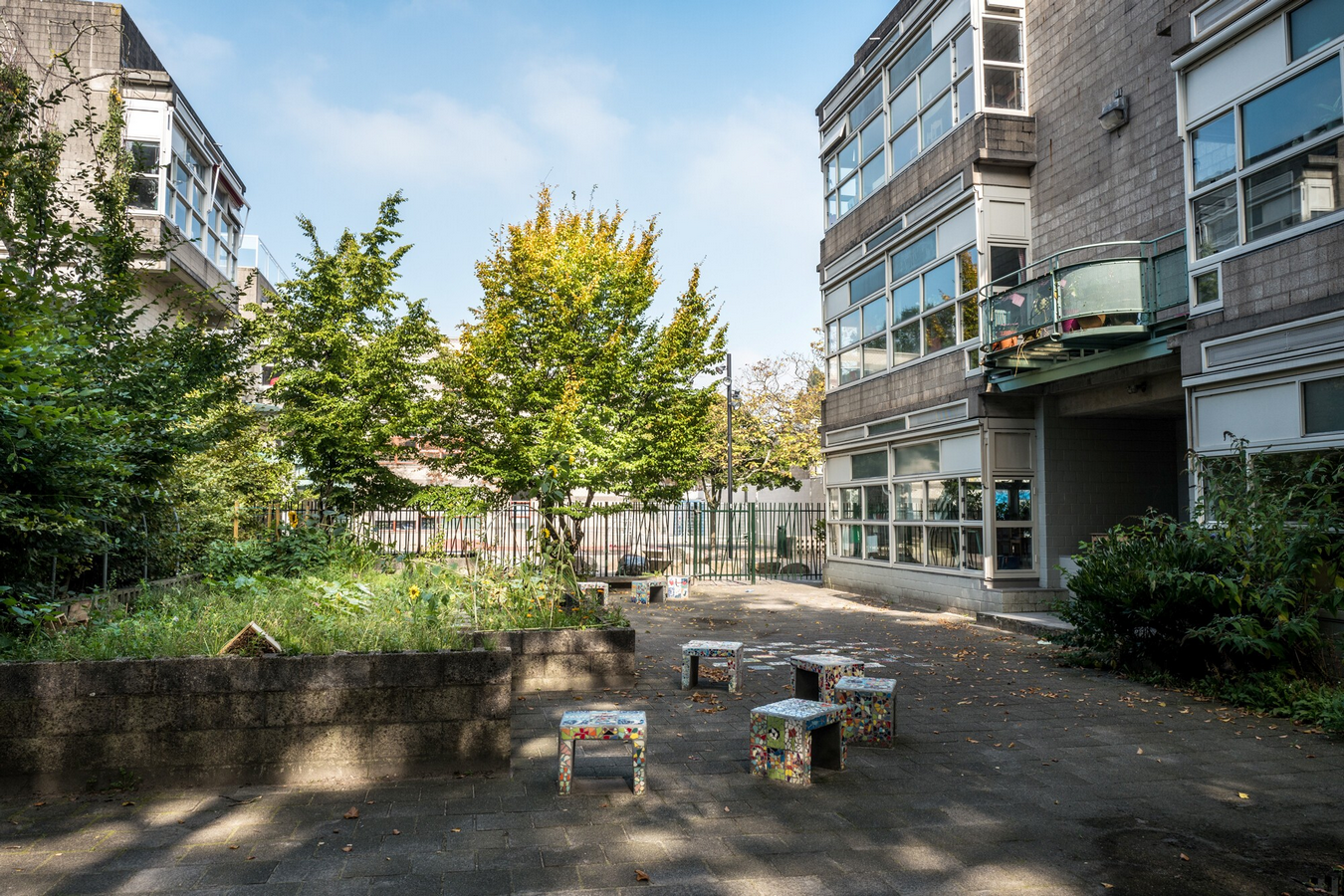
He replaced dead, narrow corridors with wide, active streets where the walkway acts as a learning corridor and a place where students can socialize. These spaces included niches and in between zones that serves as informal reading nooks and meeting points. He popularized the use of large, central wooden steps that work as a circulation pathway, informal seating space for students, or a stage for performances.
He had mastered a way to incorporate polyvalent design so as to create spaces with a character that can be accommodated and interoperated as per uses over a period of time. Even though he designed primarily in the Netherlands, he served as a global benchmark for a user-centred way of designing schools.
The Children-Centric Revolution: Mary & David Medd (1907-2005)
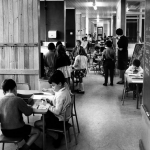
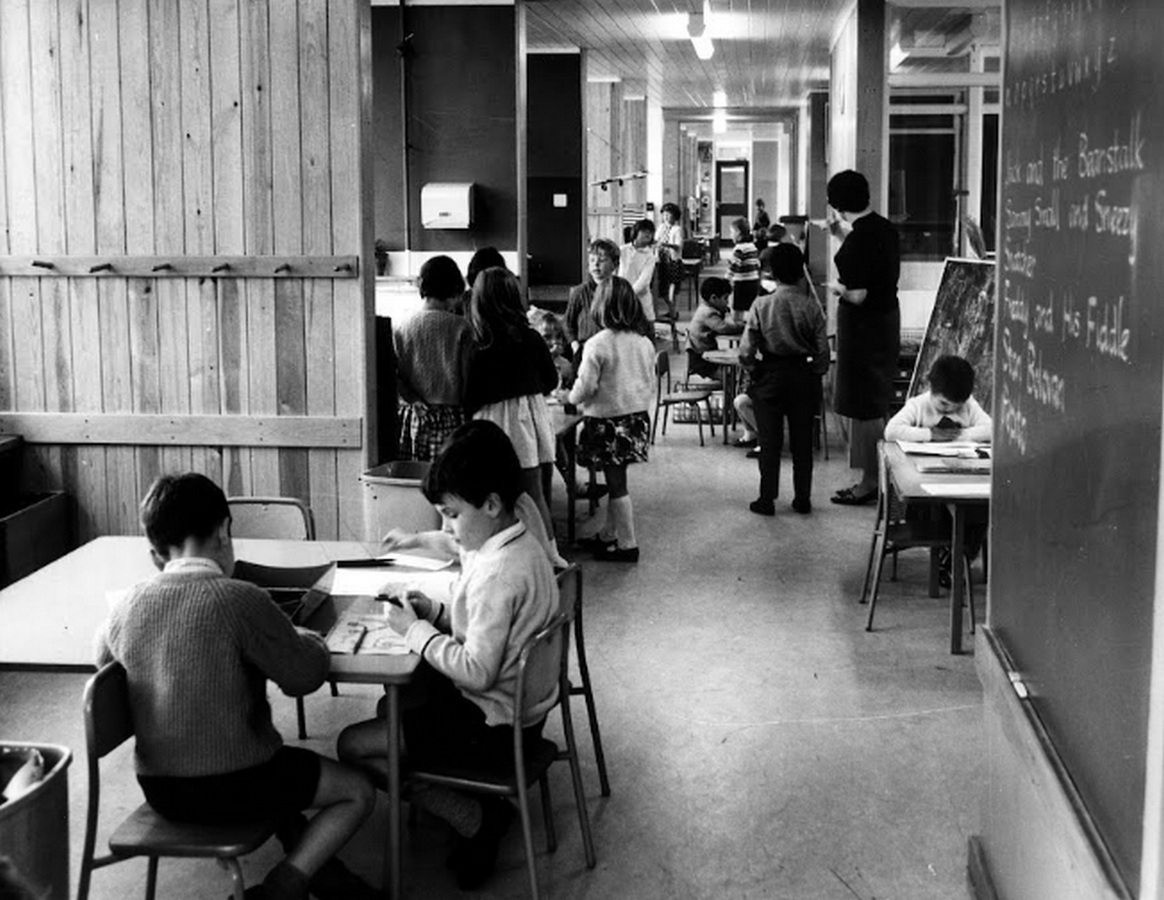
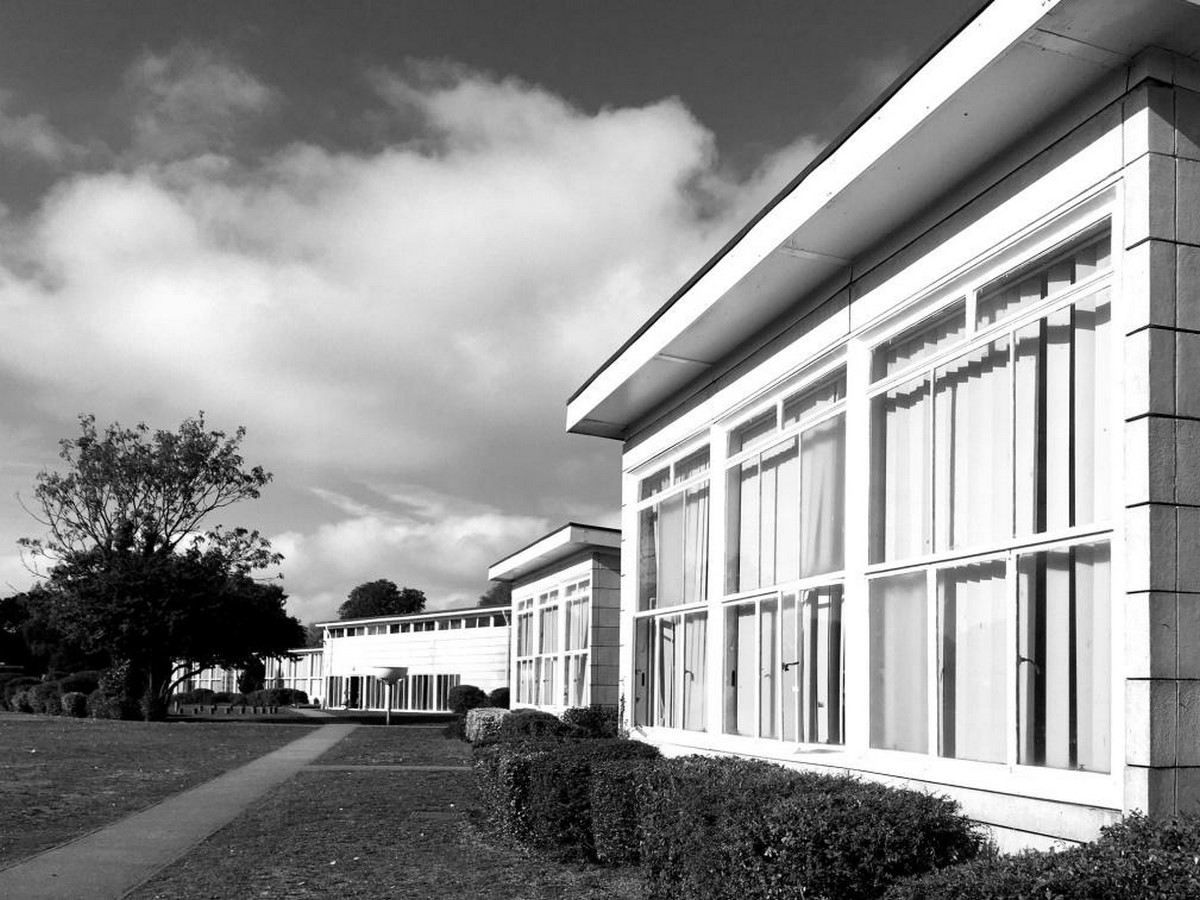
Mary and David Medd were a formidable husband and woman architectural partnership who significantly transformed British schools following World War II. Working within the educational ministry, they demolished the factory and replaced it with a domestic landscape that felt more like home. Before Medds, schools were meant to be easily supervised by adults. They inverted it to make it more child-friendly by lowering window sills so that children could see the garden, developing a connection with nature, which is critical for psychological well-being. They developed little bays that provided a sense of protection while also serving as locations for small group activities. From the sink to the fixtures, everything was sized to the child’s physical size, instilling a sense of belonging. They used lightweight, stackable, and transportable furniture, allowing students and teachers to relocate desks and storage, transforming spaces to meet their demands and functions. They avoid utilizing corridors, instead grouping schools around a central shared space to facilitate interaction among children of different ages.
Working inside ministry, they formalized their research-driven design into building code, establishing a gold standard for school planning around the world.
In this new era, the architect’s role has fundamentally shifted from being a “builder of boxes” to a choreographer of experiences. No longer just a technical specialist focused on structural integrity, the modern architect acts as a spatial pedagogue, designing environments that subtly guide how a child thinks, moves, and connects with others. By weaving together the “fresh air” principles of George Widdows, the transparency of Walter Gropius, and the child-centric intimacy of Mary & David Medd, today’s designer creates a silent, physical curriculum. In 21st-century Indian context seen in the climate-responsive screens of The Rajasthan School, the architect becomes a bridge between heritage and innovation, proving that a school can be a high-performance “learning machine” while remaining a soulful, breathing sanctuary. Ultimately, the architect’s greatest contribution is no longer the wall that encloses, but the light, air, and freedom that allow a student’s potential to truly take flight.
Reference List:
Hunt, Dan. “How an Architect Revolutionised School Design.” Share.google, BBC News, 21 Mar. 2026, share.google/oXmAmwroIaHb62B4S. Accessed 29 Mar. 2026.
Rodriguez, Marta. “Learning beyond Walls: The Urbanism of School Design – Habitable City.” Habitable City, 8 May 2025, habitable.city/learning-beyond-walls-the-urbanism-of-school-design/.
Montessori Architecture. (n.d.). Montessori-Architecture.org. https://montessori-architecture.org/repertoire/apolloscholen/
Nasir, O. (2024, April 22). Walter Gropius: A legacy in modern architecture and design. https://parametric-architecture.com/walter-gropius-a-legacy-in-modern-architecture-and-design/
ByArchova-6. (2025, April 6). The Evolution of School Design: A Journey Through the Decades. Archova Visuals. https://archovavisuals.com/the-evolution-of-school-design-journey-through/
de, M. (2024, March 19). The Factory School Model – A Breakthrough of the Past, a challenge of the Present. Bloom. https://www.bloom.edu.ba/post/the-factory-school-model-a-breakthrough-of-the-past-a-challenge-of-the-present
Neutra Institute for Survival Through Design. (n.d.). Corona School. [online] Available at: https://neutra.org/project/corona-school/.
Independent, T. (2009). David Medd: Architect who revolutionised school design | The Independent. The Independent. [online] 26 Apr. Available at: https://www.independent.co.uk/news/obituaries/david-medd-architect-who-revolutionised-school-design-1674818.html.
E-flux.com. (2026). Linewize Filter by Qoria. [online] Available at: https://www.e-flux.com/architecture/education/322671/the-democratic-design-of-david-mary-medd [Accessed 29 Mar. 2026].