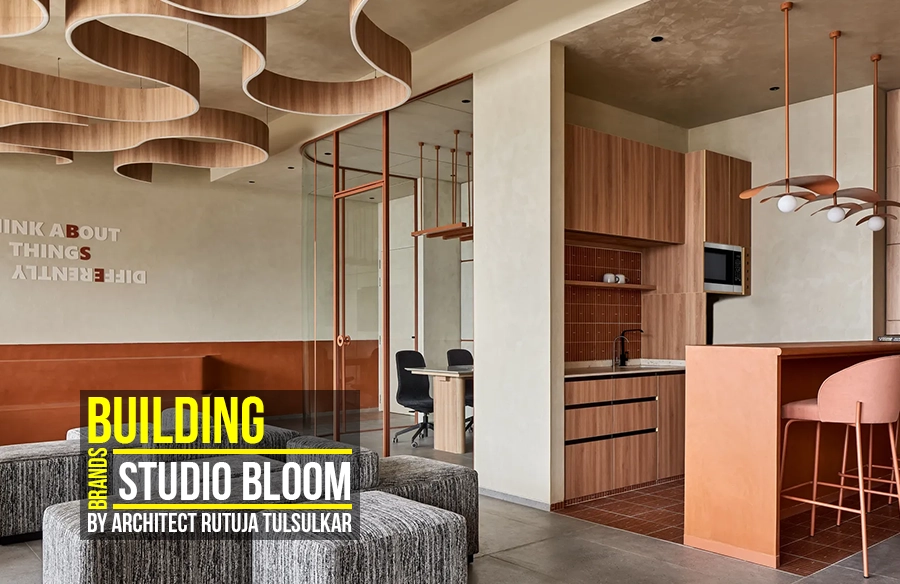
The ever-evolving interface of architecture and branding is a zone where vision and experience converge to create spaces not just for functionality, but for communication as well. Rutuja Tulsulkar, an architect and founder of Mumbai-based Studio Bloom, is a promising new voice in the field of branding and architecture. Her work is an example of the potential of thoughtful and narrative-based design to transform spaces and turn them into powerful statements of branding, especially in the highly competitive Indian hospitality and retail industries. Architecture is not just about building walls and roofs but about building experiences that evoke emotion and connect with the core of the brand’s philosophy. This article is a comprehensive overview of the philosophies and works of Studio Bloom.
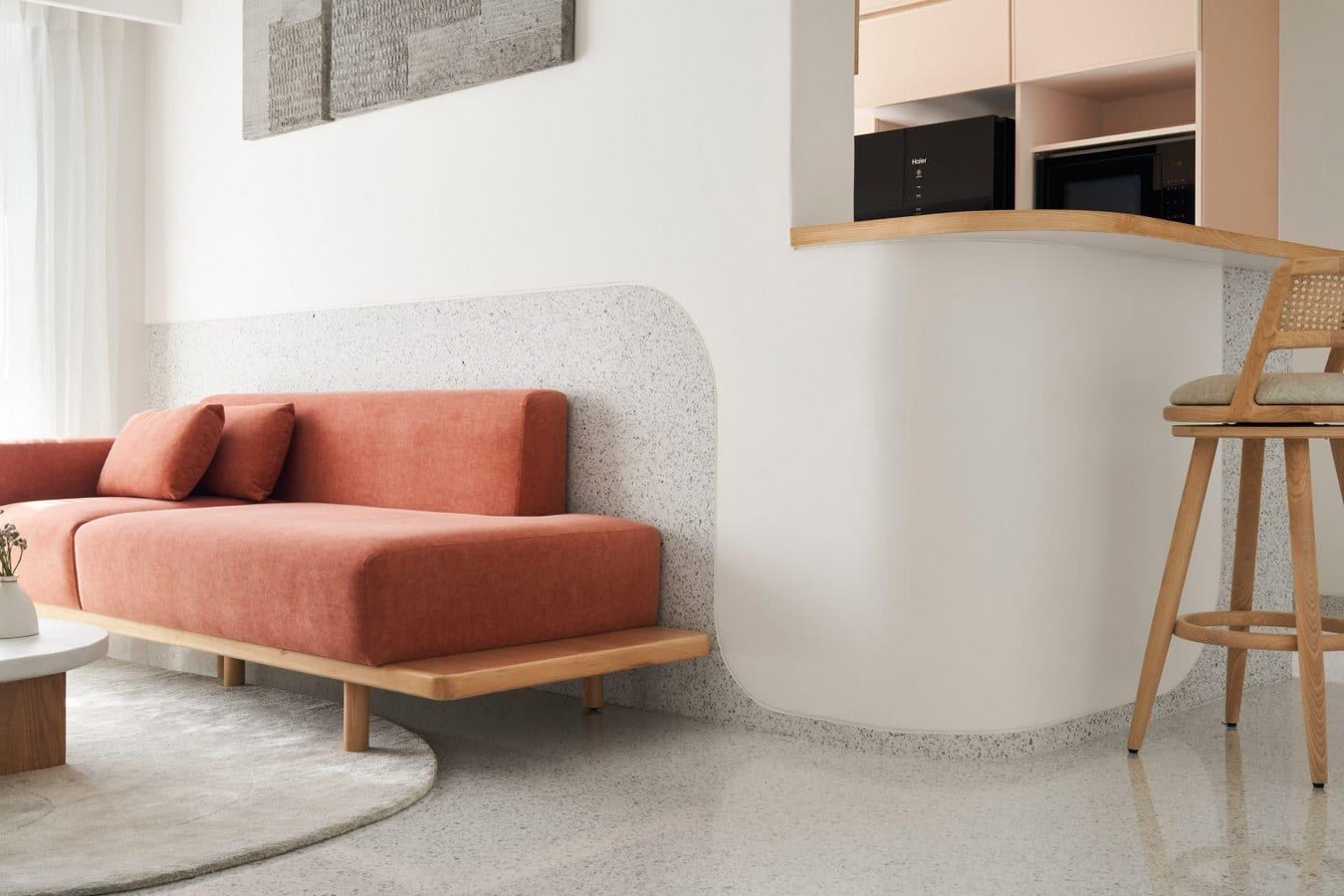
The Power of Spatial Narrative by Rutuja Tulsulkar
The design philosophy of Studio Bloom is heavily influenced by the concept of storytelling. Each project is initiated not by a physical blueprint, but by an experience of the client’s brand identity, their target audience, and their market presence. Tulsulkar goes beyond the general scope of the physical needs of the space and attempts to define the ‘why’ of the space. This involves gaining an understanding of the brand’s background, its objectives, and its core message. This is then interpreted and expressed physically through the architecture of the space.
In the case of retail, the space must not only showcase the product but also communicate the brand’s story and create a space that is unique and evocative. A fast fashion retail space would have a completely different architectural style compared to a high-end luxury retail space. The fast fashion space might need to have a high-energy space with dynamic lighting and display systems, while the high-end space needs to have an exclusive feel and display systems. This is where the visual articulation of the space by Studio Bloom comes in.
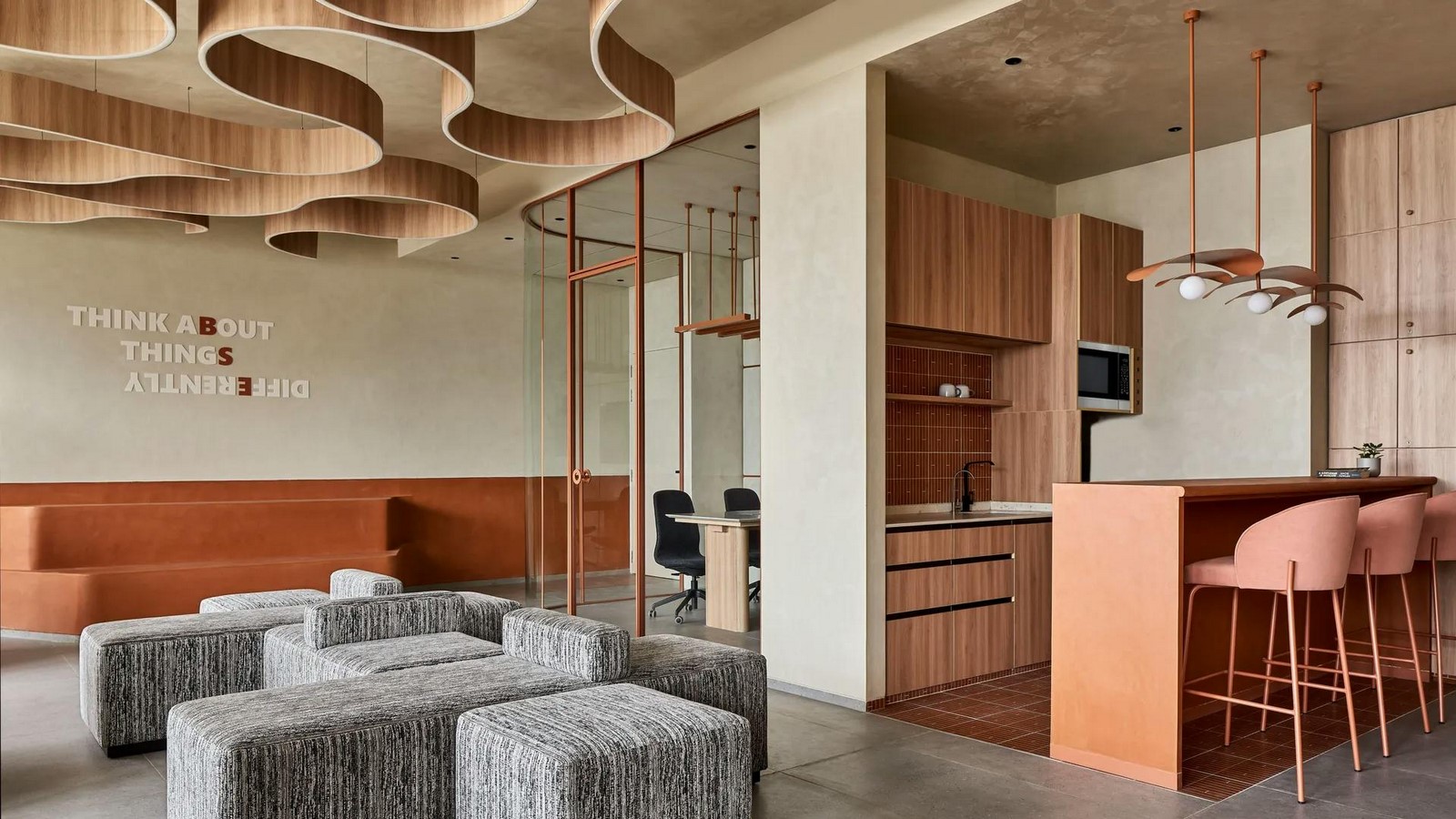
Case Study: [The Daily, Pune] – Fostering Community and Conviviality:
One of the best examples of how Studio Bloom might approach the business of building a brand through hospitality is their work with a cafe like The Daily. In a space where community and conviviality are the goals, the architecture of the space must be accessible, welcoming, and conducive to community-building.
Tulsulkar might have emphasized a sense of arrival and a natural flow within space. There would likely be a balance of space for quiet work and space for communal activity. Materiality is also a significant factor in creating a brand’s identity. Brick walls, wood textures, and perhaps even an open kitchen plan might speak to a certain level of authenticity and a casual attitude. Lighting would also be a significant factor, from a bright and welcoming daytime look to a softer, cozier look at night.
Client-Centricity as a Branding Strategy by Rutuja Tulsulkar
One of the most important elements of the branding strategy for Studio Bloom is the high level of collaboration involved in their design process. Unlike most design firms, which impose their style on the design, the firm’s design style mirrors the style of the client. This, in turn, makes for a high level of emotional connection for the user.
From the perspective of building a brand, this approach does two important things. It generates trust and loyalty and ensures each design is unique yet clearly “Studio Bloom”. The interplay between uniqueness and consistency is one of the most important factors in building a strong architectural brand. The designs created by the firm, be it residential, retail, or hospitality, all have a high level of consistency in their philosophy.
The Power of Subtlety in Branding by Rutuja Tulsulkar
In the current environment, where the likes of Instagram dictate the trends, Studio Bloom’s self-assurance is the biggest differentiator. The brand does not depend on dramatic forms or ideas. Instead, they focus on:
- Soft transitions between spaces
- Using natural light as a design element
- Emphasizing craftsmanship and materiality
This subtle approach is in sync with the global move towards conscious, sustainable, and emotionally intelligent design. At the same time, the firm is catering to a niche segment of clients who want sophistication over everything else. For instance, their kitchen space, which combines dramatic shades of emerald green with texture, showcases the use of colour as a dramatic element.
Cultural Context and Contemporary Relevance by Rutuja Tulsulkar
Another feature of the brand of Studio Bloom is its contextual awareness. It has a contemporary design sensibility but also adds cultural sensitivities to its work. This has helped the brand stay rooted while also being appealing to contemporary tastes.
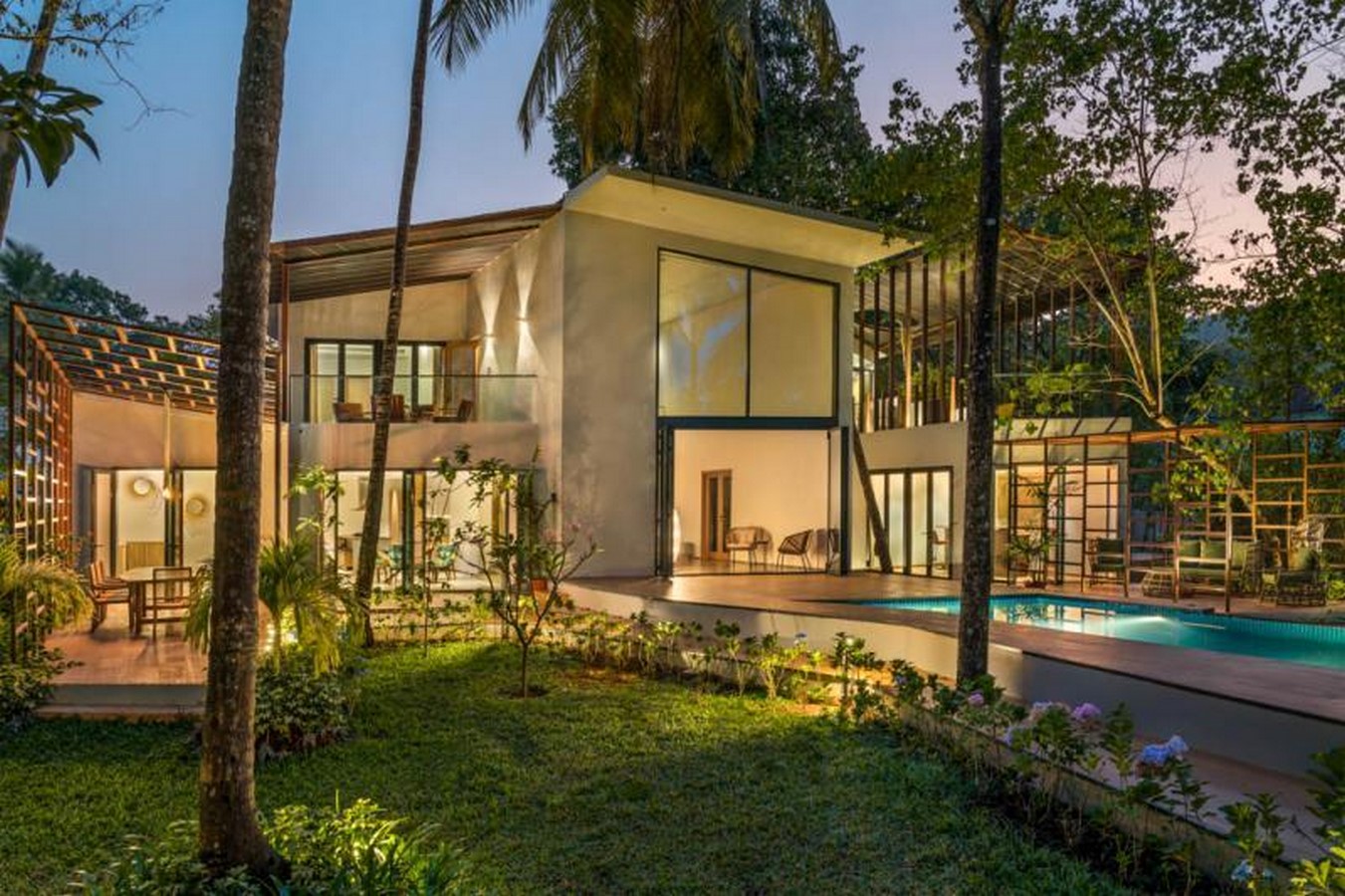
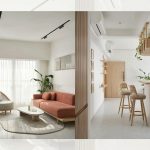
In the context of urban spaces like Mumbai, where space and lifestyle are constantly at odds with each other, the ability of Studio Bloom to create compact but richly evocative spaces is a reflection of its technical and cultural awareness. Its work on an 800 sq. ft. apartment space is a reflection of how compact spaces can be made to look cinematic.
Architect Rutuja Tulsulkar and Studio Bloom are a prime example of how architecture can be a powerful medium for building and strengthening a brand. Their focus on spatial narratives, materiality, and sensory experiences, along with sustainability, results in a space that is more than just a functional space; it is a living and breathing embodiment of a brand.
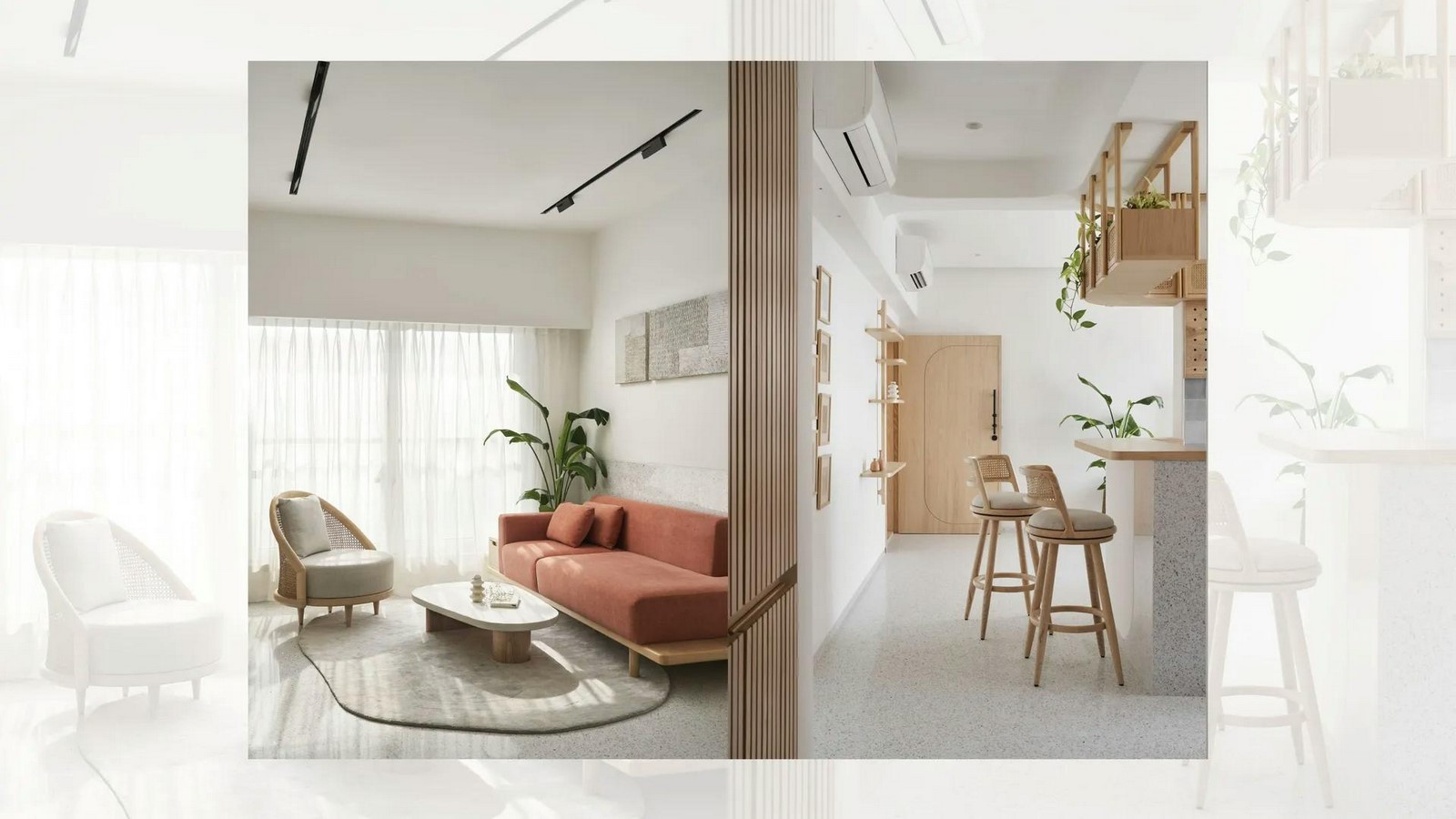
Creating a brand within architecture is not simply about being seen; it is about being remembered. Studio Bloom is a prime example of how architectural practices can be remembered through their clear direction, their use of design language, and their ability to connect on an emotional level. Under the guidance of Rutuja Tulsulkar, Studio Bloom has successfully created a brand that is understated yet powerful, personal yet relatable. Within a field dominated by visual excess, architecture practices like Studio Bloom remind us that it is not just about being seen but being felt.