Modernism: 1917 to 1965 – Timeline of prominent architectural styles
Modernism in architecture emerged as a transformative movement between 1917 and 1965, marking a departure from traditional styles and giving rise to innovative design principles. This period witnessed a profound shift in how architects approached their craft, embracing new materials, technologies, and philosophies that would shape the built environment for decades to come.
The Birth of Modernism
Breaking Traditions: A Paradigm Shift in Design
Modernism emerged as a response to the changing socio-political landscape following World War I. Architects sought to break away from the ornate and embellished styles of the past, focusing instead on functionality, simplicity, and a rejection of unnecessary ornamentation. The movement was a rebellion against the constraints of historical architectural conventions.
Key Characteristics of Modernist Architecture
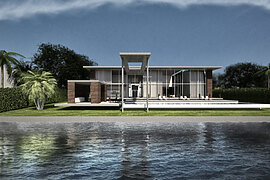
Modernist architecture is characterized by several key principles. Functionality takes precedence over form, emphasizing efficiency and purpose. Clean lines, geometric shapes, and the use of industrial materials became defining features of Modernist structures. Spaces were designed with an emphasis on natural light and open floor plans, fostering a sense of minimalism.
Influential Architects of the Modernist Movement
Le Corbusier: Pioneer of Modern Architecture
Le Corbusier, a Swiss-French architect, was a pioneer of Modernist architecture. His belief in the harmony between architecture and society led to the development of the Five Points of Architecture, which advocated for the use of pilotis, free design of the ground plan, free design of the façade, horizontal windows, and a roof garden.
Mies van der Rohe: Less is More
Ludwig Mies van der Rohe, a German-American architect, coined the famous phrase “less is more.” He championed simplicity and elegance in design, creating iconic structures like the Barcelona Pavilion and the Farnsworth House. Mies van der Rohe’s work exemplified the use of open space and minimalistic aesthetics.
Modernist Movements Across the Globe
International Style: A Global Phenomenon
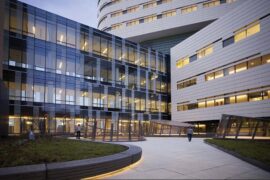
The International Style, a significant offshoot of Modernism, gained prominence in the 1920s and 1930s. Characterized by the use of glass, steel, and reinforced concrete, this style emphasized functionality and rejected regional ornamentation. Notable examples include the Bauhaus School in Germany and the UN Headquarters in New York.
Brazilian Modernism: Oscar Niemeyer and Brasília
Brazilian architect Oscar Niemeyer played a pivotal role in bringing Modernism to Latin America. His avant-garde designs, particularly evident in Brasília, the purpose-built capital of Brazil, showcased futuristic forms and a commitment to urban planning.
Legacy and Impact on Contemporary Architecture
Modernism’s Enduring Influence
The Modernist movement’s impact is enduring, with its principles continuing to shape contemporary architecture. The emphasis on functionality, open spaces, and the use of industrial materials has become integral to the design philosophy of many architects today.
Sustainable Modernism: A Contemporary Approach
In the 21st century, architects are revisiting Modernist principles with a focus on sustainability. The integration of green technologies, energy-efficient materials, and environmentally conscious design reflects a continuation of the Modernist ethos in response to contemporary challenges.
Conclusion
Modernism, spanning from 1917 to 1965, was a revolutionary period in the world of architecture. Architects such as Le Corbusier and Mies van der Rohe led the charge, ushering in an era defined by simplicity, functionality, and a rejection of unnecessary ornamentation. The International Style spread these principles globally, leaving an indelible mark on architectural history.
Call to Action
As we continue to navigate the ever-evolving field of architecture, let us draw inspiration from the innovative spirit of Modernism. Embracing simplicity, functionality, and sustainability, architects can contribute to a built environment that not only meets the needs of today but also ensures a sustainable and aesthetically pleasing future. Explore the timeless principles of Modernism in your own designs and join the ongoing conversation about shaping the architecture of tomorrow.